
Are Pomeranians Good Family Dogs?
What Pomeranians are really like to live with — affectionate and lively but fragile and vocal — and the homes and families they suit best.
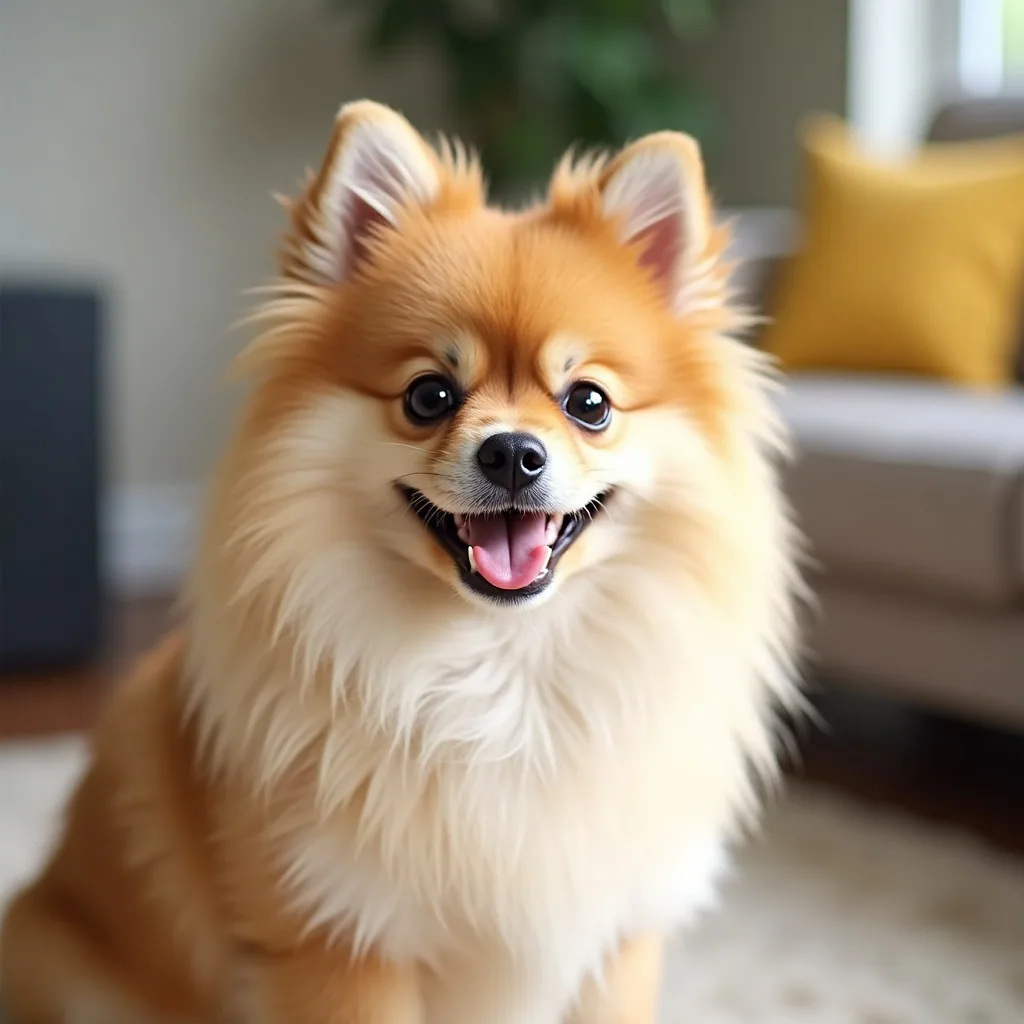
The quick answer
Pomeranians can make wonderful companions — they are lively, affectionate, intelligent and full of character — but they are a fragile toy breed, so they suit some households better than others. Their tiny size means they can be easily injured by a trip, a fall or rough handling, which makes them less ideal for homes with very young, boisterous toddlers.
With their fox-like faces, confident strut and cloud of fluff, Pomeranians are easy to fall for. They are also full of personality — bright, busy and devoted to their people. But are Pomeranians actually good family dogs, and would one suit your home? The honest answer is that they can be wonderful companions for the right household, while their tiny size and big voice mean they are not the ideal fit for every family. Here is a clear-eyed look at living with the breed.
The Pomeranian temperament
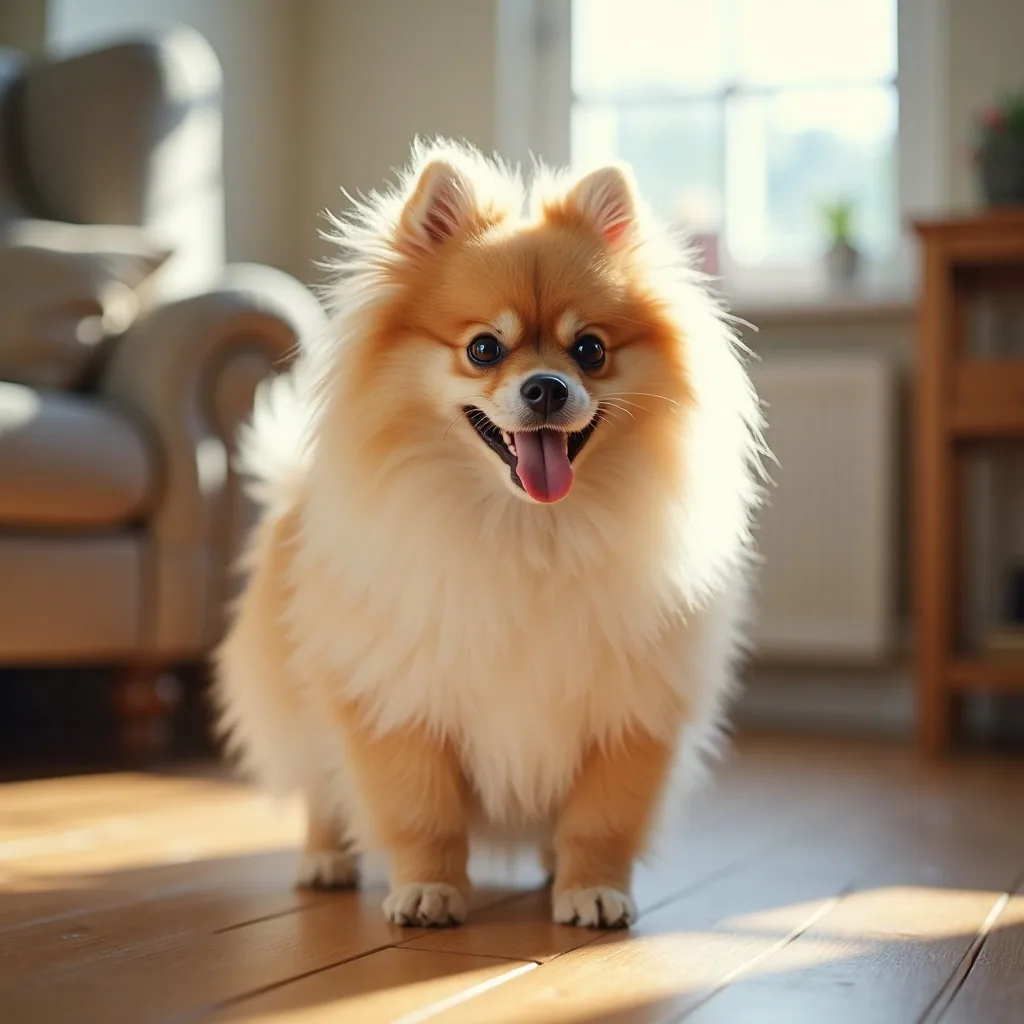
Pomeranians are lively, intelligent, confident and affectionate little dogs. Descended from larger Spitz sled-dog breeds, they have retained a bold, alert character in a toy-sized package. Most are deeply attached to their families, enjoy being involved in whatever is going on, and form strong bonds with their people. They are playful and curious, often surprisingly trainable, and they pack a lot of charm and entertainment into a very small body. For many owners that big-personality-in-a-small-dog quality is exactly the appeal.
The fragility factor
The most important thing to understand before choosing a Pom as a family dog is that they are genuinely fragile. Adults often weigh only a couple of kilos, and that tiny frame can be seriously injured by a fall, a trip, a knock, being dropped, or rough handling. A jump from the sofa or a misjudged step can cause real harm. This fragility is the main reason the breed is often not recommended for homes with very young, boisterous toddlers, who cannot yet be expected to handle such a small dog gently or to watch where they step. It is not that Poms dislike children — many are affectionate with them — but the risk of accidental injury is real.
Are they good with children?
With older, gentle children who have been taught to handle a small dog calmly and to respect its space, a well-socialised Pomeranian can be a lovely family companion. The key conditions are supervision, sensible house rules (no picking the dog up roughly, no disturbing it when resting or eating), and giving the dog a safe place to retreat to. In homes with very young children, the combination of a fragile dog and unpredictable toddlers means more caution is needed, and many families find a sturdier breed easier to manage at that stage.
The bark you should expect
Pomeranians are alert little watchdogs with a surprisingly big bark. They tend to announce visitors, noises and anything they find interesting, and without guidance that watchfulness can tip into excessive barking. This is worth thinking about honestly, especially if you live in a flat or somewhere noise-sensitive. The upside is that they are intelligent and trainable: early socialisation and consistent, reward-based training to manage barking make a real difference. Start good habits in puppyhood rather than trying to undo them later.
Other pets
Many Pomeranians get on well with other dogs and cats, particularly when raised with them and introduced carefully. The main caution is again size: a Pom can be hurt in rough play with a much larger or more boisterous dog, so interactions with bigger dogs should be supervised. Their bold nature sometimes means they do not realise how small they are, so it is up to you to keep them safe.
Exercise, stimulation and company
Being small does not mean a Pom needs no exercise. They enjoy daily walks and play to stay fit and mentally stimulated, though their needs are modest and easily met. Use a harness rather than a collar to protect the windpipe — see our dog harnesses — and our dog walking calculator can help you gauge a sensible routine. They are companion dogs that want to be with their family and are not suited to being left alone for long stretches. Puzzle toys and training games suit their clever minds; browse our dog toys for ideas.
Who do Pomeranians suit?
- Adults and households with older, gentle children who can handle a fragile dog carefully.
- People who are around a fair amount and want a close companion.
- Owners happy to groom a double coat regularly (see our grooming and care guide).
- Those willing to train consistently, including managing barking.
They are less ideal for homes with very young toddlers, for people who are out all day, or for anyone wanting a robust, low-maintenance dog.
The honest verdict
For the right home, Pomeranians make delightful family dogs: affectionate, entertaining and devoted. The trade-offs are real — their fragility demands careful handling, and their voice needs managing — but with sensible supervision, good training and gentle handling, a Pom can be a brilliant little member of the family. For more, see our guides on health problems and costs.
*This is general guidance. Every dog is an individual, so meet the breeder, parents and puppies before choosing.*
Sources
- The Kennel Club — Pomeranian breed information and temperament (thekennelclub.org.uk).
- Blue Cross — choosing a dog and family-suitability (bluecross.org.uk).
- PDSA — dog behaviour and socialisation (pdsa.org.uk).
- RSPCA — dogs and children, and responsible ownership (rspca.org.uk).
Common questions
Are Pomeranians good family dogs?
Pomeranians can make wonderful companions — they are lively, affectionate, intelligent and full of character — but they are a fragile toy breed, so they suit some households better than others. Their tiny size means they can be easily injured by a trip, a fall or rough handling, which makes them less ideal for homes with very young, boisterous toddlers. They also have a big-dog bark and can be vocal. In a calm home with older, gentle children or adults, a well-socialised Pom is a devoted and entertaining family member.
Do Pomeranians bark a lot?
Pomeranians can be quite vocal. They are alert, confident little dogs that often bark to announce visitors, noises or anything they find interesting, and without training that watchfulness can tip into excessive barking. The good news is that they are intelligent and trainable, so early socialisation and consistent, reward-based training to manage barking make a real difference. If you live somewhere noise-sensitive, such as a flat, factor this in and start good habits from puppyhood.
Are Pomeranians good with young children?
Pomeranians are often better suited to homes with older, gentle children than with very young toddlers. They are tiny and fragile, and can be seriously injured by being dropped, trodden on or handled roughly, so they need careful, supervised handling. With older children who have learned to handle a small dog gently and respect its space, a well-socialised Pom can be a lovely companion. In homes with very small children, extra caution and supervision are essential.
About the author
Matt Garnett — founder, Giddy Pets
Matt started Giddy Pets to make getting pets the good stuff simpler and fairer. Everything in these guides comes from real life with pets and a lot of trial and error — it's practical guidance, not veterinary advice. If a guide gets something wrong, tell him directly.
Free tools & more guides
Read next
Pomeranian Grooming & Care (Double Coat — Never Shave)
How to groom a Pomeranian's double coat — brushing routine, coat blows, why you must never shave, dealing with mats, plus nails, teeth and ears.
How Much Does a Pomeranian Cost? Buying & Lifetime Costs
What a Pomeranian really costs — the price of a responsibly bred puppy, the 'teacup' marketing red flag, lifetime running costs, and why insurance matters.
Pomeranian Health Problems: An Honest Guide
An honest guide to Pomeranian health problems — dental disease, luxating patella, collapsing trachea, Alopecia X, open fontanelle — and why a harness matters.
How Long Do Pomeranians Live? Lifespan & Health
How long Pomeranians live, the health conditions this tiny Spitz breed can carry, and the practical things that help yours reach a healthy old age.