
How Much Does a Bombay Cat Cost? Buying & Lifetime Costs
What a Bombay cat really costs — the purchase price of a health-tested kitten, the lifetime running costs, and why a tested breeder and insurance matter.
The quick answer
A well-bred Bombay kitten from a registered GCCF breeder in the UK usually costs from several hundred to over a thousand pounds, depending on lines and whether it is pet or show quality. Because Bombays are relatively uncommon here, availability can be limited and you may need to join a waiting list.
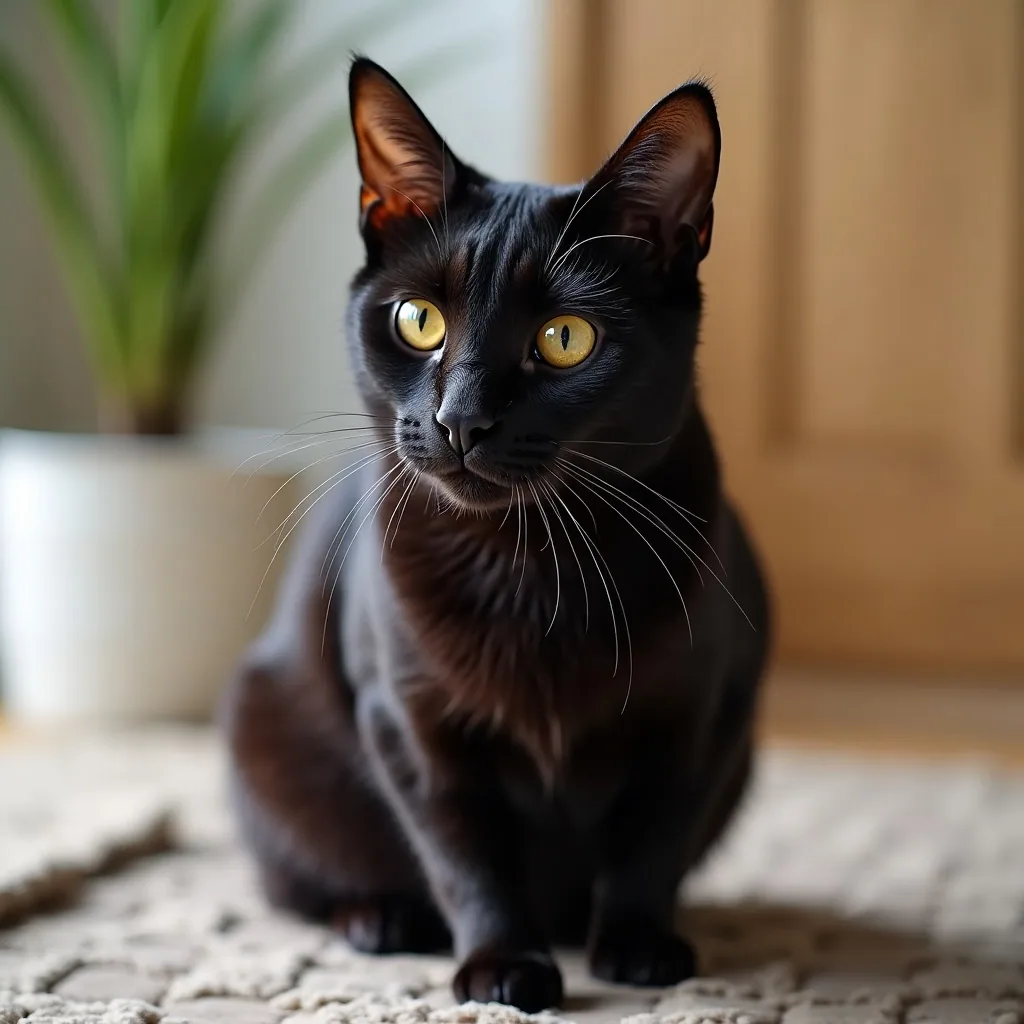
Bombays are striking, affectionate cats, and their panther-like good looks make them sought after. Because the breed is relatively uncommon in the UK, finding one can take patience — and the price tag reflects both that scarcity and the cost of responsible breeding. Before you fall for those copper eyes, it pays to understand the full cost of ownership. Here is an honest breakdown of what a Bombay costs to buy and to keep.
How much does a Bombay kitten cost?
The purchase price of a Bombay varies depending on the breeder, the cat's lines, and whether it is sold as a pet or for showing and breeding. As a general guide, a well-bred kitten from a registered GCCF breeder in the UK typically costs from several hundred pounds up to over a thousand pounds, with show- or breeding-quality kittens at the higher end. Because Bombays are uncommon here, you may need to join a waiting list or travel to find a reputable breeder. Kittens advertised very cheaply should be approached with caution: a suspiciously low price often means no health testing, poor early care, or worse. Equally, a high price alone is no guarantee of quality — what matters is the evidence of health testing and responsible rearing, not the figure.
Why a reputable, health-tested breeder is worth it
Because of the breed's Burmese ancestry, where you buy matters a great deal. A responsible breeder will:
- Register litters with the GCCF and rear kittens in the home.
- Screen breeding cats for Burmese hypokalaemia using the available DNA test, and avoid pairings that risk the severe craniofacial (brachycephalic) defect linked to the Burmese line.
- Let you meet the mother and see the kittens with her.
- Provide vaccination, microchipping and worming records, and be happy to answer questions and stay in touch.
Paying more for a properly tested kitten can save heartache and significant vet bills later. Our health problems guide and lifespan and health guide explain the conditions to ask about in more detail.
The bigger cost: keeping a Bombay
The purchase price is only the beginning. Across a 12–16 year life, the running costs dwarf the initial outlay.
- Food. Quality complete food is one of your larger ongoing bills. Our cat portion control guide helps you feed the right amount without waste — or overfeeding.
- Insurance. Given the Burmese-linked inherited conditions, lifelong cover is genuinely worthwhile (more below).
- Veterinary care. Vaccinations, parasite control, dental care, neutering and routine check-ups, plus any treatment for illness.
- Litter, trays, beds, scratchers and toys. A sturdy cat tree or scratcher and a roomy litter tray are sensible basics, and an active Bombay appreciates plenty of toys.
- Grooming. Minimal for this short-coated breed — an occasional brush and the usual nail, dental and ear care.
- Boarding or cat-sitting when you are away.
It is sensible to budget a meaningful monthly figure for food, insurance and sundries, with an additional buffer for veterinary costs.
Why insurance matters for this breed
For a breed that can carry inherited conditions such as hypokalaemia and shares the general feline risks of HCM and dental disease, pet insurance is genuinely valuable. Ongoing investigations, medication and monitoring add up quickly. A lifetime policy taken out while your cat is young and healthy — before any condition is diagnosed and excluded as pre-existing — gives the broadest protection. You can get a rough idea of cover and budget with our pet insurance estimator, and read the pet insurance guide for what to look for in a policy.
Avoiding scams and bad breeders
Unusual or sought-after breeds attract unscrupulous sellers. Be wary of kittens offered with no health testing, sellers who will not let you visit or meet the mother, pressure to pay deposits quickly, or prices that seem too good to be true. Take your time, ask for proof of registration and health tests, and walk away if anything feels off. A good breeder will be as keen to vet you as you are to vet them.
The honest bottom line
A Bombay is a significant commitment: a meaningful purchase price for a properly bred, health-tested kitten — often after a wait, given the breed's scarcity — and substantial lifetime running costs. Budget realistically, insure early, and buy from a reputable GCCF breeder who tests for the Burmese-linked conditions, and you will give yourself the best chance of years of happy ownership. For more on what to expect day to day, see our guides on temperament and personality.
*This is general guidance. Costs vary by region, breeder and individual cat, and insurance terms differ between providers.*
Sources
- Governing Council of the Cat Fancy (GCCF) — buying a pedigree kitten and finding registered breeders (gccfcats.org).
- International Cat Care — inherited disease and health testing in cats (icatcare.org).
- PDSA — cost of owning a cat (pdsa.org.uk).
- Blue Cross — buying a kitten and avoiding scams (bluecross.org.uk).
Common questions
How much does a Bombay cat cost?
A well-bred Bombay kitten from a registered GCCF breeder in the UK usually costs from several hundred to over a thousand pounds, depending on lines and whether it is pet or show quality. Because Bombays are relatively uncommon here, availability can be limited and you may need to join a waiting list. The bigger figure, though, is the lifetime cost: food, insurance, litter, vaccinations, dental and vet care add up to a meaningful monthly commitment across 12–16 years.
Why is insurance important for a Bombay cat?
Bombays can carry Burmese-linked inherited conditions such as hypokalaemia and share the general feline risks of HCM and dental disease, all of which may need ongoing investigation, medication and monitoring that becomes expensive. A lifetime policy taken out while your cat is young and healthy gives the broadest cover, before any condition can be excluded as pre-existing. For a breed with these considerations, good insurance can make serious illness far more affordable to manage.
How do I find a reputable Bombay breeder?
Look for a breeder who registers litters with the GCCF, rears kittens in the home, screens breeding cats for Burmese hypokalaemia with the available DNA test, and avoids pairings that risk the severe craniofacial defect linked to the Burmese line. They should let you meet the mother and kittens, provide vaccination and microchipping records, and be happy to answer questions. Avoid suspiciously cheap kittens, sellers who will not let you visit, and pressure to pay deposits quickly.
About the author
Matt Garnett — founder, Giddy Pets
Matt started Giddy Pets to make getting pets the good stuff simpler and fairer. Everything in these guides comes from real life with pets and a lot of trial and error — it's practical guidance, not veterinary advice. If a guide gets something wrong, tell him directly.
Free tools & more guides
Read next

How Long Do Bombay Cats Live? Lifespan & Health
How long Bombay cats live, the Burmese-linked and general conditions the breed can carry, and the practical things that help yours reach a healthy old age.
Bombay Cat Health Problems: An Honest Guide
An honest, factual guide to Bombay cat health problems — Burmese hypokalaemia, the craniofacial tendency, HCM, dental disease and weight, and how to reduce the risks.
Are Bombay Cats Good Pets? Temperament & Home Fit
What Bombay cats are really like to live with — their affectionate 'mini panther' temperament, need for company, easy coat, and the homes they suit best.
Bombay Cat Personality & Behaviour
Inside the Bombay cat personality — affectionate 'velcro cat' devotion, playful intelligence, sociability, vocal habits, and how to keep one happy.