
Bombay Cat Personality & Behaviour
Inside the Bombay cat personality — affectionate 'velcro cat' devotion, playful intelligence, sociability, vocal habits, and how to keep one happy.
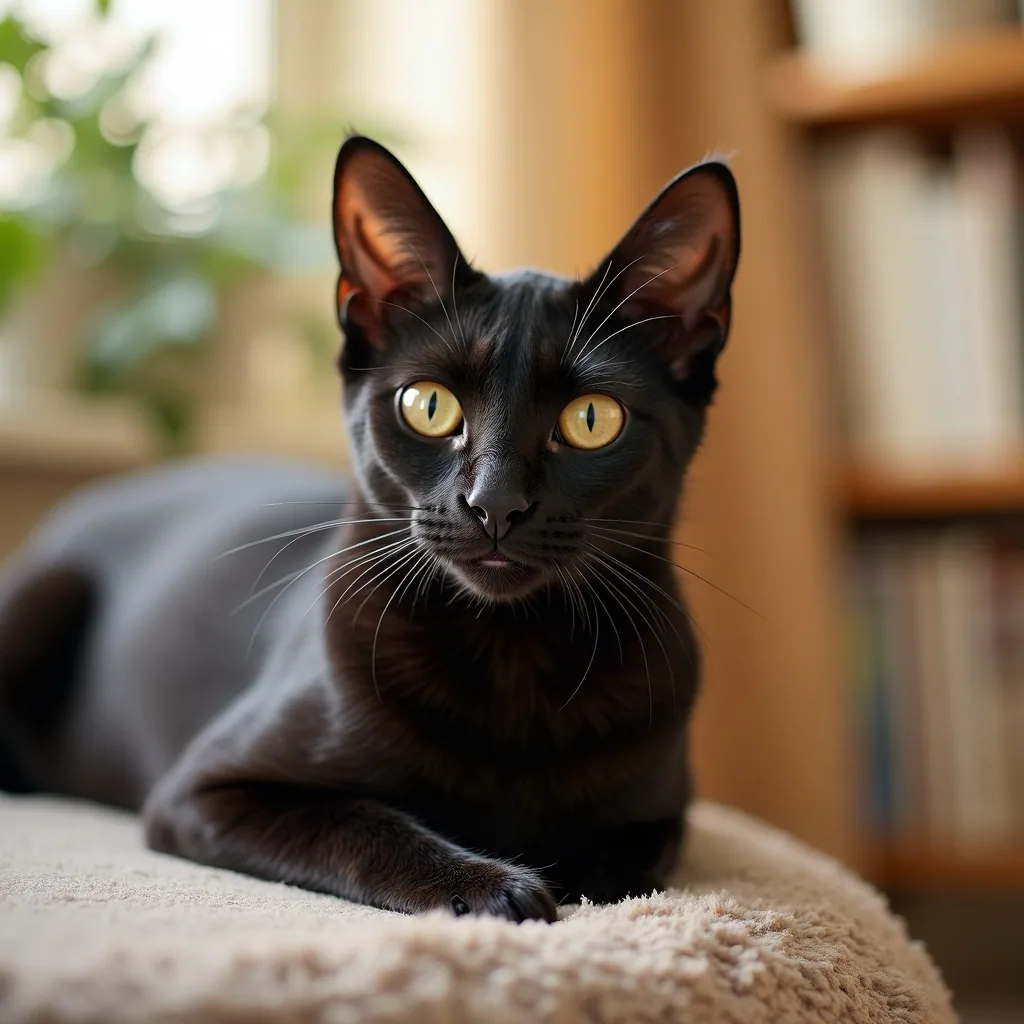
The quick answer
Very. Affection is one of the breed's defining traits. Bombays are typically people-oriented and devoted, often described as 'velcro cats' for the way they shadow their owners and seek out laps, warmth and company. Many enjoy being handled, like to be involved in whatever the household is doing, and greet their people enthusiastically.
Bombay cats look like miniature panthers, but their personality is anything but wild and aloof. This is one of the most affectionate, people-loving short-haired breeds you can share a home with — sociable, playful and endearingly attached to their humans. Here is an honest look at the Bombay cat's personality and behaviour, and what it really means to live with one.
Affectionate and people-oriented
The single defining trait of the Bombay is affection. Created from the Burmese and the black American Shorthair, the breed inherited the Burmese's famously devoted, sociable nature. Bombays typically bond closely with their families and are often described as 'velcro cats' — they shadow their owners around the house, seek out laps and warmth, and like to be involved in everything. Many greet their people enthusiastically and genuinely seem to want company rather than solitude. If you have always wanted a cat that acts like it adores you, the Bombay rarely disappoints.
Playful, curious and intelligent
Beneath the calm, glossy exterior, Bombays are playful and clever. Many stay kitten-like in their love of games well into adulthood, enjoy chasing toys, and some take readily to interactive games such as fetch. Their intelligence and curiosity make them rewarding to live with, but it also means they need outlets — a bored Bombay can become mischievous or attention-seeking. Puzzle feeders, climbing, wand toys and regular play sessions keep them stimulated and content. Our puzzle and enrichment range and cat toys are a good place to start, and a slow feeder can turn mealtimes into mental exercise too.
Sociable and confident
Bombays tend to be confident and welcoming rather than shy. Many are happy to greet visitors, settle quickly into new routines, and cope well with the comings and goings of a busy home. This sociability extends to other animals: with calm, gradual introductions, most Bombays get along well with other cats and even dogs. Their easy temperament is a big part of why they make such adaptable family companions.
Vocal, but gently so
Like their Burmese relatives, many Bombays are fairly chatty, using soft, conversational meows to greet their owners, ask for attention or comment on the day. It is usually a sweet, communicative voice rather than a loud or demanding one, and owners quickly learn their cat's little vocabulary. A sudden change in how vocal your cat is — much more or much less than usual — can be worth a vet check, but everyday chattiness is simply part of the breed's engaging, people-focused character.
They do not like being left alone
The natural consequence of all this sociability is that Bombays do not cope well with long periods of isolation. A cat that wants to be with you constantly can become bored, lonely or stressed if left alone all day, every day. If your household is out a lot, think carefully about whether a companion cat, plenty of enrichment, and quality time when you are home would meet their needs. Some behaviour problems in clingy breeds — over-grooming, destructiveness, excessive vocalising — trace back to boredom or loneliness, so meeting their social needs is part of responsible ownership.
Warmth-seekers
Bombays are famous for loving warmth. With their short coat, many will gravitate to sunny windowsills, radiators, laps and the cosiest bed in the house. Providing a snug, draught-free cat bed in a warm spot keeps a heat-seeking Bombay comfortable and gives them a place of their own to retreat to.
How their character develops
Like most cats, a Bombay's personality emerges gradually. Kittens are typically bold, busy and intensely playful, and that kittenish streak often lasts well into adulthood, which is part of the breed's charm. Early, gentle handling and positive experiences with people, other pets, household noises and being picked up all help a Bombay grow into the confident, sociable adult the breed is known for. A well-socialised Bombay tends to take new situations in its stride, while one that has had little early handling may be more reserved — so ask a breeder about how their kittens are raised, and continue that socialisation calmly once you bring a kitten home.
When behaviour changes
Because Bombays are such consistent, people-focused cats, a noticeable change in behaviour is often the first clue that something is wrong. Hiding away in a normally sociable cat, a drop in appetite, litter-tray accidents, sudden grumpiness, or restlessness can all signal stress, pain or illness rather than 'naughtiness'. Cats are very good at masking discomfort, so it is always worth a vet check when a settled Bombay's habits shift markedly. Keeping their environment stable — predictable routines, familiar resting spots, and gradual rather than sudden change — helps this sensitive, attached breed feel secure.
Keeping a Bombay happy and well-behaved
- Spend time together — this breed thrives on interaction and company.
- Provide daily play and enrichment to channel their intelligence and energy.
- Offer climbing and scratching with a sturdy cat tree or scratcher.
- Keep routines calm and consistent — sudden change can unsettle a sensitive cat.
- Watch for behaviour changes, which can signal boredom, stress or, sometimes, illness.
For more on whether the breed fits your home, see our guide on whether Bombay cats make good pets, and read up on the breed's health considerations before committing.
*This is general guidance. Every cat is an individual, and persistent behaviour changes are always worth discussing with your vet.*
Sources
- International Cat Care — cat behaviour and breed character (icatcare.org).
- Governing Council of the Cat Fancy (GCCF) — breed information (gccfcats.org).
- Blue Cross — understanding cat behaviour (bluecross.org.uk).
- PDSA — cat behaviour and enrichment (pdsa.org.uk).
Common questions
Are Bombay cats affectionate?
Very. Affection is one of the breed's defining traits. Bombays are typically people-oriented and devoted, often described as 'velcro cats' for the way they shadow their owners and seek out laps, warmth and company. Many enjoy being handled, like to be involved in whatever the household is doing, and greet their people enthusiastically. This sociable nature is a big part of their appeal, but it also means they do not enjoy being left alone for long periods.
Are Bombay cats vocal?
Many are fairly chatty, like their Burmese relatives, using soft, conversational meows to greet their owners and ask for attention. It is usually a sweet, communicative voice rather than a loud or demanding one, and owners soon learn their cat's little vocabulary. A sudden change in how vocal your cat is — much more or much less than usual — can be worth a vet check, but everyday chattiness is simply part of the breed's people-focused character.
Do Bombay cats like being left alone?
Not really. Bombays are sociable, people-oriented cats that thrive on company and can become bored or lonely if left alone all day, every day. If your household is out a lot, consider a companion cat, plenty of enrichment, and quality time when you are home. Meeting their social needs is part of responsible ownership, as boredom and loneliness can lead to behaviour problems such as over-grooming, destructiveness or excessive vocalising.
About the author
Matt Garnett — founder, Giddy Pets
Matt started Giddy Pets to make getting pets the good stuff simpler and fairer. Everything in these guides comes from real life with pets and a lot of trial and error — it's practical guidance, not veterinary advice. If a guide gets something wrong, tell him directly.
Free tools & more guides
Read next
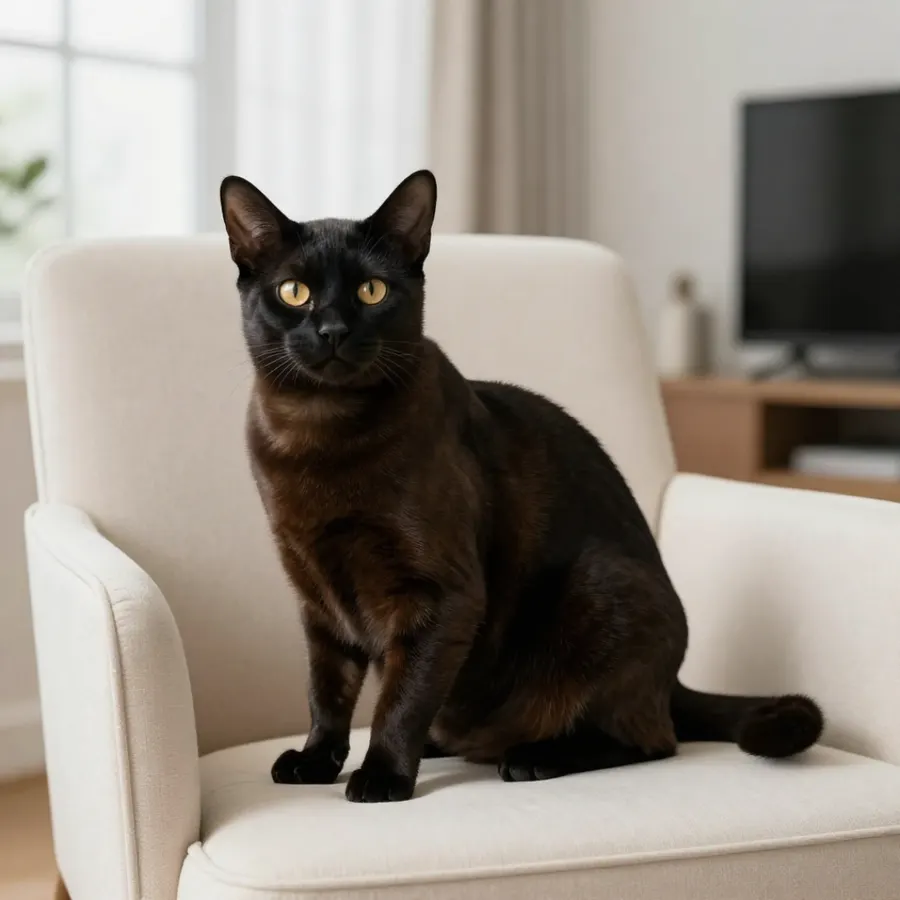
Are Bombay Cats Good Pets? Temperament & Home Fit
What Bombay cats are really like to live with — their affectionate 'mini panther' temperament, need for company, easy coat, and the homes they suit best.

How Long Do Bombay Cats Live? Lifespan & Health
How long Bombay cats live, the Burmese-linked and general conditions the breed can carry, and the practical things that help yours reach a healthy old age.
Bombay Cat Health Problems: An Honest Guide
An honest, factual guide to Bombay cat health problems — Burmese hypokalaemia, the craniofacial tendency, HCM, dental disease and weight, and how to reduce the risks.
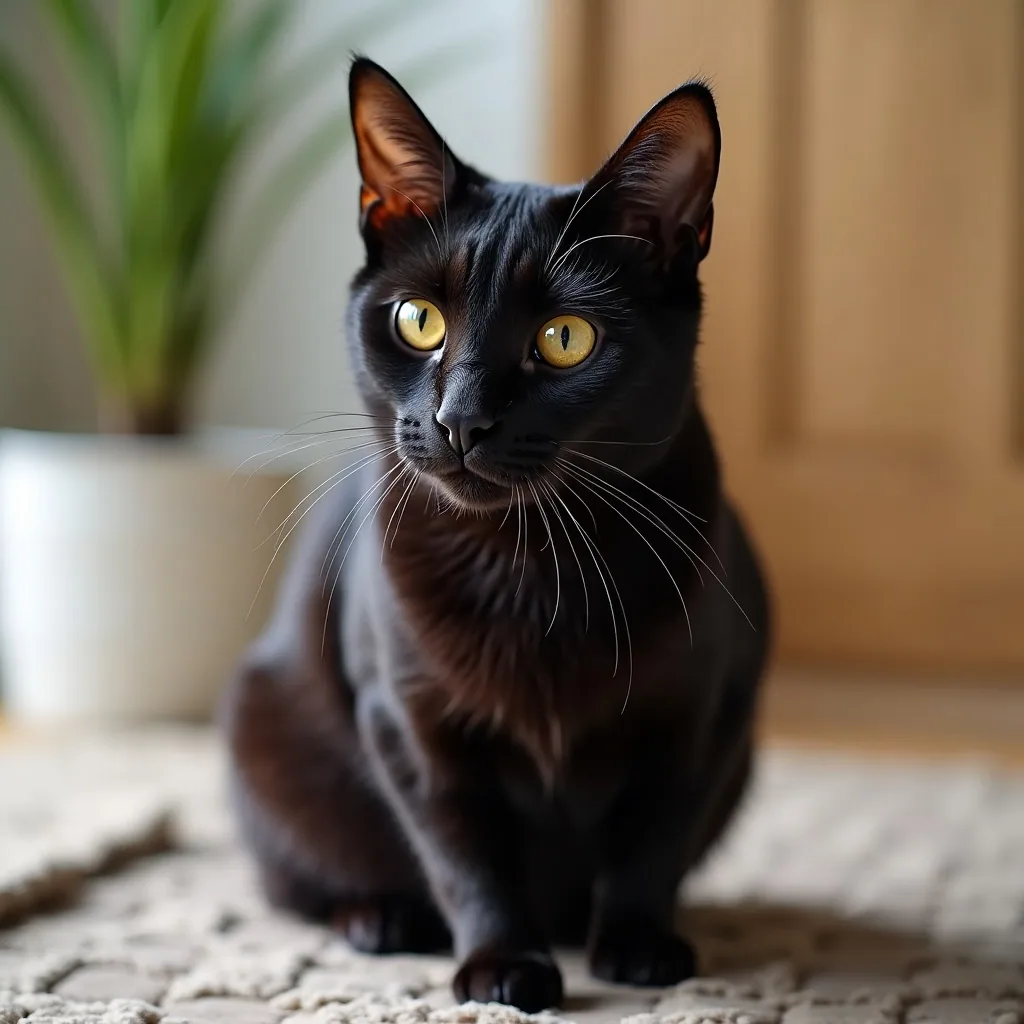
How Much Does a Bombay Cat Cost? Buying & Lifetime Costs
What a Bombay cat really costs — the purchase price of a health-tested kitten, the lifetime running costs, and why a tested breeder and insurance matter.