
How Long Do Bombay Cats Live? Lifespan & Health
How long Bombay cats live, the Burmese-linked and general conditions the breed can carry, and the practical things that help yours reach a healthy old age.

The quick answer
Bombay cats typically live to around 12–16 years, and some reach their late teens with good care. As a breed derived partly from the hardy American Shorthair, many are robust, but their Burmese ancestry means they can carry certain inherited conditions.
The Bombay is a sleek, affectionate, panther-like breed that often makes a devoted lifelong companion. If you are thinking of welcoming one, or already share your home with a 'mini panther', one of the first questions is usually how long they live and what to watch for along the way. Here is an honest look at Bombay cat lifespan, the conditions the breed can be prone to, and the practical things that help yours stay well.
How long do Bombay cats live?
Bombay cats typically live to around 12–16 years, and with good care some reach their late teens. That is a normal, healthy range for a short-haired pedigree cat. Part of the breed's makeup comes from the hardy American Shorthair, which helps many Bombays be robust, while the Burmese side contributes both their character and some inherited health considerations. As always, genetics set the outer limits while everyday care — weight, diet, dental health and routine veterinary attention — strongly influences where an individual cat lands.
Burmese-linked conditions to be aware of
Because the Bombay was developed using the Burmese, it can share some of the conditions seen in that breed. The best documented is Burmese hypokalaemia (familial episodic hypokalaemic polymyopathy), an inherited cause of low blood potassium that leads to episodes of muscle weakness, often first noticed as a wobbly gait or difficulty holding the head up in young cats. It is inherited in an autosomal recessive way — a cat needs two copies of the faulty gene to be affected — and a DNA test exists, so responsible breeders can screen their cats. Many affected cats can be managed well, and in some the signs become milder with age. The Burmese line is also associated with a brachycephalic (shortened-skull) craniofacial tendency, which in its mildest form just means a shorter muzzle but in severe cases causes serious deformity; ethical breeders avoid pairings that risk this. Our health problems guide covers these in more detail.
Heart disease: HCM
Like many cats, Bombays can be affected by hypertrophic cardiomyopathy (HCM), a disease in which the heart muscle thickens and the heart works less efficiently. HCM can be silent for a long time, so if you own a Bombay, ask your vet about appropriate monitoring and report any breathlessness, lethargy or sudden weakness promptly. Buying from a breeder who heart-screens where possible, and keeping up regular vet checks, gives early problems the best chance of being caught.
Dental disease
Dental and gum disease is extremely common across all cats and is easy to overlook. Build dental care into your routine — brushing with cat toothpaste if your cat will tolerate it, and regular vet dental checks — to protect against pain, infection and tooth loss. Browse our dental care range for helpful products.
Weight: the everyday risk
Beyond inherited conditions, the most common day-to-day health issue is simply carrying too much weight. Excess weight strains the joints and heart and raises the risk of diabetes and other problems. Use body-condition scoring and your vet's advice rather than the scales alone. Our cat portion control and obesity guide and the pet calorie calculator can help you feed the right amount, and encouraging good water intake — some cats drink more readily from a water fountain — supports overall health.
It is worth keeping these conditions in perspective. The Bombay is a relatively uncommon breed in the UK, so breed-specific data is more limited than for popular breeds, and the fact that a breed *can* carry a condition does not mean every cat will be affected. Responsible testing and good care exist precisely so the risks can be reduced rather than left to chance.
Helping your Bombay live a long, healthy life
- Keep them lean — measure meals and avoid grazing on a full bowl all day.
- Choose a tested kitten — buy from a breeder who screens for Burmese hypokalaemia and avoids risky craniofacial pairings (see our cost and buying guide).
- Stay on top of dental care, vaccinations and parasite control.
- See your vet regularly, moving towards twice-yearly checks as your cat ages.
- Insure early so that future conditions are covered before they can be excluded.
- Provide enrichment — play and climbing keep this active, intelligent breed healthy.
You can get a rough sense of lifespan with our pet life expectancy tool, and find local and emergency clinics through our vet finder.
*This is general guidance, not a substitute for advice from your vet, who can assess your individual cat.*
Sources
- International Cat Care — cat health and inherited disease (icatcare.org).
- Governing Council of the Cat Fancy (GCCF) — breed information and health testing (gccfcats.org).
- RVC VetCompass — UK cat health and longevity data (rvc.ac.uk/vetcompass).
- PDSA — cat health, weight and preventive care (pdsa.org.uk).
- Blue Cross — caring for your cat (bluecross.org.uk).
Common questions
How long do Bombay cats live?
Bombay cats typically live to around 12–16 years, and some reach their late teens with good care. As a breed derived partly from the hardy American Shorthair, many are robust, but their Burmese ancestry means they can carry certain inherited conditions. Genetics set the range, while keeping your cat lean, feeding well, staying on top of dental and routine vet care, and choosing a kitten from a breeder who health-tests all help yours reach the longer end of that span.
What health problems are Bombay cats prone to?
Because of their Burmese ancestry, Bombays can carry some Burmese-linked conditions. The best documented is Burmese hypokalaemia (familial episodic hypokalaemic polymyopathy), an inherited cause of low blood potassium and muscle weakness for which a DNA test exists. The breed can also show a brachycephalic (shortened-skull) tendency inherited from the Burmese craniofacial line. Like all cats they can be affected by hypertrophic cardiomyopathy (HCM), dental disease and weight gain. Evidence on the breed is limited as it is uncommon in the UK.
What is Burmese hypokalaemia?
Burmese hypokalaemia, or familial episodic hypokalaemic polymyopathy, is an inherited condition seen in the Burmese and related breeds including the Bombay. It causes episodes of low blood potassium that lead to muscle weakness, often first noticed in young cats as a wobbly gait or trouble holding the head up. It is inherited in an autosomal recessive way, so a cat needs two copies of the faulty gene to be affected, and a DNA test is available. Many affected cats can be managed, sometimes with potassium supplements.
About the author
Matt Garnett — founder, Giddy Pets
Matt started Giddy Pets to make getting pets the good stuff simpler and fairer. Everything in these guides comes from real life with pets and a lot of trial and error — it's practical guidance, not veterinary advice. If a guide gets something wrong, tell him directly.
Free tools & more guides
Read next
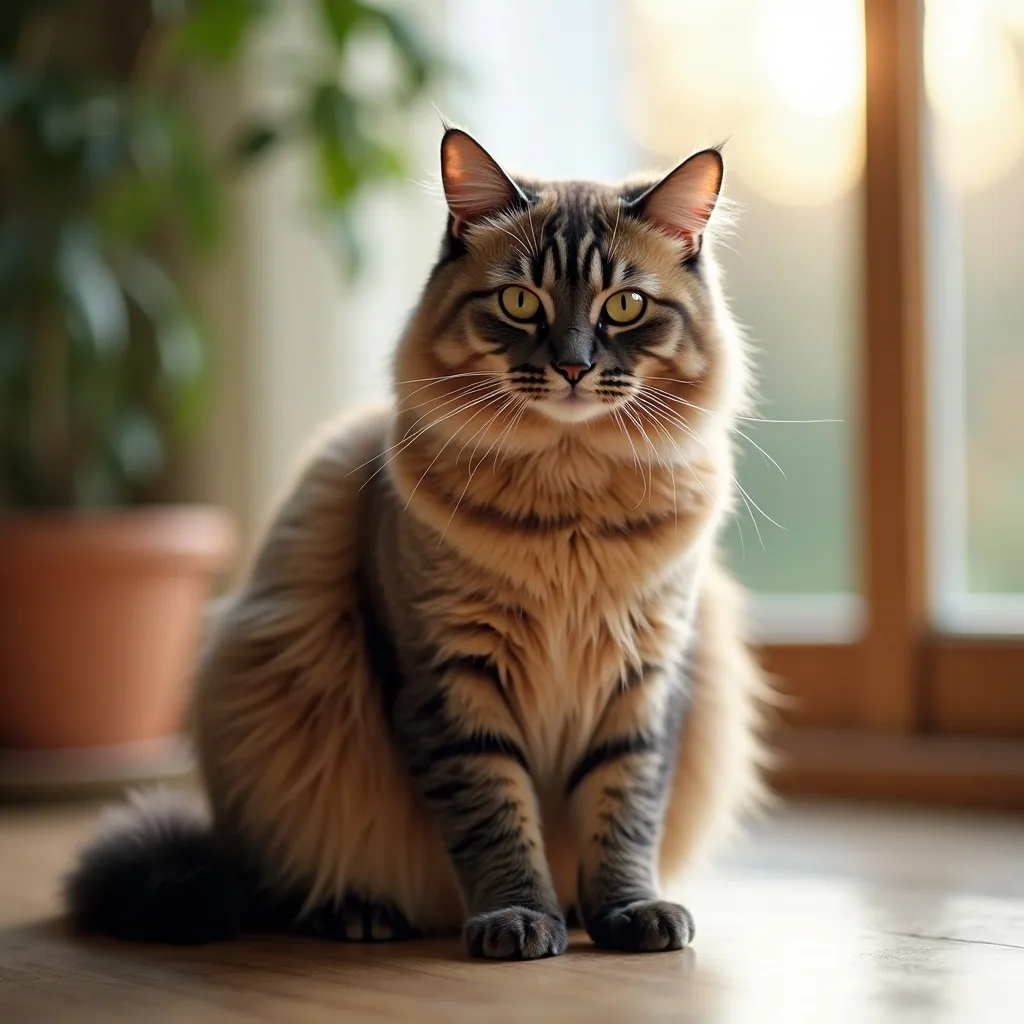
Bombay Cat Health Problems: An Honest Guide
An honest, factual guide to Bombay cat health problems — Burmese hypokalaemia, the craniofacial tendency, HCM, dental disease and weight, and how to reduce the risks.
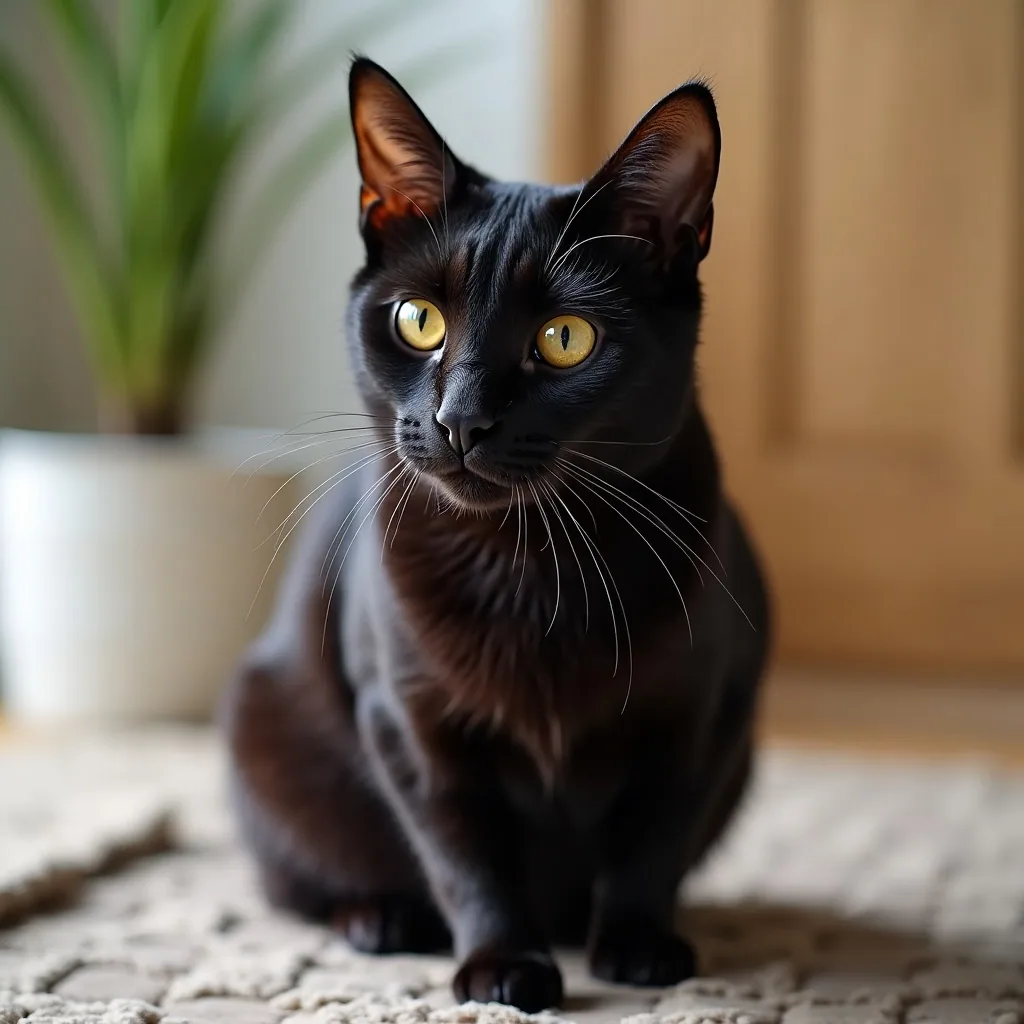
How Much Does a Bombay Cat Cost? Buying & Lifetime Costs
What a Bombay cat really costs — the purchase price of a health-tested kitten, the lifetime running costs, and why a tested breeder and insurance matter.
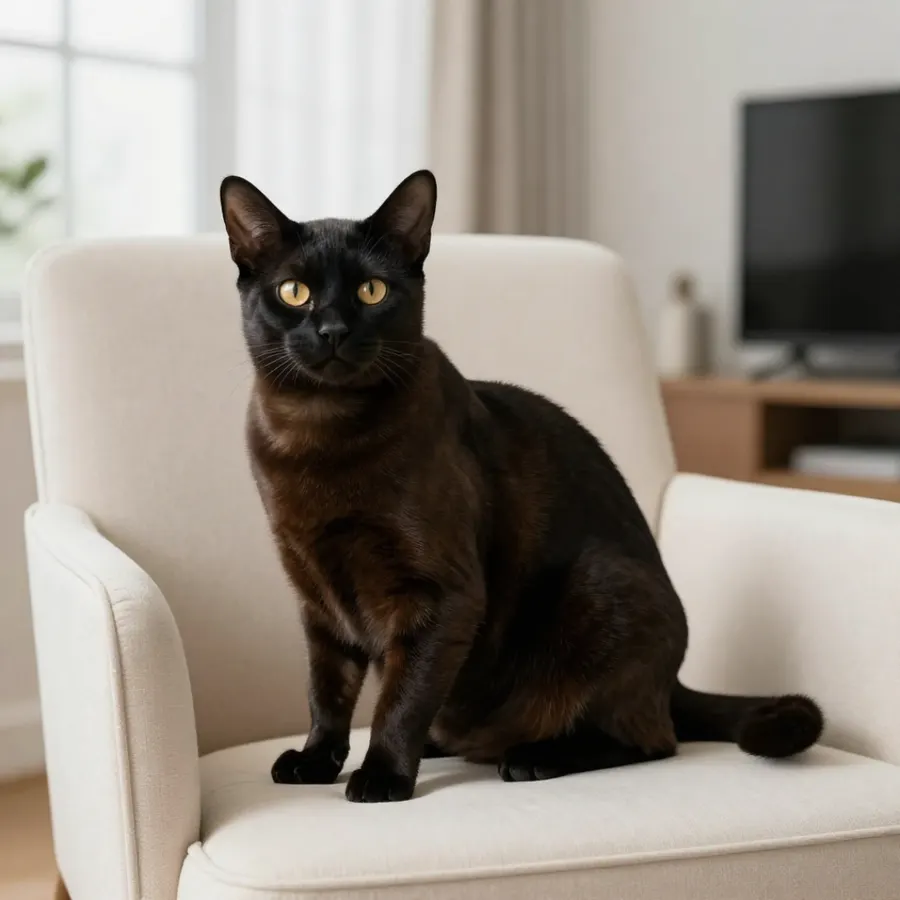
Are Bombay Cats Good Pets? Temperament & Home Fit
What Bombay cats are really like to live with — their affectionate 'mini panther' temperament, need for company, easy coat, and the homes they suit best.
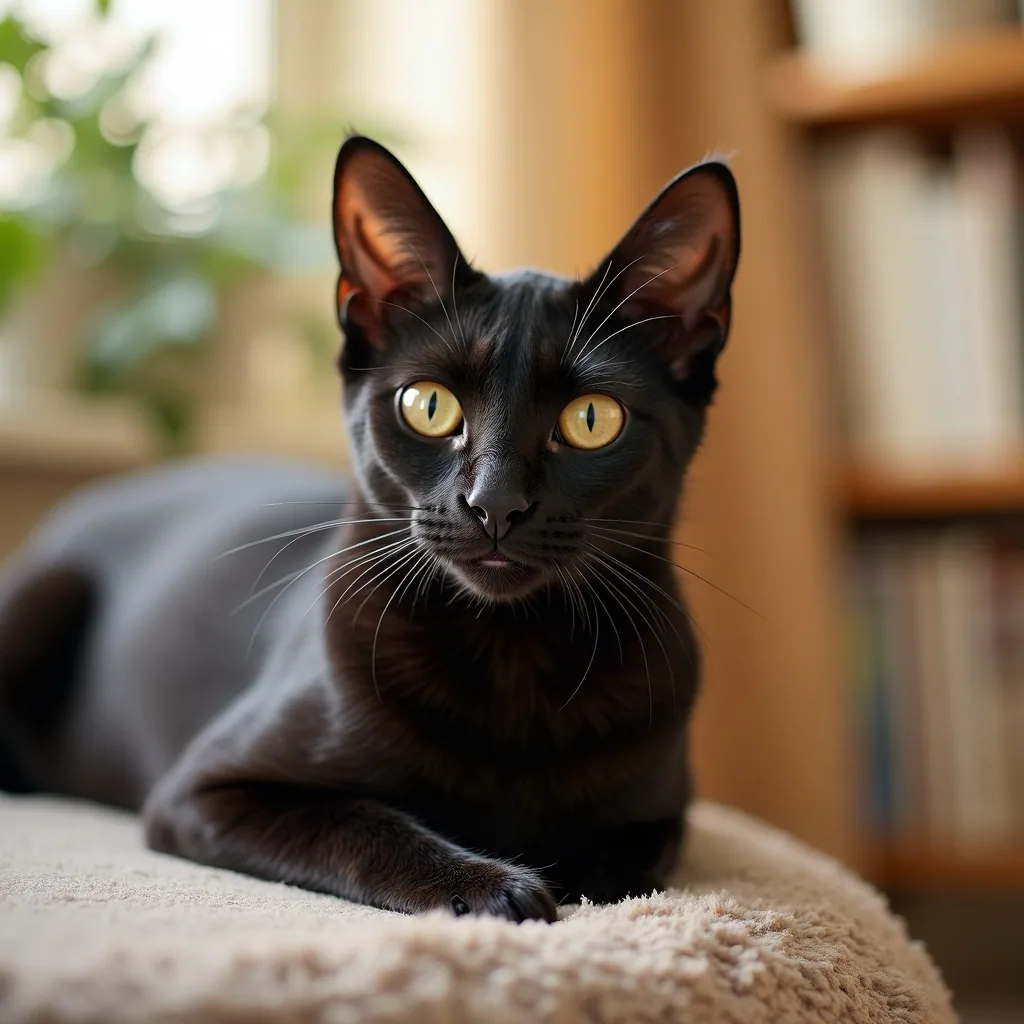
Bombay Cat Personality & Behaviour
Inside the Bombay cat personality — affectionate 'velcro cat' devotion, playful intelligence, sociability, vocal habits, and how to keep one happy.