
British Shorthair Grooming & Care
How to care for the British Shorthair's dense plush coat: weekly brushing, why not to over-bathe, nails, teeth and ears, and feeding for a healthy coat.

The quick answer
A weekly brush is enough for most of the year, increasing to two or three times a week during the spring and autumn moults when the dense coat sheds more heavily. Brushing removes loose undercoat, reduces hairballs and keeps the plush, crisp texture in good condition.
The British Shorthair is one of the lowest-maintenance pedigree cats when it comes to grooming — but "low" is not "none". That famous dense, plush, crisp coat needs a little regular help to stay in good condition, and there is more to looking after a British Shorthair than the coat alone. Here is a complete, sensible care routine for the breed.
Understanding the coat
The British Shorthair's defining feature is its coat: short but exceptionally dense, plush and crisp, standing slightly away from the body rather than lying flat. It is a double coat, with a soft undercoat beneath the outer coat, which is why it feels so thick and resilient. That density is the whole reason grooming matters — there is a lot of undercoat to shed, and a lot of loose hair that needs removing before it ends up around your home or in your cat's stomach as hairballs.
How often to brush a British Shorthair
For most of the year, a weekly brush is enough. During the spring and autumn moults, when the coat changes and sheds more heavily, step that up to two or three times a week. Regular brushing:
- removes dead undercoat before it spreads around the house;
- reduces the hairballs that come from a cat swallowing loose hair while self-grooming;
- spreads the skin's natural oils through the coat, keeping it healthy and glossy;
- gives you a regular chance to check the skin for lumps, parasites or sore spots.
Use a grooming tool suited to a dense coat — a soft slicker brush, a rubber grooming mitt or a comb all work well. Browse our grooming brushes for cat-appropriate options. Keep sessions short and positive, especially with kittens, so your cat learns to enjoy being handled. Our companion guide on whether British Shorthairs shed covers managing loose hair in more detail.
Why you should not over-bathe
British Shorthairs are fastidious self-groomers and rarely need bathing. In fact, over-bathing does more harm than good: it strips the natural oils that keep that crisp double coat in condition and can dry out and irritate the skin. Reserve baths for the occasional genuine emergency — if your cat gets something toxic, sticky or filthy on the coat — and use a cat-specific shampoo, rinsing thoroughly. For everyday cleanliness, regular brushing is all a healthy British Shorthair needs.
Nails, teeth and ears
Grooming is about more than the coat. A complete routine includes:
- Nails: check every few weeks and trim if they are not being worn down naturally. Provide a sturdy scratching post or cat tree so your cat can maintain its own claws and stretch — scratching is a natural behaviour, not bad manners.
- Teeth: dental disease is extremely common in cats and is painful and easily missed. Brushing your cat's teeth with a cat-specific toothpaste is the gold standard; introduce it gradually and gently. Ask your vet to check the teeth at every visit.
- Ears: check weekly for redness, dark wax or an unpleasant smell, which can signal infection or ear mites. Only clean if your vet advises, using a product they recommend — never poke anything into the ear canal.
- Eyes: wipe away any normal discharge gently with a damp cloth, and see your vet if you notice persistent weeping, redness or squinting.
Keeping these basics ticking over, alongside the coat, is what good day-to-day care looks like. Our wider grooming and health range covers the kit.
Feeding for a healthy coat
A glossy, healthy coat starts on the inside. Feed a complete, balanced diet appropriate to your cat's life stage, and the coat will largely look after itself. Because British Shorthairs are so prone to weight gain, the bigger feeding challenge is usually portion control rather than coat nutrition. An overweight cat also struggles to groom itself properly, especially around the back end, which can lead to a matted, neglected-looking coat — another reason to keep your cat lean. Use our pet calorie calculator to get portions right, and read our guide on portion control and feline obesity for the full picture. Good hydration helps too; many cats drink more from a water fountain.
Indoor enrichment and general care
A calm British Shorthair still needs mental and physical stimulation to stay healthy and avoid boredom-driven weight gain. Provide:
- daily interactive play with wand or chase toys from our cat toys range;
- climbing and perching opportunities with a cat tree;
- a comfortable, quiet place to rest — most British Shorthairs love a cosy cat bed;
- a clean litter tray, scooped daily, in a quiet spot.
Grooming a senior British Shorthair
As cats age, they often groom themselves less effectively, so older British Shorthairs may need a little more help from you — more frequent brushing, gentle checks for mats around the rear and belly, and closer attention to nails, which can become brittle or overgrown. Senior cats also benefit from more frequent vet checks, so use grooming time to keep an eye on weight, lumps and coat condition.
*This is general guidance. If your cat's coat or skin changes suddenly, or you see bald patches, sores, excessive scratching or over-grooming, see your vet — it can signal an underlying problem.*
Sources
- International Cat Care — cat grooming, coat care and dental health (icatcare.org).
- GCCF (Governing Council of the Cat Fancy) — British Shorthair breed standard and coat (gccfcats.org).
- PDSA — grooming and routine care for cats (pdsa.org.uk).
- Blue Cross — looking after your cat's coat and claws (bluecross.org.uk).
Common questions
How often should you groom a British Shorthair?
A weekly brush is enough for most of the year, increasing to two or three times a week during the spring and autumn moults when the dense coat sheds more heavily. Brushing removes loose undercoat, reduces hairballs and keeps the plush, crisp texture in good condition. British Shorthairs rarely need bathing — over-bathing strips natural oils and can irritate the skin. Round out the routine with regular nail trims, weekly ear checks and tooth care.
Do British Shorthairs need bathing?
Rarely. British Shorthairs are fastidious self-groomers and a healthy cat keeps its own coat clean, so routine bathing is unnecessary and can do harm. Over-bathing strips the natural oils that keep the crisp double coat in condition and can dry out the skin. Reserve baths for genuine emergencies, such as a toxic or sticky substance on the coat, using a cat-specific shampoo. For everyday cleanliness, regular brushing is all that is needed.
What grooming kit does a British Shorthair need?
A soft slicker brush, a rubber grooming mitt or a comb suited to a dense double coat will handle the weekly brushing and remove loose undercoat. Add cat nail clippers, a cat-specific toothbrush and toothpaste for dental care, and a sturdy scratching post so your cat can maintain its own claws. You generally won't need shampoo, since bathing should be rare. Keep tools clean and introduce them gradually so grooming stays a positive experience.
About the author
Matt Garnett — founder, Giddy Pets
Matt started Giddy Pets to make getting pets the good stuff simpler and fairer. Everything in these guides comes from real life with pets and a lot of trial and error — it's practical guidance, not veterinary advice. If a guide gets something wrong, tell him directly.
Free tools & more guides
Read next
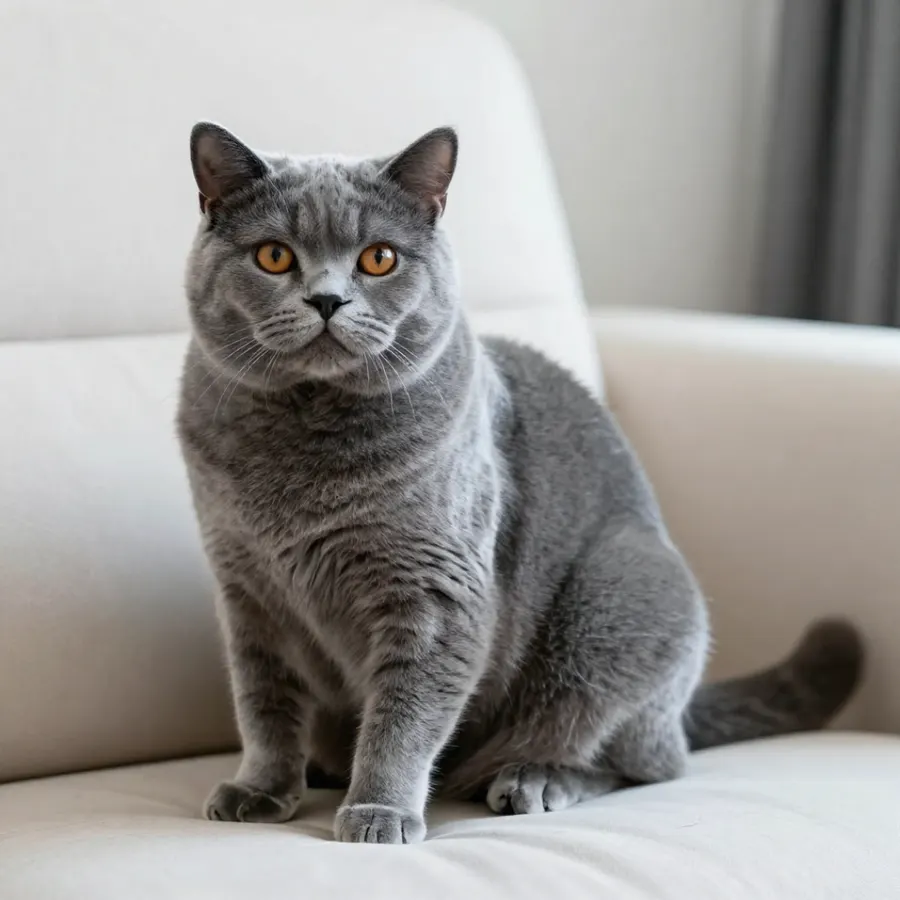
Do British Shorthairs Shed?
Yes — British Shorthairs shed year-round with heavier seasonal moults. How to manage the loose hair, reduce hairballs, and why they aren't hypoallergenic.

How Long Do British Shorthairs Live? Lifespan & Health
How long British Shorthairs typically live, the heart, kidney and weight conditions the breed is prone to, and how to help yours reach a long, healthy old age.
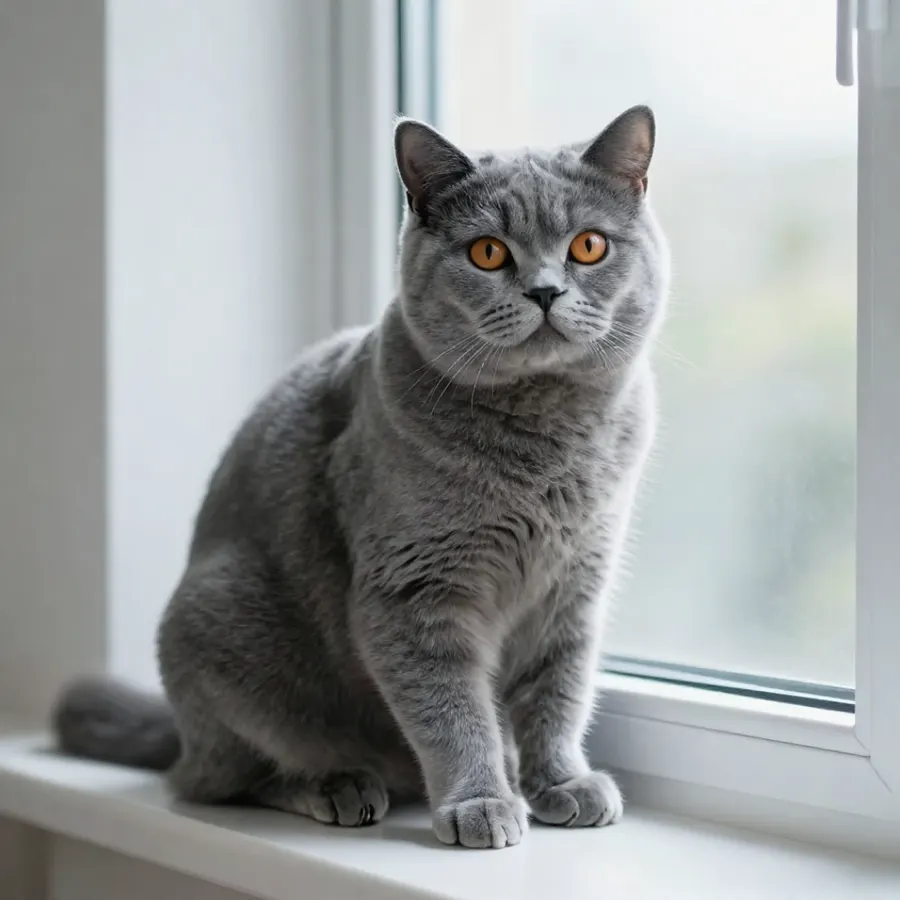
Are British Shorthairs Good Pets? Temperament & Family Fit
The British Shorthair's calm, independent, affectionate-but-not-clingy temperament, how they fit with families and being left, and who the breed really suits.

How Much Does a British Shorthair Cost? Buying & Lifetime Costs
What a British Shorthair kitten costs in the UK, the ongoing lifetime costs, how to find a reputable GCCF breeder, and why insurance matters for the breed.