
Do British Shorthairs Shed?
Yes — British Shorthairs shed year-round with heavier seasonal moults. How to manage the loose hair, reduce hairballs, and why they aren't hypoallergenic.
The quick answer
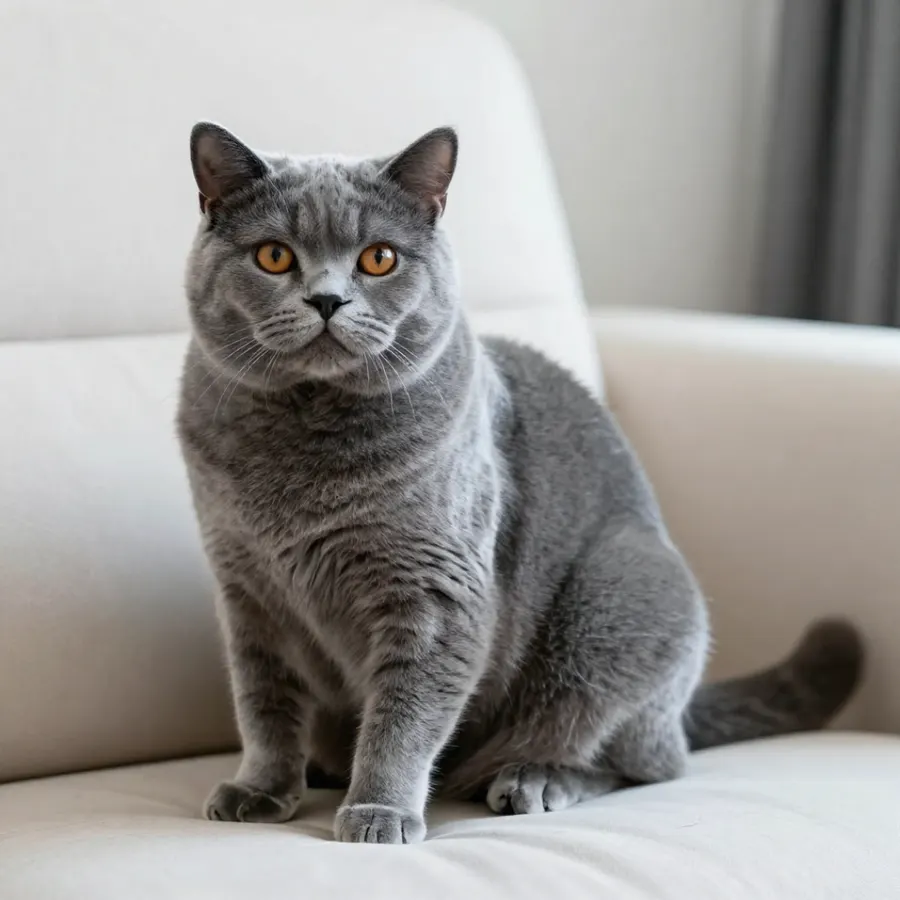
Yes. The British Shorthair has a dense, plush double coat that sheds year-round, with heavier seasonal moults in spring and autumn as the coat changes. They are not a hypoallergenic breed and there is no non-shedding British Shorthair.
If you are considering a British Shorthair and wondering about the hair situation, the honest answer is: yes, they shed, and the dense coat that makes them so lovely to stroke is exactly why. The good news is that with a simple routine, shedding is very manageable. Here is what to expect and how to stay ahead of it.
Do British Shorthairs shed a lot?
Yes. The British Shorthair has a dense, plush double coat — a soft undercoat beneath a crisp outer coat — and that means there is a lot of hair, and a lot of dead hair to shed. British Shorthairs shed steadily all year round, then moult more heavily twice a year, typically in spring and autumn, as the coat adjusts to the changing seasons. During those seasonal moults you will notice considerably more loose hair on furniture, clothes and around the home.
It is worth setting expectations clearly: there is no such thing as a non-shedding British Shorthair. The goal is sensible management, not prevention.
Are British Shorthairs hypoallergenic?
No. The British Shorthair is not a hypoallergenic breed, and no cat truly is. The main allergen that affects people is a protein called Fel d 1, which is produced in cat saliva and skin glands and spread onto the coat when a cat grooms itself — it is not the hair as such that causes most reactions, but what the hair carries. Because British Shorthairs have a dense coat and shed plenty of it, they can spread a good deal of allergen around a home. If someone in your household has a cat allergy, spend time with the breed before committing, and do not rely on any cat being "safe" for allergy sufferers. Frequent brushing, washing hands after handling and keeping bedrooms cat-free can all help reduce exposure, but cannot eliminate it.
Managing the loose hair
The single most effective thing you can do is brush regularly. For most of the year, a weekly brush keeps loose hair under control; during the spring and autumn moults, increase that to two or three times a week. Brushing removes the dead undercoat at source — on the brush rather than on your sofa.
A few practical tips:
- Use a tool suited to a dense double coat: a soft slicker brush, a rubber grooming mitt or a comb. See our grooming brushes for cat-appropriate options.
- Brush in the direction the coat lies, and be gentle — the aim is to lift loose hair without scratching the skin.
- Keep sessions short and rewarding, especially with kittens, so your cat looks forward to them.
- Brush more often during a moult, ideally somewhere easy to clean up afterwards.
Our fuller grooming and care guide covers the complete routine, including nails, teeth and ears.
Shedding and hairballs
Shedding is not only a housekeeping issue — it directly affects your cat's comfort. When a British Shorthair grooms itself, it swallows the loose hair it removes, and a dense, heavily shedding coat means a lot of swallowed hair. That can build up into hairballs, which cats periodically bring back up. The more loose hair you remove with a brush, the less your cat swallows, so regular brushing is the simplest, most effective way to reduce hairballs. If your cat is frequently retching, vomiting repeatedly, off its food, or constipated, do not assume it is "just a hairball" — see your vet, as these signs can point to something more serious.
Diet, weight and coat condition
A healthy coat sheds in a normal, manageable way; a poor coat sheds more and looks dull. Feeding a complete, balanced diet supports good coat condition from the inside. Weight matters too: an overweight British Shorthair — and the breed is very prone to weight gain — often cannot groom itself properly, especially around the back and rear, leading to a matted, unkempt coat and more shedding mess. Keeping your cat lean genuinely helps. Use our pet calorie calculator to get portions right, and read our guide on portion control and feline obesity for more.
When shedding is a warning sign
Normal shedding is even and leaves the coat looking healthy. See your vet if you notice bald patches, broken hairs, excessive scratching, over-grooming, sore or flaky skin, or a sudden change in how much your cat is shedding. These can signal parasites such as fleas, skin allergies, stress, or underlying illness rather than ordinary moulting. A sudden dramatic change in coat quality is always worth a check.
Living happily with a shedding cat
You will never stop a British Shorthair shedding, but you can keep it from taking over your home: brush little and often, step it up during moults, keep a grooming mitt handy, feed well, keep your cat lean, and accept that a lint roller and a good vacuum are part of British Shorthair life. A well-brushed cat sheds far less around the house than a neglected one — so the routine genuinely pays for itself.
*This is general guidance. If your cat's coat or skin changes suddenly, or you see bald patches or persistent scratching, see your vet.*
Sources
- International Cat Care — cat coats, shedding, hairballs and the Fel d 1 allergen (icatcare.org).
- GCCF (Governing Council of the Cat Fancy) — British Shorthair coat characteristics (gccfcats.org).
- PDSA — grooming, hairballs and skin health in cats (pdsa.org.uk).
- Blue Cross — cat allergies and coat care (bluecross.org.uk).
Common questions
Do British Shorthairs shed?
Yes. The British Shorthair has a dense, plush double coat that sheds year-round, with heavier seasonal moults in spring and autumn as the coat changes. They are not a hypoallergenic breed and there is no non-shedding British Shorthair. Weekly brushing — stepping up to two or three times a week during a moult — removes loose hair before it spreads around your home and helps reduce the hairballs that come from a cat swallowing dead coat while self-grooming.
Are British Shorthairs hypoallergenic?
No, and no cat truly is. The main allergen, a protein called Fel d 1, is produced in saliva and skin and spread onto the coat when a cat grooms, so a dense, heavily shedding breed like the British Shorthair can distribute plenty of it around a home. If someone in your household has a cat allergy, spend time with the breed first and don't rely on any cat being safe. Frequent brushing and keeping bedrooms cat-free can reduce exposure but cannot eliminate it.
How do I stop my British Shorthair shedding everywhere?
You cannot stop shedding entirely, but you can control it. Brush weekly for most of the year and two to three times a week during the spring and autumn moults to remove dead undercoat at source. Feed a complete, balanced diet for good coat condition, keep your cat lean so it can groom itself properly, and keep a grooming mitt and lint roller handy. A well-brushed cat sheds far less around the house than a neglected one.
About the author
Matt Garnett — founder, Giddy Pets
Matt started Giddy Pets to make getting pets the good stuff simpler and fairer. Everything in these guides comes from real life with pets and a lot of trial and error — it's practical guidance, not veterinary advice. If a guide gets something wrong, tell him directly.
Free tools & more guides
Read next

British Shorthair Grooming & Care
How to care for the British Shorthair's dense plush coat: weekly brushing, why not to over-bathe, nails, teeth and ears, and feeding for a healthy coat.

How Long Do British Shorthairs Live? Lifespan & Health
How long British Shorthairs typically live, the heart, kidney and weight conditions the breed is prone to, and how to help yours reach a long, healthy old age.
Are British Shorthairs Good Pets? Temperament & Family Fit
The British Shorthair's calm, independent, affectionate-but-not-clingy temperament, how they fit with families and being left, and who the breed really suits.

How Much Does a British Shorthair Cost? Buying & Lifetime Costs
What a British Shorthair kitten costs in the UK, the ongoing lifetime costs, how to find a reputable GCCF breeder, and why insurance matters for the breed.