
Are Bengal Cats Good Pets? Temperament & Home Fit
Whether Bengals make good pets, the homes their high-energy, intelligent temperament suits, the licensing rules for early-generation hybrids, and how to decide if one is right for you.
The quick answer
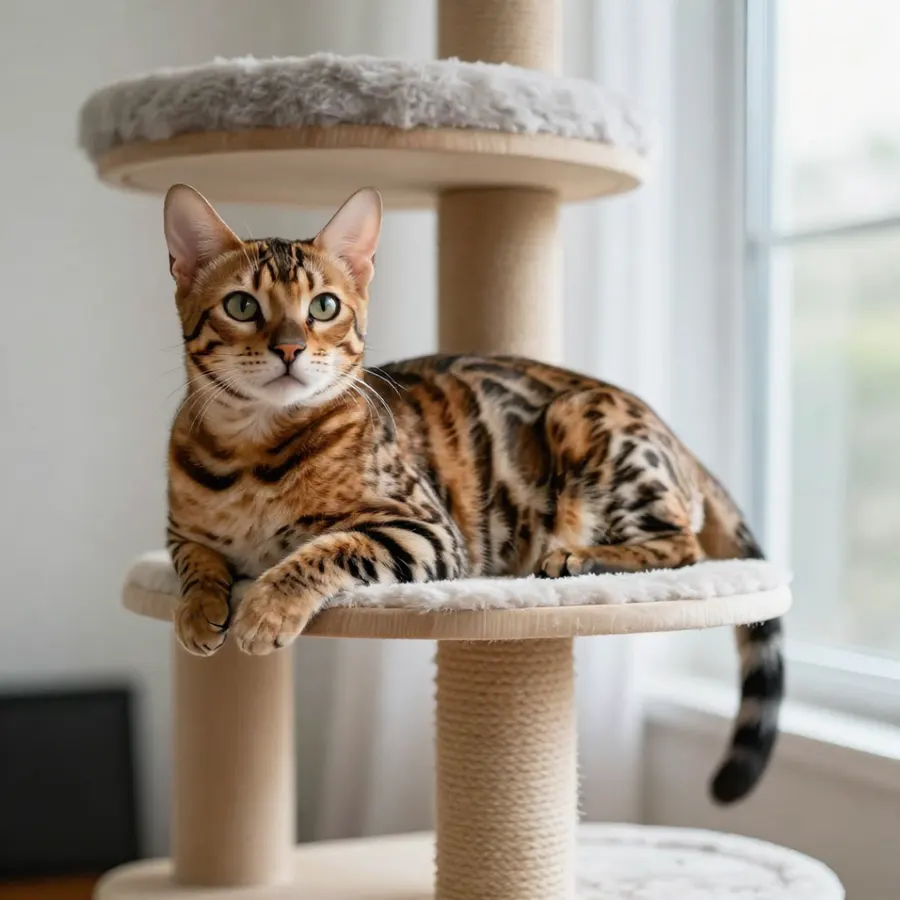
Bengals can be wonderful pets for the right home, but they are not an easy-going lap cat for everyone. They are highly active, intelligent and demanding, needing far more play, climbing and mental stimulation than an average moggy. In a household that can give them daily interaction, vertical space and enrichment, they are affectionate, playful and endlessly entertaining.
Few cats turn heads quite like a Bengal. With their wild, spotted or marbled coats and athletic build, they look like a miniature leopard curled up on the sofa — and that exotic appearance is a big part of their appeal. But looks are only half the story. Bengals are one of the most active, intelligent and demanding domestic cat breeds, and they are emphatically not the right cat for every home. Here is an honest look at whether Bengals make good pets and the households they suit best.
Where Bengals come from
The Bengal was created by crossing domestic cats with the wild Asian leopard cat, and that heritage shapes the breed's character. The early hybrid generations are very close to their wild ancestor, but the cats sold as pets today are typically several generations removed and bred to be friendly, confident companions. Understanding that wild lineage helps explain why Bengals are so athletic, curious and energetic compared with an ordinary moggy.
A quick word on licensing
Before anything else, it is worth knowing the legal position, because it surprises a lot of would-be owners. Most pet Bengals are F5 generation or later — five or more generations removed from the Asian leopard cat — and these are kept as ordinary domestic cats with no licence required. However, early-generation hybrids (F1 to F4) are restricted under the Dangerous Wild Animals Act 1976 and require a licence from your local authority. The vast majority of Bengals advertised for sale are F5 or beyond and perfectly legal to keep as pets, but you should always confirm the generation of any kitten and its legal status before buying. Our health guide and cost and buying guide cover what else to check.
The Bengal temperament
Bengals are best described as active, intelligent, confident and affectionate — but on their own terms. They are not, as a rule, a placid lap cat content to sleep all day. Instead they want to be involved: investigating, climbing, playing and following their people around. Many form strong bonds with their owners and are genuinely interactive, learning tricks, enjoying fetch and even taking an interest in water, which is unusual for a cat. For someone who wants an engaged, lively companion, a Bengal can be enormously rewarding.
The flip side: they are demanding
The same energy that makes Bengals so entertaining is also what makes them hard work. A Bengal that is left alone all day with nothing to do can become bored, frustrated, vocal and destructive. They need a serious outlet for their energy and intelligence — daily interactive play, puzzle feeders, tall climbing structures and plenty of stimulation. This is not a cat you can simply leave to its own devices. Prospective owners should be honest about whether they have the time and energy to keep a clever, high-drive cat satisfied.
Good with children and other pets?
Bengals are sociable and often do well in busy homes. Their playfulness suits older children who can join in games, though their boisterousness means interactions with very young children should be supervised. Many Bengals also get on with other active cats and even dogs, provided introductions are slow, calm and positive. As with any cat, children should be taught to handle them gently and to respect the cat's need for quiet time and a safe retreat.
The homes Bengals suit
- Active, engaged owners who genuinely enjoy interactive play and an involved cat.
- People who are around a fair amount, or can provide company, enrichment and a feline companion.
- Homes with vertical space for climbing — browse our cat trees and scratchers for sturdy options.
- Households happy to invest in enrichment such as puzzle and enrichment toys and interactive cat toys.
- Owners who understand the breed's needs and health, and have checked the generation and licensing position.
They are far less suited to quiet households that are out all day, people wanting a calm, low-interaction cat, or anyone unprepared for the time and stimulation a Bengal demands.
The honest verdict
Bengals make superb pets for the right person: striking, clever, affectionate and full of character. But they are a commitment of time and energy, not just money, and a mismatched home can leave both cat and owner frustrated. If you can offer daily play, climbing, company and enrichment — and you have checked the generation and licensing — a Bengal can be one of the most rewarding cats you will ever live with. For more on what to expect, see our guides on personality and behaviour and lifespan and health.
*This is general guidance. Every cat is an individual, so meet the parents and kittens before choosing, and speak to your vet about your specific situation.*
Sources
- International Cat Care — Bengal breed and behaviour (icatcare.org).
- Governing Council of the Cat Fancy (GCCF) — Bengal breed information (gccfcats.org).
- Blue Cross — choosing a cat and cat behaviour (bluecross.org.uk).
- PDSA — cat care and companionship needs (pdsa.org.uk).
Common questions
Are Bengal cats good pets?
Bengals can be wonderful pets for the right home, but they are not an easy-going lap cat for everyone. They are highly active, intelligent and demanding, needing far more play, climbing and mental stimulation than an average moggy. In a household that can give them daily interaction, vertical space and enrichment, they are affectionate, playful and endlessly entertaining. In a quiet, hands-off home they can become bored and frustrated, so honest reflection on your lifestyle matters before choosing one.
Do I need a licence to own a Bengal cat in the UK?
For most pet Bengals, no. The vast majority sold as pets are F5 generation or later — five or more generations removed from their wild Asian leopard cat ancestor — and these are kept as ordinary domestic cats with no licence required. Early-generation hybrids (F1 to F4) are a different matter: these are restricted under the Dangerous Wild Animals Act 1976 and require a licence from your local authority. Always check the generation of any Bengal before buying and confirm its legal status.
Do Bengal cats get on with children and other pets?
Often very well, given the right approach. Bengals are sociable, playful and confident, and many thrive in busy households and enjoy the company of other active cats or even dogs when introductions are done slowly and calmly. Their energy suits older children who can join in play, though their boisterousness means interactions with very young children should always be supervised. As with any cat, teach children to handle them gently and respect the cat's need for quiet time.
About the author
Matt Garnett — founder, Giddy Pets
Matt started Giddy Pets to make getting pets the good stuff simpler and fairer. Everything in these guides comes from real life with pets and a lot of trial and error — it's practical guidance, not veterinary advice. If a guide gets something wrong, tell him directly.
Free tools & more guides
Read next
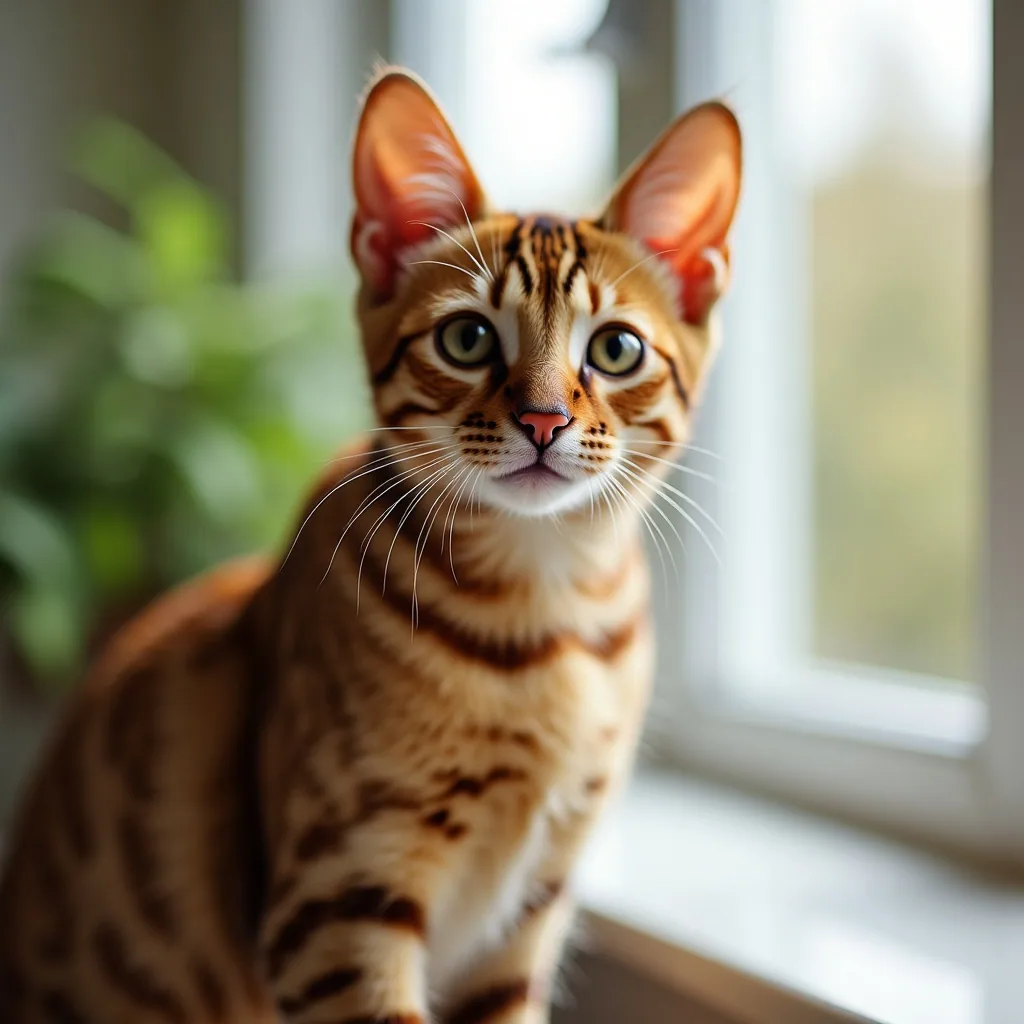
Bengal Cat Personality & Behaviour (Energy & Enrichment)
What Bengals are really like to live with — their high energy, intelligence and love of climbing and water, plus practical enrichment to keep this demanding breed happy.
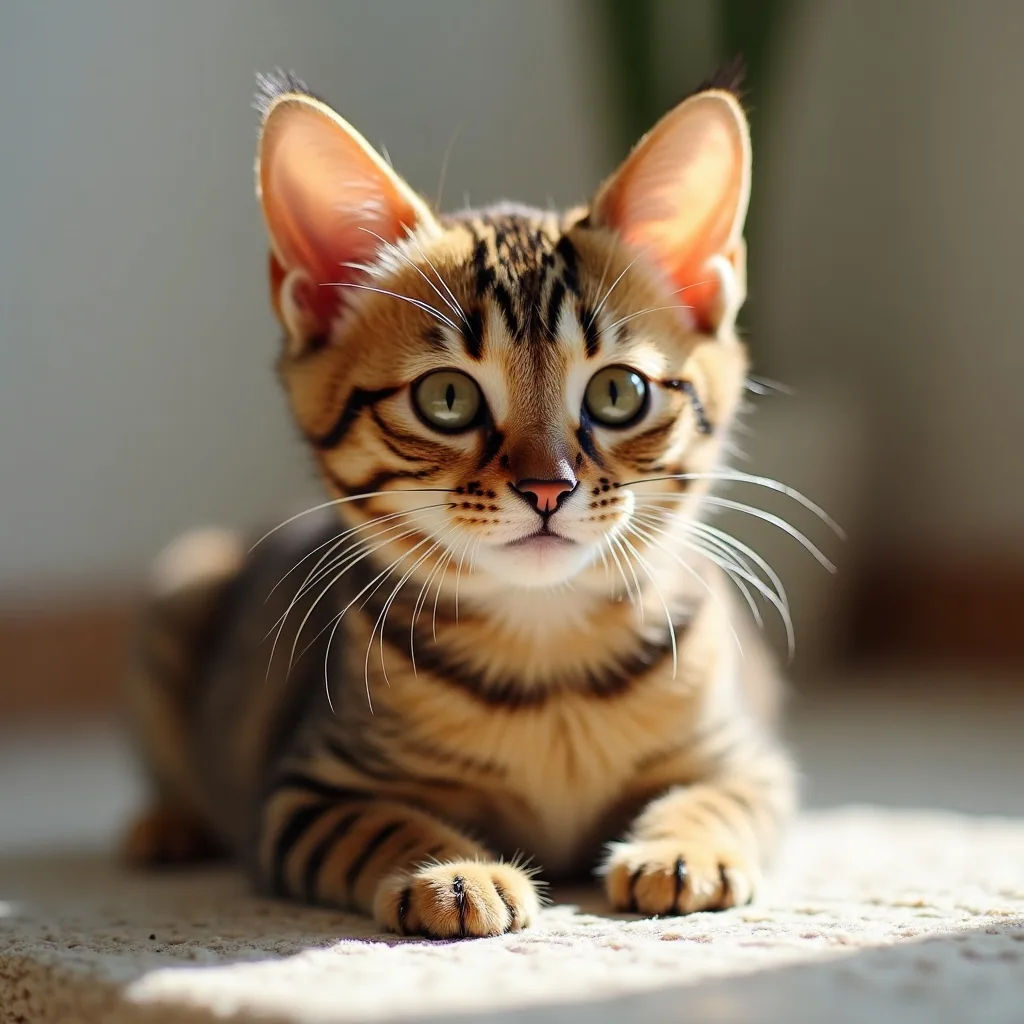
How Much Does a Bengal Cat Cost? Buying & Lifetime Costs
What a Bengal really costs — the purchase price of a health-tested kitten, the lifetime running costs, the licensing point on early-generation hybrids, and why insurance matters.

How Long Do Bengal Cats Live? Lifespan & Health
How long Bengals live, the inherited heart, eye and other conditions the breed can carry, and the practical steps that help yours reach a healthy old age.
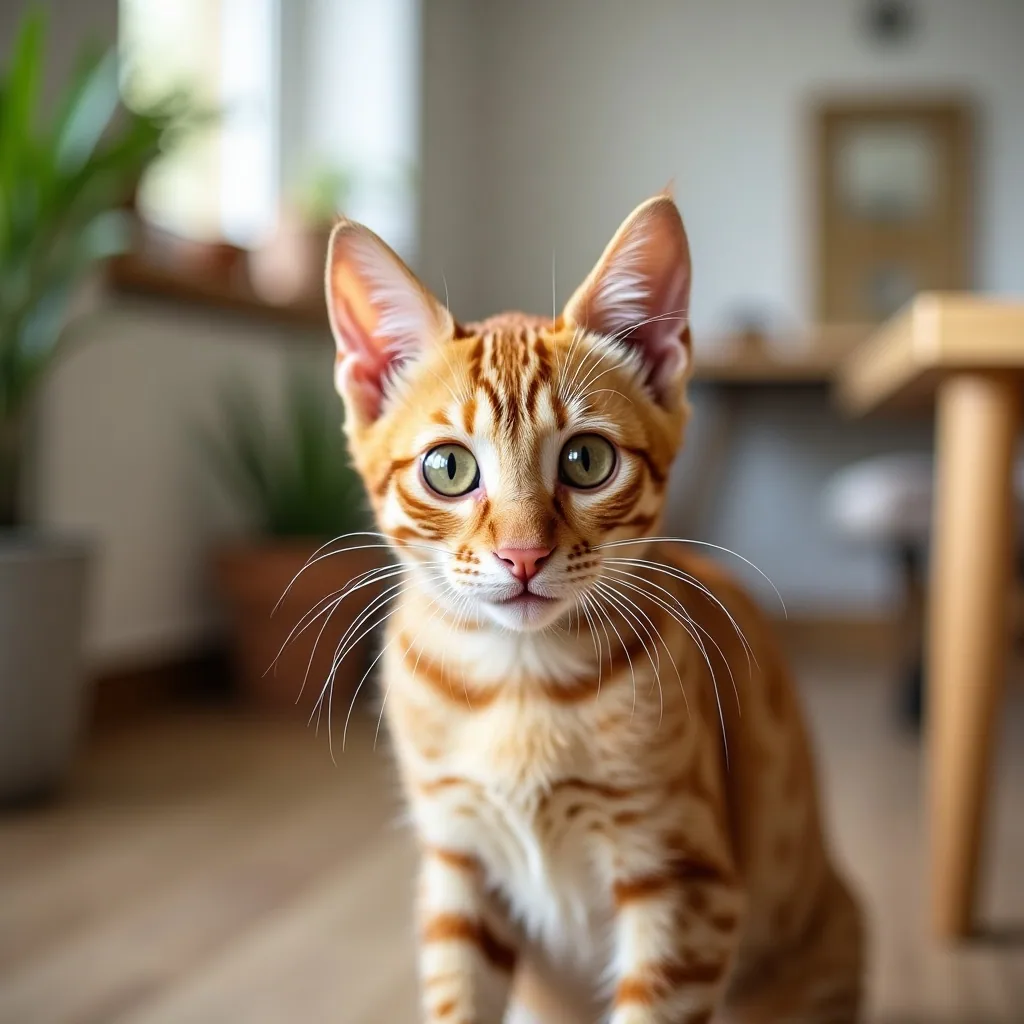
Bengal Cat Health Problems: An Honest Guide
An honest look at the health conditions Bengals can carry — HCM, progressive retinal atrophy (PRA-b), pyruvate kinase deficiency (PK-def) and patellar luxation — and the DNA tests and screening that reduce the risks.