
How Much Does a Bengal Cat Cost? Buying & Lifetime Costs
What a Bengal really costs — the purchase price of a health-tested kitten, the lifetime running costs, the licensing point on early-generation hybrids, and why insurance matters.
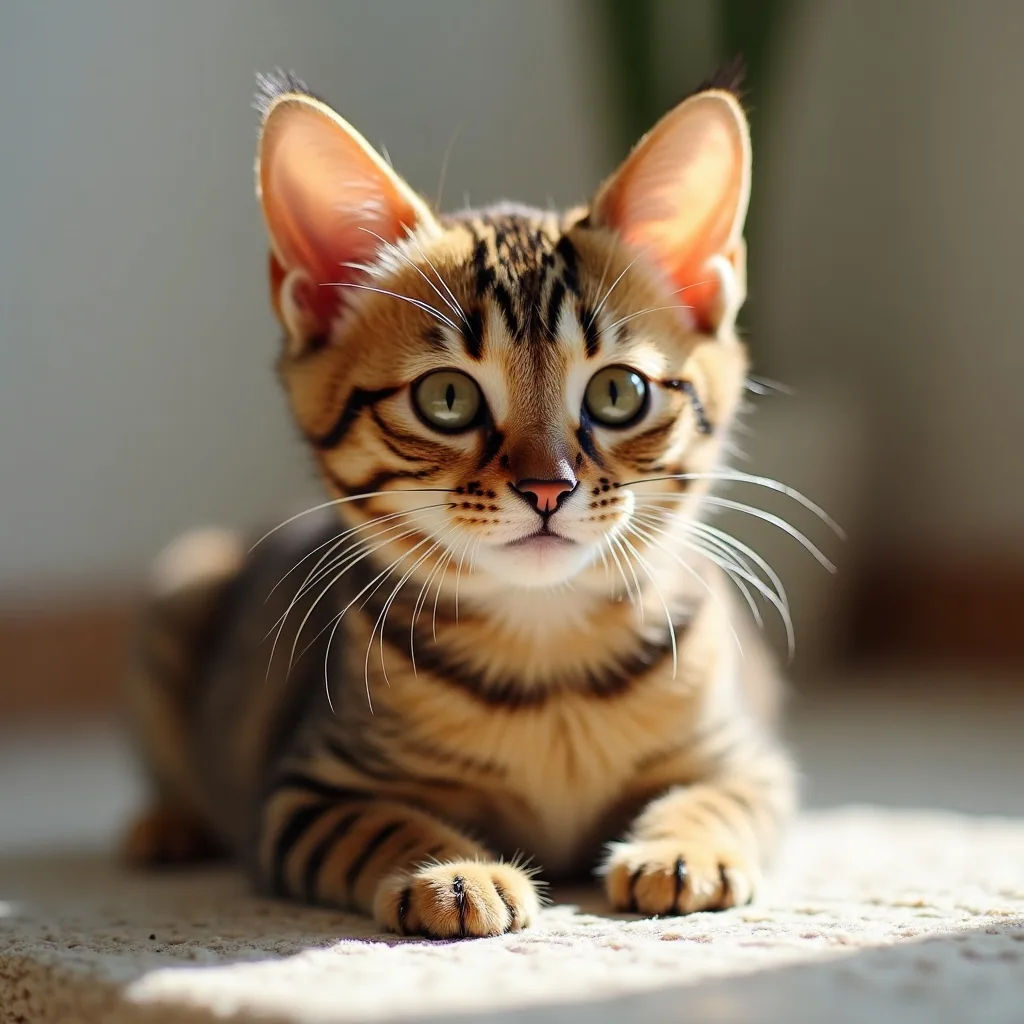
The quick answer
A well-bred, health-tested Bengal kitten from a registered GCCF breeder in the UK usually costs from several hundred to over a thousand pounds, depending on lines, markings and whether it is pet or show quality. The bigger figure is the lifetime cost: across 12–16 years, food, insurance, litter, enrichment, vaccinations and vet care add up to a meaningful monthly commitment.
Bengals are one of the most sought-after pedigree cats in the UK, and that popularity comes with a price tag — both up front and across the cat's lifetime. Before you fall for those leopard-spotted coats, it pays to understand the full cost of ownership and a couple of buying pitfalls unique to the breed. Here is an honest breakdown of what a Bengal costs to buy and to keep.
How much does a Bengal kitten cost?
The purchase price of a Bengal varies widely depending on the breeder, the cat's lines and markings, and whether it is sold as a pet or for showing and breeding. As a general guide, a well-bred, health-tested kitten from a registered GCCF breeder in the UK typically costs from several hundred pounds up to over a thousand pounds, with show- or breeding-quality kittens at the higher end. Kittens advertised very cheaply should be approached with caution: a suspiciously low price often means no health testing, poor early care, or worse. Equally, a high price is not a guarantee of quality — what matters is the evidence of DNA testing and responsible rearing behind it, not the figure alone.
Check the generation and licensing first
There is one buying check unique to Bengals. Most pet Bengals are F5 generation or later and need no licence. But early-generation hybrids (F1 to F4) are restricted under the Dangerous Wild Animals Act 1976 and require a licence from your local authority. Reputable breeders sell well-socialised, later-generation pet kittens, but you should always confirm the generation of any kitten and its legal status before parting with money. If a seller is vague about the generation, treat it as a warning sign.
Why a reputable, health-tested breeder is worth it
Bengals can carry several inherited conditions, so where you buy matters enormously. A responsible breeder will:
- Register litters with the GCCF and rear kittens in the home.
- DNA-test breeding cats for progressive retinal atrophy (PRA-b) and pyruvate kinase deficiency (PK-def), and heart-scan for hypertrophic cardiomyopathy (HCM).
- Be clear about the kitten's generation and legal status.
- Let you meet the mother and see the kittens with her.
- Provide vaccination, microchipping and worming records, and be happy to answer questions and stay in touch.
Paying more for a properly tested kitten can save heartache and significant vet bills later. Our health problems guide explains the conditions to ask about in more detail.
The bigger cost: keeping a Bengal
The purchase price is only the beginning. Across a 12–16 year life, the running costs dwarf the initial outlay.
- Food. A good-quality, complete diet is one of your larger ongoing bills. Our cat portion control guide helps you feed the right amount without overfeeding.
- Insurance. Given the breed's inherited risks, lifelong cover is especially worthwhile (more below).
- Veterinary care. Vaccinations, parasite control, dental care, neutering and routine check-ups, plus any treatment for illness.
- Enrichment. This is a high-energy breed, so budget for sturdy cat trees and scratchers and puzzle and enrichment toys to keep them stimulated — it is genuinely part of the cost of a happy Bengal.
- Litter, trays, beds and toys, plus replacement toys for an enthusiastic player.
- Boarding or cat-sitting when you are away.
It is sensible to budget a meaningful monthly figure for food, insurance and sundries, with an additional buffer for veterinary costs.
Why insurance matters for this breed
For a breed that can carry inherited heart, eye and blood conditions, pet insurance is genuinely valuable. HCM and other conditions can mean ongoing investigations, medication and monitoring, and the bills add up quickly. A lifetime policy taken out while your cat is young and healthy — before any condition is diagnosed and excluded as pre-existing — gives the broadest protection. You can get a rough idea of cover and budget with our pet insurance estimator, and read the pet insurance guide for what to look for in a policy.
Avoiding scams and bad breeders
The breed's popularity attracts unscrupulous sellers. Be wary of kittens offered with no health testing, sellers who are vague about generation or will not let you visit or meet the mother, pressure to pay deposits quickly, or prices that seem too good to be true. Take your time, ask for proof of registration, DNA tests and generation, and walk away if anything feels off. A good breeder will be as keen to vet you as you are to vet them.
The honest bottom line
A Bengal is a significant commitment of both money and time: a meaningful purchase price for a properly bred, health-tested kitten, and substantial lifetime costs — including real spending on enrichment for this demanding breed. Budget realistically, insure early, check the generation and licensing, and buy from a reputable GCCF breeder, and you give yourself the best chance of years of happy ownership. For more, see our guides on temperament and lifespan and health.
*This is general guidance. Costs vary by region, breeder and individual cat, and insurance terms differ between providers.*
Sources
- Governing Council of the Cat Fancy (GCCF) — buying a pedigree kitten and finding registered breeders (gccfcats.org).
- International Cat Care — Bengal health testing (icatcare.org).
- PDSA — cost of owning a cat (pdsa.org.uk).
- Blue Cross — buying a kitten and avoiding scams (bluecross.org.uk).
Common questions
How much does a Bengal cat cost?
A well-bred, health-tested Bengal kitten from a registered GCCF breeder in the UK usually costs from several hundred to over a thousand pounds, depending on lines, markings and whether it is pet or show quality. The bigger figure is the lifetime cost: across 12–16 years, food, insurance, litter, enrichment, vaccinations and vet care add up to a meaningful monthly commitment. Insurance is well worth it for a breed that can carry inherited heart and eye conditions.
Why is insurance so important for a Bengal?
Bengals can carry inherited conditions including hypertrophic cardiomyopathy (HCM), progressive retinal atrophy (PRA-b) and pyruvate kinase deficiency (PK-def), some of which may need ongoing investigation, medication or monitoring that becomes expensive. A lifetime policy taken out while your cat is young and healthy gives the broadest cover, before any condition can be excluded as pre-existing. For a breed with these risks, good insurance can make serious illness far more affordable to manage.
How do I find a reputable Bengal breeder?
Look for a breeder who registers litters with the GCCF, rears kittens in the home, and DNA-tests breeding cats for PRA-b and PK-def as well as heart-scanning for HCM. They should be clear about the kitten's generation and legal status, let you meet the mother and kittens, provide vaccination and microchipping records, and be happy to answer questions. Avoid suspiciously cheap kittens, sellers vague about generation, those who will not let you visit, and any pressure to pay deposits quickly.
About the author
Matt Garnett — founder, Giddy Pets
Matt started Giddy Pets to make getting pets the good stuff simpler and fairer. Everything in these guides comes from real life with pets and a lot of trial and error — it's practical guidance, not veterinary advice. If a guide gets something wrong, tell him directly.
Free tools & more guides
Read next

How Long Do Bengal Cats Live? Lifespan & Health
How long Bengals live, the inherited heart, eye and other conditions the breed can carry, and the practical steps that help yours reach a healthy old age.
Are Bengal Cats Good Pets? Temperament & Home Fit
Whether Bengals make good pets, the homes their high-energy, intelligent temperament suits, the licensing rules for early-generation hybrids, and how to decide if one is right for you.
Bengal Cat Health Problems: An Honest Guide
An honest look at the health conditions Bengals can carry — HCM, progressive retinal atrophy (PRA-b), pyruvate kinase deficiency (PK-def) and patellar luxation — and the DNA tests and screening that reduce the risks.
Bengal Cat Personality & Behaviour (Energy & Enrichment)
What Bengals are really like to live with — their high energy, intelligence and love of climbing and water, plus practical enrichment to keep this demanding breed happy.