



Sleepiest dog breeds: which dogs sleep the most
Why some dogs nap most of the day, the breeds and types known for sleeping the most, and when extra sleepiness needs a vet check
The quick answer
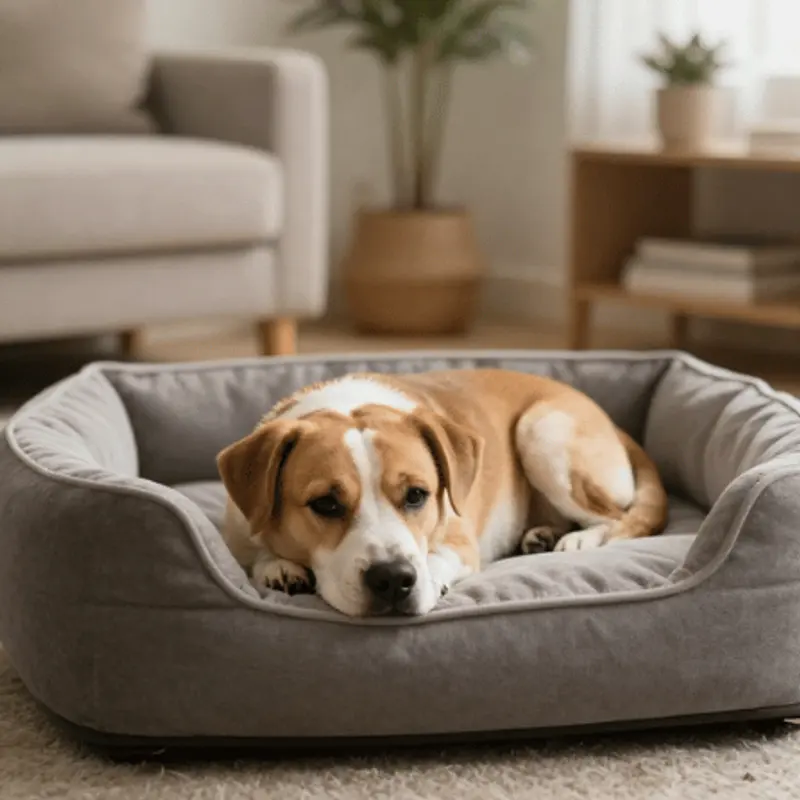
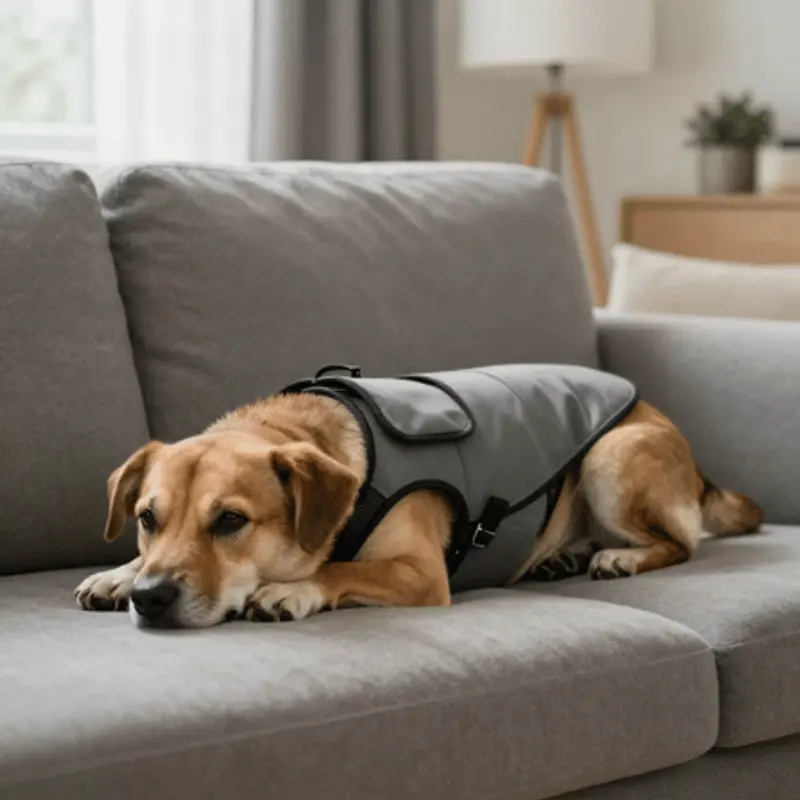
Most adult dogs need somewhere between 14 and 16 hours of sleep, or more, in a 24-hour period, according to the PDSA. Puppies, older dogs, and dogs recovering from illness or injury tend to need the most sleep of all.
If your dog seems to spend most of the day dozing, you're not imagining it, and you're very unlikely to have a lazy dog on your hands. Sleep is a normal, essential part of a dog's day, and some breeds are built to need more of it than others. Understanding why helps you tell the difference between a contentedly sleepy dog and one whose rest patterns are quietly telling you something is wrong.
This guide looks at how much sleep is normal for a dog, which breeds and types are known for needing the most of it, and the age, size and health factors that explain why. It also covers when extra sleepiness is nothing to worry about, and when it's worth a trip to the vet.
How much sleep is normal for a dog
According to the PDSA, most dogs need somewhere between 14 and 16 hours of sleep, or more, in a 24-hour period, though there's plenty of individual variation between dogs. That's considerably more than the average adult human, and it can come as a surprise to new owners who assume a healthy dog should be up and about for most of daylight hours.
The PDSA also notes that puppies, older dogs, and dogs that are unwell or recovering from injury or illness are likely to need the most sleep of all. Sleep isn't wasted time for a dog: it's when the body repairs itself, the brain consolidates learning, and the immune system does much of its work.
Importantly, sleep quality and quantity are linked to behaviour. The PDSA's own Animal Wellbeing (PAW) Report research found that dogs getting fewer than ten hours of sleep a day may be more likely to show confrontational behaviours such as growling, snapping or biting. A tired, under-slept dog is not a calm dog, in other words, so those long naps you might feel guilty about interrupting are doing real work.
Environment matters too. A busy household, with lots of noise, disruption or an inability to switch off, can chip away at a dog's ability to get proper rest, even if they're technically asleep for long stretches. Giving a dog a quiet, undisturbed space to sleep, alongside a good mix of physical exercise and mental stimulation during the day, supports better rest at night.
The sleepiest dog breeds and types
There's no single definitive league table of which breed sleeps the most, and how much any individual dog sleeps will always depend on their age, health and daily routine as well as their breed. That said, certain groups of dogs are consistently associated with spending an unusually large part of the day resting, for reasons rooted in their body shape, their working history, or both.
Sighthounds: greyhounds and their relatives
Greyhounds have a reputation, backed up by rescue charities who rehome thousands of them every year, as being surprisingly restful pets. Battersea Dogs & Cats Home describes greyhounds as playful, loving and loyal dogs that don't need much exercise: short daily walks are usually enough to keep one happy and fit. Between walks, Battersea notes, greyhounds simply love sleeping, and will happily doze for hours with only the occasional break for food, sometimes punctuated by short bursts of "zoomies" before flopping back down, often flat on their back with legs in the air.
The logic makes sense once you know their history. Greyhounds and other sighthounds were bred to sprint, not to jog for miles. Their bodies are built for very short, very intense bursts of speed, and once that burst is over, resting is exactly what their physiology calls for. This is why a retired racing greyhound so often makes a famously chilled-out companion, despite looking like an athlete.
Giant breeds
Very large dogs such as the Great Dane are frequently reported by owners to spend long stretches of the day settled rather than active. The Kennel Club's breed standard describes the Great Dane's temperament as kindly, friendly and outgoing, with a "look of dash and daring" when they are up and moving, but in practice a dog carrying that much bone and muscle simply expends more energy getting up, walking and lying back down than a smaller dog does. Giant breeds tend to pace themselves accordingly, favouring shorter bursts of activity between longer periods of rest, and many owners of Great Danes, Mastiffs, St Bernards and similar breeds describe them as surprisingly happy to spend an afternoon simply lying across the sofa or floor.
Brachycephalic (flat-faced) breeds
Flat-faced breeds, including English and French Bulldogs, Pugs and similar types, are often described as sleepy, but the picture here is more complicated, and worth taking seriously. The RSPCA explains that brachycephalic dogs have the same amount of soft tissue in their airway as other dogs, just compressed into a much shorter skull, which restricts breathing. This can cause Brachycephalic Obstructive Airway Syndrome (BOAS), and affected dogs are also up to 16 times more likely to suffer from heat-related illness, because they cannot pant efficiently to cool themselves down.
The Kennel Club identifies breeds with extreme brachycephaly, such as Pugs and French Bulldogs, as being at the highest risk, with moderately brachycephalic breeds including Boxers and Staffordshire Bull Terriers also affected to a lesser degree. Alongside breathing problems, the Kennel Club lists eye problems, skin problems, spinal problems and birthing difficulties as the main health issues linked to this body shape.
This matters for the sleep conversation because, as the RSPCA notes, common signs of breathing difficulty in these breeds include noisy breathing, disrupted sleep, and dogs choosing to sleep or lie with their head raised, or even sitting upright, because it's easier to breathe that way. So while a flat-faced dog may well doze a great deal, some of what looks like restful sleepiness can actually be a dog struggling to get comfortable enough to breathe properly. This is one of the clearest examples in this whole topic of why "sleepy breed" and "healthy dog" aren't automatically the same thing, and it's a key reason vets encourage anyone considering one of these breeds to research the health implications first.
Scent hounds
Breeds like the Basset Hound have a reputation as unhurried, low-key dogs, and the Kennel Club's breed standard supports part of that image, describing the Basset Hound's temperament as "placid, never aggressive or timid" and affectionate. But the same standard is careful to add that the breed is "strong, active and capable of great endurance in the field" and must remain "fit for purpose" as a working scent hound. In other words, a Basset Hound's calm, unhurried manner around the house doesn't mean it's a couch potato with no stamina; it reflects a breed built for a slow, methodical, nose-down pace of work, followed by proper rest, rather than short sprints or constant activity.
Puppies and sleep
Very young dogs sleep a lot, and this is entirely normal. The PDSA specifically identifies puppies, alongside older dogs and those recovering from illness or injury, as needing the most sleep of all. Puppies are growing rapidly, learning constantly, and their bodies and brains need plenty of downtime to process all of that. If your new puppy seems to nap constantly between short bursts of play, mealtimes and toilet breaks, this is exactly what should be happening, and the sensible approach for owners is to let a sleeping puppy sleep, rather than waking them for attention, and to let them wake up in their own time.
This matters practically as well as physically. An overtired puppy, much like an overtired toddler, often becomes more prone to nipping, over-excitement and difficult behaviour, rather than less. Building nap time into a puppy's daily routine, and resisting the urge to keep waking them up for cuddles or play, supports both their development and their manners.
Senior dogs and sleep
At the other end of life, older dogs also tend to sleep more, and this is generally a normal part of ageing rather than a cause for alarm on its own. VCA Animal Hospitals notes that sleep requirements increase with age, and it's common for a senior dog to take a long nap, get up briefly to potter around or greet the family, then settle straight back down again.
Where it's worth paying closer attention is with sudden or dramatic change. VCA points out that it is not normal for an otherwise active senior dog to suddenly start sleeping constantly, and changes such as a reversed day-night schedule, restlessness at night, or real difficulty settling or staying asleep can be signs of an underlying condition rather than simple ageing. A gradual, modest increase in sleep over months, with no other changes in behaviour, appetite or mobility, is far more likely to be normal ageing than illness. If you're trying to get a sense of where your dog sits in terms of life stage, our Dog Age Calculator can help put their sleep patterns into context alongside their actual age in "dog years."
What else affects how much your dog sleeps
Breed and age are only part of the picture. A dog's individual sleep needs also depend on:
- Activity levels that day. A dog that has had a genuinely tiring walk, training session or play date will naturally sleep more soundly and possibly for longer than one who has had a quiet day indoors.
- Mental stimulation. Boredom and understimulation don't necessarily produce more sleep; they can just as easily produce restlessness, destructive behaviour or attention-seeking. A good mix of physical and mental exercise, such as scent games, puzzle feeders or a proper walk planned around your dog's needs (our Dog Walking Calculator can help work out how much they actually need), supports better quality rest.
- Health and weight. Illness, pain, or being significantly over or underweight can all disrupt normal sleep patterns, sometimes increasing sleep and sometimes fragmenting it.
- Home environment. Noise, disruption, an uncomfortable bed, or a sleeping spot that's too hot, cold or exposed can all reduce sleep quality even if a dog is technically resting for long periods.
Common mistakes owners make
A few misunderstandings around dog sleep come up again and again:
- Assuming a sleepy dog is simply lazy. As covered above, breeds like Greyhounds and Basset Hounds are often calm and restful at home precisely because of how their bodies are built to work, not because they lack drive or stamina.
- Missing breathing-related sleep problems in flat-faced breeds. Because brachycephalic dogs are widely expected to be "sleepy" and snorty, owners can miss the signs that a dog is genuinely struggling to breathe comfortably, such as noisy breathing, choosing to sleep sitting up, or frequent waking.
- Waking puppies or napping dogs unnecessarily. It's tempting to scoop up a sleeping puppy for a cuddle, but interrupted sleep can contribute to overtiredness and crankiness, in dogs just as in small children.
- Not researching a breed's real exercise needs before choosing it. A dog that sleeps a lot at home may still need brief but proper daily activity to stay healthy; "sleepy" doesn't automatically mean "low maintenance" in every respect. Anyone weighing up whether a particular breed, sleepy or otherwise, will fit their lifestyle may find our Pet Ownership Quiz a useful starting point before bringing a dog home.
When to see your vet
Occasional extra sleep after a busy day, or a gradual, gentle increase in sleep as a dog gets older, is rarely anything to worry about. Book a vet appointment if you notice:
- A sudden, marked increase in how much your dog sleeps, especially in an adult dog with no obvious change in routine.
- Sleep that seems restless, disturbed, or interrupted by discomfort, rather than settled and peaceful.
- Your dog sleeping with their head unusually raised, sitting upright to sleep, or showing noisy or laboured breathing, particularly in flat-faced breeds.
- Reduced appetite, reluctance to move, stiffness, or any other change alongside the change in sleep.
- A senior dog whose day-night pattern seems to have reversed, with more restlessness at night and more sleep during the day than before.
Any of these can point to pain, an underlying illness, or in older dogs sometimes cognitive changes, and are worth having checked out rather than put down to "just getting sleepier."
*This is general guidance, not a substitute for advice from your vet, who can assess your individual pet.*
Sources
- PDSA — advice on dog sleep, normal sleep duration and the PAW Report findings on sleep and behaviour (pdsa.org.uk).
- RSPCA — caring for brachycephalic dogs, BOAS and heat-related risks (rspca.org.uk).
- The Kennel Club — brachycephalic health issues, affected breeds and welfare advice (royalkennelclub.com).
- The Kennel Club — Basset Hound breed standard, temperament and working character (royalkennelclub.com).
- The Kennel Club — Great Dane breed standard and temperament (royalkennelclub.com).
- VCA Animal Hospitals — senior dog care, sleep changes and when to see a vet (vcahospitals.com).
- Battersea Dogs & Cats Home — greyhound temperament, exercise needs and sleep habits (battersea.org.uk).
Common questions
How many hours a day do dogs sleep on average?
Most adult dogs need somewhere between 14 and 16 hours of sleep, or more, in a 24-hour period, according to the PDSA. Puppies, older dogs, and dogs recovering from illness or injury tend to need the most sleep of all.
Are greyhounds really that lazy?
Not lazy, just built differently. Greyhounds are sprinters rather than endurance runners, so short daily walks are usually enough to keep them fit, and rescue charities like Battersea describe them as happy to nap for hours between bursts of activity.
Why do flat-faced breeds like bulldogs and pugs seem so sleepy?
Some of this is genuine restfulness, but brachycephalic (flat-faced) breeds can also struggle to breathe efficiently, which disrupts normal sleep. If your dog sleeps with their head raised, sits up to sleep, or breathes noisily, speak to your vet rather than assuming it's just their personality.
Is it normal for my senior dog to sleep more than they used to?
A gradual increase in sleep is a normal part of ageing. What's worth a vet visit is a sudden or dramatic change, disturbed or restless sleep, or a reversed day-night pattern, as these can point to an underlying health condition rather than simple ageing.
Should I wake my dog up if they're sleeping a lot during the day?
Generally no. Interrupting a dog's sleep, whether a puppy or an adult, can contribute to overtiredness and crankiness. If you're concerned about how much they're sleeping, track the pattern over a week or two and mention it to your vet rather than repeatedly waking them.
About the author
Matt Garnett — founder, Giddy Pets
Matt started Giddy Pets to make getting pets the good stuff simpler and fairer. Everything in these guides comes from real life with pets and a lot of trial and error — it's practical guidance, not veterinary advice. If a guide gets something wrong, tell him directly.
Advice & planning
Free tools & more guides
Practical calculators and trusted guides relevant to this product.
Read next
Most trainable dog breeds
Which dog breeds are known for being easiest to train, why that is, and what actually makes training succeed once you bring one home
Vulnerable native dog breeds in the UK
Which British and Irish dog breeds are disappearing due to falling registrations, and why they deserve a second look
Cockapoo vs Labradoodle: Which Is Right for You?