
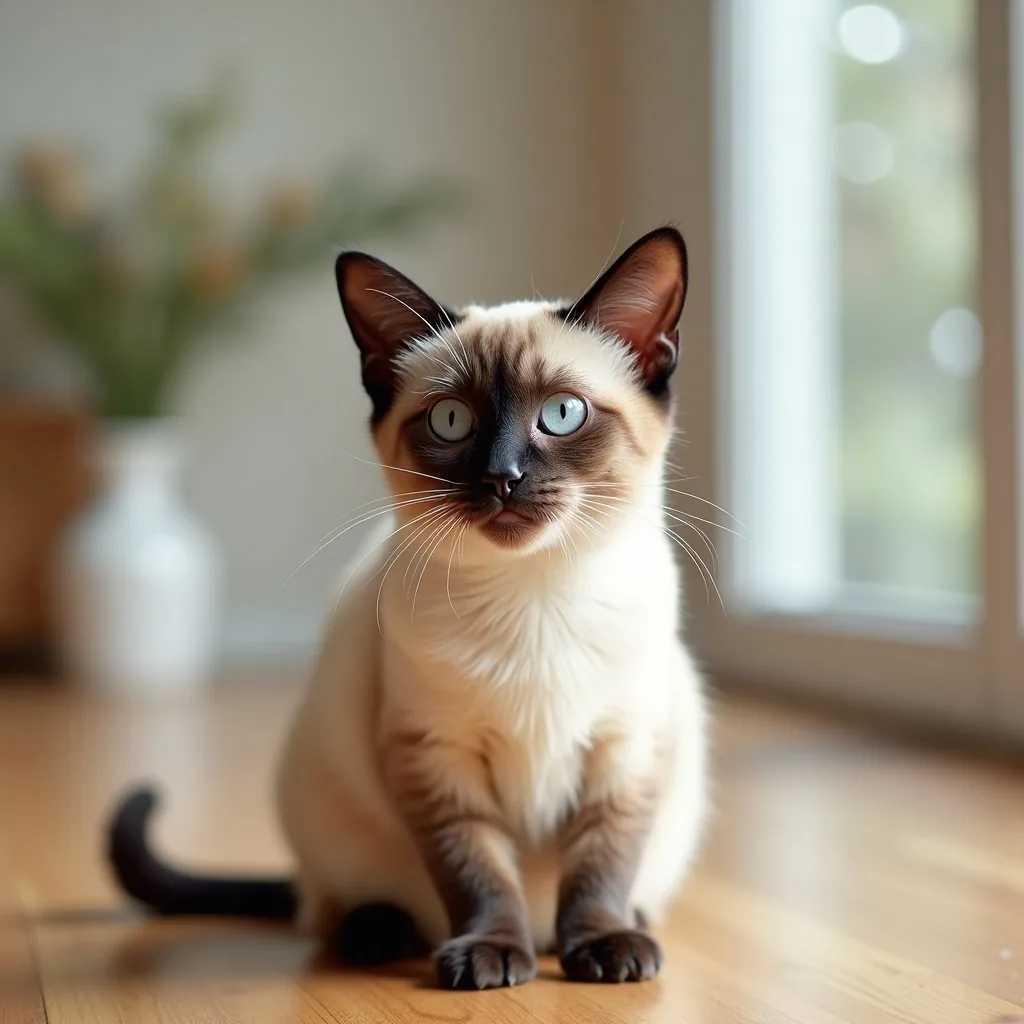
Siamese Cat Personality & Behaviour (Why They're So Vocal)
Inside the Siamese personality — why they are so vocal, so attached to their people, so playful and intelligent, and how to keep this demanding breed happy.
The quick answer
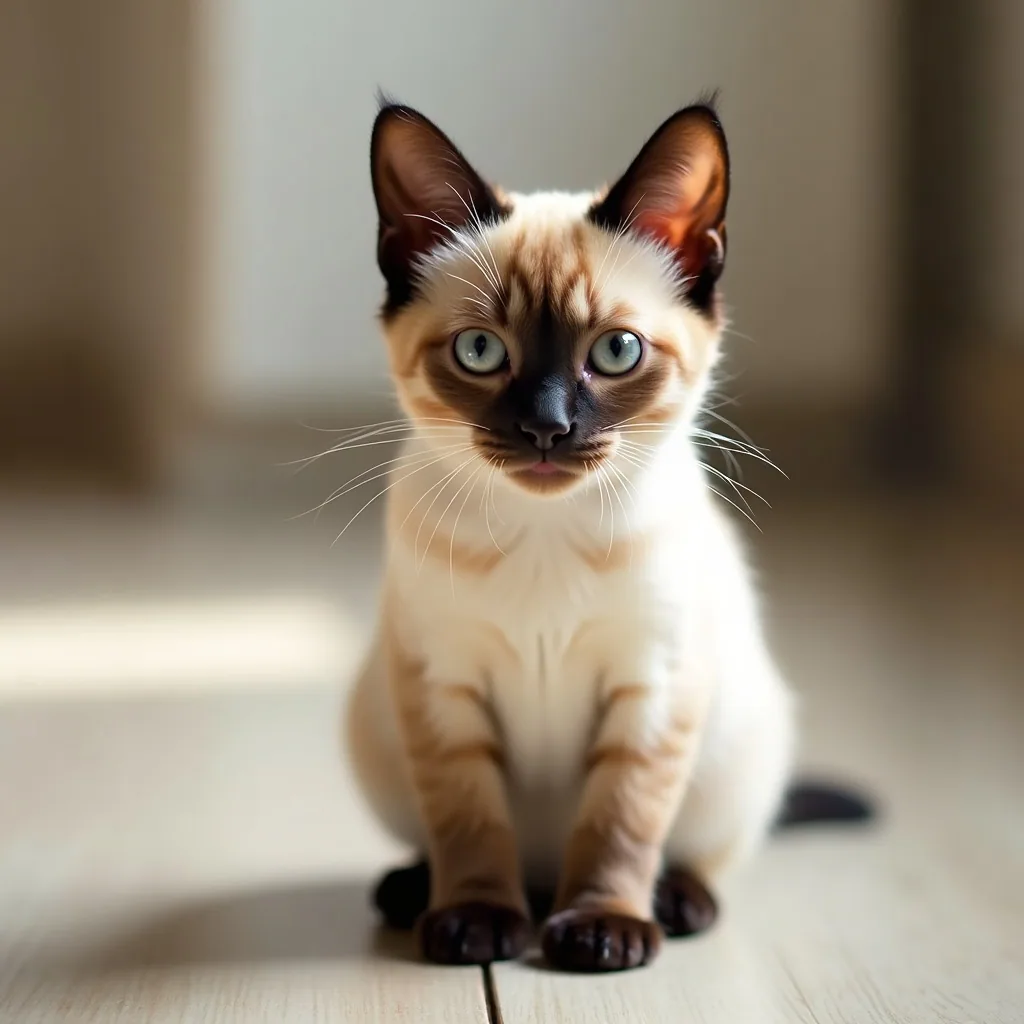
Vocal communication is simply part of the Siamese character. The breed is well known for being talkative, with a loud, low-pitched, almost insistent voice that owners often describe as demanding to be answered. They use it to greet you, ask for food or attention, and generally hold a running conversation.
Ask anyone who has lived with a Siamese and they will tell you it is a cat with an enormous personality. Slim and elegant on the outside, the Siamese is bold, clever, affectionate and famously talkative on the inside. Understanding how this breed thinks and communicates is the key to a happy life together. Here is an honest look at the Siamese personality and behaviour — including the big question of why they are quite so vocal.
Why are Siamese cats so vocal?
The Siamese is one of the most talkative of all cat breeds, and their voice is distinctive: loud, low-pitched and insistent, often described as demanding to be answered. They use it constantly — to greet you at the door, ask for food, request attention, complain about a closed door, or simply keep up a running commentary on the day. This is not a fault or a sign of distress; it is how the breed communicates, and it reflects just how sociable and people-focused Siamese are. Many owners come to love the back-and-forth and learn their cat's particular vocabulary of meows, yowls and chirrups. That said, it is genuinely loud and frequent, so anyone considering the breed should be sure they will enjoy, or at least tolerate, a chatty cat. Importantly, while everyday vocalisation is normal, a sudden change — much more or much less than usual, or a distressed cry — can signal pain, stress or illness and is worth a vet check.
Intensely attached to their people
Siamese form exceptionally close bonds with their families, often attaching strongly to one favourite person. They want to be near you, on you, or involved in whatever you are doing, and they greet your return with obvious delight. This devotion is one of the breed's most rewarding qualities, but it has a downside: Siamese genuinely struggle to be left alone for long periods. A Siamese without enough company and stimulation can become bored, stressed, over-vocal or frustrated. Providing company — whether that is your time, a compatible second cat, or both — is central to keeping the breed content. For more on whether your lifestyle suits one, see our guide on whether Siamese make good pets.
Clever, curious and almost dog-like
Siamese are highly intelligent and curious, and this shows in their behaviour. Many learn to walk on a harness, play fetch, come when called and solve simple problems — opening doors, drawers or cupboards if there is something they want inside. Their cleverness makes them brilliant company but also means they need an outlet. A Siamese that is not mentally stimulated will invent its own games, which can include knocking things off shelves, climbing where it should not, or finding mischief. Puzzle feeders, training games and interactive toys channel that intelligence productively — explore our puzzle and enrichment range.
Playful and energetic
This is an active, playful breed that stays kitten-like well into adulthood. They love chasing, pouncing, climbing and interactive play, and they appreciate vertical space and things to investigate. Daily play sessions are not optional extras for a Siamese; they are part of meeting the breed's needs. A good selection of cat toys and a sturdy cat tree or scratcher to climb and survey their territory help burn energy and prevent boredom-driven behaviour.
Sociable with people and pets
The Siamese's outgoing nature usually extends to other animals and to visitors. Many get on well with other cats and dogs once introductions are made calmly and gradually, and a compatible companion cat can be a real benefit for such a sociable breed, especially in homes where people are out during the day. Their confidence also means they are often unfazed by guests, busy households and family life — though, as with any cat, they need safe spaces and quiet time when they want them.
Managing the demanding side
The flip side of all that personality is that Siamese can be demanding. They will tell you, loudly, when they want food, attention or play, and they do not respond well to being ignored. The way to manage this is not to suppress the behaviour but to meet the underlying needs: predictable routine, plenty of interactive play, enrichment, company, and attention given on a sensible schedule rather than only when they pester. A cat whose needs are met is calmer, more settled and less likely to escalate. For cats that find change or time alone difficult, our calming and anxiety range can offer some support, though it works best alongside good routine and company.
When behaviour changes
Because the Siamese is such a communicative, interactive breed, changes in behaviour are often an early warning sign. A normally chatty cat going quiet, a sociable cat hiding away, sudden over-grooming, litter-tray problems or a marked change in appetite all warrant a vet check, as cats hide illness well and behaviour change can be the first clue. You can find local clinics through our vet finder.
The bottom line
The Siamese personality is big, bold and brilliantly engaging: vocal, devoted, clever and playful. Meet their needs for company, conversation and stimulation, and you will have one of the most rewarding, characterful cats there is. Underestimate those needs, and the same traits can become demanding. For more on the breed, see our guides on lifespan and health and common health problems.
*This is general guidance. Every cat is an individual, and any sudden or worrying change in behaviour should be checked by your vet.*
Sources
- International Cat Care — cat behaviour and communication (icatcare.org).
- Governing Council of the Cat Fancy (GCCF) — Siamese breed information (gccfcats.org).
- Blue Cross — understanding cat behaviour (bluecross.org.uk).
- PDSA — cat behaviour and enrichment (pdsa.org.uk).
Common questions
Why are Siamese cats so vocal?
Vocal communication is simply part of the Siamese character. The breed is well known for being talkative, with a loud, low-pitched, almost insistent voice that owners often describe as demanding to be answered. They use it to greet you, ask for food or attention, and generally hold a running conversation. It reflects how sociable and people-focused they are. A sudden change in how much your cat vocalises, or any sign of distress, is worth a vet check, but day-to-day chattiness is normal Siamese behaviour.
Do Siamese cats need a lot of attention?
Yes — more than most breeds. Siamese are intensely sociable and form very close bonds with their people. They want to be involved in whatever you are doing, dislike being left alone for long, and can become bored, stressed or vocal if under-stimulated. They thrive on interactive play, puzzle feeders, company and conversation. If you want a cat that is content to be aloof and independent, the Siamese is probably not the breed for you.
Are Siamese cats high maintenance?
In terms of grooming, no — their short, fine, single coat needs only occasional brushing. In terms of attention, they can be. Siamese are demanding of company and interaction, dislike being left alone, and will tell you loudly when they want something. They need plenty of play, enrichment and engagement to stay happy. So they are low-maintenance to groom but high-maintenance for company, which is the key thing to weigh up before getting one.
About the author
Matt Garnett — founder, Giddy Pets
Matt started Giddy Pets to make getting pets the good stuff simpler and fairer. Everything in these guides comes from real life with pets and a lot of trial and error — it's practical guidance, not veterinary advice. If a guide gets something wrong, tell him directly.
Free tools & more guides
Read next
Are Siamese Cats Good Pets? Temperament & Home Fit
What Siamese cats are really like to live with — their affectionate, intensely people-oriented temperament, their famous voice, and the homes they suit best.
Siamese Cat Health Problems: An Honest Guide
An honest, factual guide to Siamese health problems — dental disease, respiratory issues, amyloidosis, progressive retinal atrophy, and the breed's historic crossed eyes and kinked tails.
How Long Do Siamese Cats Live? Lifespan & Health
How long Siamese cats live, the inherited eye, organ and dental conditions the breed can carry, and how to help yours reach a healthy old age.
How Much Does a Siamese Cat Cost? Buying & Lifetime Costs
What a Siamese cat really costs — the purchase price of a kitten from a responsible breeder, the lifetime running costs, and why insurance matters.