
How Long Do Siamese Cats Live? Lifespan & Health
How long Siamese cats live, the inherited eye, organ and dental conditions the breed can carry, and how to help yours reach a healthy old age.
The quick answer
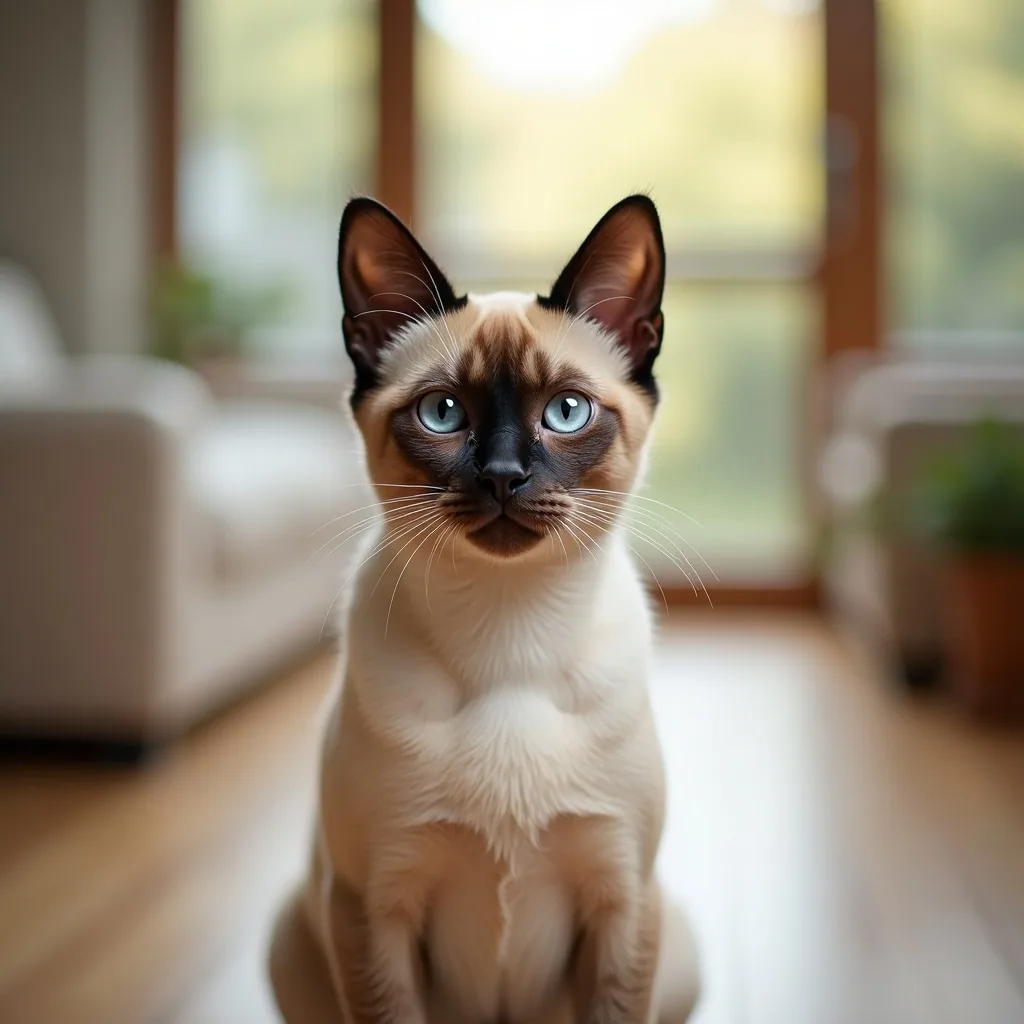
Siamese are generally a long-lived breed, commonly reaching around 12–15 years and often into their late teens or beyond with good care. Some live to 20. As a slender, active short-haired cat they tend to stay agile into old age.
The Siamese is an elegant, athletic and famously long-lived cat — one of the breeds people most often associate with a long, healthy life. If you are thinking of welcoming one, or already share your home with a chatty point-coated companion, one of the first questions is usually how long they live and what to watch for along the way. Here is an honest look at Siamese lifespan, the conditions the breed can be prone to, and the practical things that help yours stay well.
How long do Siamese cats live?
Siamese are generally a long-lived breed, commonly reaching around 12–15 years, and many go on into their late teens or beyond with good care. Some individuals reach 20. Their slender, active build means they often stay agile and engaged well into old age. As always, genetics set the outer limits while everyday care — weight, diet, dental health and routine veterinary attention — strongly influences where an individual cat lands. A well-bred, well-cared-for Siamese is very much a long-term member of the family, often for the best part of two decades.
Eyes: progressive retinal atrophy
The Siamese is among the breeds that can carry progressive retinal atrophy (PRA), an inherited condition in which the retina gradually degenerates, leading to declining vision and eventually blindness. There is no cure, but affected cats often adapt remarkably well, especially in a stable home, and DNA testing in breeding lines helps responsible breeders reduce the risk. If you notice your cat becoming hesitant in low light, bumping into things, or showing changes in the eyes, have your vet check them.
Organs: amyloidosis
The breed can also be predisposed to amyloidosis, a condition in which an abnormal protein called amyloid is deposited in the organs — in Siamese, often the liver — which can impair how those organs work over time. It is not common, but it is a recognised breed-associated condition. Routine senior health checks, including blood tests, help catch organ problems early, so keep up regular veterinary monitoring as your cat ages.
Teeth: dental disease
Like many cats, and the Siamese in particular, dental disease is a common issue. Gum disease and tooth resorption can cause real pain and affect eating and overall health. Brushing your cat's teeth with cat-specific toothpaste, providing appropriate dental care, and keeping up regular veterinary dental checks all help. Browse our dental care range for tools that make home care easier.
Breathing and the head shape
The modern Siamese has a notably fine, wedge-shaped head, and some individuals can be more prone to respiratory issues. Watch for any noisy breathing, persistent sneezing or nasal discharge, and have your vet assess anything that does not quickly resolve.
Historic traits: crossed eyes and kinked tails
Historically the Siamese was associated with crossed eyes (strabismus) and a kinked tail, both linked to the genetics behind the breed's blue eyes and pointed coat. These are largely cosmetic — most affected cats see and function perfectly well — and decades of selective breeding have made them far less common in modern Siamese, though you may still occasionally see them in traditional or older lines. Our honest health-problems guide covers these in more detail.
It is worth keeping these conditions in perspective. The fact that a breed *can* carry a condition does not mean every cat will be affected — responsible breeding and testing exist precisely so the risks can be reduced rather than left to chance. A kitten from a responsible breeder, kept lean and well cared for, has every chance of a long and healthy life.
Weight: the everyday risk
Beyond the inherited conditions, the most common day-to-day health issue is simply carrying too much weight. Although Siamese are naturally slim, they are not immune to obesity, which strains the joints and heart and raises the risk of diabetes and other problems. Feed measured portions of a good-quality diet and judge condition by body shape. Our cat portion control and obesity guide and the pet calorie calculator can help you feed the right amount.
Helping your Siamese live a long, healthy life
- Keep them lean — measure meals and avoid grazing on a full bowl all day.
- Choose a responsible breeder — one who health-screens and rears kittens well (see our cost and buying guide).
- Stay on top of dental care, vaccinations and parasite control.
- See your vet regularly, moving towards twice-yearly checks as your cat ages.
- Insure early — a long-lived breed makes lifelong cover genuinely worthwhile.
- Provide enrichment — play, climbing and company keep body and mind healthy, which is essential for this active, intelligent breed.
You can get a rough sense of lifespan with our pet life expectancy tool, and find local and emergency clinics through our vet finder.
*This is general guidance, not a substitute for advice from your vet, who can assess your individual cat.*
Sources
- International Cat Care — Siamese health and inherited disease (icatcare.org).
- Governing Council of the Cat Fancy (GCCF) — breed information and health (gccfcats.org).
- RVC VetCompass — UK cat health and longevity data (rvc.ac.uk/vetcompass).
- PDSA — cat health, weight and preventive care (pdsa.org.uk).
- Blue Cross — caring for your cat (bluecross.org.uk).
Common questions
How long do Siamese cats live?
Siamese are generally a long-lived breed, commonly reaching around 12–15 years and often into their late teens or beyond with good care. Some live to 20. As a slender, active short-haired cat they tend to stay agile into old age. Genetics set the range, but keeping your cat lean, feeding well, staying on top of dental and routine vet care, and buying from a responsible breeder all help yours reach the longer end. The breed can carry a few inherited conditions, so prevention and early checks matter.
What health problems are Siamese cats prone to?
Siamese can be prone to dental disease, and their distinctive head shape means some are more prone to respiratory issues. The breed is among those that can carry progressive retinal atrophy (PRA), an inherited eye condition, and amyloidosis, where a protein deposits in organs such as the liver. Historically the breed was also associated with crossed eyes and a kinked tail, though selective breeding has greatly reduced these. Buying from a responsible breeder and keeping up routine vet and dental care reduces the risks.
Are Siamese cats healthy?
On the whole the Siamese is a robust, long-lived breed that often reaches its mid-teens and beyond. Like all pedigree breeds it can carry some inherited conditions — such as progressive retinal atrophy and amyloidosis — and is prone to dental disease, so it is not free of health considerations. Buying from a responsible breeder, keeping your cat lean, maintaining good dental and routine vet care, and insuring early all help a Siamese live a long and healthy life.
About the author
Matt Garnett — founder, Giddy Pets
Matt started Giddy Pets to make getting pets the good stuff simpler and fairer. Everything in these guides comes from real life with pets and a lot of trial and error — it's practical guidance, not veterinary advice. If a guide gets something wrong, tell him directly.
Free tools & more guides
Read next
Siamese Cat Health Problems: An Honest Guide
An honest, factual guide to Siamese health problems — dental disease, respiratory issues, amyloidosis, progressive retinal atrophy, and the breed's historic crossed eyes and kinked tails.
How Much Does a Siamese Cat Cost? Buying & Lifetime Costs
What a Siamese cat really costs — the purchase price of a kitten from a responsible breeder, the lifetime running costs, and why insurance matters.

Are Siamese Cats Good Pets? Temperament & Home Fit
What Siamese cats are really like to live with — their affectionate, intensely people-oriented temperament, their famous voice, and the homes they suit best.

Siamese Cat Personality & Behaviour (Why They're So Vocal)
Inside the Siamese personality — why they are so vocal, so attached to their people, so playful and intelligent, and how to keep this demanding breed happy.