
Pet Taxi vs Pet Ambulance: What's the Difference?
A pet taxi is routine transport for healthy pets; a pet ambulance is for sick, injured or post-op pets with trained crew and proper equipment — and many providers offer both.

The quick answer
A pet taxi is routine, non-emergency transport for healthy pets — groomer, kennels, routine vet trips, the airport. A pet ambulance is specialist transport for sick, injured, post-op or non-walking pets, usually with first-aid-trained crew and equipment like ramps and secure cages.
Pet taxis and pet ambulances are both ways of getting your animal from A to B when you can't drive them yourself — but they're suited to different situations. In short, a pet taxi is routine transport for a healthy pet, while a pet ambulance is for an animal that is sick, injured, recovering or unable to walk normally. This guide explains the difference clearly, where the two overlap, and which to book for which situation.
The simple difference
- Pet taxi — planned, non-emergency transport for healthy pets. Think trips to the groomer, kennels, daycare, a routine vet appointment, the airport, or a new home.
- Pet ambulance — specialist transport for pets that are ill, injured, post-operative or non-ambulatory, usually with first-aid-trained crew and equipment such as ramps and secure cages.
Both are *transport* services. Neither is a blue-light 999 service — more on that below.
Side-by-side
Who it's for - *Taxi:* healthy, mobile pets - *Ambulance:* sick, injured, recovering or immobile pets
Typical journeys - *Taxi:* groomer, kennels, routine vet visits, airport, moving home - *Ambulance:* urgent or post-op vet trips, vet referrals, transporting a pet that can't walk or be lifted
Vehicle - *Taxi:* secure, climate-controlled, comfort breaks on longer runs - *Ambulance:* the above plus ramps or tail-lifts, secure cages, supportive bedding
Crew - *Taxi:* experienced handlers; often pet-first-aid trained - *Ambulance:* first-aid-trained crew used to handling poorly animals
Booking - *Taxi:* planned, in advance - *Ambulance:* planned or, with some providers, urgent and out-of-hours
Where they overlap
In practice the line between the two isn't rigid, because many providers offer both. National networks such as Animals at Home run an animal ambulance *and* a pet taxi, operate 24/7, and train staff in pet first aid. Others, like First For Pets, advertise both a pet taxi and an animal ambulance for routine and emergency work. So you may book the *same company* for a routine groomer run one week and a careful post-op collection the next — you're simply choosing the right level of service for the journey.
Because of this overlap, the most useful thing you can do is describe your pet's condition when you call. A good provider will tell you honestly whether a standard taxi is fine or whether your pet needs the ambulance-level service.
Which should you book?
Book a pet taxi if: - Your pet is healthy and just needs a lift - The journey is planned (groomer, kennels, routine appointment, airport, moving home) - Your pet can walk and load into a vehicle normally
Book a pet ambulance if: - Your pet is ill, injured or recovering from surgery - Your pet can't walk or be lifted safely into an ordinary car - A vet has referred you to another clinic and suggests specialist transport - You want first-aid-trained crew with your pet for the trip
If you're genuinely unsure, phone the provider — they'd far rather you described the situation than guessed wrong.
The emergency caveat
Whatever you book, remember that neither a pet taxi nor a pet ambulance is a 999 service. They have no sirens, no right of way and no legal priority, and there is no national animal emergency line.
In a true emergency the order is always:
1. Phone your vet or out-of-hours vet first for advice and to confirm how urgent it is 2. Follow their instructions — they may want your pet brought straight in 3. Arrange transport — a pet ambulance can take your pet if you can't drive, but it travels in normal traffic
Keep your vet's number and your nearest out-of-hours clinic's number somewhere easy to find.
What to check either way
For both services, before you book, confirm:
- Insurance appropriate to transporting animals
- Pet first-aid training for drivers or crew
- Suitable equipment for your pet's size and condition
- Reviews and recommendations, ideally including your vet's suggestion
- Welfare and the law — transporters are legally responsible for animals being fit to travel and transported humanely; on longer journeys (generally over 65 km), DEFRA authorisation and competence rules can apply, so ask how the provider meets them
What it costs
There's no single national price for either service. Costs vary by distance, urgency, time of day and the provider, and ambulance-level or out-of-hours work usually costs more than a routine daytime taxi run. The only reliable figure is a quote for your specific journey — so ask before you book, and check whether waiting time and return trips are included.
Sources
- Animals at Home — animal ambulance and pet taxi, 24/7, first-aid-trained staff
- First For Pets — pet taxi and animal ambulance, routine and emergency
- Pets2Places — pet transport to vets, groomers and kennels
- GOV.UK — Transporting animals in Great Britain and Animal welfare in transport
Common questions
What's the difference between a pet taxi and a pet ambulance?
A pet taxi is routine, non-emergency transport for healthy pets — groomer, kennels, routine vet trips, the airport. A pet ambulance is specialist transport for sick, injured, post-op or non-walking pets, usually with first-aid-trained crew and equipment like ramps and secure cages.
Do the same companies offer both?
Often, yes. Many providers, including national networks like Animals at Home and services like First For Pets, run both a pet taxi and an animal ambulance, so you can book the right level of service for each journey from the same company.
Which should I book for my pet?
Book a pet taxi if your pet is healthy and the trip is planned. Book a pet ambulance if your pet is ill, injured, recovering, can't walk or be lifted normally, or has been referred by a vet. If unsure, describe the situation to the provider and they'll advise.
Is a pet ambulance an emergency 999 service?
No. Neither pet taxis nor pet ambulances are blue-light services — they have no sirens, right of way or legal priority. In an emergency, phone your vet or out-of-hours vet first; the ambulance is only the transport to get your pet there.
About the author
Matt Garnett — founder, Giddy Pets
Matt started Giddy Pets to make getting pets the good stuff simpler and fairer. Everything in these guides comes from real life with pets and a lot of trial and error — it's practical guidance, not veterinary advice. If a guide gets something wrong, tell him directly.
Free tools & more guides
Read next

What Is a Pet Taxi? How They Work, Costs & Choosing One
A pet taxi is a door-to-door, non-emergency transport service that takes pets to the vet, groomer, kennels or a new home when you can't drive them yourself.
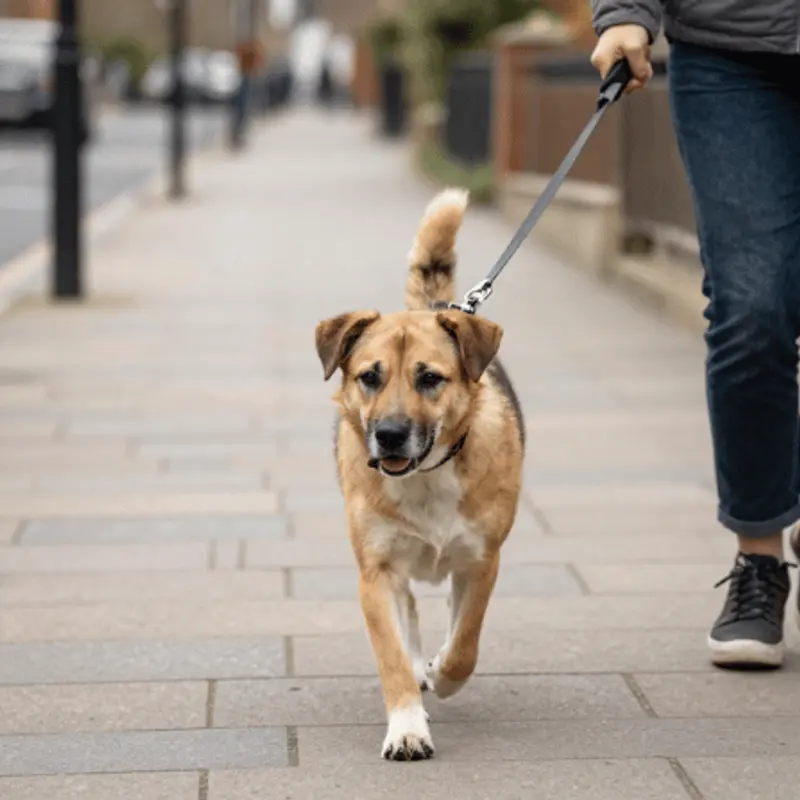
What Is a Pet Ambulance & When Do You Need One?
A pet ambulance is specialist transport for sick, injured, post-operative or non-walking pets — equipped vehicles and first-aid-trained crew, but not a 999 blue-light service.

UK Pet Taxi & Ambulance Providers: A Directory
A directory of established UK pet taxi and animal ambulance services, plus what to check before you book one.
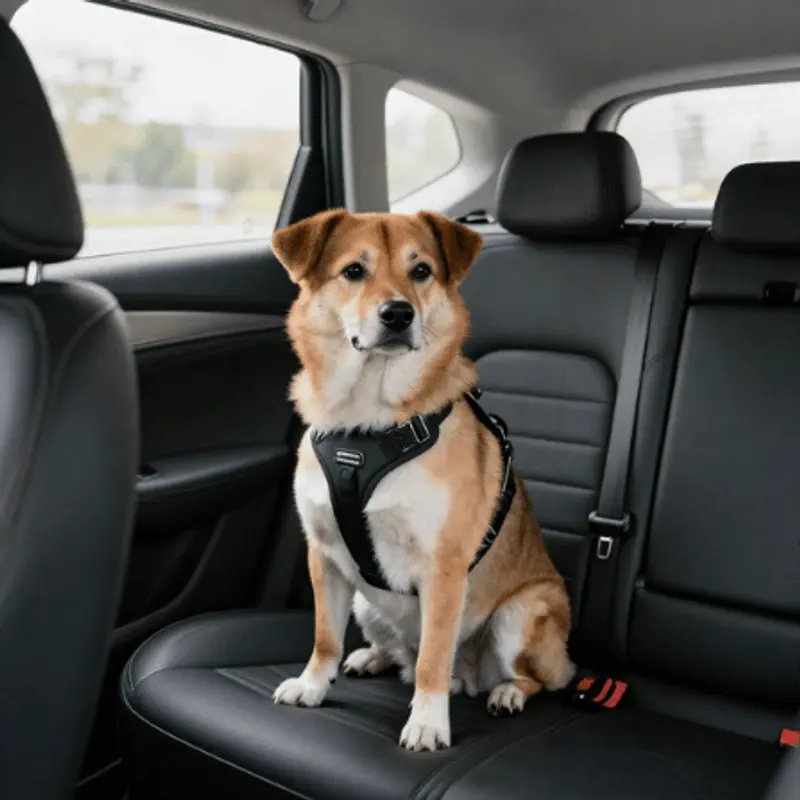
How to Get Your Pet to the Vet Without a Car
Practical, car-free ways to get your dog or cat to the vet, from pet taxis to home-visit vets — and what to do in an emergency.