
Manx Cat Personality & Behaviour
The Manx temperament up close — their dog-like devotion, playful intelligence, that distinctive hop, and how the breed behaves day to day.
The quick answer
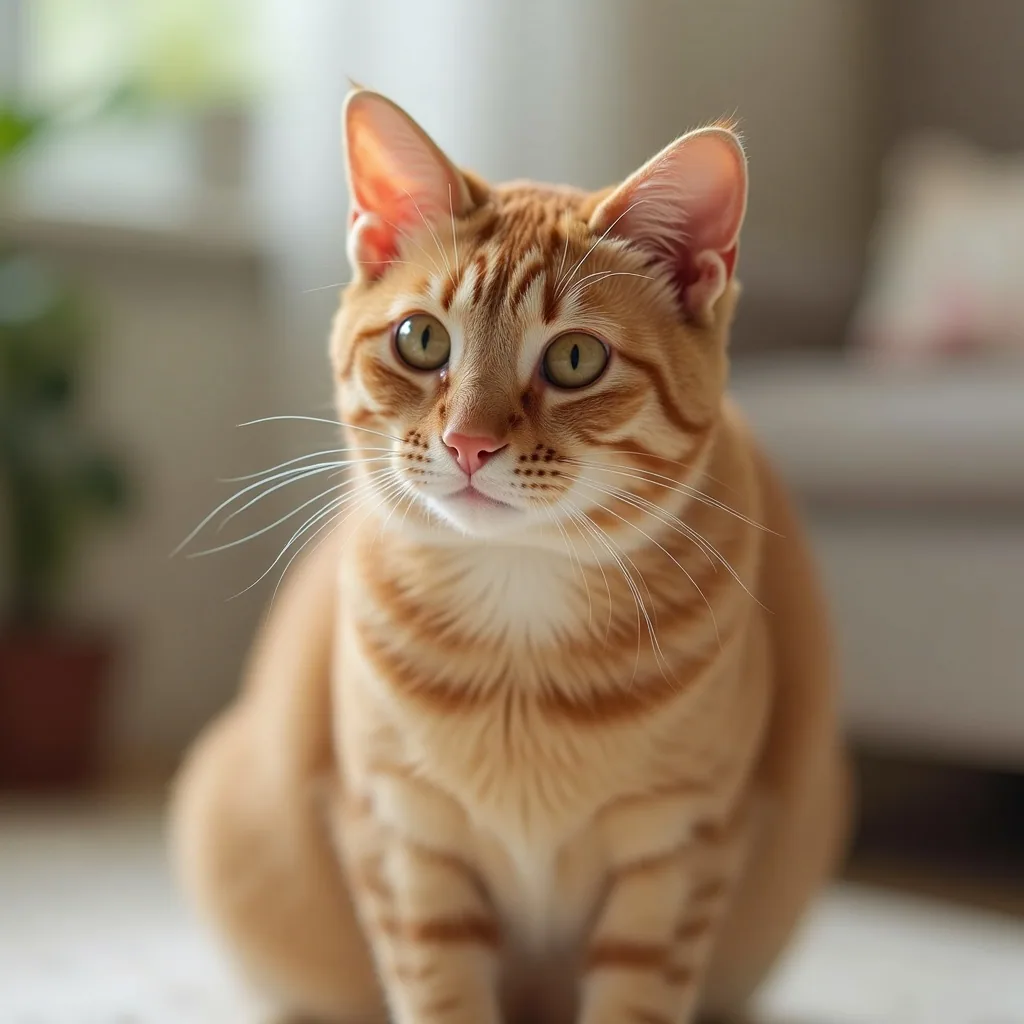
Manx cats are typically affectionate, playful, intelligent and people-focused, often described as dog-like. Many follow their owners around, enjoy interactive play and games, and some learn to fetch or come when called. They tend to form strong bonds with their families and are usually even-tempered and sociable, getting on well with children and, with careful introductions, other pets.
Beyond the famous missing tail, the Manx is a cat with a big personality. Affectionate, playful and clever, the breed has earned a reputation as one of the more companionable and dog-like cats you can share a home with. Here is a closer look at Manx personality and behaviour, and what to expect from one as a daily companion.
A dog-like companion
The word that comes up again and again with Manx cats is dog-like. Many form strong, loyal bonds with their people, like to be in the same room as their humans, and will happily follow you around the house. Some learn to fetch, respond to their name, or come when called, and plenty enjoy a good interactive play session. This people-focused streak is a big part of the breed's charm: a Manx often wants to be *with* you rather than off doing its own thing.
Playful and intelligent
Manx cats are typically bright and curious. They tend to enjoy problem-solving toys, games and anything that keeps their mind engaged, and a bored Manx — like any clever cat — can invent its own entertainment, which is not always what you would choose. Channelling that intelligence with puzzle and enrichment toys, regular play and things to climb keeps them happy and out of mischief. A sturdy cat tree or scratcher gives them somewhere to perch, climb and survey their domain.
That distinctive movement
One of the Manx's most recognisable traits is its gait. The breed has longer hind legs than front legs and a rounded rump, which gives a slightly bouncing, rabbit-like hop when they move at speed. In a healthy cat this is simply part of the breed's characteristic look and movement. It is worth knowing, though, that a *change* in how a Manx moves — new stiffness, weakness in the back legs, or a wobbly, uncoordinated gait, particularly in a young cat — can be a sign of Manx syndrome rather than normal breed character, and is worth a vet check. Our health problems guide explains what to look for.
Sociable, but individuals
Manx cats are generally even-tempered and sociable, often getting on well with children, other cats and even dogs when introductions are handled slowly and calmly. Many enjoy the bustle of family life. As with every breed, though, temperament varies between individuals and is shaped by genetics, early socialisation and experience. A well-socialised kitten from a calm, home-reared litter is far more likely to grow into a confident, friendly adult, which is one more reason to choose a responsible breeder.
Vocal and expressive
Manx cats are usually moderately chatty rather than constantly loud. They communicate readily with their people through a mix of trills, chirps and meows, especially when greeting you or asking for food or attention. Learning your cat's particular 'vocabulary' is part of the fun of living with such a people-oriented breed, and many owners find a Manx will happily 'answer back' when spoken to. As always, a sudden, marked change in how vocal your cat is can occasionally signal discomfort or stress, so it is worth noting alongside other changes in behaviour, appetite or toileting.
Activity and enrichment needs
Because they are playful and intelligent, Manx cats do best with daily interaction and enrichment. They are not generally a breed content to be left alone for long stretches with nothing to do. Plan for:
- Daily play with wand toys, balls and chase games — browse our cat toys.
- Climbing and scratching opportunities to satisfy natural instincts.
- Mental stimulation through puzzle feeders and rotating toys.
- Company — many Manx appreciate either human company for much of the day or a compatible feline companion.
Keeping a Manx mentally and physically busy also helps keep them lean, which matters for joint and overall health. Our cat portion control and obesity guide and the pet calorie calculator help you balance treats and food.
Living with a Manx
In the right home, a Manx is a delightful, interactive companion: loyal, playful and full of character, with that unmistakable hopping gait and friendly outlook. Give one company, play and gentle handling — and stay alert to any change in movement or toileting that could signal a health issue — and you will have a charming, devoted cat. For more, see our guides on whether a Manx is a good pet and lifespan and health.
*This is general guidance. Every cat is an individual, so meet the parents and kitten before choosing, and speak to your vet about any behaviour that concerns you.*
Sources
- International Cat Care — cat behaviour and breeds (icatcare.org).
- Governing Council of the Cat Fancy (GCCF) — Manx breed information (gccfcats.org).
- Blue Cross — understanding cat behaviour (bluecross.org.uk).
- PDSA — cat companionship and enrichment needs (pdsa.org.uk).
Common questions
What is the Manx cat's personality like?
Manx cats are typically affectionate, playful, intelligent and people-focused, often described as dog-like. Many follow their owners around, enjoy interactive play and games, and some learn to fetch or come when called. They tend to form strong bonds with their families and are usually even-tempered and sociable, getting on well with children and, with careful introductions, other pets. Like all cats they are individuals, so meeting the kitten and its parents is the best guide to temperament.
Why do Manx cats hop like rabbits?
Manx cats have longer hind legs than front legs and a rounded rump, which gives them a characteristic bouncing, rabbit-like gait at speed. In a healthy Manx this is simply part of the breed's normal look and movement. However, a change in how a Manx moves — new stiffness, hind-leg weakness, or a wobbly, uncoordinated walk, especially in a young cat — can be a sign of Manx syndrome rather than normal breed character, and should prompt a vet check.
Are Manx cats affectionate?
Yes, Manx cats are generally very affectionate and people-focused. Many form strong, loyal bonds with their owners, like to be in the same room, and will follow their humans around the house. They tend to enjoy company, play and attention, which is part of why the breed is so often described as dog-like. They usually do best in homes that can offer daily interaction and company rather than being left alone for long periods.
About the author
Matt Garnett — founder, Giddy Pets
Matt started Giddy Pets to make getting pets the good stuff simpler and fairer. Everything in these guides comes from real life with pets and a lot of trial and error — it's practical guidance, not veterinary advice. If a guide gets something wrong, tell him directly.
Free tools & more guides
Read next

Are Manx Cats Good Pets? Temperament & The Honest Picture
What Manx cats are really like to live with — their friendly, dog-like temperament, the homes they suit, and the honest health picture you must understand first.
Manx Cat Health Problems: Manx Syndrome & More
An honest, factual look at Manx cat health — Manx syndrome (sacrocaudal dysgenesis), the lethal homozygous gene, bladder, bowel and gait issues, and tail-base arthritis.

How Long Do Manx Cats Live? Lifespan & Health
How long Manx cats live, why Manx syndrome is the key variable, and the practical steps that help a healthy Manx reach a good old age.
How Much Does a Manx Cat Cost? Buying & Lifetime Costs
What a Manx really costs — the purchase price of a registered kitten, the lifetime running costs, and why insurance matters especially for this breed.