
Are Manx Cats Good Pets? Temperament & The Honest Picture
What Manx cats are really like to live with — their friendly, dog-like temperament, the homes they suit, and the honest health picture you must understand first.

The quick answer
For the right home, yes — Manx cats are affectionate, playful and people-focused, and they are a long-established, GCCF-recognised breed rather than a modern novelty. They are often described as dog-like, following their owners about and enjoying games.
The Manx is one of the most distinctive cats in the world: the tailless breed that originated on the Isle of Man, with a rounded body, a bouncy gait and a famously friendly nature. If you are wondering whether a Manx would make a good pet, the honest answer is *yes, for the right home — but only if you understand the breed's health before you fall in love with the look*. Here is a balanced picture of what living with a Manx is really like.
A long-established breed, not a novelty
It is worth saying clearly at the outset that the Manx is a long-standing, GCCF-recognised breed with centuries of history, not a modern 'designer' cat invented for looks. That history matters, because it means there is an established breeding framework and a body of knowledge around the breed. At the same time, the very feature that defines the Manx — its taillessness — comes from a gene that can cause health problems, and a responsible introduction to the breed has to hold both of those truths at once.
The Manx temperament
Manx cats are generally affectionate, playful, intelligent and people-focused. Many owners describe them as dog-like: they often follow their humans from room to room, enjoy interactive play and games, and like to be involved in whatever is going on. They tend to form strong bonds with their families and can be quite loyal and companionable. The breed also has a reputation for being a good, steady-natured family cat, usually getting on well with sensible children and, with careful introductions, with other cats and dogs.
That said, every cat is an individual. Some Manx are bold and busy; others are quieter and more reserved. Meeting the kitten and seeing its parents' temperaments is the best guide to how a particular cat is likely to turn out.
The honest health picture
Here is the part that no responsible guide can skip. The Manx's lack of a tail is caused by a dominant gene, and that same gene can shorten the spine too far and damage the lower spinal cord and nerves. The result is Manx syndrome — a spina-bifida-like condition that can affect the lower spine, bladder, bowel and hind legs. Signs usually appear by around four months of age, which is part of why responsible breeders keep kittens until they are confident they are developing normally.
Not every Manx is affected — many live entirely healthy lives — but the risk is real and is inseparable from the breed's defining feature. Completely tailless 'rumpy' cats tend to be the most affected, while cats with a short stump or a near-normal tail are generally lower risk for the severe form, though stumpy cats can develop painful arthritis at the tail base later in life. Our health problems guide covers all of this in detail, and it is essential reading before you buy.
Who does a Manx suit?
- People who want an affectionate, interactive companion and enjoy a sociable, playful cat.
- Families who can offer gentle handling and a calm, settled home.
- Owners who will buy responsibly from a GCCF breeder and accept that the cat may, in some cases, need extra veterinary care.
- Households prepared to insure and to budget for potential health needs.
A Manx is less suitable for someone choosing on looks alone, who has not read up on Manx syndrome, or who is not in a position to support a cat that might have continence or mobility needs.
Everyday care
Day to day, most Manx are straightforward, rewarding cats. They appreciate company, play and enrichment — a sturdy cat tree or scratcher, interactive toys and a comfortable bed all help keep them happy. Like all cats they need good nutrition kept to a healthy portion; our cat portion control and obesity guide and the pet calorie calculator can help. And remember that microchipping is now a legal requirement for pet cats in England.
The honest verdict
Manx cats can make wonderful pets: friendly, fun and full of character, with the reassurance of being a properly recognised, long-established breed. The non-negotiable condition is going in with your eyes open about Manx syndrome, buying from a responsible breeder, and being ready to care for the cat whatever its needs. For more, see our guides on personality and behaviour and lifespan.
*This is general guidance, not a substitute for advice from your vet or a reputable breeder, who can assess an individual cat.*
Sources
- International Cat Care — cat breeds and inherited disorders (icatcare.org).
- Governing Council of the Cat Fancy (GCCF) — Manx breed information (gccfcats.org).
- Universities Federation for Animal Welfare (UFAW) — Manx and Manx syndrome (ufaw.org.uk).
- PDSA — choosing and caring for a cat (pdsa.org.uk).
- Blue Cross — choosing a cat (bluecross.org.uk).
Common questions
Are Manx cats good pets?
For the right home, yes — Manx cats are affectionate, playful and people-focused, and they are a long-established, GCCF-recognised breed rather than a modern novelty. They are often described as dog-like, following their owners about and enjoying games. The honest caveat is health: the gene that makes them tailless can cause 'Manx syndrome', a spina-bifida-like condition affecting the lower spine, bladder, bowel and back legs. Signs usually show by around four months, so buy from a responsible breeder, see the kitten with its mother, and budget for insurance.
Are Manx cats good with children and other pets?
Generally yes. Manx cats are usually sociable, even-tempered and playful, and many get on well with sensible children and with other cats and dogs when introductions are made slowly and calmly. As with any cat, children should be taught to handle them gently and to respect the cat's space. If a Manx has any spinal or hind-end weakness from Manx syndrome, rough handling should be avoided, and supervised, gentle interaction is especially important.
Is it ethical to buy a Manx cat?
This is a fair question and opinions differ. Unlike some very new 'designer' breeds, the Manx is a long-established, GCCF-recognised breed with a documented breeding framework, and many Manx live healthy lives. The counter-view is that taillessness is inseparable from a gene that can cause real suffering. The honest middle ground: if you choose a Manx, buy only from a responsible GCCF breeder who breeds carefully (never tailless-to-tailless), lets you see the kitten with its mother, and is open about health.
About the author
Matt Garnett — founder, Giddy Pets
Matt started Giddy Pets to make getting pets the good stuff simpler and fairer. Everything in these guides comes from real life with pets and a lot of trial and error — it's practical guidance, not veterinary advice. If a guide gets something wrong, tell him directly.
Free tools & more guides
Read next
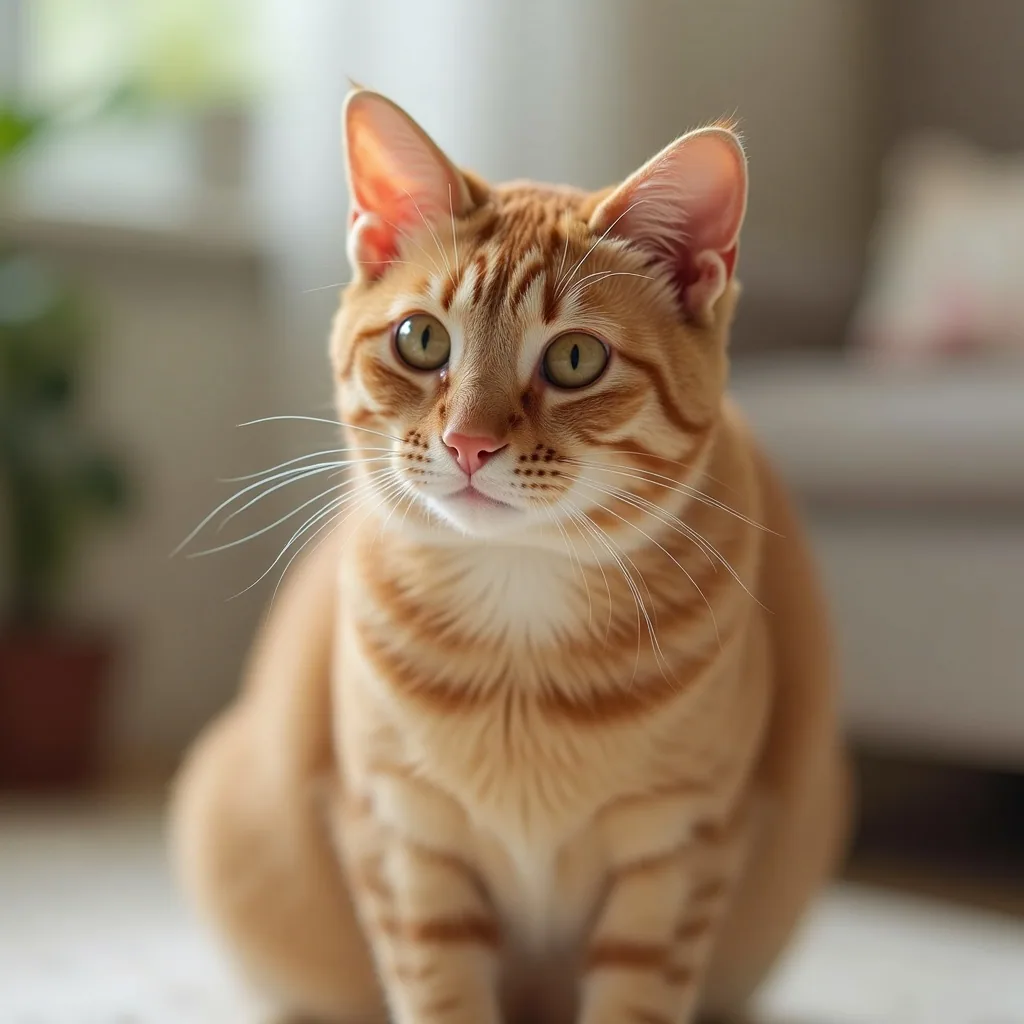
Manx Cat Personality & Behaviour
The Manx temperament up close — their dog-like devotion, playful intelligence, that distinctive hop, and how the breed behaves day to day.
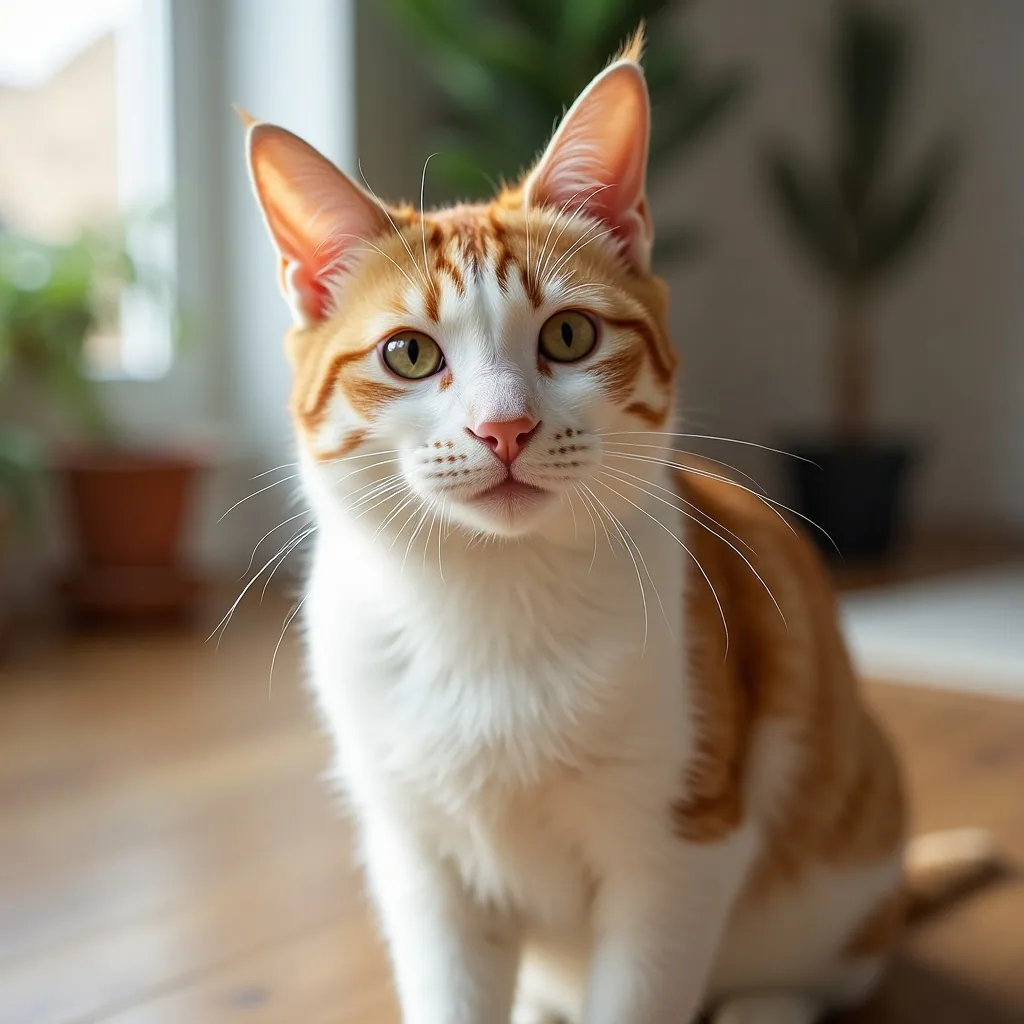
Manx Cat Health Problems: Manx Syndrome & More
An honest, factual look at Manx cat health — Manx syndrome (sacrocaudal dysgenesis), the lethal homozygous gene, bladder, bowel and gait issues, and tail-base arthritis.
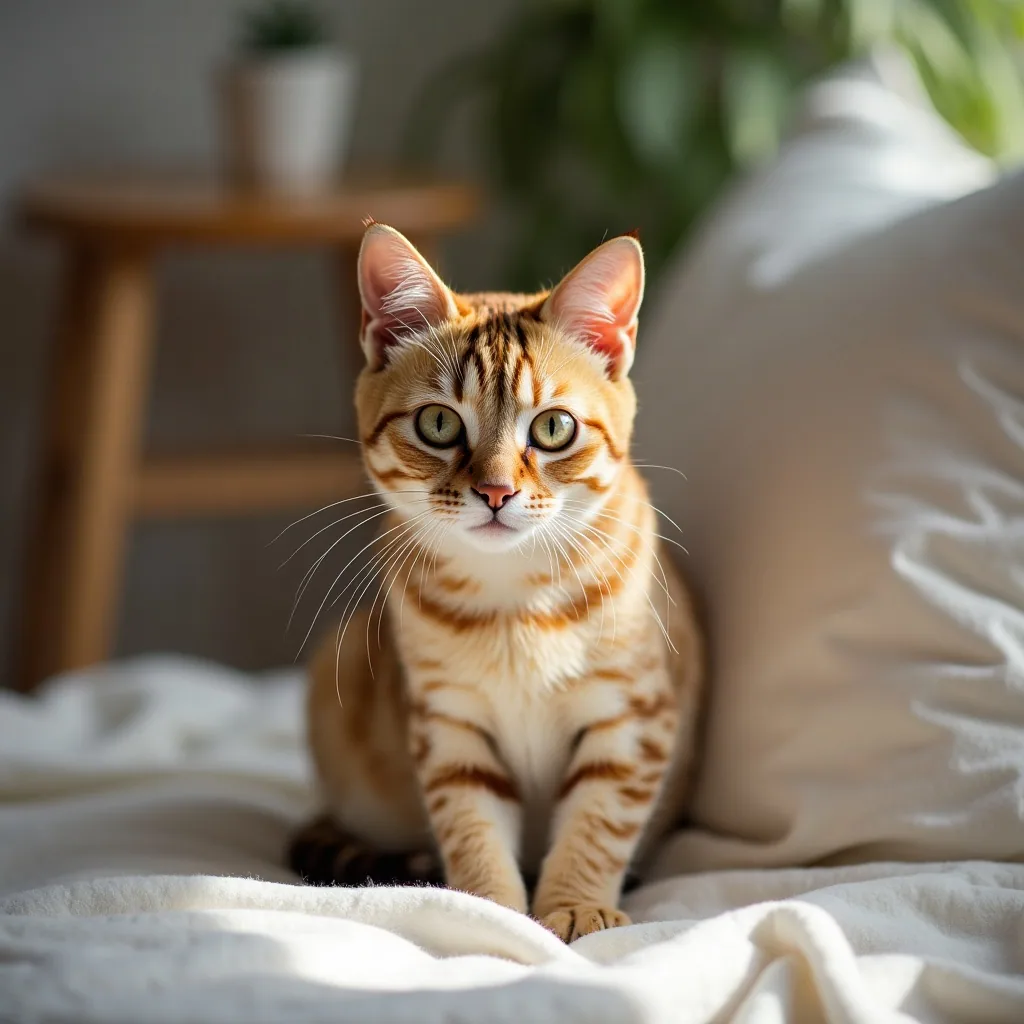
How Much Does a Manx Cat Cost? Buying & Lifetime Costs
What a Manx really costs — the purchase price of a registered kitten, the lifetime running costs, and why insurance matters especially for this breed.

How Long Do Manx Cats Live? Lifespan & Health
How long Manx cats live, why Manx syndrome is the key variable, and the practical steps that help a healthy Manx reach a good old age.