
Labradoodle Grooming & Care
How to groom a Labradoodle — brushing the high-maintenance coat, preventing matting, professional clipping, plus nails, ears, teeth and everyday care.
The quick answer
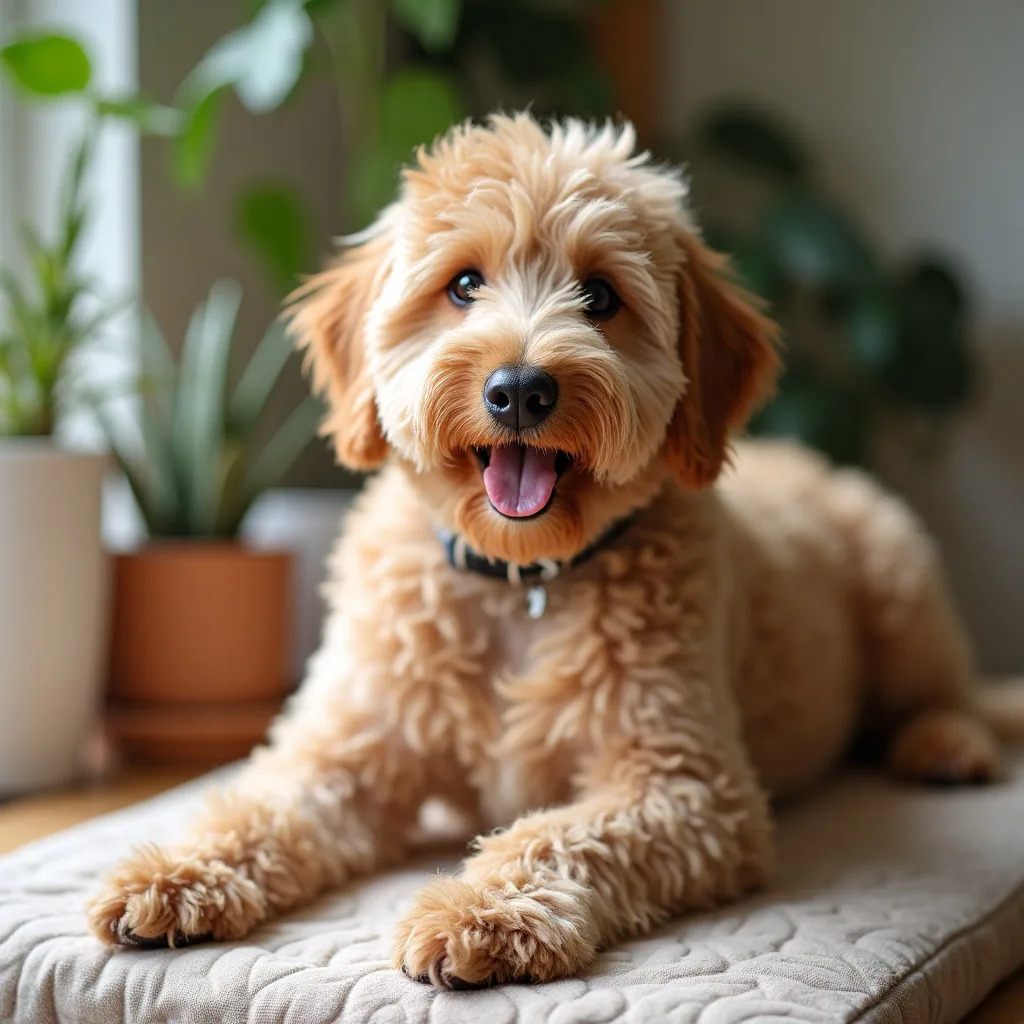
Usually yes. Many Labradoodles have a wavy or curly low-shedding coat that does not drop hair the way a Labrador's does, but instead keeps growing and readily mats. That means frequent brushing at home — often several times a week or daily for curlier coats — plus professional clipping every several weeks.
That soft, teddy-bear coat is a big part of the Labradoodle's appeal — but it is also the single most demanding part of owning one. Many people are drawn in by the look and the "low-shedding" promise without realising that a low-shedding coat is, in fact, a high-maintenance coat. Here is an honest, practical guide to grooming and caring for a Labradoodle.
Why the Labradoodle coat needs so much work
A Labrador sheds its coat, which means loose hair drops out around the home. Many Labradoodles, by contrast, inherit a wavy or curly low-shedding coat that keeps growing rather than dropping. That sounds convenient, but it means dead hair stays in the coat instead of falling out — and tangles with the live hair to form mats. Left unbrushed, the coat can mat right down to the skin, which is uncomfortable, can hide skin problems, and in bad cases has to be clipped off entirely by a groomer or vet. So the trade-off for less hair on your sofa is a real, ongoing commitment to grooming.
Coat type varies between dogs (see our sizes and coat types guide). Curlier "wool" coats are the most prone to matting and need the most work; softer "fleece" coats also need regular care; straighter "hair" coats shed more but are easier to maintain. Whatever coat your dog has, plan for grooming as a routine, not an occasional chore.
Brushing at home
Regular brushing is the heart of Labradoodle care. For most wavy or curly coats, plan on brushing several times a week, and ideally daily for very curly coats, particularly once the puppy coat changes to the adult coat (a common time for sudden matting). The aim is to work right down to the skin, not just over the surface — surface brushing leaves mats forming underneath. A slicker brush to lift and separate the coat, followed by a comb to check you have reached the skin, works well. Browse our grooming brushes for suitable tools.
Pay extra attention to the friction and mat-prone areas: behind and under the ears, the armpits, the chest, the belly, the back legs, under the collar and around the tail and bottom. Make brushing a calm, positive routine from puppyhood, with treats and short sessions, so your dog learns to accept and even enjoy it.
Professional clipping
Almost all Labradoodles need regular visits to a professional groomer for clipping, typically every several weeks (many owners go roughly every six to eight weeks, though it depends on the coat and the style). A groomer will clip the coat to a manageable length, tidy the face, feet and sanitary areas, and deal with any matting safely. Home brushing between appointments keeps the coat in good order; the two go together. Factor the cost of regular grooming into your budget before you buy — it is a significant lifetime expense (see our cost guide).
Dealing with mats
If you find a small mat, tease it apart gently with your fingers and a comb, working from the edges inwards while supporting the skin so you do not pull. Never hack at a mat with scissors — it is very easy to cut the skin underneath, which is taut where mats form. For widespread or close-to-skin matting, leave it to a professional groomer, who can remove it safely. Prevention through routine brushing is far kinder and easier than dealing with a badly matted coat.
Bathing
Labradoodles do not need frequent bathing — over-washing can dry the skin. Bath when genuinely dirty, using a dog-specific shampoo, and make sure the coat is thoroughly brushed and mat-free first, because washing a matted coat tightens the mats. Rinse well and dry thoroughly, ideally brushing as you dry a curly coat to keep it from clumping.
Nails, ears and teeth
Grooming is about the whole dog, not just the coat:
- Nails. Trim regularly if they are not worn down by exercise, taking only the tip and avoiding the quick. See our nail care range.
- Ears. Doodle-type dogs often grow hair in the ear canal and have floppy ears, which can trap moisture and lead to ear infections. Check the ears regularly for redness, odour or discharge, keep them clean and dry, and ask your groomer or vet about managing ear hair.
- Teeth. Brush the teeth regularly with dog toothpaste and keep up dental checks — see our dental care range.
Everyday care: exercise, diet and weight
Grooming aside, a Labradoodle is an active dog that needs daily exercise, mental stimulation and good nutrition. Feed a complete, good-quality diet in measured amounts and keep your dog lean, since excess weight strains joints and shortens life. Our pet calorie calculator helps with portions, and a slow feeder can pace an enthusiastic eater. For exercise guidance, try our dog walking calculator.
The honest bottom line
A Labradoodle is a rewarding but genuinely high-maintenance dog to groom. Budget for frequent home brushing and regular professional clipping, start a calm routine from puppyhood, and stay on top of ears, nails and teeth. Do that, and you will keep your dog comfortable, healthy and looking its best. For more, see our guides on coat types and health and lifespan.
*This is general guidance. For stubborn mats, sore skin, or any ear, dental or skin problem, see your vet or a professional groomer.*
Sources
- The Kennel Club — grooming and coat care (thekennelclub.org.uk).
- PDSA — grooming, ear, dental and weight care for dogs (pdsa.org.uk).
- Blue Cross — grooming your dog (bluecross.org.uk).
- RSPCA — dog care and welfare needs (rspca.org.uk).
Common questions
Do Labradoodles need a lot of grooming?
Usually yes. Many Labradoodles have a wavy or curly low-shedding coat that does not drop hair the way a Labrador's does, but instead keeps growing and readily mats. That means frequent brushing at home — often several times a week or daily for curlier coats — plus professional clipping every several weeks. Coat type varies between dogs, so some are easier than others, but most Labradoodles are a fairly high-maintenance grooming commitment that many owners underestimate.
How do I stop my Labradoodle's coat matting?
Prevention is far easier than cure: brush several times a week (daily for very curly coats), working a slicker brush and comb right down to the skin rather than just over the surface, and focus on the mat-prone areas behind the ears, in the armpits, on the belly, the back legs and around the tail. Keep up regular professional clipping. If you find a mat, tease it apart gently rather than cutting it, and leave widespread matting to a groomer.
How often do Labradoodles need professional grooming?
Most Labradoodles need a professional groom roughly every six to eight weeks, though it varies with coat type and the style you choose. The groomer clips the coat to a manageable length, tidies the face, feet and sanitary areas and safely removes any matting. Regular home brushing between appointments is still essential. Factor the recurring cost of professional grooming into your budget, as it is a significant lifetime expense.
About the author
Matt Garnett — founder, Giddy Pets
Matt started Giddy Pets to make getting pets the good stuff simpler and fairer. Everything in these guides comes from real life with pets and a lot of trial and error — it's practical guidance, not veterinary advice. If a guide gets something wrong, tell him directly.
Free tools & more guides
Read next
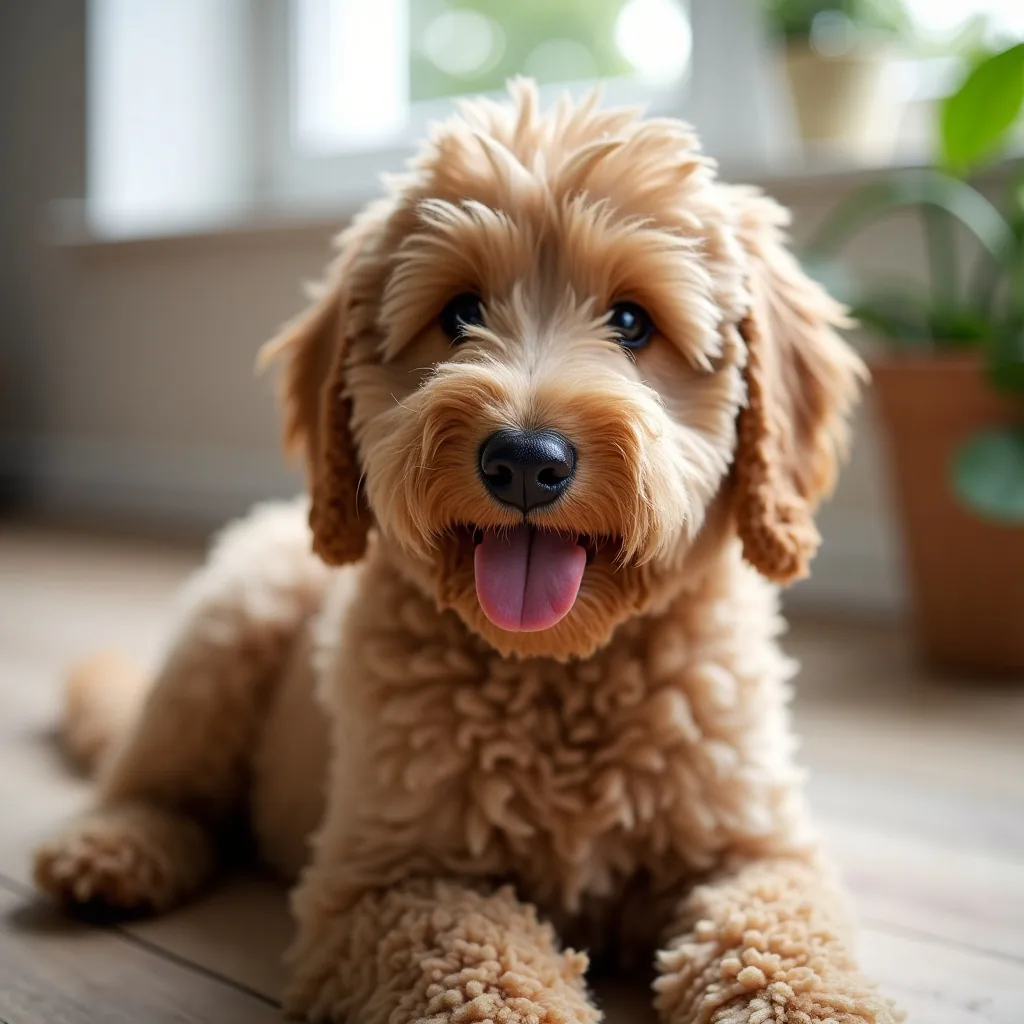
Labradoodle Sizes & Coat Types (F1, F1b, Multigen)
Labradoodle sizes (miniature, medium, standard) and coat types (fleece, wool, hair) explained, plus what F1, F1b and multigen really mean — honestly.

How Much Does a Labradoodle Cost? Buying & Lifetime Costs
What a Labradoodle really costs in the UK — puppy prices, the big lifetime running costs including grooming and insurance, and how to buy responsibly.
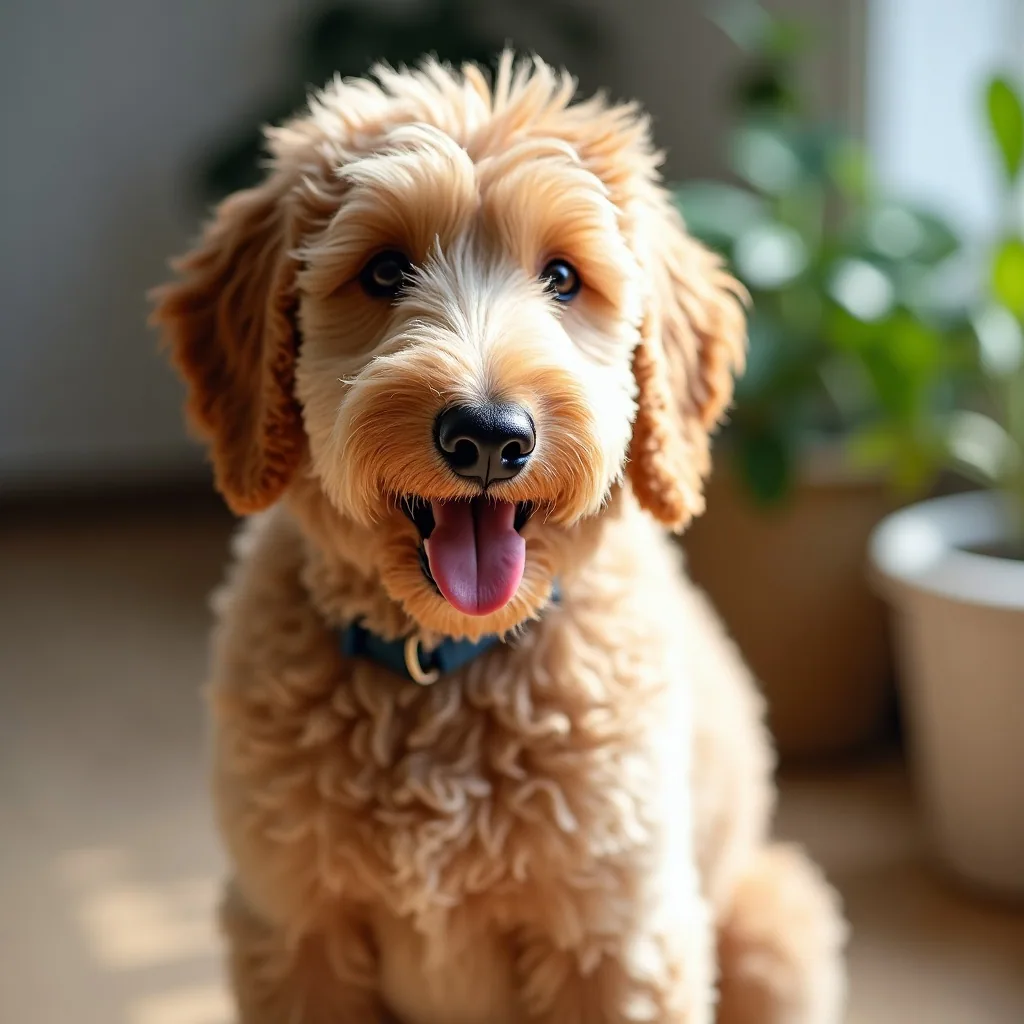
Labradoodle Health & Lifespan
Labradoodle health and lifespan — inherited conditions like hip and elbow dysplasia and PRA, the truth about hybrid vigour, and why health-tested parents matter.

Are Labradoodles Good Family Dogs?
Whether Labradoodles make good family dogs — their friendly, active temperament, why a crossbreed varies so much, and the homes they suit best.