
How Much Exercise Does a Dalmatian Need?
How much exercise a Dalmatian really needs, why this carriage-bred breed has such stamina, and how to meet their physical and mental demands.
The quick answer
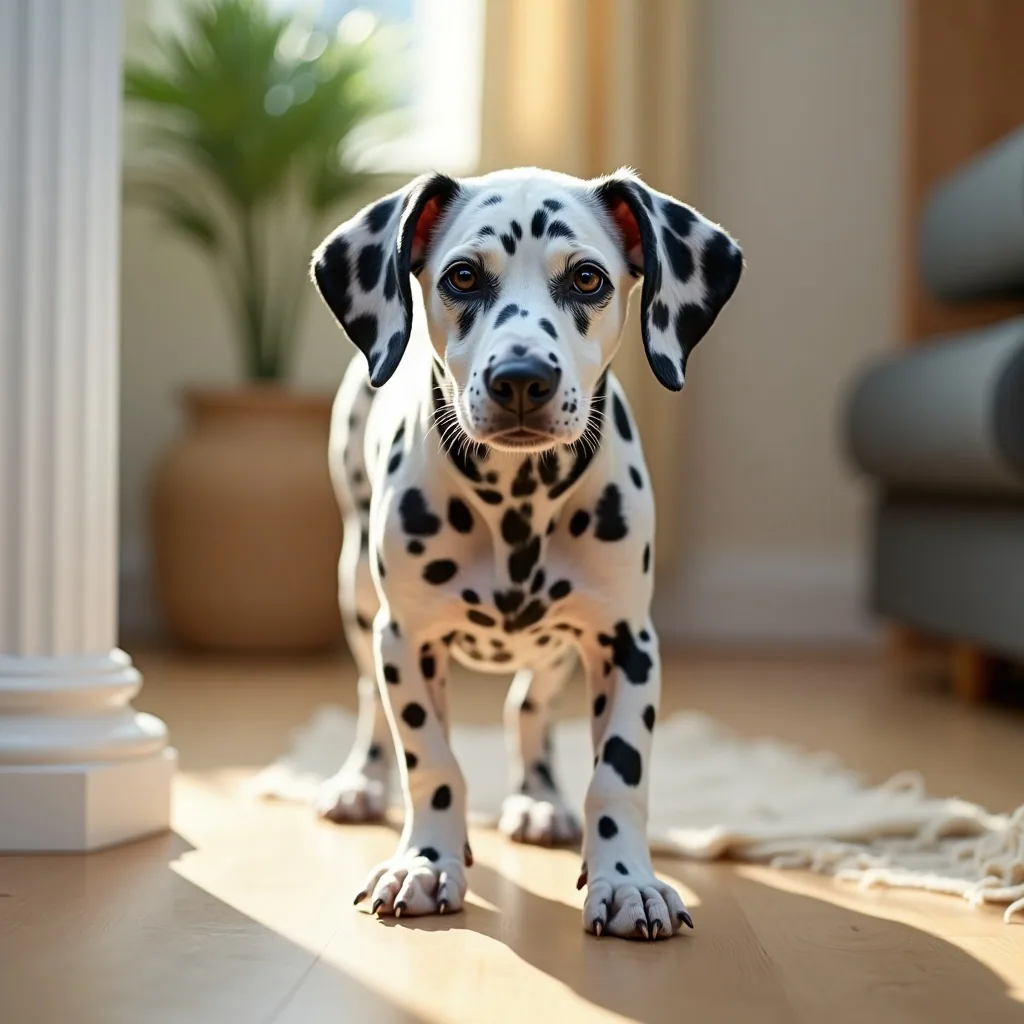
A lot. Dalmatians are one of the highest-energy breeds, originally bred as coach or carriage dogs to trot for miles. An adult Dalmatian typically needs around two hours of exercise a day as a minimum, ideally more, split across walks plus off-lead running, play and training.
If there is one thing every prospective Dalmatian owner needs to take seriously, it is exercise. This is a breed built to run, and the gap between what people expect and what a Dalmatian actually demands is one of the most common reasons they end up in rescue. Here is an honest, practical look at how much exercise a Dalmatian needs and how to provide it.
Why Dalmatians need so much exercise
To understand the Dalmatian's energy, you have to understand its history. Dalmatians are coach or carriage dogs — for centuries they ran alongside horse-drawn carriages, trotting for many miles, guarding the carriage and keeping company with the horses. That is an athletic working role demanding genuine stamina, not a quick sprint. The modern Dalmatian still carries that engineering: a lean, muscular, tireless dog bred for distance. You cannot train that drive away; you have to satisfy it.
How much exercise is enough?
As a general guide, an adult Dalmatian needs around two hours of exercise a day as a minimum, and many thrive on more. Crucially, this should not all be gentle lead-walking. Dalmatians need the chance to run and stretch out at a pace, plus play, training and variety. A good day might combine a couple of decent walks with off-lead running in a safe area, a game of fetch, and some training or scent work. You can map out a routine with our dog walking calculator.
Because they have such stamina, Dalmatians also make excellent companions for running and cycling with owners who enjoy those activities — once the dog is fully mature. They genuinely relish having a job and a long outing.
Exercising puppies: go carefully
Puppies are the big exception. Growing Dalmatians have developing joints and growth plates, and too much hard or repetitive exercise too young can cause damage. A common rule of thumb used by many vets and trainers is to limit formal exercise for a growing pup, building up gradually as they mature. Avoid forced running (such as jogging or cycling alongside you), repeated stairs and high jumps until your dog is fully grown — usually well over a year for a medium-to-large breed. Free play in the garden, short walks and gentle socialisation outings are ideal at this stage. Your vet or breeder can advise on appropriate amounts for your individual puppy.
Mental exercise matters just as much
Dalmatians are intelligent and easily bored, so physical exercise alone is not enough. A dog that is run ragged but mentally understimulated can still be restless and difficult. Build in training sessions, puzzle feeders, scent games and new experiences to tire the brain as well as the body. Our puzzle and enrichment toys and slow feeders are useful tools, and short, reward-based training sessions are some of the best mental exercise of all. Deaf Dalmatians can be exercised and trained just as fully using hand signals — see our guide to Dalmatian deafness and BAER testing.
What happens without enough exercise
An under-exercised Dalmatian is a recipe for problems. Common signs of insufficient exercise include destructive chewing, digging, excessive barking, restlessness, jumping up and general boisterousness. Many of the behaviour issues blamed on the breed are simply the result of unmet needs. On top of behaviour, too little activity combined with overfeeding leads to weight gain, which strains the joints and overall health — you can check feeding amounts with our pet calorie calculator.
Hydration and the Dalmatian difference
There is one breed-specific point worth flagging around exercise: Dalmatians are prone to forming urinary urate stones because of their unusual metabolism, and good hydration is part of managing that risk. Always carry water on longer outings and make sure fresh water is freely available at home — some dogs drink more readily from a water fountain. Our honest guide to Dalmatian health problems explains this fully.
Gear for an active dog
A breed that exercises this hard needs good kit. A well-fitted harness, a strong lead and weather-appropriate gear all help, especially as Dalmatians have a thin coat and feel the cold — browse our walk and travel range and dog coats for chilly outings. Always keep a deaf or recall-unreliable Dalmatian on a lead near roads.
The bottom line
A Dalmatian needs roughly two hours or more of varied daily exercise, the chance to really run, and plenty of mental stimulation on top. They are a fantastic match for active, outdoorsy owners and a poor one for sedentary homes. Be honest about whether you can meet that commitment every day, year-round, before you take one on. For more on the breed, see our guides on whether Dalmatians make good family dogs and lifespan and health.
*This is general guidance. Exercise needs vary with age and health, so check with your vet before starting any intensive exercise, especially with puppies or older dogs.*
Sources
- The Kennel Club — Dalmatian breed information and exercise needs (thekennelclub.org.uk).
- PDSA — how much exercise dogs need (pdsa.org.uk).
- Blue Cross — exercising your dog and puppy exercise (bluecross.org.uk).
- RSPCA — dog exercise and welfare (rspca.org.uk).
Common questions
How much exercise does a Dalmatian need?
A lot. Dalmatians are one of the highest-energy breeds, originally bred as coach or carriage dogs to trot for miles. An adult Dalmatian typically needs around two hours of exercise a day as a minimum, ideally more, split across walks plus off-lead running, play and training. They also have real stamina, so a short stroll will not be enough. Without proper physical and mental exercise they are prone to frustration, weight gain and unwanted behaviour.
How much exercise should a Dalmatian puppy have?
Far less than an adult. Puppies have developing joints and growth plates, and too much hard or repetitive exercise too young can cause lasting damage. Stick to gentle free play, short walks and socialisation outings, and avoid forced running, jogging or cycling alongside you, repeated stairs and high jumps until your dog is fully grown — usually well over a year. Your vet or breeder can advise on appropriate amounts for your individual puppy.
Can Dalmatians run or cycle with you?
Yes — once fully mature, Dalmatians make superb running and cycling companions thanks to their carriage-dog heritage and genuine stamina. Build distance up gradually, carry water, and avoid the hottest part of the day. Never run a young, still-growing dog at distance, as it can damage developing joints. For any dog with recall issues or deafness, take particular care near roads and other hazards and keep them safely controlled.
About the author
Matt Garnett — founder, Giddy Pets
Matt started Giddy Pets to make getting pets the good stuff simpler and fairer. Everything in these guides comes from real life with pets and a lot of trial and error — it's practical guidance, not veterinary advice. If a guide gets something wrong, tell him directly.
Free tools & more guides
Read next
Are Dalmatians Good Family Dogs?
Whether Dalmatians make good family dogs — their affectionate, loyal temperament, their huge exercise needs, and the active homes they genuinely suit.

Dalmatian Health Problems: An Honest Guide
An honest, factual guide to Dalmatian health problems — urate urinary stones and low-purine diets, congenital deafness, hip dysplasia and skin allergies.
How Long Do Dalmatians Live? Lifespan & Health
How long Dalmatians live, the health conditions the breed can carry — deafness, urate stones, hip dysplasia — and how to help yours reach a healthy old age.
Dalmatian Deafness & BAER Testing Explained
Why Dalmatians are prone to congenital deafness, how the BAER hearing test works, and how to live happily with a deaf or partially deaf dog.