
How Much Exercise Does a Boxer Need?
How much exercise a Boxer really needs, why heat is a special risk for this short-muzzled breed, and how to keep an energetic dog fit, happy and safe.
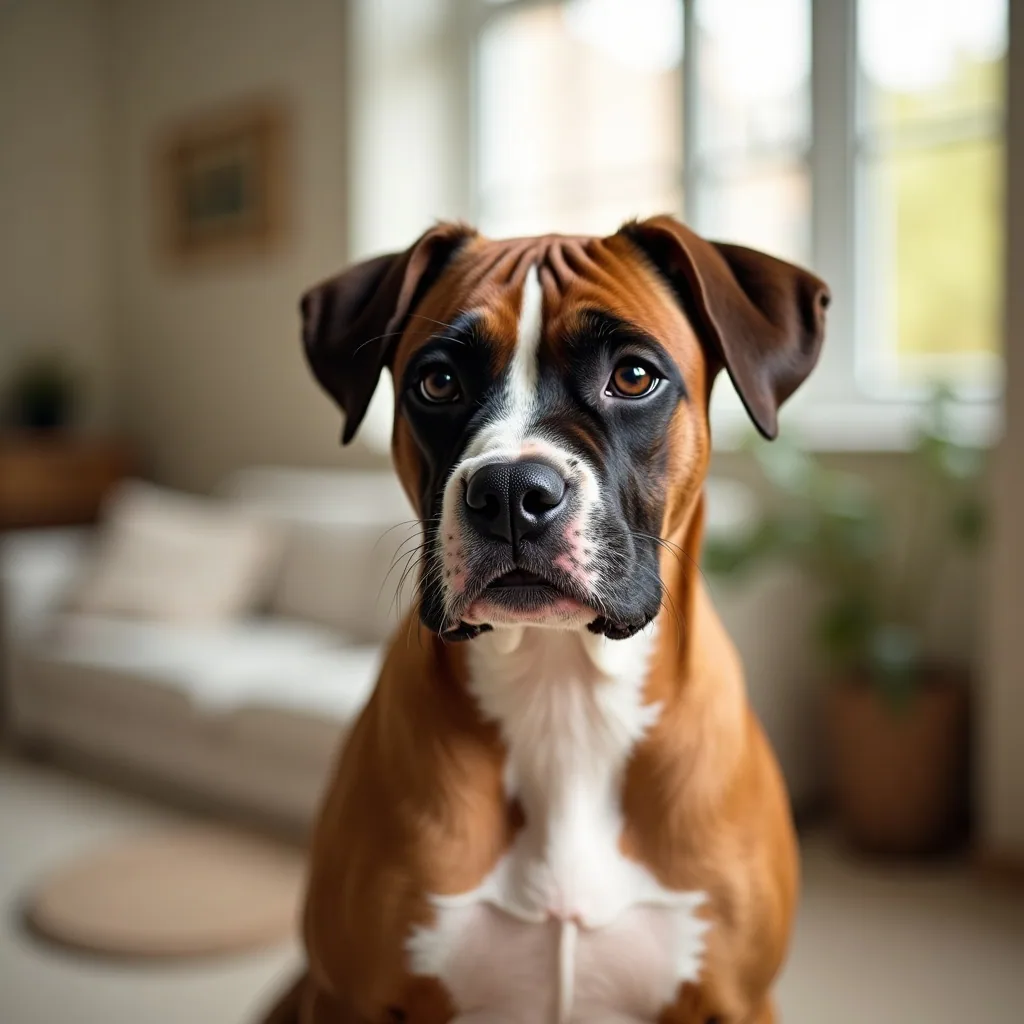
The quick answer
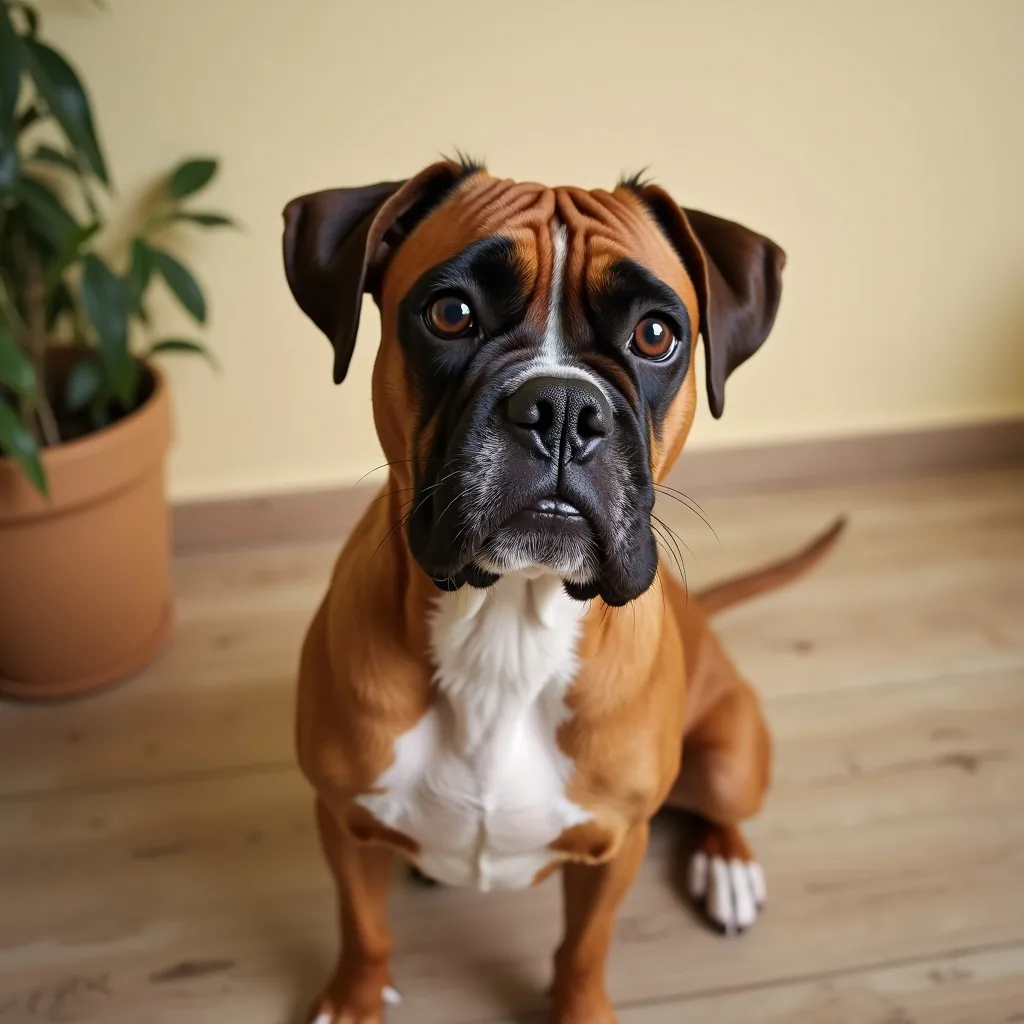
Boxers are a high-energy working breed and generally need at least two hours of exercise a day as adults, split across walks plus active play and training. They are athletic, intelligent dogs that need to use their bodies and their brains, so a mix of walking, off-lead running in safe areas, fetch and scentwork or training games suits them well.
Boxers were bred as athletic, hard-working dogs, and it shows. Strong, fast and bursting with energy, a Boxer needs real, daily activity to stay happy and well-behaved — this is not a breed that will be content with a quick stroll round the block. So how much exercise does a Boxer actually need, and how do you do it safely given their short-muzzled build? Here is a clear, honest guide.
How much exercise does an adult Boxer need?
As a general rule, an adult Boxer needs at least two hours of exercise a day. That should be a mix of walking plus more active outlets — off-lead running in safe areas, play and training — rather than two hours of plodding on the lead. Boxers are athletic and intelligent, so they thrive when their exercise gives both their bodies and their brains something to do. A well-exercised Boxer is far more likely to be calm and well-mannered at home; an under-exercised one tends to find its own entertainment through chewing, digging and general mischief.
Quality matters as much as quantity
Because Boxers are clever and quick to bore, variety keeps them engaged. Useful ways to mix it up include:
- Walks in different places, ideally with some off-lead time where it is safe and legal.
- Fetch and tug games that let them sprint and use their natural drive — a few tough dog toys help here.
- Training games and tricks, which tire the brain as well as the body.
- Scentwork and puzzle feeders, such as puzzle and enrichment toys, for rainy days.
- Canine sports like agility or flyball, which many Boxers love.
You can get a rough idea of how far and how long to walk your dog with our dog walking calculator.
Heat: a special warning for Boxers
This is the most important safety point for the breed. Boxers are mildly brachycephalic — they have a shortened muzzle — which makes them less efficient at cooling themselves by panting than longer-nosed dogs. Combined with their enthusiasm, which means many will keep going past the point of sensible, this makes them vulnerable to overheating and heatstroke. To keep your Boxer safe:
- Walk and play in the cooler parts of the day in summer — early morning and late evening.
- Always carry water and offer it regularly. A cooling mat or coat can help on warm days.
- Avoid hard exercise in hot or humid weather altogether.
- Never leave a Boxer in a warm car or conservatory, even briefly.
- Learn the early signs of heatstroke — heavy panting, drooling, distress, wobbliness and collapse — which is a medical emergency needing immediate cooling and an urgent vet.
Exercising puppies safely
Boxer puppies should not do the full adult exercise quota. Their joints and growth plates are still developing, and too much hard or repetitive exercise — especially jumping, long runs or stairs — can damage growing joints. A common, sensible guide is short, gentle sessions little and often, increasing gradually as they grow, with plenty of free play in the garden rather than forced exercise. Your breeder and vet can advise on what is appropriate for your puppy's age.
Mind as well as body
Boxers are smart, and a tired body with a bored brain is only half the job. Mental stimulation through training, puzzle feeders, sniffing walks and new experiences is just as important as physical exercise for keeping this breed content and out of trouble. Short daily training sessions also strengthen your bond and reinforce the manners a strong, bouncy dog needs.
Don't forget recovery and weight
Exercise and diet go hand in hand. A well-exercised Boxer still needs measured feeding to stay lean, as excess weight strains the joints and heart — the pet calorie calculator helps you get portions right. After hard activity, allow rest, and avoid vigorous exercise immediately before or after meals, which is sensible given the breed's risk of bloat.
The bottom line
A Boxer needs around two hours of varied, engaging daily exercise as an adult, plenty of mental stimulation, and careful management in the heat because of its short muzzle. Meet those needs and you will have a fit, happy, well-behaved dog. For more on living with the breed, see our guides on whether Boxers make good family dogs and Boxer health.
*This is general guidance. Adjust exercise to your dog's age, fitness and health, and ask your vet if you are unsure — especially for puppies, seniors or dogs with heart concerns.*
Sources
- The Kennel Club — Boxer breed information and exercise needs (thekennelclub.org.uk).
- PDSA — dog exercise and heatstroke awareness (pdsa.org.uk).
- Blue Cross — exercising your dog and brachycephalic breeds (bluecross.org.uk).
- RSPCA — dog exercise and welfare in hot weather (rspca.org.uk).
Common questions
How much exercise does a Boxer need?
Boxers are a high-energy working breed and generally need at least two hours of exercise a day as adults, split across walks plus active play and training. They are athletic, intelligent dogs that need to use their bodies and their brains, so a mix of walking, off-lead running in safe areas, fetch and scentwork or training games suits them well. Because they are mildly brachycephalic (short-muzzled), avoid hard exercise in hot or humid weather, as they can overheat. Puppies need much shorter, gentler sessions to protect growing joints.
Do Boxers overheat easily?
They can. Boxers are a mildly brachycephalic (short-muzzled) breed, which makes them less efficient at cooling themselves by panting than longer-nosed dogs. Combined with their athletic, enthusiastic nature, this means they can overheat in warm, humid weather or during hard exercise. Walk and play in the cooler parts of the day in summer, always carry water, never leave a Boxer in a warm car or conservatory, and learn the early signs of heatstroke — heavy panting, drooling, distress and collapse — which is a medical emergency needing immediate cooling and a vet.
How much exercise should a Boxer puppy get?
Boxer puppies should do far less than adults, because their joints and growth plates are still developing and too much hard or repetitive exercise can cause damage. Keep sessions short and gentle, little and often, with plenty of free play in the garden rather than long forced walks, jumping or stairs, and increase gradually as they grow. Your breeder and vet can advise what is right for your puppy's age — when in doubt, less structured exercise and more free play is safer.
About the author
Matt Garnett — founder, Giddy Pets
Matt started Giddy Pets to make getting pets the good stuff simpler and fairer. Everything in these guides comes from real life with pets and a lot of trial and error — it's practical guidance, not veterinary advice. If a guide gets something wrong, tell him directly.
Free tools & more guides
Read next
Are Boxers Good Family Dogs?
What Boxers are really like to live with — their playful, affectionate, child-friendly nature, the bounce you'll need to manage, and the homes they suit best.
Boxer Health Problems: An Honest Guide
An honest, factual guide to Boxer health — the breed's elevated cancer risk, Boxer cardiomyopathy and aortic stenosis, bloat, hip dysplasia and heat sensitivity.
How Long Do Boxers Live? Lifespan & Health
How long Boxers live, why the breed's cancer and heart risks shorten the average, and the practical things that help yours reach a healthy old age.
How Much Does a Boxer Cost? Buying & Lifetime Costs
What a Boxer really costs — the price of a health-tested puppy, the lifetime running costs of a big, energetic breed, and why insurance matters so much.