
How Big Do Maine Coons Get? Size & Growth
How big Maine Coons really get — typical adult weights and lengths, their slow growth to full maturity, and the truth behind the giant-cat headlines.
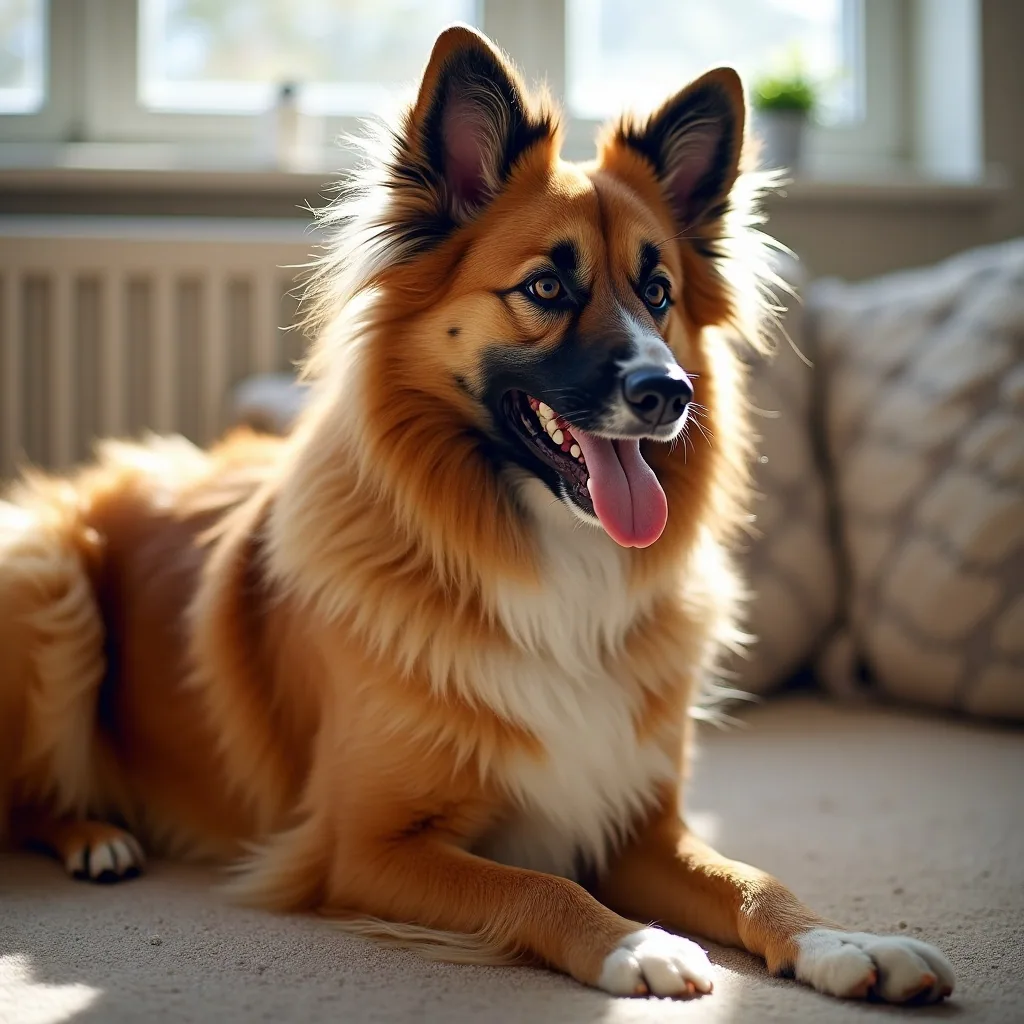
The quick answer
Maine Coons are one of the largest domestic cat breeds. Adult males usually weigh around 6–8kg and females around 4.5–6kg, with some larger individuals. They can measure a good length thanks to their long body and bushy tail, but the record-breaking, dog-sized figures you see online are exaggerated.
Maine Coons are famous for being big — they are routinely described as one of the largest domestic cat breeds, and viral photos of enormous, fluffy cats draped over their owners' arms have only added to the legend. But how big do Maine Coons actually get, and how much of the giant-cat story is real? Here is a clear, honest look at Maine Coon size and growth.
How big is a typical Maine Coon?
Maine Coons are genuinely large cats, though usually not the dog-sized monsters of internet fame. Typical adult males weigh around 6–8kg, while females are generally lighter, around 4.5–6kg. Some individuals fall outside those ranges, and a few exceptional cats are bigger again, but those figures cover most healthy, well-proportioned Maine Coons. For comparison, a typical domestic cat weighs roughly 4–5kg, so a Maine Coon male can be noticeably heavier and substantially longer.
Length and build
A lot of the Maine Coon's impressive appearance comes from build rather than sheer weight. They have a long, muscular, rectangular body, a broad chest, large paws (sometimes with extra toes in some lines), tufted ears and a long, flowing, bushy tail that adds dramatically to their overall length. That magnificent, water-resistant double coat makes them look even bigger, especially in winter, so some of the "giant cat" impression is glorious fur rather than mass. Measured nose-to-tail, a large Maine Coon can be very long indeed, which is where some of the record-style figures come from.
They grow slowly
One of the most distinctive things about the breed is how slowly Maine Coons mature. While most cats reach close to their adult size by around a year, Maine Coons keep developing for far longer — typically filling out and reaching full size and maturity somewhere between three and five years of age. This means a Maine Coon kitten or young adult may still look gangly and lean well past the point where other cats have finished growing. It is completely normal, so do not be tempted to overfeed a youngster in an effort to bulk them up. This slow maturation is one reason patience matters with the breed: the rangy, leggy adolescent you bring home will gradually broaden, develop its full coat and ruff, and grow into those big paws over several years. Enjoy each stage rather than rushing it.
Feeding a growing, large cat
Because they are big and slow-growing, Maine Coons do eat more than an average cat, but the goal is steady, healthy growth, not maximum size. Feed a good-quality, appropriate diet in measured amounts, and judge condition by body shape rather than the number on the scales — you should be able to feel the ribs easily and see a waist from above. Our cat portion control and obesity guide and the pet calorie calculator can help you get portions right as your cat develops. A slow feeder can also help an enthusiastic eater pace themselves.
Separating fact from exaggeration
It is worth being a little sceptical about the most extreme claims. The genuinely record-breaking Maine Coons that make headlines are rare outliers, and online photos are often taken at flattering angles, with the cat stretched out and in full winter coat, to make them look as enormous as possible. A healthy Maine Coon should be large but in proportion — long, muscular and well-covered, not overweight. Pushing a cat to be "as big as possible" through overfeeding only harms its joints, heart and overall health. If anyone tries to sell you a kitten on the promise of a giant adult, treat it as a red flag rather than a selling point.
Big cat, practical needs
A large cat needs appropriately sized kit. Look for a roomy litter tray, a sturdy cat tree or scratcher rated for bigger cats, and a generous bed they can stretch out in. Getting the basics scaled to their size keeps a Maine Coon comfortable and helps protect furniture and joints alike.
The bottom line
Maine Coons are one of the biggest domestic cat breeds, with males commonly 6–8kg, a long muscular body, and a slow climb to full maturity over three to five years. They are impressively large — just not quite the small-dog-sized giants the internet sometimes suggests. For more on living with the breed, see our guides on whether Maine Coons make good pets and grooming and care.
*This is general guidance. If you are unsure whether your cat is the right weight, ask your vet to body-condition score them.*
Sources
- International Cat Care — Maine Coon breed profile (icatcare.org).
- Governing Council of the Cat Fancy (GCCF) — Maine Coon breed standard and information (gccfcats.org).
- PDSA — healthy weight and feeding for cats (pdsa.org.uk).
- Blue Cross — cat care and nutrition (bluecross.org.uk).
Common questions
How big do Maine Coons get?
Maine Coons are one of the largest domestic cat breeds. Adult males usually weigh around 6–8kg and females around 4.5–6kg, with some larger individuals. They can measure a good length thanks to their long body and bushy tail, but the record-breaking, dog-sized figures you see online are exaggerated. They are also slow growers, often not reaching full size and maturity until three to five years old.
When are Maine Coons fully grown?
Maine Coons are famously slow to mature. While most cats are close to adult size by around a year old, Maine Coons keep developing and usually do not reach full size and maturity until somewhere between three and five years of age. A young Maine Coon can look lean and gangly well past the point other cats have finished growing, which is completely normal — feed for steady, healthy growth rather than trying to bulk them up.
Are Maine Coons really as big as the internet says?
Maine Coons are genuinely large, but the most extreme photos are exaggerated. Much of their size is build and coat: a long, muscular body, big paws, tufted ears and a long bushy tail, plus a thick double coat that looks even fuller in winter. The record-breaking giants are rare outliers, and online pictures are often taken to make cats look as huge as possible. A healthy Maine Coon should be large but in proportion, not overweight.
About the author
Matt Garnett — founder, Giddy Pets
Matt started Giddy Pets to make getting pets the good stuff simpler and fairer. Everything in these guides comes from real life with pets and a lot of trial and error — it's practical guidance, not veterinary advice. If a guide gets something wrong, tell him directly.
Free tools & more guides
Read next
Are Maine Coons Good Pets? Temperament & Family Fit
What Maine Coons are really like to live with — their gentle-giant temperament, chirping voice, need for company, and the homes they suit best.
Maine Coon Grooming & Care
How to groom and care for a Maine Coon — brushing the long coat, preventing mats, bathing, nails, teeth, ears and feeding a big, active cat.
How Long Do Maine Coons Live? Lifespan & Health
How long Maine Coons live, the inherited heart, joint and kidney conditions the breed can carry, and how to help yours reach a healthy old age.
How Much Does a Maine Coon Cost? Buying & Lifetime Costs
What a Maine Coon really costs — the purchase price of a health-tested kitten, the lifetime running costs, and why insurance matters for this breed.