
Are Maine Coons Good Pets? Temperament & Family Fit
What Maine Coons are really like to live with — their gentle-giant temperament, chirping voice, need for company, and the homes they suit best.
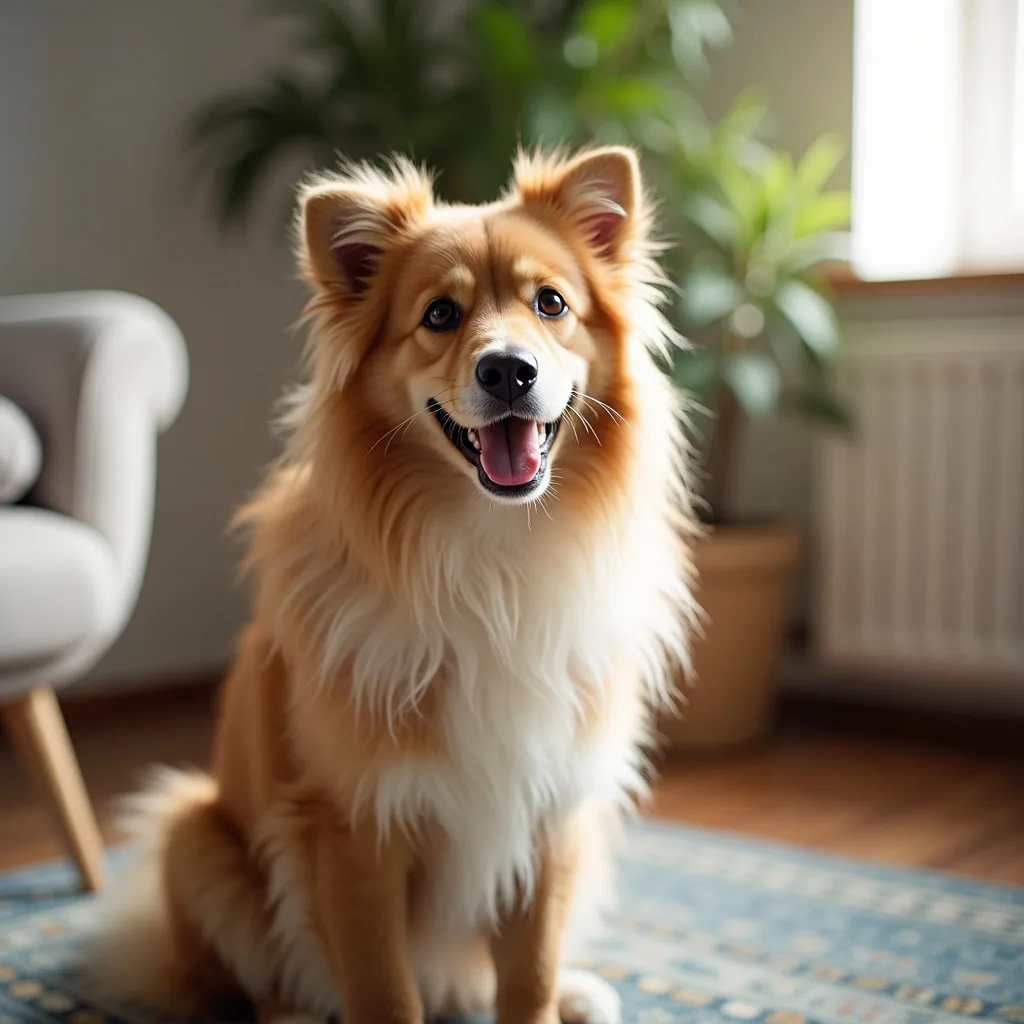
The quick answer
Yes — Maine Coons are one of the most popular pedigree cats for good reason. Nicknamed gentle giants, they are friendly, sociable and often described as dog-like: many follow their owners around, enjoy company and get on well with children and other pets.
Few cats have a reputation quite like the Maine Coon's. Nicknamed the gentle giant, this big, shaggy-coated breed is famous for being friendly, easy-going and almost dog-like in its devotion to its people. But are Maine Coons actually good pets, and would one suit your home? Here is an honest look at the breed's temperament, the quirks that come with it, and the households they fit best.
The gentle-giant temperament
Maine Coons are best known for their calm, affectionate and sociable nature. Despite their impressive size, they tend to be gentle, tolerant and good-natured, which is a big part of why they are one of the most popular pedigree breeds in the UK. They typically enjoy being around their humans, often following them from room to room and settling nearby rather than hiding away. Many owners describe them as a wonderful blend of an independent cat and a loyal companion.
Dog-like in the best way
The "dog-like" label gets used a lot with Maine Coons, and it is fair. Plenty learn to come when called, enjoy interactive play and games of fetch, and take an interest in whatever their family is doing. They are intelligent and curious, which makes them rewarding to live with but also means they need mental stimulation — puzzle feeders, climbing, and regular play sessions keep them happy and out of mischief. Some Maine Coons are even fascinated by water, dabbling in their water bowl or joining you at the tap, which is thought to trace back to the breed's hardy, working origins. None of this is universal — every cat is an individual — but the breed's reputation for being engaged and interactive is well earned.
That famous voice
One of the most charming Maine Coon traits is how they communicate. Rather than a loud, demanding meow, they tend to chirp, trill and chatter in a soft, almost musical way. Owners quickly learn their cat's vocabulary of greetings and requests. It is part of how people-focused the breed is — they genuinely seem to want to talk to you — and it is one of the most endearing things about sharing a home with one.
Good with children and other pets
Maine Coons are generally very good with children and other animals. Their patient, tolerant temperament means they often cope well with the bustle of family life and can form friendships with other cats and even dogs, given calm, gradual introductions. As with any cat, children should be shown how to handle them gently and to respect the cat's need for quiet time, and early interactions should be supervised. Done well, a Maine Coon can be a brilliant family cat.
They need company and engagement
The flip side of being so sociable is that Maine Coons are not a breed that thrives on being left alone for long stretches. They want company, interaction and play. If your household is out all day every day, consider whether a second cat for company, plenty of enrichment, and quality time when you are home would meet their needs. A bored, lonely Maine Coon is a less happy cat, so honest reflection on your lifestyle matters before committing.
Space, climbing and play
Because they are large, active and intelligent, Maine Coons appreciate room to move and things to climb. A sturdy cat tree or tall scratching post that can take their weight is well worth it — browse our cat trees and scratchers for options built for bigger cats. Daily play, comfortable resting spots and a few high perches go a long way to keeping this breed content indoors. A generously sized cat bed also suits a cat of their proportions.
Who do Maine Coons suit?
- Families who want a tolerant, affectionate cat that joins in family life.
- Multi-pet homes, where their easy-going nature usually shines.
- People who are around a fair amount, or can provide company and enrichment.
- Owners happy to groom a long coat several times a week (see our grooming and care guide).
- Anyone who wants a long-term companion and understands the breed's health needs (see our lifespan and health guide).
They are less ideal for households that are out all day with no other pet for company, or for people who want a low-interaction, low-grooming cat.
The honest verdict
For the right home, Maine Coons make outstanding pets: friendly, gentle, sociable and full of character. They ask for company, play and regular grooming in return, and they reward it generously with years of affectionate, chatty companionship.
*This is general guidance. Every cat is an individual, so meet the parents and kittens before choosing, and speak to your vet about your specific situation.*
Sources
- International Cat Care — Maine Coon breed and behaviour (icatcare.org).
- Governing Council of the Cat Fancy (GCCF) — Maine Coon breed information (gccfcats.org).
- Blue Cross — choosing a cat and cat behaviour (bluecross.org.uk).
- PDSA — cat care and companionship needs (pdsa.org.uk).
Common questions
Are Maine Coons good pets?
Yes — Maine Coons are one of the most popular pedigree cats for good reason. Nicknamed gentle giants, they are friendly, sociable and often described as dog-like: many follow their owners around, enjoy company and get on well with children and other pets. They are playful, intelligent and famously chatty, with a soft chirping and trilling voice rather than a loud meow. They do need company, play and space, so suit households that are around and engaged.
Do Maine Coons get on with children and other pets?
Generally very well. Maine Coons are known for being tolerant, patient and sociable, which makes them a popular choice for families and multi-pet homes. They often enjoy the bustle of a busy household and can form friendships with other cats and even dogs when introductions are done slowly and calmly. As with any cat, children should be taught to handle them gently and respect the cat's space, and every introduction should be supervised at first.
Why do Maine Coons make so many sounds?
Maine Coons are famously talkative, but their voice is distinctive: instead of a loud meow they tend to chirp, trill and make soft chattering sounds, often to greet their owners or ask for attention. It is one of the breed's most endearing traits and part of how sociable and people-focused they are. Sudden changes in how vocal your cat is, or any sign of distress, are worth a vet check, but day-to-day chattiness is simply normal Maine Coon character.
About the author
Matt Garnett — founder, Giddy Pets
Matt started Giddy Pets to make getting pets the good stuff simpler and fairer. Everything in these guides comes from real life with pets and a lot of trial and error — it's practical guidance, not veterinary advice. If a guide gets something wrong, tell him directly.
Free tools & more guides
Read next
How Big Do Maine Coons Get? Size & Growth
How big Maine Coons really get — typical adult weights and lengths, their slow growth to full maturity, and the truth behind the giant-cat headlines.
Maine Coon Grooming & Care
How to groom and care for a Maine Coon — brushing the long coat, preventing mats, bathing, nails, teeth, ears and feeding a big, active cat.
How Much Does a Maine Coon Cost? Buying & Lifetime Costs
What a Maine Coon really costs — the purchase price of a health-tested kitten, the lifetime running costs, and why insurance matters for this breed.
How Long Do Maine Coons Live? Lifespan & Health
How long Maine Coons live, the inherited heart, joint and kidney conditions the breed can carry, and how to help yours reach a healthy old age.