


Dog Diarrhoea: Causes, Home Care and When to Worry
Most cases of dog diarrhoea are mild and pass in a day or two. Here's how to care for your dog at home and the red flags that mean it's time to call the vet.
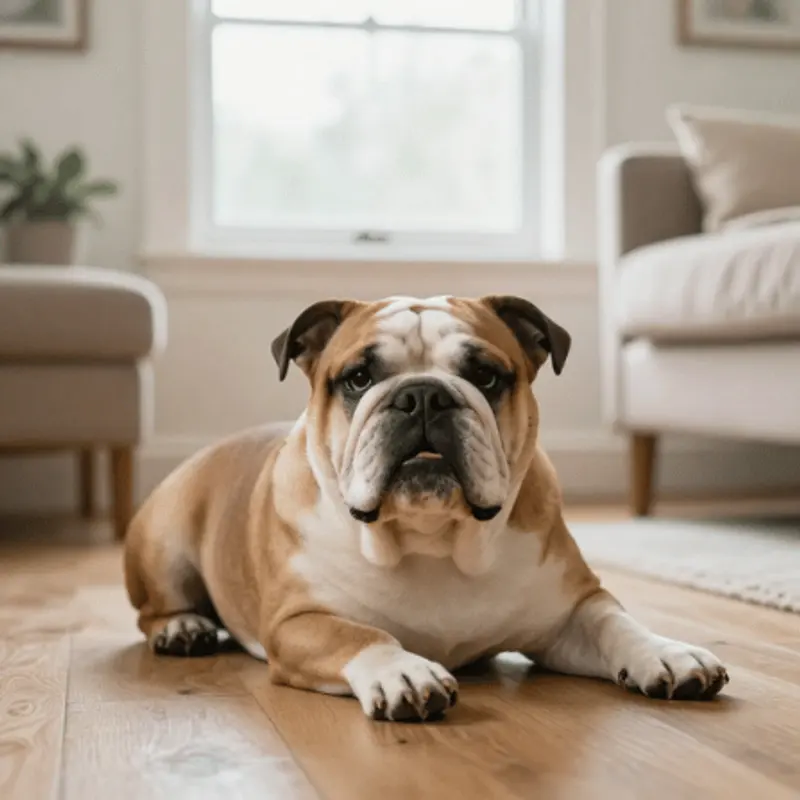
The quick answer
For a mild case in a well adult dog, plenty of fresh water and a bland, easily digestible diet for a day or two often helps. Avoid human anti-diarrhoea medicines and rich foods, and see your vet if it lasts more than 48 hours or your dog is unwell.
A bout of diarrhoea is one of the most common reasons owners worry about their dog — and one of the most common things to clean up off the kitchen floor at 6am. The reassuring news is that most cases are mild and settle within a day or two. But some need a vet, so here's how to tell the difference and care for your dog in the meantime.
This is general guidance, not a substitute for veterinary advice — if you're worried about your dog, contact your vet.
What diarrhoea is
Diarrhoea simply means loose or watery stools, often more frequent and more urgent than usual. It's a symptom rather than a disease — your dog's gut reacting to something and trying to clear it out. Short-lived diarrhoea in an otherwise bright, well dog who is still eating and drinking is usually nothing to panic about.
Common causes
The usual suspects include:
- Dietary indiscretion — eating something they shouldn't, from bin raids to scavenged scraps on a walk.
- A sudden change of food — switching diets too quickly upsets many dogs' tummies.
- Stress or excitement — a new home, kennels, travel or even a big day out.
- Infections and parasites — including worms.
- Food intolerances or sensitivities.
More persistent or recurring diarrhoea can point to underlying conditions that need investigating by your vet.
Signs and symptoms
Beyond the loose stools themselves, the most useful thing is to notice how your dog is in themselves. Are they bright, bouncy and eating, or quiet, flat and off their food? Note the colour and consistency, whether there's any blood or jelly-like mucus, how often it's happening, and whether vomiting is happening alongside it. All of this is genuinely helpful information for your vet.
What you can do at home
For a mild case in an otherwise well adult dog:
- Make sure fresh water is always available — diarrhoea causes fluid loss and can lead to dehydration.
- Many vets suggest a bland, easily digestible diet for a day or two, such as a vet-recommended sensitivity food. Avoid sudden diet changes and rich treats while the tummy settles.
- Reintroduce their normal food gradually once stools firm up, mixing it in over a few days.
- Don't withhold food from puppies, and don't fast adult dogs for long periods without veterinary advice — current guidance has moved away from prolonged starvation.
- Use our can my pet eat this tool to rule out anything they shouldn't have eaten.
Keeping worming up to date prevents a common cause — see how often to worm a dog — and you'll find sensitive-tummy foods and supplies in our shop.
How to prevent tummy upsets
Many bouts of diarrhoea are avoidable with a few sensible habits. Change your dog's food gradually whenever you switch — mixing increasing amounts of the new food with the old over about a week gives the gut time to adjust, rather than the sudden swap that catches so many dogs out. Resist the urge to share rich human food, fatty scraps and table leftovers, which are a frequent trigger. On walks, discourage scavenging and bin-raiding, as eating something off the ground is one of the most common causes of all. Keep worming and parasite control up to date, store food properly so it doesn't spoil, and introduce new treats one at a time so you can spot anything that doesn't agree with your dog. If your dog has a sensitive stomach by nature, a consistent, good-quality diet without constant chopping and changing usually keeps things much steadier. None of this guarantees a cast-iron tummy, but it dramatically cuts down the 6am surprises.
When to see a vet
Contact your vet promptly if:
- There's blood in the diarrhoea, or it's black and tarry (which can indicate bleeding higher up the gut).
- Your dog is also vomiting repeatedly, lethargic, or has a painful or bloated tummy.
- The diarrhoea lasts more than 48 hours, or keeps recurring over weeks.
- Your dog is a puppy, elderly, or has another health condition — these dogs dehydrate faster and need quicker action.
- You suspect they've eaten something toxic or a foreign object such as a toy or sock.
- Your dog seems generally unwell, weak, or won't drink.
Persistent or severe diarrhoea can cause dehydration, so don't leave it too long. Find a vet via our vets directory. If vomiting is also involved, our why is my dog being sick guide will help, and recurring tummy issues sometimes link to dog allergies.
The takeaway
Most diarrhoea is a passing nuisance rather than a crisis, and a well dog who's still bright and eating will usually be back to normal within a day or two with water, rest and a bland diet. The important thing is to keep watching how your dog is in themselves and to act quickly on the red flags — blood, repeated vomiting, lethargy, a painful tummy, or a poorly puppy or senior. Trust your instincts: if something feels more serious than a simple upset tummy, ring your vet.
Sources
Sources
Common questions
What can I give my dog for diarrhoea?
For a mild case in a well adult dog, plenty of fresh water and a bland, easily digestible diet for a day or two often helps. Avoid human anti-diarrhoea medicines and rich foods, and see your vet if it lasts more than 48 hours or your dog is unwell.
Should I starve my dog with diarrhoea?
Current advice has moved away from prolonged starvation. Don't fast puppies, and don't withhold food from adult dogs for long periods without veterinary advice — a bland diet is usually better. Always keep fresh water available.
When is dog diarrhoea an emergency?
Seek prompt veterinary help if there's blood, the stools are black and tarry, your dog is also vomiting, lethargic or in pain, or if a puppy, elderly or unwell dog is affected, as they can dehydrate quickly.
Can stress cause diarrhoea in dogs?
Yes — a stressful event like kennels, travel, or a change of home can upset a dog's tummy and cause short-lived diarrhoea. It usually settles with rest and a bland diet, but see your vet if it persists or your dog is unwell.
About the author
Matt Garnett — founder, Giddy Pets
Matt started Giddy Pets to make getting pets the good stuff simpler and fairer. Everything in these guides comes from real life with pets and a lot of trial and error — it's practical guidance, not veterinary advice. If a guide gets something wrong, tell him directly.
Advice & planning
Free tools & more guides
Practical calculators and trusted guides relevant to this product.
Read next
Why Is My Dog Being Sick? Causes and When to Worry
An occasional bout of sickness is common in dogs, but some vomiting needs urgent care. Here's how to tell the difference and care for your dog at home.

How Often to Worm a Dog: A Simple UK Guide
Worming keeps your dog (and family) healthy, but how often is right? Here's a clear guide to worming routines for puppies and adults, and what your vet recommends.
Dog Allergies: Signs, Triggers and How to Help
Itchy skin, ear infections and tummy upsets can all be signs of allergies. Learn the common triggers, what helps at home, and when your dog needs veterinary care.
Dog diarrhoea: causes and treatment
Why dogs get diarrhoea, how to nurse mild cases at home with a bland diet, and the red-flag symptoms that mean a vet visit is needed