





Dog diarrhoea: causes and treatment
Why dogs get diarrhoea, how to nurse mild cases at home with a bland diet, and the red-flag symptoms that mean a vet visit is needed
The quick answer
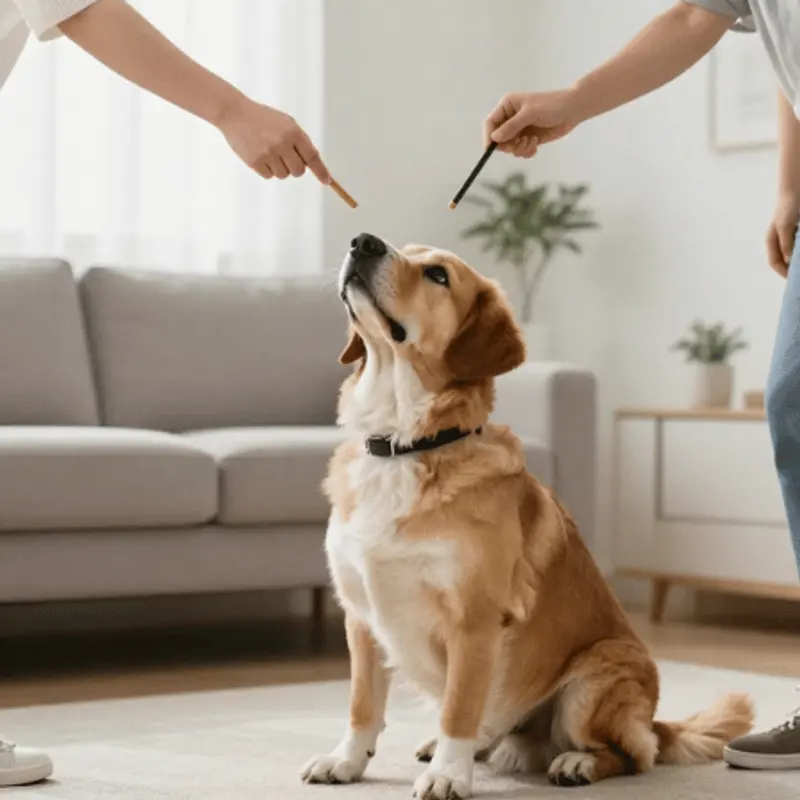
For a healthy adult dog, a short 24-hour fast can sometimes help settle the gut, followed by small, frequent meals of a bland diet like boiled chicken and rice. Puppies, senior dogs, and dogs with existing health conditions should not be fasted and should keep eating small, bland meals instead.
Diarrhoea is one of the most common reasons dog owners contact a vet, and in most cases it looks far more alarming than it actually is. A single bout of loose stools from a dog who is otherwise bright, eating, and drinking normally is rarely a crisis — it's usually the gut's way of clearing out something it didn't like.
That said, diarrhoea can also be the first sign of something that does need veterinary attention, from parasites to infections to more serious conditions affecting the pancreas or liver. Knowing the difference between "watch and wait at home" and "get to the vet" is the single most useful thing you can learn as a dog owner, and it's what this guide focuses on.
Below we cover the most common causes, what different types of diarrhoea can tell you, how to nurse a dog with a mild upset stomach at home, why puppies need a different approach, and the red-flag symptoms that mean it's time to stop waiting and pick up the phone.
Common causes of diarrhoea in dogs
The overwhelming majority of diarrhoea cases in dogs come down to one of a handful of everyday causes. According to Blue Cross and the PDSA, the most likely culprit by far is dietary indiscretion — eating something they shouldn't, whether that's raiding the bin, scavenging on a walk, being given too many treats, or getting into food that's rich, fatty, or simply unfamiliar to their gut. A sudden change of dog food, even a "better quality" one, can have the same effect, which is why vets recommend transitioning to any new diet gradually over 7–10 days.
Beyond scavenging and diet changes, PDSA and VCA Animal Hospitals both list a similar core set of causes:
- Infections — bacterial (Salmonella, Campylobacter), viral (including parvovirus, which is serious and mainly affects unvaccinated puppies), or parasitic (Giardia and coccidia)
- Worms — intestinal parasites are a very common and easily overlooked cause, particularly in puppies and dogs that aren't on a regular worming routine
- Food allergies or intolerances — usually to a specific protein, and typically causing recurring rather than one-off symptoms
- Stress — a house move, a new pet, kennel stays, fireworks, or a change in routine can genuinely upset a dog's gut
- Inflammatory conditions — colitis (inflammation of the colon) and inflammatory bowel disease (IBD) cause more chronic, recurring diarrhoea
- Toxins or poisons — from household chemicals to toxic plants to foods that are safe for us but harmful to dogs, such as onions, grapes, or xylitol
- Organ or organ-adjacent problems — pancreatitis, exocrine pancreatic insufficiency, and liver or kidney disease can all present with diarrhoea
- Foreign body blockages — from swallowing toys, socks, or bones, sometimes causing partial obstructions that show up as diarrhoea or straining
If you're ever unsure whether something your dog has just eaten is dangerous, our Can My Pet Eat This? tool is a fast way to check common foods before you panic or wait it out.
Acute versus chronic diarrhoea
Vets generally split diarrhoea into two categories, and the distinction matters for how worried you should be.
Acute diarrhoea comes on suddenly and, in an otherwise healthy adult dog, usually resolves within a couple of days with simple home care. This is the "ate something dodgy on the walk" type, and it's by far the most common presentation.
Chronic diarrhoea persists, recurs, or keeps coming back over weeks or months. VCA Animal Hospitals notes that ongoing or recurring diarrhoea points towards causes that need proper veterinary investigation rather than home management — things like food allergies, inflammatory bowel disease, chronic infections, or organ disease. Vets Now adds that around a third of dogs with a history of chronic diarrhoea turn out to have colitis, which typically causes frequent, small-volume stools that may contain mucus or fresh blood and can be uncomfortable for the dog to pass.
If your dog's diarrhoea is a one-off, mild, and they're otherwise themselves, home care is reasonable. If it's the third episode this year, or it's been going on in a low-grade way for more than a couple of weeks, that's a chronic pattern and it belongs with your vet, not with another round of bland chicken and rice.
What the colour, consistency and frequency tell you
It's worth actually looking at what's in the diarrhoea before deciding what to do, unpleasant as that is. VCA Animal Hospitals and Blue Cross both flag stool colour as a useful (though not definitive) early warning system:
- Normal stool is a consistent chocolate-brown colour and holds some shape
- Watery, very frequent stools suggest the small intestine is struggling to absorb fluid, which raises the risk of dehydration
- Black, tarry stools can indicate digested blood from higher up the digestive tract and warrant a same-day vet call
- Fresh red blood or mucus often points to the colon or rectum, and is commonly associated with colitis, but should still be checked if it persists
- Green stools can be linked to gallbladder issues, and grey, greasy stools to problems with the pancreas
- Small, frequent, strained motions are typical of large-bowel (colitis-type) diarrhoea, while large-volume, watery stools with weight loss are more typical of small-bowel disease
None of this replaces a vet's assessment, but it does help you describe what's happening clearly if you do need to call — and a phone description of "watery, no blood, once this morning, dog's fine in himself" gets very different advice from "black and tarry, third time today, he won't get up."
Most diarrhoea in dogs settles on its own within a day or two — but persistent, bloody, or worsening diarrhoea in a dog who also seems unwell is always worth a same-day call to your vet.
Home care for mild diarrhoea
If your dog has had loose stools for less than 24 hours, is otherwise bright, drinking, and not vomiting repeatedly, PDSA, Blue Cross and Vets Now all suggest a broadly similar home-care approach.
Keep them hydrated
Diarrhoea causes real fluid loss, so make sure your dog has constant access to fresh water and is actually drinking it. If they're reluctant, a little unsalted stock diluted in water can help tempt them. If your dog is also vomiting, don't let them gulp large amounts in one go, as this can trigger more vomiting — offer small amounts of cooled, boiled water little and often instead.
A short fast can help — but not for every dog
PDSA notes that withholding food for around 24 hours can help settle an adult dog's stomach and give the gut a chance to calm down. Crucially, this only applies to healthy adult dogs. You should not fast puppies, elderly dogs, small or toy breeds, diabetic dogs, or any dog with an existing health condition, since they can become hypoglycaemic or unwell very quickly without food. For these dogs, little-and-often bland meals from the outset is the safer route.
Reintroduce food gently with a bland diet
After the fast (or straight away, for dogs who shouldn't fast), feed small, frequent portions of a bland, low-fat diet. The classic combination recommended across PDSA, Blue Cross, and Vets Now is plain boiled chicken (skinless, boneless) with plain boiled white rice, or white fish with rice as an alternative. Vets Now also lists brown rice, wholemeal pasta, potatoes, and porridge oats cooked in water as suitable bland options. Feed smaller portions than usual, spread across 4–6 meals a day, rather than one or two large ones.
Once stools are back to a normal, formed consistency — usually within a couple of days — gradually mix the bland diet back with your dog's normal food over 2–3 days, rather than switching back overnight, so the gut has time to readjust.
Rest and reduce stress
Keep exercise gentle and avoid anything that raises stress while your dog's gut is settling — long, exciting walks, boarding, or busy visitors can all slow recovery down.
Probiotics and other supportive treatments
Probiotics are commonly recommended by vets as a supportive treatment alongside a bland diet, particularly for diarrhoea linked to antibiotic use, stress, or a diet change. PDSA explains that probiotics work by helping to "top up" the gut's natural population of beneficial bacteria, which can be disrupted by illness or medication, and some formulations also contain ingredients designed to help firm up stools. A typical course runs three to five days, and they're available as tablets, powders, or pastes, usually from your vet practice.
PDSA is clear that vets and owners regularly see good results with probiotics, but that they don't work in every case, and they're not a substitute for veterinary treatment if the underlying cause needs addressing directly. They're considered very safe with minimal risk of side effects, but as with anything you give your dog, it's worth checking with your vet first, especially if your dog is on other medication.
Antibiotics, by contrast, are used more sparingly than many owners expect. PDSA notes that vets are unlikely to prescribe antibiotics unless they specifically suspect a bacterial infection, because antibiotics can sometimes make diarrhoea worse by wiping out the gut's own helpful bacteria along with anything harmful.
Diarrhoea in puppies is different
Diarrhoea is one of the most common reasons puppies are taken to the vet, according to the Kennel Club, and it deserves a lower threshold for concern than in adult dogs. Puppies have far less reserve — they dehydrate faster, and conditions like parvovirus, which is rare in fully vaccinated adults, are a real risk in puppies who haven't completed their vaccination course.
The Kennel Club lists the same broad causes as in adult dogs — stress (new home, new people, travel), sudden diet changes, food intolerances, bacterial or viral infections, parasites, and swallowed toxins — but adds that worms are especially common in young puppies, many of whom are infected with roundworms before birth or through their mother's milk. This is why a regular, vet-recommended worming schedule from a young age matters so much.
Critically, you should not fast a puppy the way you might an adult dog. Their small bodies don't have the energy reserves to go without food safely, so bland meals should continue in small, frequent portions rather than being withheld. The Kennel Club suggests boiled chicken and plain white rice, or a little pureed pumpkin, offered as 6–8 small meals a day rather than the usual one or two.
Contact your vet promptly if a puppy has diarrhoea that lasts beyond a day, contains blood, mucus, or visible worms, or is accompanied by vomiting, lethargy, or signs of dehydration such as dry gums or sunken eyes. Because puppies can deteriorate quickly, it's always better to call and be told it's nothing to worry about than to wait and see.
Common mistakes owners make
A few patterns come up again and again and are worth avoiding:
- Switching foods too fast. Even a genuinely better diet can cause diarrhoea if it's introduced overnight. Always transition over 7–10 days, mixing increasing amounts of the new food with the old.
- Fasting a dog who shouldn't be fasted. Puppies, seniors, small breeds, and dogs with existing conditions need food, not a 24-hour fast.
- Giving human medication. Anti-diarrhoeal or anti-nausea tablets made for people can be toxic to dogs or mask a problem that needs treating. Always check with your vet before giving any medication.
- Waiting too long when blood or lethargy appear. A dog who is quiet, off their food, or passing blood needs same-day veterinary advice, not another 24 hours of "let's see."
- Assuming it's "just something they ate" every time. Recurring diarrhoea, even if each episode seems mild, deserves investigation rather than repeated rounds of chicken and rice.
- Skipping the worming schedule. Regular parasite prevention is one of the simplest ways to rule out a very common and avoidable cause.
Preventing diarrhoea
You can't prevent every cause, but you can meaningfully reduce how often it happens:
- Keep to a consistent diet and introduce any change gradually over 7–10 days
- Stay up to date with vaccinations and worming, both of which protect against major infectious causes
- Keep bins secure and supervise your dog around fallen food, bones, and rubbish on walks
- Avoid feeding table scraps, rich treats, or anything fatty as a "special occasion" extra
- Learn which everyday foods are toxic to dogs, and check before sharing anything unfamiliar
- Manage stress around known triggers — house moves, boarding, or fireworks — with familiar bedding, routine, and where appropriate, advice from your vet on calming support
When to see your vet
Most mild, one-off diarrhoea in an otherwise well adult dog can be managed at home for 24 hours. Beyond that, PDSA, Blue Cross, and Vets Now all agree you should contact your vet if:
- Diarrhoea lasts more than 24 hours in a puppy, or more than a day or two in an adult dog
- There's blood or mucus in the stool, or the stool is black and tarry
- Your dog is vomiting repeatedly, not just diarrhoea alone
- They seem lethargic, weak, or "not themselves"
- They've stopped eating or drinking, or show signs of dehydration
- There are signs of abdominal pain, such as a hunched posture or reluctance to be touched
- Your dog is a puppy, senior, pregnant, or has an existing health condition — these groups warrant earlier advice even with milder symptoms
- You know or suspect they've eaten something toxic, a foreign object, or a large number of bones
If in doubt, a phone call to your vet or an out-of-hours emergency vet line costs nothing and can quickly tell you whether home care is appropriate or whether your dog needs to be seen.
*This is general guidance, not a substitute for advice from your vet, who can assess your individual pet.*
Sources
Common questions
Should I feed my dog if they have diarrhoea?
For a healthy adult dog, a short 24-hour fast can sometimes help settle the gut, followed by small, frequent meals of a bland diet like boiled chicken and rice. Puppies, senior dogs, and dogs with existing health conditions should not be fasted and should keep eating small, bland meals instead. If you are unsure, check with your vet first.
What can I give my dog for diarrhoea at home?
Vets commonly recommend plain boiled chicken or white fish with plain boiled white rice, fed in small portions several times a day, alongside plenty of fresh water. Probiotics are also sometimes suggested to help support gut recovery. Avoid giving human anti-diarrhoeal medication, as it can be unsafe for dogs.
How long does diarrhoea usually last in dogs?
Mild, acute diarrhoea in an otherwise healthy adult dog often settles within a day or two with home care. If it lasts longer than 24-48 hours, keeps recurring, or is accompanied by other symptoms, it is time to speak to your vet rather than continuing to wait it out.
When is dog diarrhoea an emergency?
Seek urgent veterinary attention if there is blood or black, tarry stool, repeated vomiting, lethargy, loss of appetite, signs of abdominal pain, or if your dog is a puppy, senior, or has an existing health condition. These signs can point to something more serious than a simple upset stomach.
Can puppies be treated the same way as adult dogs for diarrhoea?
No. Puppies should not be fasted the way adult dogs sometimes are, since they lack the energy reserves to go without food safely. They should be offered small, frequent bland meals instead, and because puppies can deteriorate quickly and are more vulnerable to conditions like parvovirus, it is best to contact your vet sooner rather than later.
About the author
Matt Garnett — founder, Giddy Pets
Matt started Giddy Pets to make getting pets the good stuff simpler and fairer. Everything in these guides comes from real life with pets and a lot of trial and error — it's practical guidance, not veterinary advice. If a guide gets something wrong, tell him directly.
Advice & planning
Free tools & more guides
Practical calculators and trusted guides relevant to this product.
Read next
Phantom Pregnancy in Dogs: Signs, Causes and Treatment
Pancreatitis in dogs: signs, causes and treatment
A clear, vet-informed guide to spotting pancreatitis in dogs early, understanding what causes it, and helping your dog recover well
Encephalitis in dogs: symptoms, causes and treatment
What encephalitis in dogs actually is, the infectious and immune-mediated causes, warning signs, and how vets diagnose and treat it
Dog Diarrhoea: Causes, Home Care and When to Worry
Most cases of dog diarrhoea are mild and pass in a day or two. Here's how to care for your dog at home and the red flags that mean it's time to call the vet.