

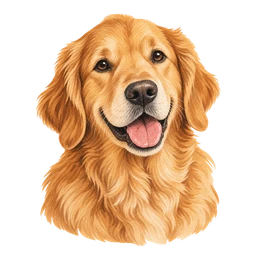

The cleanest dog breeds for a tidy home
A breed-by-breed guide to low-shedding, low-odour dogs, plus the truth about hypoallergenic claims
The quick answer
No dog is truly hypoallergenic, since allergens come from dander and saliva rather than just fur. Low-shedding breeds such as the Poodle, Bichon Frise or Portuguese Water Dog may cause fewer symptoms for some allergy sufferers, but reactions are individual, so spend time with an adult of the breed and speak to your GP or allergist before committing.
If you love dogs but dread the thought of hair drifting across every surface, you're not alone. Plenty of prospective owners ask the same question before bringing a puppy home: which breeds make it easiest to keep a tidy house? The honest answer is more nuanced than a simple top-ten list, because "clean" actually covers several different things — how much a dog sheds, how much it drools, how it smells between baths, and how much mud it tracks in after a walk.
There's good news, though. Some breeds genuinely make life easier on this front, and understanding coat type is the single most useful thing you can do before choosing a puppy. The RSPCA advises prospective owners to think carefully about "how much grooming the puppy will need" before committing to a breed, pointing out that long-haired dogs demand far more of your time than short-coated ones, and that different breeds need very different amounts of care to stay comfortable and presentable.
This guide walks through the breeds most often recommended for a tidier home, explains why "hypoallergenic" is a much slipperier term than the marketing suggests, and covers the everyday habits — not just the coat — that really decide how much cleaning a dog adds to your week.
What actually makes a dog "clean"
When people search for a "clean" breed, they're usually really asking about one or more of four separate things:
- Shedding — how much loose hair ends up on your sofa, clothes and carpets.
- Odour — how "doggy" the dog smells between baths, which is partly down to coat type and partly down to skin condition.
- Drool — some breeds, particularly those with loose jowls, produce far more saliva than others.
- Dirt and mud — long-legged, long-coated dogs pick up more mud and debris on walks than short-legged, short-coated ones, and track more of it indoors.
A dog can score well on one of these and poorly on another. A Poodle, for example, sheds very little but needs daily brushing and frequent professional grooming to stay tangle-free. A Labrador has short fur that's easy to keep neat between washes, but does shed steadily all year round. There's rarely a breed that ticks every box, so it's worth deciding which of the four matters most to you before you fall in love with a particular look.
Low-shedding, curly-coated breeds
Curly and continuously-growing coats are the closest thing to a genuinely low-shedding option, because loose hair tends to stay trapped in the curl rather than falling out onto your floor. The trade-off is that these coats mat quickly if they aren't brushed regularly, so "low-shedding" does not mean "low-maintenance."
Poodle. According to Dogs Trust, the Poodle has a coat that's "low shedding" but needs "regular grooming, often every day," plus professional grooming several times a year to keep it healthy and tangle-free. Poodles are also highly energetic dogs that need plenty of exercise and mental stimulation, so the coat is only part of the commitment.
Bichon Frise. Dogs Trust describes the Bichon's coat as "medium length with low shedding," but notes their curly coat needs daily brushing to prevent matting, with professional grooming recommended every six to eight weeks. On the plus side, Dogs Trust notes Bichons are "typically less active," which can suit owners who enjoy calmer walks.
Shih Tzu. This is a slightly different case: Dogs Trust describes the Shih Tzu's long coat as having "moderate shedding" rather than low, and says it will "typically need brushing every day," with a professional clip every six to eight weeks if you want to keep the coat manageable. Many owners choose a shorter "puppy cut" specifically to cut down on daily grooming time.
Miniature Schnauzer. Dogs Trust describes the Schnauzer's distinctive coarse coat, complete with beard and whiskers, as having "moderate shedding," and says the breed needs regular brushing plus professional grooming several times a year, often including hand-stripping or clipping to keep the wiry texture.
Short, smooth coats that stay tidy
If daily brushing sounds like more commitment than you want, a short, smooth coat is often the more realistic choice for a low-fuss home, even if it isn't marketed as "hypoallergenic."
Whippet. Dogs Trust notes the Whippet has "short fur" with "low shedding," and that it "generally only requires weekly grooming (with a soft brush)." This makes it one of the least demanding breeds to keep tidy day-to-day, with no professional grooming needed for most owners. Sighthounds like the Whippet also tend to have minimal "doggy odour" thanks to their fine, close coat, though as with any dog, regular checks and the occasional bath are still worthwhile.
Labrador. Worth a mention precisely because it's often overlooked: Labradors have famously short fur, but according to the PDSA, short-haired breeds "may only need weekly brushing sessions without regular haircuts." The trade-off is that Labradors are steady, year-round shedders, so while the coat itself is low-maintenance to groom, it isn't a low-hair-on-the-sofa breed.
Wire-coated terriers: tidy, but not maintenance-free
Wiry, dense terrier coats have a reputation for being hardy and low-shedding, and there's some truth to that — but it's worth checking the details before you assume a wiry coat means an easy ride.
Border Terrier. This is a good example of where the popular reputation and the detail don't quite match. Dogs Trust describes the Border Terrier's coat as "short, dense" — but specifically notes it experiences "moderate shedding" and needs brushing "a couple of times a week," plus occasional bathing, since Border Terriers love to dig. Traditionally, terrier coats like this are also hand-stripped by a groomer a few times a year to keep the texture correct, rather than clipped. So while a Border Terrier won't leave drifts of hair everywhere, it isn't quite the shedding-free breed some lists suggest.
No dog is completely hair-free or completely odour-free — the real differences between breeds are in degree, and in how much grooming time they ask of you in return.
The "hypoallergenic" myth, and what's really going on
"Hypoallergenic dog" is one of the most searched terms in this whole topic, and it's worth being straightforward about it: there is no such thing as a truly hypoallergenic dog. The American Kennel Club is clear on this point, stating plainly that "there are no 100% hypoallergenic dogs, dog breeds, or mixed-breeds," even though some breeds are "less allergenic for people with dog allergies."
The reason is that the main trigger for most dog allergies isn't the hair itself. It's a protein called Can f 1, found in dog dander (flakes of skin), saliva and urine. Because dander is shed from the skin rather than grown like hair, even a dog that barely loses any fur still produces dander and saliva. The AKC also points to research that complicates the popular assumption further: a 2011 study found no significant difference in Can f 1 allergen levels between homes with "hypoallergenic" dogs and other homes, and a 2012 study found that Poodles — one of the breeds most often marketed as hypoallergenic — actually had some of the highest allergen levels measured, while Labrador Retrievers, despite being heavy shedders, had significantly lower levels.
None of this means low-shedding breeds are pointless for allergy sufferers. Less loose hair around the home can mean less dander circulating with it, and plenty of people with mild dog allergies do find breeds like the Poodle, Bichon Frise or Portuguese Water Dog more manageable to live with. But it's an individual response, not a guarantee, so anyone with a diagnosed dog allergy should spend meaningful time around the specific breed — ideally an adult dog, not just a puppy — before committing, and talk to their GP or allergist about it first.
Grooming commitment by coat type
It helps to think in terms of coat type rather than breed name, since grooming needs map fairly consistently onto four broad categories. The PDSA sets out general guidance along these lines:
- Long-haired breeds need brushing daily to keep the coat healthy, plus professional trimming around four to six times a year.
- Medium-haired breeds need brushing a few times a week to remove dead hair, with occasional professional trimming.
- Short-haired breeds may only need weekly brushing, without regular haircuts.
- Curly, poodle-cross coats (Cockapoos, Labradoodles and similar) need brushing several times a week, because their curl-prone texture tangles easily, especially when wet.
The PDSA also flags something many owners forget: shedding increases noticeably in spring and autumn as a dog's coat changes for the season, so even a normally tidy breed will need more frequent brushing during these changeover periods, whatever its usual coat type.
It's not just shedding: drool, dirt and doggy odour
Coat type gets most of the attention, but it isn't the whole story of what makes a dog easy to live with.
Drool. Breeds with loose jowls and lips — many spaniels, mastiff types and some hounds — naturally produce more saliva, and that means more wiping down of floors, furniture and, often, your own sleeves. If a spotless kitchen matters to you, checking a breed's jowl shape is at least as useful as checking its coat length.
Mud and outdoor debris. Long feathering on the legs and belly (seen on breeds like Spaniels or Setters) picks up far more mud, grass seeds and general outdoor mess on a walk than a short-legged, short-coated dog. A quick towel-off by the door, or a dedicated dog-drying coat, makes a real difference here regardless of breed.
Between-bath odour. Oily or "self-cleaning" coats tend to hold less noticeable smell between washes than dense double coats, which can trap moisture and odour closer to the skin. Regular brushing — which distributes natural skin oils through the coat — helps keep this in check whatever breed you have, and the RSPCA notes that grooming "removes excess hair and dirt" as one of its core purposes, alongside spotting skin problems early.
Common mistakes when choosing a "clean" breed
A few misconceptions come up again and again when people research this topic:
- Assuming low-shedding means low-maintenance. As the Poodle and Bichon Frise show, some of the least "hairy" breeds actually need the most frequent brushing and the most professional grooming appointments.
- Trusting "hypoallergenic" as a guarantee. As above, it's a spectrum, not a promise, and individual allergic reactions vary.
- Overlooking drool and mud in favour of shedding alone. A short-haired, low-shedding dog can still be the messier choice if it drools heavily or has a habit of digging, as with the Border Terrier.
- Ignoring seasonal shedding. Even tidy breeds moult more heavily during coat changes in spring and autumn, so budget extra grooming time then, whatever breed you choose.
- Choosing on looks or reputation alone, without weighing exercise and temperament. A high-energy, low-shedding breed like the Poodle or Border Terrier will still need daily physical and mental stimulation; a tidy coat doesn't make a dog easier to keep if its exercise needs go unmet.
If you're still weighing up which type of dog would genuinely suit your household, our Pet Ownership Quiz is a useful starting point — it looks beyond coat type at exercise needs, home setup and time commitment before you settle on a breed.
Matching a breed to your lifestyle
The RSPCA's advice on choosing a puppy is a good general rule for this whole topic: consider "how much grooming the puppy will need," be honest about whether you can realistically commit to daily brushing or regular professional appointments, and remember that "different breeds need different amounts of your time" beyond grooming too, including exercise, training and company.
In practice, that means thinking less about a single "cleanest breed" and more about which combination of traits fits your household. If daily brushing sounds unmanageable, a short, smooth-coated breed like a Whippet is likely to suit you better than a Poodle, however low the latter's shedding is on paper. If you don't mind a grooming routine but want to minimise loose hair on furniture, a curly-coated breed becomes much more realistic. And if allergies are the deciding factor, spend time with an adult dog of the breed you're considering before you commit, rather than relying on its reputation alone.
When to see your vet
Sudden changes in shedding, coat texture or odour are worth mentioning to your vet rather than putting down to breed alone. Bald patches, redness, excessive scratching, a strong or unusual smell, or shedding that seems much heavier than normal for the time of year can all point to an underlying skin condition, parasites, or a dietary issue rather than simply "a shedding breed." Regular grooming also gives you a natural opportunity to check your dog's skin and coat for anything unusual between vet visits, so it's worth treating brushing sessions as a quick health check as well as a tidiness routine.
*This is general guidance, not a substitute for advice from your vet, who can assess your individual pet.*
Sources
- PDSA — grooming advice by coat type and seasonal shedding (pdsa.org.uk).
- Dogs Trust — breed profiles for Poodle, Bichon Frise, Miniature Schnauzer, Shih Tzu, Whippet and Border Terrier (dogstrust.org.uk).
- RSPCA — advice on choosing a puppy, including grooming needs by coat type (rspca.org.uk).
- RSPCA — grooming advice and its role in health checks (rspca.org.uk).
- American Kennel Club — on the science of "hypoallergenic" dogs and allergen research (akc.org).
- American Kennel Club — list of breeds commonly described as hypoallergenic or low-shedding (akc.org).
Common questions
What is the cleanest dog breed for someone with allergies?
No dog is truly hypoallergenic, since allergens come from dander and saliva rather than just fur. Low-shedding breeds such as the Poodle, Bichon Frise or Portuguese Water Dog may cause fewer symptoms for some allergy sufferers, but reactions are individual, so spend time with an adult of the breed and speak to your GP or allergist before committing.
Do low-shedding dogs still need a lot of grooming?
Yes, often more than heavier shedders. Curly coats like the Poodle and Bichon Frise trap dead hair rather than dropping it, which means daily brushing and regular professional grooming are needed to prevent matting.
Which dog breeds shed the least?
Curly and continuously growing coats, such as the Poodle and Bichon Frise, are among the lowest-shedding according to Dogs Trust breed profiles. Short, smooth coats like the Whippet also shed lightly and need far less brushing overall.
Can a short-haired dog still make a mess at home?
Yes. Short coats can still shed steadily, and factors like drooling, digging or muddy walks matter just as much as coat length. The Border Terrier, for example, has short fur but is a moderate shedder according to Dogs Trust.
How often should I groom a low-shedding dog?
It depends on coat type. The PDSA recommends daily brushing for long or curly coats, a few times a week for medium coats, and weekly brushing for short coats, with more frequent grooming needed during spring and autumn coat changes.
About the author
Matt Garnett — founder, Giddy Pets
Matt started Giddy Pets to make getting pets the good stuff simpler and fairer. Everything in these guides comes from real life with pets and a lot of trial and error — it's practical guidance, not veterinary advice. If a guide gets something wrong, tell him directly.
Advice & planning
Free tools & more guides
Practical calculators and trusted guides relevant to this product.
Read next
The Most Popular Dog Breeds in the UK
Hypoallergenic Dog Breeds: The Honest UK Guide
Sleepiest dog breeds: which dogs sleep the most
Why some dogs nap most of the day, the breeds and types known for sleeping the most, and when extra sleepiness needs a vet check
Most trainable dog breeds
Which dog breeds are known for being easiest to train, why that is, and what actually makes training succeed once you bring one home