
Bullmastiff Exercise & Care: Heat, Drool and Daily Needs
How much exercise a Bullmastiff needs, why heat is a real risk for this shortened-muzzle breed, managing the drool, and the daily care a giant dog needs.
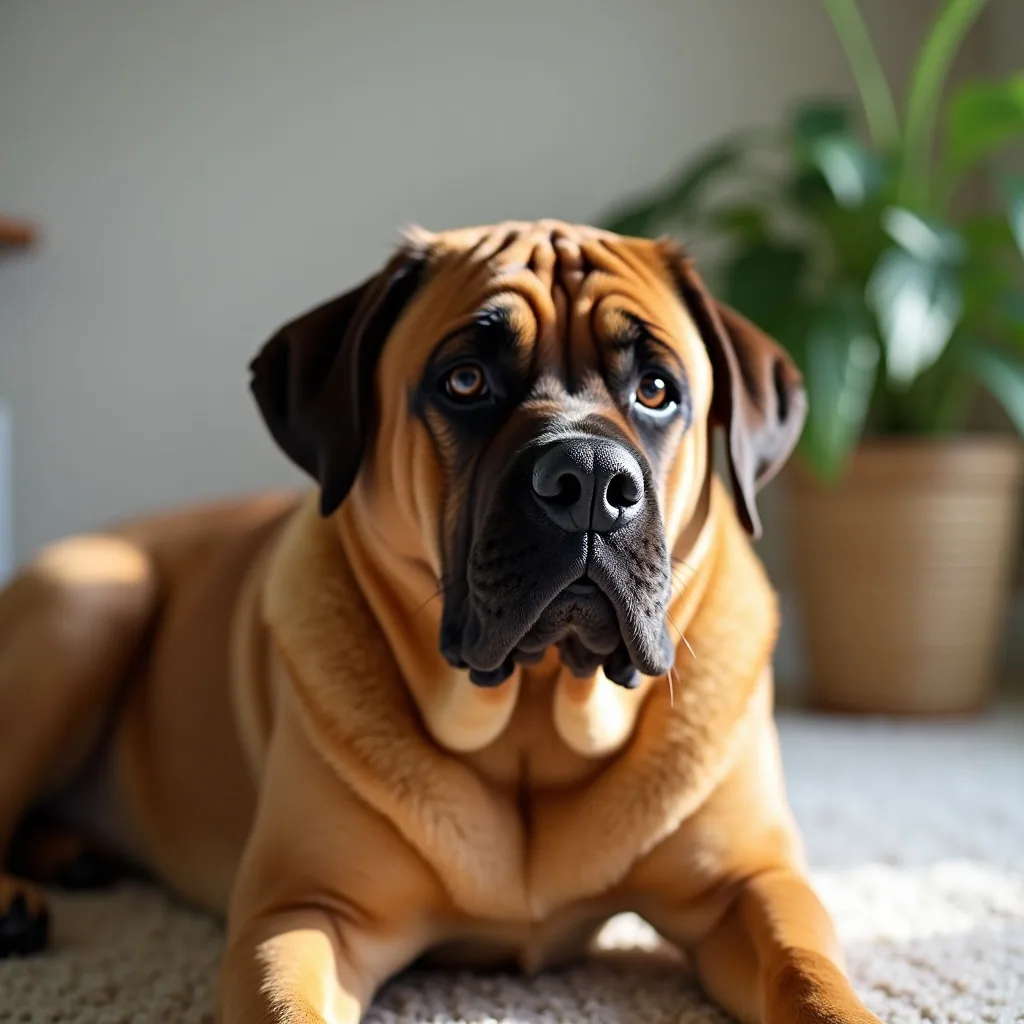
The quick answer
Bullmastiffs need moderate exercise — typically a couple of steady walks a day for an adult, totalling around an hour, rather than long or fast runs. As a giant breed their growing joints are vulnerable, so puppies need careful, limited exercise. Avoid strenuous activity in the heat or straight after meals, and keep your dog lean to protect those joints.
Bullmastiffs may be huge, but they're not a high-energy breed — and getting their exercise and daily care right matters enormously for a giant, moderately flat-faced dog. Here's how much exercise a Bullmastiff really needs, how to keep yours safe in warm weather, and how to handle the drool, grooming and everyday care that come with the breed.
How much exercise does a Bullmastiff need?
Bullmastiffs need moderate exercise — typically a couple of steady walks a day for a healthy adult, totalling around an hour or so, rather than long, fast or repetitive runs. They're guardians, not endurance athletes; a Bullmastiff is usually happy with calm, regular activity and plenty of downtime at home. Mental enrichment — sniffy walks, puzzle feeders, gentle training games — tires them as effectively as miles do.
For puppies, less is more. Giant-breed bones and joints grow for a long time and are vulnerable to damage, so keep young Bullmastiffs to short, gentle exercise, avoid forced running, repetitive ball-chasing and stairs, and don't let them leap on and off furniture. Building muscle slowly protects the joints for life. If in doubt about how much is right for your puppy's age, ask your vet.
Heat: a real risk for this breed
The Bullmastiff is moderately brachycephalic — its shortened muzzle makes panting, the way dogs cool themselves, less efficient than in longer-nosed breeds. Combine that with a large, heavy body and you have a dog that overheats more easily than most. Heatstroke is a genuine, potentially fatal danger.
To keep yours safe in warm weather:
- Walk in the cool of early morning or late evening; skip the midday heat altogether on hot days.
- Never leave a Bullmastiff in a parked car, conservatory or other warm, poorly ventilated space — not even briefly.
- Provide shade and constant fresh water, and a cool spot to lie in at home.
- Watch for warning signs of overheating: heavy or distressed panting, drooling more than usual, bright red gums, wobbliness, vomiting or collapse. Heatstroke is an emergency — cool your dog and contact your vet immediately.
Many Bullmastiffs also snore and breathe noisily, particularly when warm or excited; while often normal for the breed, mention any laboured or worsening breathing to your vet.
Managing the drool
Bullmastiffs drool — it comes with the loose lips and slightly shortened muzzle. Expect strings of saliva after eating, drinking and exercise, and the occasional flung shake. It's entirely normal, but a few habits help: keep a drool cloth or towel to hand, wipe the lips and any facial folds clean and dry to prevent soreness, and accept that a Bullmastiff household is rarely a pristine one. A sudden change in drooling, or drool with a bad smell, is worth a vet check as it can point to dental or other problems.
Grooming and everyday care
The short coat is low-maintenance — a weekly brush keeps it healthy and removes loose hair, with moderate shedding year-round. Beyond the coat, the key routines for a Bullmastiff are:
- Facial and lip folds: wipe clean and dry regularly to avoid moisture-related skin irritation.
- Eyes: check for redness or discomfort, given the breed's tendency to entropion.
- Ears, nails and teeth: routine checks, nail trims and regular tooth-brushing as for any dog.
- Weight: keep your Bullmastiff lean — every extra kilo is a burden on giant-breed joints and the heart.
- A supportive bed: a large, well-cushioned bed protects heavy joints and gives this big dog the comfortable rest it needs.
Feeding and routine
Feed a complete diet suited to a large or giant breed, in measured meals. Because Bullmastiffs are deep-chested and at risk of bloat (GDV), feed calmly, consider splitting the daily ration into two meals, and avoid vigorous exercise right before or after eating. A slow feeder helps a fast eater slow down.
When to see your vet
Contact your vet if your Bullmastiff shows signs of overheating, laboured or worsening breathing, a swollen belly with retching (an emergency), eye discomfort, sore facial folds, or any sudden change in drooling, appetite or energy. With a giant, heat-sensitive breed, acting early is always the safer choice.
*This is general guidance, not a substitute for advice from your vet, who can assess your individual dog.*
Sources
- RVC VetCompass — UK dog health research, including brachycephalic and giant-breed care (rvc.ac.uk/vetcompass).
- UK Kennel Club & BVA — breed care and exercise guidance (thekennelclub.org.uk).
- PDSA — dog exercise, heat safety and grooming (pdsa.org.uk).
- Blue Cross — dog care and warm-weather safety (bluecross.org.uk).
Common questions
How much exercise does a Bullmastiff need?
Bullmastiffs need moderate exercise — typically a couple of steady walks a day for an adult, totalling around an hour, rather than long or fast runs. As a giant breed their growing joints are vulnerable, so puppies need careful, limited exercise. Avoid strenuous activity in the heat or straight after meals, and keep your dog lean to protect those joints.
Do Bullmastiffs cope well in hot weather?
Not especially. Bullmastiffs are moderately brachycephalic — their shortened muzzle makes cooling by panting less efficient, so they're more heat-sensitive than longer-nosed breeds. Walk in the cool of the day in summer, never leave them in a warm car or conservatory, provide shade and water, and watch closely for any signs of overheating, which is a genuine emergency.
Do Bullmastiffs drool a lot?
Yes — Bullmastiffs are droolers. Their loose lips and slightly shortened muzzle mean saliva collects and gets flung around, especially after eating, drinking or exercise. Keep a cloth to hand, wipe the facial folds clean and dry, and accept a bit of mess as part of life with the breed. A sudden change in drooling is worth a vet check.
About the author
Matt Garnett — founder, Giddy Pets
Matt started Giddy Pets to make getting pets the good stuff simpler and fairer. Everything in these guides comes from real life with pets and a lot of trial and error — it's practical guidance, not veterinary advice. If a guide gets something wrong, tell him directly.
Free tools & more guides
Read next
How Much Does a Bullmastiff Cost to Keep in the UK?
A realistic look at the cost of owning a Bullmastiff in the UK — purchase price, giant-breed food and insurance, vet bills and the lifetime budget.
How Long Do Bullmastiffs Live? Lifespan & Health
Bullmastiffs live around 8–10 years. The joint, bloat, heart and cancer conditions this giant guardian breed is prone to, and how to help yours stay well.
Are Bullmastiffs Good Family Dogs? Temperament & Training
Bullmastiffs are calm, devoted family guardians. Their gentle-giant temperament, why early socialisation matters, and the UK legal facts — not banned.
How Much Exercise Does a Cocker Spaniel Need?
How much exercise does a Cocker Spaniel really need? A practical UK guide to daily walks, the working-versus-show energy gap, why sniffing and retrieve games matter for this gundog, safe puppy exercise, and the warning signs your Cocker is bored.