


The Best Food for Senior Dogs: An Honest Guide
Older dogs don't all need the same thing. What changes with age, when senior food helps, calories, protein, joints and tempting fussy old dogs to eat.
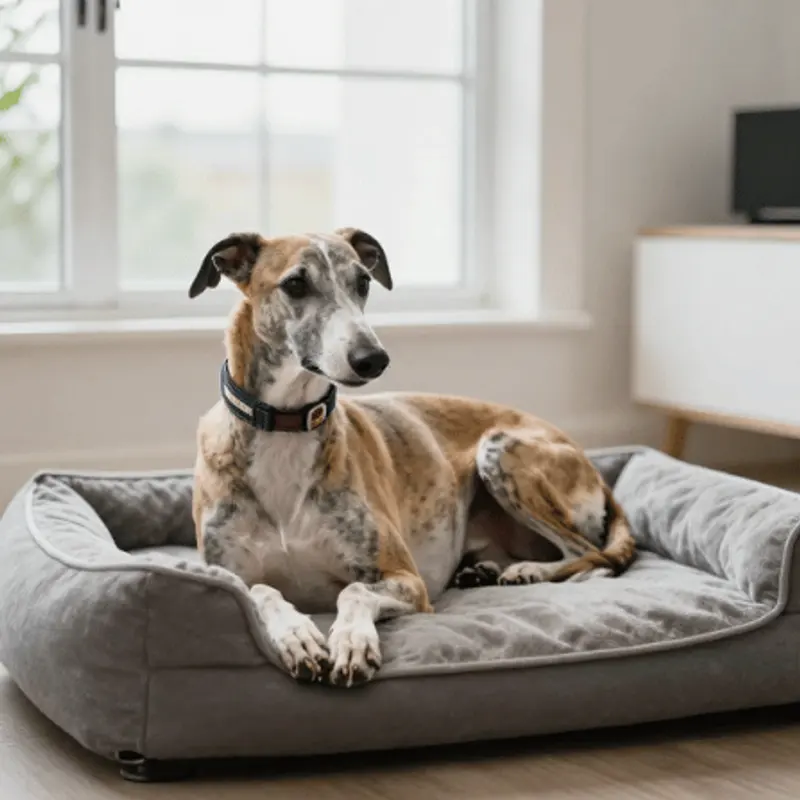
The quick answer
There's no fixed age — large breeds age sooner than small ones. Switch for a reason (weight change, a diagnosed condition, or vet advice) rather than purely by birthday. A healthy older dog doing well on their food doesn't have to change.
Watching your dog get older is bittersweet, and food is one area where small tweaks can keep them comfortable and well for longer. But "senior" food is a broad category, and the right choice depends on your individual dog rather than their age on the calendar.
This is general guidance, not veterinary advice — ask your vet about your dog's diet, especially as they age.
When is a dog "senior"?
There's no single birthday. Larger breeds tend to age faster and may be considered senior from around six or seven, while small breeds often stay sprightly well past that. What matters is the individual dog — mobility, weight, appetite and any health conditions tell you more than the number.
What actually changes with age
Older dogs often become less active, so they may need fewer calories to avoid putting on weight. At the same time, some senior dogs start to lose condition and muscle and need help maintaining it. So two older dogs can need almost opposite things: one needs trimming down, the other needs building up. This is exactly why there's no universal "best" senior food.
Digestion, teeth, kidney and other organ function can also change with age, which sometimes makes softer food, smaller meals or a specific therapeutic diet more suitable. Dental pain is a common, under-recognised reason older dogs go off their food.
Do you need a "senior" labelled food?
Not necessarily. Senior diets are often slightly lower in calories and may include added support for joints or digestion, which suits many older dogs. But the "senior" label isn't tightly regulated, so formulas vary a lot. A healthy older dog doing well on their current complete food doesn't automatically need to switch. The trigger to change is usually a specific reason — weight gain, weight loss, a diagnosed condition, or your vet's advice.
Calories and weight still come first
Keeping an older dog at a healthy weight protects ageing joints and organs. Use the calorie calculator to check portions, how many calories does my dog need to understand the maths, and the weight tracker to spot drift early — unexplained weight loss in an older dog is always worth a vet visit.
Protein, joints and supplements
The old idea that healthy older dogs should be on low protein has largely fallen out of favour; many older dogs benefit from good-quality protein to maintain muscle, and protein is only restricted for specific medical reasons on veterinary advice. Joint-support ingredients are common in senior foods, but if your dog has stiffness or arthritis, talk to your vet about a proper plan rather than relying on diet alone.
Tempting a fussy older dog
If your senior dog goes off their food, don't just assume they're being picky — a sudden change in appetite warrants a vet check, since dental pain, nausea and illness are common causes. Once anything serious is ruled out, warming food slightly, adding a little water or moisture, smaller more frequent meals, and softer textures can all help.
Before tempting them with human food, check it's safe using can my pet eat this.
Therapeutic diets and existing conditions
As dogs age, conditions like kidney disease, heart disease, arthritis or a sensitive gut become more common, and some of these are managed partly through diet. These prescription or therapeutic diets are genuinely different from ordinary "senior" food — they're formulated for a specific medical purpose and should only be fed on your vet's recommendation, not chosen off the shelf. If your older dog has been diagnosed with something, ask your vet whether their food should change; sometimes the right diet does real work alongside any medication.
Practical feeding tweaks for older dogs
Beyond the food itself, a few small changes make mealtimes easier for an older dog. Raised bowls can be more comfortable for dogs with stiff necks or backs, though they don't suit every dog, so see what your dog prefers. Smaller, more frequent meals can be gentler on digestion and help dogs that tire easily. Keeping a steady routine matters too, since older dogs can find sudden change unsettling. And because dental disease is so common with age, mention any reluctance to chew, dropping food, or bad breath to your vet — sorting the teeth often brings the appetite straight back.
Keep watching the trend
The most useful habit with a senior dog is simply paying attention. Weigh them regularly, run a hand over their ribs and spine every so often to feel for changes, and note any shift in appetite, thirst, energy or toileting. Older dogs can decline gradually enough that you don't notice day to day, so the weight tracker and a quick monthly check give you an early warning that something's worth a vet's eye.
Browse options in dog food & treats, see our wider senior dogs hub for life beyond the bowl, and find a local practice via the vet directory.
Sources
Common questions
At what age should I switch to senior dog food?
There's no fixed age — large breeds age sooner than small ones. Switch for a reason (weight change, a diagnosed condition, or vet advice) rather than purely by birthday. A healthy older dog doing well on their food doesn't have to change.
Do older dogs need low-protein food?
Generally no. The old low-protein advice has largely fallen out of favour, and many older dogs benefit from good-quality protein to maintain muscle. Protein is restricted only for specific medical reasons, on vet advice.
My old dog has gone off their food — what should I do?
Don't assume fussiness. A sudden appetite change in an older dog can signal dental pain, nausea or illness, so book a vet check. Once anything serious is ruled out, warming food, adding moisture and smaller meals can help.
About the author
Matt Garnett — founder, Giddy Pets
Matt started Giddy Pets to make getting pets the good stuff simpler and fairer. Everything in these guides comes from real life with pets and a lot of trial and error — it's practical guidance, not veterinary advice. If a guide gets something wrong, tell him directly.
Advice & planning
Free tools & more guides
Practical calculators and trusted guides relevant to this product.
Read next

How Much Should I Feed My Dog? (Adult Dogs)
For adult dogs, the right amount is calorie- and condition-based, not just whatever the bag says. How to read pack guides, check body condition, and adjust.
How to Help a Dog Lose Weight Safely
Many UK dogs are overweight, and it creeps up quietly. A safe, practical plan: check condition, cut calories sensibly, rethink treats, build activity and track progress.
Wet vs Dry Dog Food: Which Is Better?
Neither wins outright. A fair side-by-side on cost, teeth, hydration, palatability and convenience — plus why mixing the two is a perfectly good option.

Feeding your puppy or dog: a complete guide
How much and how often to feed dogs at every life stage, from a four-meals-a-day puppy to a senior needing fewer calories