


Are French Bulldogs Good Family Dogs?
Affectionate, comical and happy on the sofa, French Bulldogs can make lovely family companions — but their flat-faced health needs and training quirks are real. Here's an honest UK look at whether a Frenchie suits your home.

The quick answer
Generally yes — Frenchies are laid-back, sturdy and adaptable, and tend to get on well with children of all ages. But you should always supervise play with small children, both to keep it from getting too boisterous and to protect the dog's flat face and chest from rough handling.
French Bulldogs have rocketed up the UK's most-loved list — by 2022 they were second only to the Labrador, with the Kennel Club recording 42,538 new registrations that year. It's easy to see the appeal. They're affectionate, comical little characters who'd rather be on your lap than anywhere else. But popularity and suitability aren't the same thing, and a Frenchie comes with some genuine realities worth weighing before you commit.
A loving, comical companion
The Royal Kennel Club calls the French Bulldog "the popular clown of the bull breeds," and that sums them up nicely. They're people-orientated, laid-back and thrive on company — happiest pottering around the house with their family rather than off on a five-mile hike. Their big personalities and entertaining streak make them brilliant company, and because they're small and relatively low-energy, they fit easily into family routines.
That said, being so devoted to their people means Frenchies don't cope well being left alone for long stretches. If your household is out all day, this isn't the breed for you.
With children and other pets
Frenchies are generally adaptable and tend to get along well with children of all ages, which is part of why they've become such a popular family choice. They're sturdy little dogs and usually patient.
That doesn't replace supervision, though. As with any dog, interactions between a French Bulldog and small children should always be supervised — partly to keep play from getting too boisterous, and partly because their flat-faced build means rough handling around the chest or face is a genuine risk. Teach children to leave the dog alone when it's resting or eating.
With other pets, early socialisation matters. Well-socialised Frenchies usually get on with other dogs, but they can have a high prey drive, so unfamiliar cats and small animals may get chased.
Why they suit flats and less-active families
This is where the breed genuinely shines. The Kennel Club classes the French Bulldog as a small breed suited to flat or apartment living with only a small or medium garden. They need up to an hour of exercise a day, ideally split into a few shorter walks with time for a sniff and a play — far more manageable than a high-drive breed.
That makes them a sensible fit for less-active households, older owners, or anyone without a big garden — provided you can give them company and gentle daily activity.
The realities to weigh
Here's the honest part. The French Bulldog's flat face (it's a brachycephalic breed) comes with real health considerations, and you should go in with your eyes open.
Breathing and overheating. Many Frenchies are affected by BOAS (brachycephalic obstructive airway syndrome), where narrowed nostrils and a long soft palate make breathing harder. This is why you must never over-exercise a Frenchie, and why they overheat dangerously fast — especially in warm weather. In summer, walk early morning or late evening, never in the midday heat, and watch closely for laboured breathing. The Kennel Club now runs a Respiratory Function Grading scheme to help breeders test for BOAS, so look for parents that have been assessed.
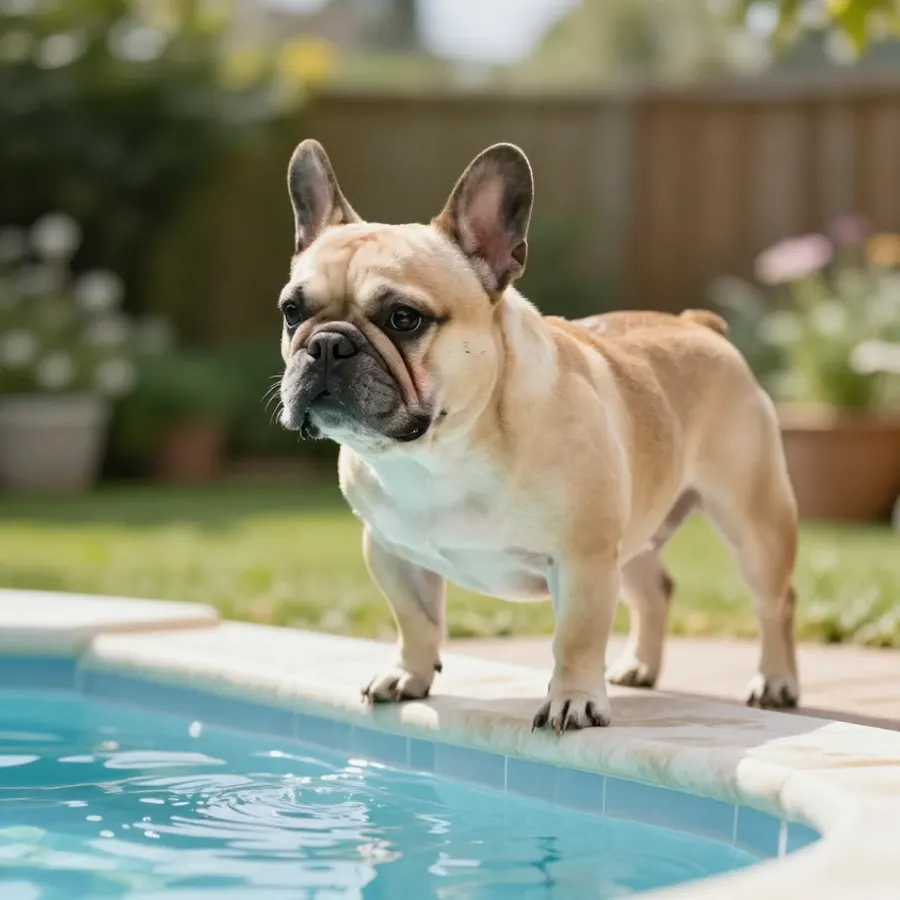
They can't swim. Their barrel chest, big head and short legs make them poor swimmers, so keep yours on a lead near ponds, lakes and pools.
Spine and other issues. Frenchies are notably prone to intervertebral disc disease (a back condition), along with skin-fold dermatitis, dental crowding and eye problems. UK research has put the breed's average life expectancy at around 9.8 years — shorter than many small breeds.
Vet costs. All of this adds up. The PDSA estimates a minimum of around £70 a month after purchase, potentially over £12,000 across a lifetime — and that's before treating any of the conditions above. Good insurance is essential.
Snoring and stubbornness. Be ready for the soundtrack: Frenchies snore, snuffle and snort thanks to that short face. And while they're eager to please, they can be strong-willed, so patient, reward-based training (and a sense of humour) goes a long way.
So, who do they suit?
A French Bulldog can be a wonderful family dog for the right home: people who are around for much of the day, can budget for higher vet and insurance costs, are happy with gentle exercise, and will supervise carefully around small children. If you want a low-exercise, affectionate companion for a flat or a quieter household, a well-bred, health-tested Frenchie ticks a lot of boxes — just go in knowing the full picture.
Sources
Common questions
Are French Bulldogs good with young children?
Generally yes — Frenchies are laid-back, sturdy and adaptable, and tend to get on well with children of all ages. But you should always supervise play with small children, both to keep it from getting too boisterous and to protect the dog's flat face and chest from rough handling. Teach children to leave the dog alone when it's resting or eating.
How much exercise does a French Bulldog need?
Up to about an hour a day, ideally split into a few shorter walks with time to sniff and play. Crucially you must never over-exercise a Frenchie or walk them in the heat, as their flat face means they overheat and struggle to breathe quickly. Stick to cooler parts of the day in summer.
Why do French Bulldogs snore and snuffle so much?
It's down to their brachycephalic (flat-faced) build. Shortened airways, narrowed nostrils and a longer soft palate mean many Frenchies snore, snort and snuffle. Loud or laboured breathing can also be a sign of BOAS, so it's worth choosing a puppy from parents assessed under the Kennel Club's Respiratory Function Grading scheme and flagging any concerns with your vet.
Can French Bulldogs swim?
Not well. Their barrel-shaped chest, large head and short legs make it very hard for them to keep afloat, so they're poor swimmers. Always keep your Frenchie on a lead near ponds, lakes and swimming pools, and never leave one unsupervised around water.
Are French Bulldogs expensive to keep?
They can be. The PDSA estimates a minimum of around £70 a month after purchase — potentially over £12,000 across a lifetime — and that's before treating any breed-related conditions such as breathing, spine, skin or eye problems. Comprehensive pet insurance is strongly recommended for the breed.
About the author
Matt Garnett — founder, Giddy Pets
Matt started Giddy Pets to make getting pets the good stuff simpler and fairer. Everything in these guides comes from real life with pets and a lot of trial and error — it's practical guidance, not veterinary advice. If a guide gets something wrong, tell him directly.
Advice & planning
Free tools & more guides
Practical calculators and trusted guides relevant to this product.
Read next
Can French Bulldogs Swim? Water Safety Guide
Most French Bulldogs can't swim safely and can drown easily. Why, and how to let yours enjoy water without the risk.

How Long Do French Bulldogs Live? Lifespan & Health
How long French Bulldogs live, the health conditions linked to their flat-faced body shape, and how to give yours the healthiest, most comfortable life.
French Bulldog Health Problems Every Owner Should Know
French Bulldogs are wonderful companions, but the breed carries some well-documented health risks linked to its flat-faced shape. Here's an honest, vet-informed look at the big ones, how to lower the odds, and why choosing a health-tested breeder matters so much.
Keeping a French Bulldog Cool & Safe in Hot Weather
French Bulldogs are one of the breeds most at risk of heatstroke in the UK — their flat faces mean they simply can't pant heat away the way other dogs can. Here's how to keep your Frenchie cool, the danger signs to watch for, and exactly what to do in an emergency.