
Are Burmese Cats Good Pets? Temperament & Home Fit
What Burmese cats are really like to live with — their affectionate, people-oriented, dog-like temperament, their need for company, and the homes they suit best.
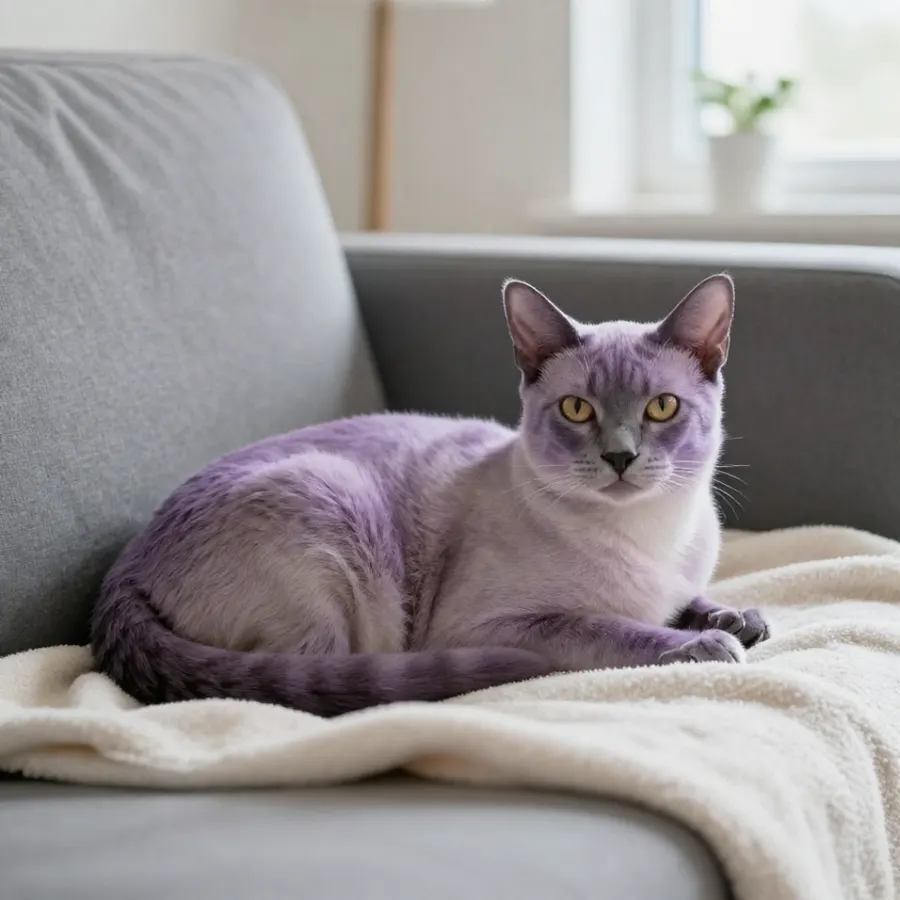
The quick answer
Yes — Burmese are one of the most affectionate and people-oriented cat breeds, which makes them wonderful pets for the right home. They are famously sociable, playful and often described as dog-like: many follow their owners around, ride on shoulders, and want to be involved in everything.
Few cats are as devoted to their people as the Burmese. Sleek, muscular and surprisingly heavy for their size, this short-haired breed is famous for being warm, sociable and almost dog-like in its attachment to its family. But are Burmese cats actually good pets, and would one suit your home? Here is an honest look at the breed's temperament, the quirks that come with it, and the households they fit best.
The people-oriented temperament
Burmese are best known for being intensely affectionate and people-focused. They are not aloof, independent cats content to do their own thing — they want to be with you, on you, and involved in whatever is going on. Many will greet you at the door, ride around on a shoulder, curl up on a lap at every opportunity and follow their humans from room to room. This devotion is the breed's defining quality and the main reason people fall for them. If you want a cat that is genuinely a companion rather than a quiet housemate, the Burmese delivers in spades.
Dog-like in the best way
The "dog-like" label gets used a lot with Burmese, and it is fair. Plenty learn to come when called, enjoy interactive play and games of fetch, and take a keen interest in family life. They are intelligent, curious and confident, which makes them rewarding to live with but also means they need mental stimulation — puzzle feeders, climbing and regular play sessions keep them happy and out of mischief. Their athletic, muscular build matches an energetic nature, and they stay playful and kitten-like well into adulthood. None of this is universal — every cat is an individual — but the breed's reputation for being engaged and interactive is well earned. Explore our puzzle and enrichment range to keep that clever mind busy.
That sweet, persistent voice
One of the charming Burmese traits is how they communicate. They tend to have a soft, sweet, fairly persistent voice — quieter and less raspy than their Siamese relatives — which they use to greet you, ask for attention or simply chat. Owners quickly learn their cat's vocabulary of requests. It is part of how people-focused the breed is: they genuinely seem to want to talk to you, and it is one of the most endearing things about sharing a home with one.
Good with children and other pets
Burmese are generally very good with children and other animals. Their sociable, tolerant temperament means they often cope well with the bustle of family life and can form friendships with other cats and even dogs, given calm, gradual introductions. As with any cat, children should be shown how to handle them gently and to respect the cat's need for quiet time, and early interactions should be supervised. Because the breed loves company so much, a second cat is often a benefit rather than a complication.
They need company and dislike being alone
The flip side of being so sociable is the most important thing to understand about the breed: Burmese do not cope well with being left alone for long stretches. They crave company, interaction and play, and a Burmese left on its own all day can become bored, frustrated or stressed, sometimes showing it through over-grooming, destructive behaviour or constant attention-seeking. If your household is out all day every day, think honestly about whether the breed suits you. Many owners keep two cats together so they always have a companion, alongside plenty of enrichment and quality time when people are home.
Space, climbing and play
Because they are active, athletic and intelligent, Burmese appreciate room to move and things to climb. A sturdy cat tree or tall scratching post is well worth it — browse our cat trees and scratchers for options. Daily play, comfortable resting spots and a few high perches go a long way to keeping this breed content indoors. A cosy cat bed in a warm spot suits a breed that loves to snuggle.
Who do Burmese suit?
- Families and sociable households who want an affectionate, interactive cat that joins in.
- Multi-pet homes, where their outgoing nature usually shines and a companion meets their social needs.
- People who are around a fair amount, or who can provide a feline friend and enrichment.
- Owners who want low grooming — the short coat needs only a weekly brush.
- Anyone who wants a long-term companion and understands the breed's health needs (see our health problems guide).
They are less ideal for households that are out all day with no other pet for company, or for people who want a quiet, low-interaction, independent cat. For more on the breed's character, see our personality and behaviour guide.
The honest verdict
For the right home, Burmese make outstanding pets: affectionate, sociable, playful and full of character, with the bonus of an easy-care coat. They ask for company, interaction and stimulation in return — and they reward it generously with years of devoted, cuddly companionship.
*This is general guidance. Every cat is an individual, so meet the parents and kittens before choosing, and speak to your vet about your specific situation.*
Sources
Common questions
Are Burmese cats good pets?
Yes — Burmese are one of the most affectionate and people-oriented cat breeds, which makes them wonderful pets for the right home. They are famously sociable, playful and often described as dog-like: many follow their owners around, ride on shoulders, and want to be involved in everything. They are intelligent, interactive and bond closely with their family, including children and other pets. The flip side is that they hate being left alone for long, so they suit households that are around and engaged rather than out all day.
Do Burmese cats get on with children and other pets?
Generally very well. Burmese are sociable, tolerant and outgoing, which makes them a popular choice for families and multi-pet homes. They often enjoy the bustle of a busy household and can form close bonds with other cats and even dogs when introductions are done slowly and calmly. As with any cat, children should be taught to handle them gently and respect the cat's space, and every introduction should be supervised at first. Their love of company often means a second cat is a benefit rather than a problem.
Do Burmese cats need company?
Yes, more than most breeds. The Burmese is one of the most people-oriented of all cats and genuinely struggles with being left alone for long periods. A Burmese left on its own all day can become bored, frustrated or stressed, which may show as over-grooming, destructive behaviour or attention-seeking. If your household is out for long stretches, think hard about whether the breed suits you, and consider keeping two cats together for company alongside plenty of enrichment and quality time.
About the author
Matt Garnett — founder, Giddy Pets
Matt started Giddy Pets to make getting pets the good stuff simpler and fairer. Everything in these guides comes from real life with pets and a lot of trial and error — it's practical guidance, not veterinary advice. If a guide gets something wrong, tell him directly.
Free tools & more guides
Read next
Burmese Cat Personality & Behaviour
A close look at the Burmese cat personality — affectionate, playful, intelligent and intensely social — plus the behaviour quirks and needs that come with it.
Burmese Cat Health Problems: An Honest Guide
An honest, factual guide to Burmese cat health problems — hypokalaemia, diabetes, the Burmese head defect, flat-chested kitten syndrome and dental disease.
How Much Does a Burmese Cat Cost? Buying & Lifetime Costs
What a Burmese cat really costs — the purchase price of a health-tested kitten, the lifetime running costs, and why insurance matters for this breed.

How Long Do Burmese Cats Live? Lifespan & Health
How long Burmese cats live, the inherited conditions the breed can carry, and the practical things that help yours reach a healthy old age.