
Are Bullmastiffs Good Family Dogs? Temperament & Training
Bullmastiffs are calm, devoted family guardians. Their gentle-giant temperament, why early socialisation matters, and the UK legal facts — not banned.

The quick answer
Bullmastiffs are devoted, calm and naturally protective family guardians that are often gentle and affectionate with their own household. They're powerful dogs, so they need early socialisation, positive training and supervision around small children. They suit owners who'll put in that early groundwork.
Big, calm and deeply loyal, the Bullmastiff was bred to guard — and that history shapes a dog that is both wonderfully devoted to its family and powerful enough to demand responsible ownership. So are Bullmastiffs good family dogs? For the right household, very much so. Here's what they're like to live with, how to train and socialise them, and the UK legal facts every owner should know.
The Bullmastiff temperament
Bullmastiffs are best described as gentle giants. At home they tend to be calm, affectionate and steady, forming an intense bond with their family. They're naturally protective and alert — the breed was developed to deter intruders — but a well-bred, well-raised Bullmastiff is not a hyperactive or nervy dog. They're more inclined to lean against your leg and watch over the household than to bounce off the walls.
That said, they are strong-willed in a quiet way and physically enormous. A Bullmastiff that hasn't learned good manners isn't being malicious, but a 55kg dog that pulls, jumps up or barges through doorways is a genuine handful. The temperament you want — calm, biddable, confident — is shaped by early experience and consistent training, not left to chance.
Are Bullmastiffs good with children?
Many Bullmastiffs are patient and affectionate with the children they're raised with, and their steady nature can make them lovely family dogs. But two things always apply. First, size: even a gentle Bullmastiff can knock over a toddler simply by turning around, so supervision around small children is essential. Second, the usual golden rule — never leave any dog and young child unsupervised, and teach children to respect the dog's space, especially around food and rest. Done sensibly, Bullmastiffs and older, dog-savvy children often get on beautifully.
Socialisation: start early
Because the Bullmastiff is a powerful guardian breed, early, positive socialisation is non-negotiable. From puppyhood, introduce yours calmly and happily to a wide variety of people, friendly dogs, places, sounds and everyday situations. The goal is a confident adult that takes the world in its stride rather than reacting to it. A well-socialised Bullmastiff is relaxed in public; an under-socialised one of this size and strength is a problem you'll be managing for years.
Training a Bullmastiff
Bullmastiffs respond best to positive, reward-based training built on consistency and a calm, confident handler. They're intelligent and want to please their family, but they don't take well to harsh handling. Focus early on the essentials that matter most in a giant breed: reliable lead manners (a well-fitted harness helps you walk a strong dog comfortably), a solid recall, settling calmly, and not jumping up. Keep sessions short, upbeat and frequent, and start the moment your puppy comes home.
Mental stimulation matters too. Bullmastiffs aren't an endurance breed, but a bored dog of any size finds its own entertainment — puzzle feeders, scent games and good chew toys channel that energy positively.
Are Bullmastiffs banned in the UK?
No. The Bullmastiff is not a banned or restricted breed in the UK — it's a long-established, Kennel Club-recognised pedigree breed. The dogs restricted under the Dangerous Dogs Act are a specific named list, and the Bullmastiff is not on it. What does apply to every Bullmastiff owner is the general law that all dogs must be kept under control: a dog of this size and strength must be securely managed in public, properly trained and never allowed to become dangerously out of control. Responsible ownership is the whole point.
Living with a Bullmastiff
Expect a calm, devoted housemate who drools, snores, sheds moderately and wants to be near you. They're not a breed for owners who want a jogging partner or a dog to leave alone all day. They are a breed for people who'll do the early training and socialisation, supervise around small children, and enjoy the steady, affectionate company of a true gentle giant.
When to seek help
If your Bullmastiff shows guarding behaviour over food or space, reactivity towards people or dogs, or you're struggling with their strength on the lead, speak to your vet and an accredited, reward-based behaviourist early. With a dog this powerful, addressing issues while they're small is far easier than waiting.
*This is general guidance, not a substitute for advice from your vet, who can assess your individual dog.*
Sources
- RVC VetCompass — UK dog health and behaviour research (rvc.ac.uk/vetcompass).
- UK Kennel Club & BVA — breed standards, temperament and ownership guidance (thekennelclub.org.uk).
- PDSA — dog behaviour and breed care (pdsa.org.uk).
- Blue Cross — dog training and behaviour (bluecross.org.uk).
Common questions
Are Bullmastiffs good family dogs?
Bullmastiffs are devoted, calm and naturally protective family guardians that are often gentle and affectionate with their own household. They're powerful dogs, so they need early socialisation, positive training and supervision around small children. They suit owners who'll put in that early groundwork. With a confident, kind hand they make loyal, steady companions rather than highly excitable ones.
Are Bullmastiffs banned in the UK?
No — the Bullmastiff is not a banned breed in the UK and is fully recognised by the Kennel Club. The breeds restricted under the Dangerous Dogs Act are a specific named list that does not include the Bullmastiff. As with any large, powerful dog, responsible ownership — early socialisation, positive training and secure control in public — is essential.
Are Bullmastiffs good with children?
Many Bullmastiffs are patient and affectionate with children they're raised with, and their calm nature suits family life. Their size means even a gentle dog can knock over a toddler, so supervision is essential, and as with any dog you should never leave them alone with young children. With sensible management they often get on well with older, dog-savvy kids.
About the author
Matt Garnett — founder, Giddy Pets
Matt started Giddy Pets to make getting pets the good stuff simpler and fairer. Everything in these guides comes from real life with pets and a lot of trial and error — it's practical guidance, not veterinary advice. If a guide gets something wrong, tell him directly.
Free tools & more guides
Read next
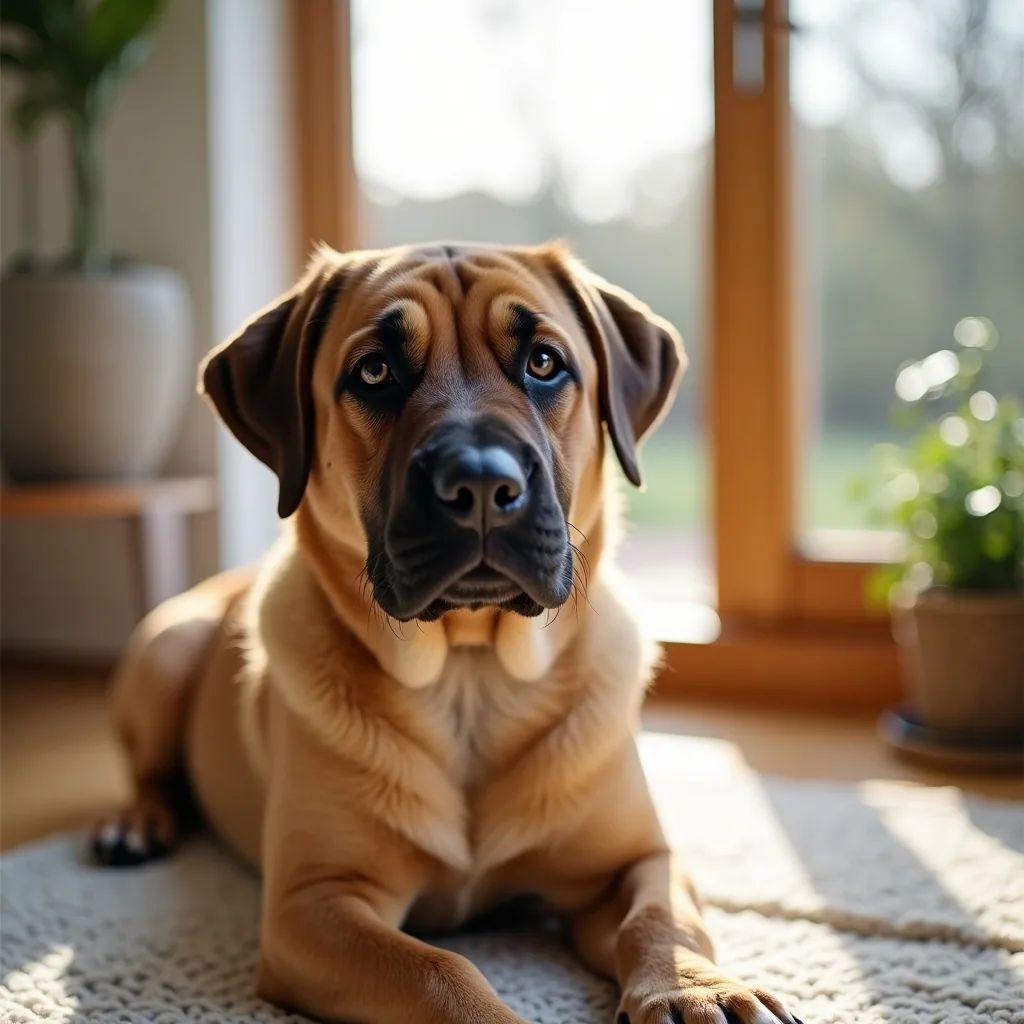
How Long Do Bullmastiffs Live? Lifespan & Health
Bullmastiffs live around 8–10 years. The joint, bloat, heart and cancer conditions this giant guardian breed is prone to, and how to help yours stay well.
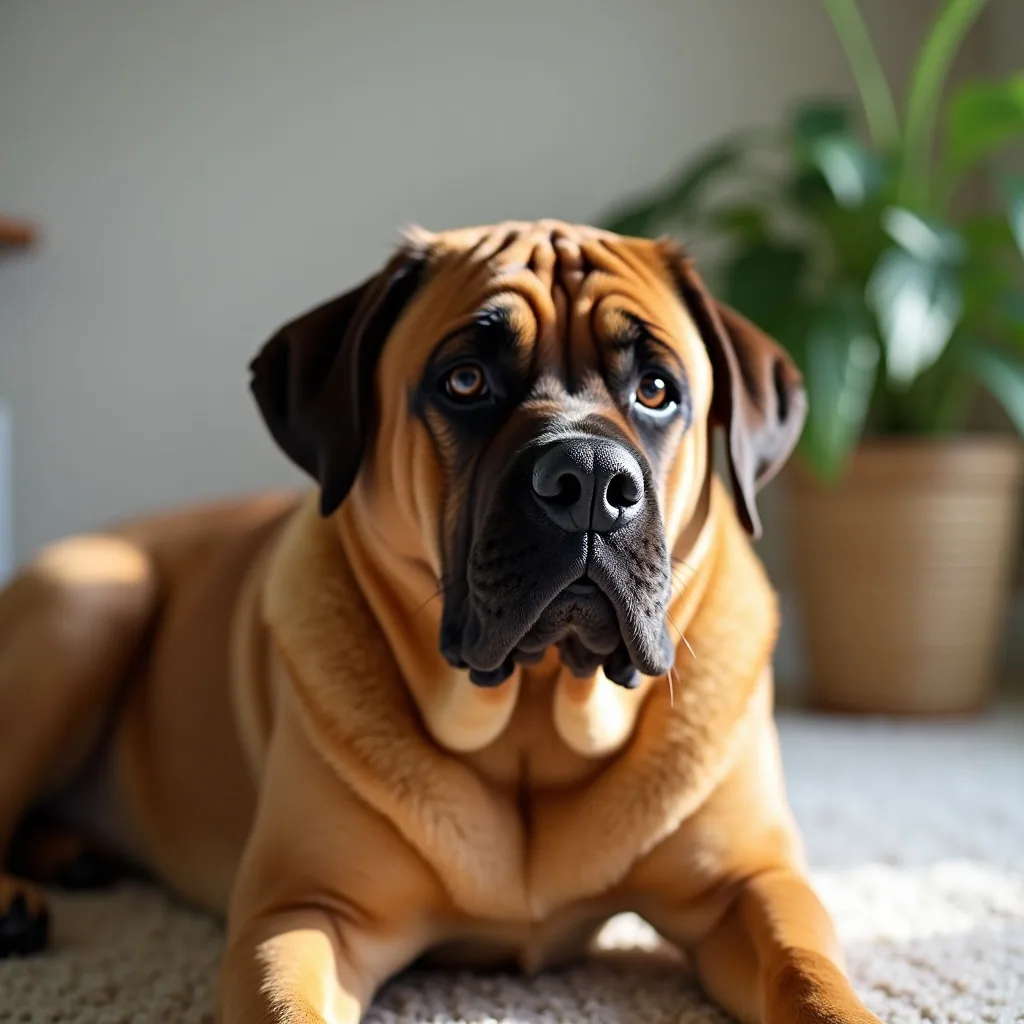
Bullmastiff Exercise & Care: Heat, Drool and Daily Needs
How much exercise a Bullmastiff needs, why heat is a real risk for this shortened-muzzle breed, managing the drool, and the daily care a giant dog needs.

How Much Does a Bullmastiff Cost to Keep in the UK?
A realistic look at the cost of owning a Bullmastiff in the UK — purchase price, giant-breed food and insurance, vet bills and the lifetime budget.
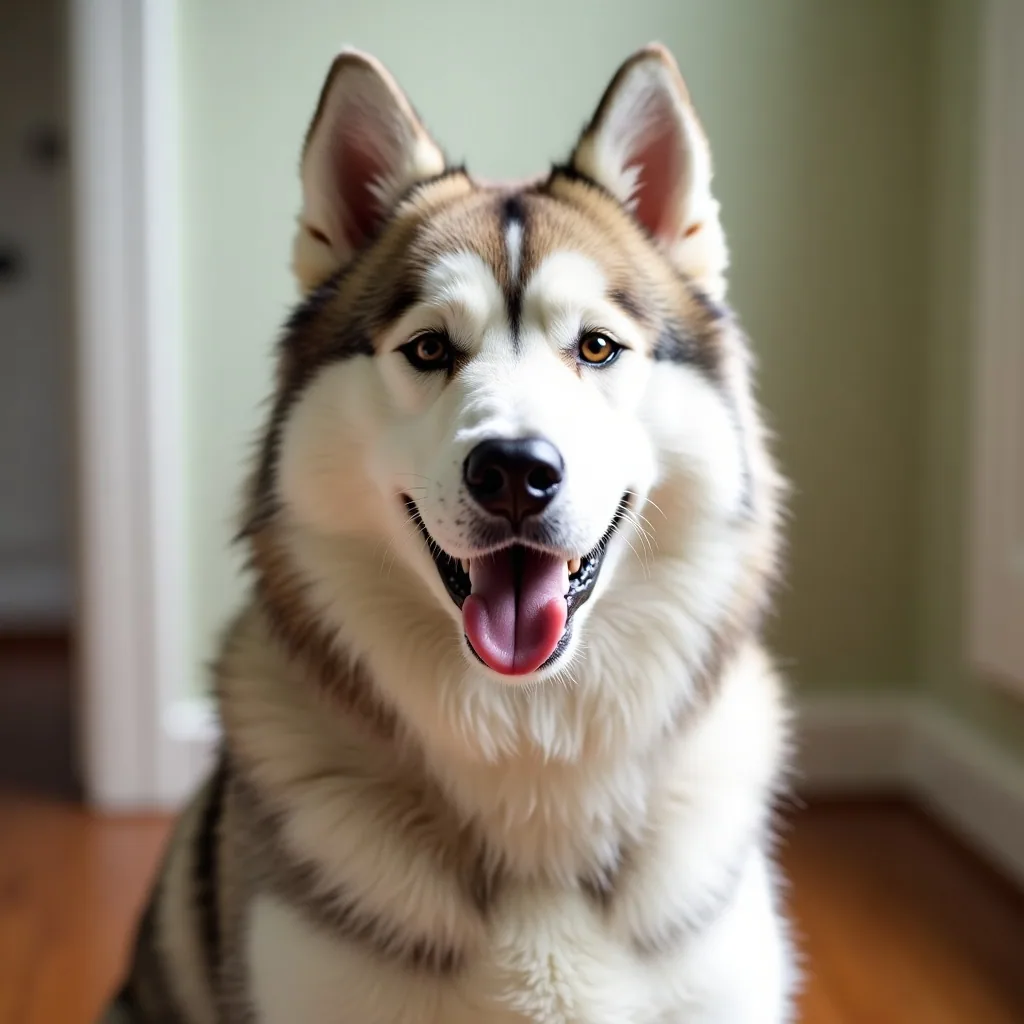
Are Alaskan Malamutes Good Family Dogs? Temperament & Training
Alaskan Malamutes are loyal but independent, strong-willed and high-prey-drive. Their temperament, training needs and why they're not for first-timers.