







Adopting a Senior Dog: The UK Owner's Honest Guide
The quick answer
Adopting a senior dog (usually seven or older) often means a calmer, house-trained companion whose size and temperament you already know. Most end up in rescue through owner circumstances, not bad behaviour. Expect a two-to-three week settling-in period, a comfy supportive bed, shorter regular walks, a senior diet and twice-yearly vet checks. UK charities offer foster schemes and vet-cost help for older dogs.
Mentioned in this guide

Memory Foam Bolster Dog Bed with Washable Cover
A supportive memory-foam dog bed with raised bolster sides for head and neck resting. The soft cream boucle cover removes for washing, making it easy to keep fresh while giving your dog proper rest.
From£69.99

Extra Large Orthopaedic Dog Sofa Bed
An extra-large sofa-style dog bed with a cushioned mattress base and bolstered sides, sized for big breeds who want to stretch out rather than curl into a nest.
From£68.99
There is a particular kind of quiet joy in an older dog. They ask for less, give back plenty, and tend to know exactly who they are. Yet senior dogs sit in UK rescue kennels far longer than puppies, often through no fault of their own. Here is the honest case for adopting one, what to actually expect, and how to look after a dog in its later years.
Why older dogs get overlooked
Most older dogs in rescue are not there because something is wrong with them. They land in kennels because a person died, a relationship broke down, a family moved somewhere that would not take pets, or an owner went into care. Battersea makes the point plainly: older rescue dogs are not damaged goods, and they still have just as much love to give.
The Oldies Club, a UK charity dedicated to rehoming older dogs, describes the reality well — a dog that spent years as part of a family suddenly finds itself confused and miserable in a kennel, rather than enjoying a comfortable retirement. Puppies get snapped up on looks. Grey muzzles wait. That gap is exactly why adopting a senior is one of the most worthwhile things you can do.
The honest case for an older dog
This is not a rose-tinted pitch. Older dogs come with real, practical advantages that a puppy simply cannot offer.
- What you see is what you get. Their size, coat, energy level and temperament are already settled. You are not gambling on how a puppy will turn out — you are choosing a known quantity. Woodgreen and Battersea both stress this as a genuine advantage, especially for first-time owners.
- Most are house-trained. A huge amount of the hardest early work is already done. No 2am toilet trips, no chewed skirting boards, no months of supervision.
- They're calmer. An older dog is generally content with a comfy bed, some company and a couple of gentle walks. That suits busy households, quieter homes and less active owners far better than a bouncing puppy that needs constant stimulation.
- They still learn. The old line about old dogs and new tricks is a myth. Battersea notes senior dogs often have longer attention spans than puppies, and Woodgreen confirms they enjoy reward-based training and bond quickly. Teaching an older dog is frequently easier, not harder.
- You know their needs sooner. A reputable centre will have assessed the dog and can tell you about temperament, any health conditions and how they are with children or other animals before you commit.
One quiet benefit rarely mentioned: the gratitude. Owners who adopt older dogs describe a dog that seems to understand it has been given a soft landing, and settles into devoted companionship remarkably fast.
The myths worth binning
| Myth | The reality |
|---|---|
| "You can't train an old dog" | Older dogs learn well and often concentrate better than puppies. |
| "They're in rescue because they're badly behaved" | Most are there due to owner circumstances — bereavement, divorce, moving, or an owner going into care. |
| "It'll be too sad — they won't have long" | Nobody's lifespan is guaranteed; a young dog could fall ill tomorrow. Giving a good final chapter is a gift, not a tragedy. |
| "Puppies are best for children" | A boisterous puppy can be a real strain around young kids. A calm, tolerant older dog is often the safer, easier choice. |
| "They'll be expensive and always ill" | Many seniors are perfectly healthy; charities frequently help with pre-existing conditions and vet costs (see below). |
What "senior" actually means
There is no single birthday when a dog becomes old. It depends heavily on size and breed — smaller dogs generally live longer and age later. As a rough UK guide, drawing on Dogs Trust and RSPCA guidance:
| Dog size | Typically considered senior | Notes |
|---|---|---|
| Small breeds | ~9–10 years | May not show age signs until later |
| Medium breeds | ~7–8 years | The common "senior" starting point |
| Large & giant breeds | ~6–7 years | Age fastest; watch joints early |
Dogs Trust classes dogs over seven as senior and those over twelve as geriatric, when the risk of health problems rises. The RSPCA puts the senior threshold at around seven to eight. In practice, treat these as signposts, not rules — a fit nine-year-old collie and a creaky seven-year-old Labrador need different things.
What to expect in the first few weeks
Even the most settled older dog needs time to decompress. It has just lost everything familiar. Rescues often talk about a rough "3-3-3" pattern: about three days to start relaxing, three weeks to learn your routine, and three months to truly feel at home. Some dogs are quicker; some, especially the anxious or grieving, take longer.
What helps:
- Keep it calm and small at first. Skip the big welcome party and the trip round every relative's house. Let the dog explore one or two rooms and find its feet.
- Establish a predictable routine early. The RSPCA highlights that older dogs prefer predictability, so consistent mealtimes, walk times and a quiet bed reduce stress fast.
- Expect a few accidents. A house-trained dog may still have the odd mishap while stressed or if it needs the toilet more often — that is normal, not a training failure.
- Give them their own space. A cosy bed away from draughts and foot traffic, where they can retreat undisturbed, does more for confidence than constant fussing.
- Ask for the paperwork. Woodgreen advises requesting the dog's full medical records and running them past your own vet, so you understand any ongoing needs and likely costs from day one.
Senior dog care basics
Looking after an older dog is mostly about small, sensible adjustments. None of it is difficult.
Comfort and the home
A supportive bed matters more with age — one that cushions aching joints and keeps a dog off cold, hard floors. The RSPCA specifically recommends putting a rug or runner down over smooth, slippery flooring so an older dog can grip and doesn't slither, and keeping food, water, toys and bed within easy reach so nothing is a trek. Our guides to the best dog beds for senior dogs and best dog beds for arthritis go into what to look for, and our arthritis comfort tips for senior dogs cover ramps, non-slip mats and warmth.
Diet
Around seven, most dogs benefit from a complete senior diet, which adjusts the balance of nutrients for a less active body and often supports joints. Dogs Trust suggests smaller meals two or three times a day and, for dogs with neck or back stiffness, raising the bowls to a comfortable height. Change food gradually over a week or so. Watch weight closely — excess weight loads already-tired joints. Our feeding a senior dog guide has the detail.
Exercise
Older dogs still need and enjoy their walks — just gentler ones. The PDSA advises shorter routes with plenty of rest stops, going at the dog's own pace, and being mindful of temperature (walk in the cool of the day when it's hot, add a coat when it's cold). Swimming is excellent because it takes the strain off sore joints. Let the dog tell you when it's had enough.
Health, senses and vet checks
Twice-yearly vet checks are worth it for a senior — problems caught early are cheaper and kinder to treat. Watch for cloudy eyes (possible cataracts), fading hearing, stiffness, lumps, or changes in thirst, appetite or toilet habits, and mention anything new to your vet. If sight or hearing is failing, avoid rearranging furniture and keep the dog on a lead near roads. Regular grooming keeps skin healthy and gives you a routine chance to feel for lumps and check nails, which wear down less with shorter walks.
Costs, support and where to get help
Money worries put a lot of people off older dogs. They needn't. UK charities have built real support around senior adoptions:
- Vet-cost help. Dogs Trust runs foster schemes for older dogs, including arrangements where they cover the vet treatment for a specific medical condition. Ask the centre what's on offer for the dog you're considering.
- Honest cost conversations. Reputable rescues share medical history up front so there are no nasty surprises. Get any known condition priced by your vet before you decide.
- Insurance. Older dogs can be insured, though premiums rise and pre-existing conditions are usually excluded — read the small print. Our guide to pet insurance for older dogs explains what's realistic.
- The Cinnamon Trust. If you're an older or terminally ill owner, the Cinnamon Trust provides free help — volunteer dog walkers, temporary fostering during hospital stays, and lifelong care for a pet if you can no longer manage. It means many people can keep the dog they love.
Is an older dog right for you? A quick check
Say yes if most of these fit:
- [ ] You'd rather have a settled companion than raise a puppy.
- [ ] You can give a calm, predictable routine and a quiet place to rest.
- [ ] You're comfortable with the chance of age-related vet care, and have thought about how you'd cover it.
- [ ] You want a dog whose temperament and needs are already known.
- [ ] You're at peace with loving a dog for however long you have, rather than for the longest possible time.
If that's you, contact a rescue and be honest about your home and lifestyle — Woodgreen and other centres offer matching services to pair you with the right dog. Visit in person before deciding, and use a reputable, assessed centre rather than an unvetted online seller.
Adopting an older dog isn't a compromise. For a great many UK households it's the better choice — less chaos, more companionship, and the deep satisfaction of giving a good dog a brilliant last chapter.
Sources
Common questions
At what age is a dog considered senior in the UK?
Broadly from around seven years, though it varies with size. Dogs Trust classes dogs over seven as senior and over twelve as geriatric. Smaller breeds age later (often nine to ten) and large or giant breeds sooner (six to seven), so treat these as guidelines rather than fixed dates.
Are older rescue dogs harder to train?
No — usually the opposite. Most are already house-trained and know basic commands, and charities like Battersea note senior dogs often concentrate better than puppies. They respond well to reward-based training and tend to bond quickly with a new owner.
Why are so many older dogs in rescue?
Almost always because of a change in their owner's life, not the dog's behaviour — bereavement, relationship breakdown, moving to a no-pets home, financial hardship or an owner going into care. They're rehomed through no fault of their own.
How long does an older dog take to settle in?
Rescues often use a rough '3-3-3' guide: about three days to start relaxing, three weeks to learn your routine and three months to feel fully at home. Keep things calm and predictable early on. Anxious or grieving dogs may take longer, and that's normal.
Will adopting a senior dog be expensive?
Not necessarily. Many older dogs are healthy. Reputable rescues share medical history up front, and Dogs Trust runs foster schemes that can cover vet treatment for specific conditions. Get any known condition priced by your vet, and read insurance small print, as pre-existing conditions are usually excluded.
What does an older dog need that a younger one doesn't?
Small, sensible adjustments: a supportive bed off cold floors, non-slip rugs on smooth flooring, a senior diet, shorter and gentler walks, and twice-yearly vet checks. Watch for stiffness, cloudy eyes, hearing loss and changes in thirst, appetite or toilet habits.
Is it too sad to adopt a dog that won't have long?
Understandable, but worth reframing. No dog's lifespan is guaranteed, and giving an older dog a comfortable, loving final chapter is a genuine gift. Owners who adopt seniors overwhelmingly describe it as one of the most rewarding things they've done.
About the author
Matt Garnett — founder, Giddy Pets
Matt started Giddy Pets to make getting pets the good stuff simpler and fairer. Everything in these guides comes from real life with pets and a lot of trial and error — it's practical guidance, not veterinary advice. If a guide gets something wrong, tell him directly.
Advice & planning
Free tools & more guides
Practical calculators and trusted guides relevant to this product.
Read next
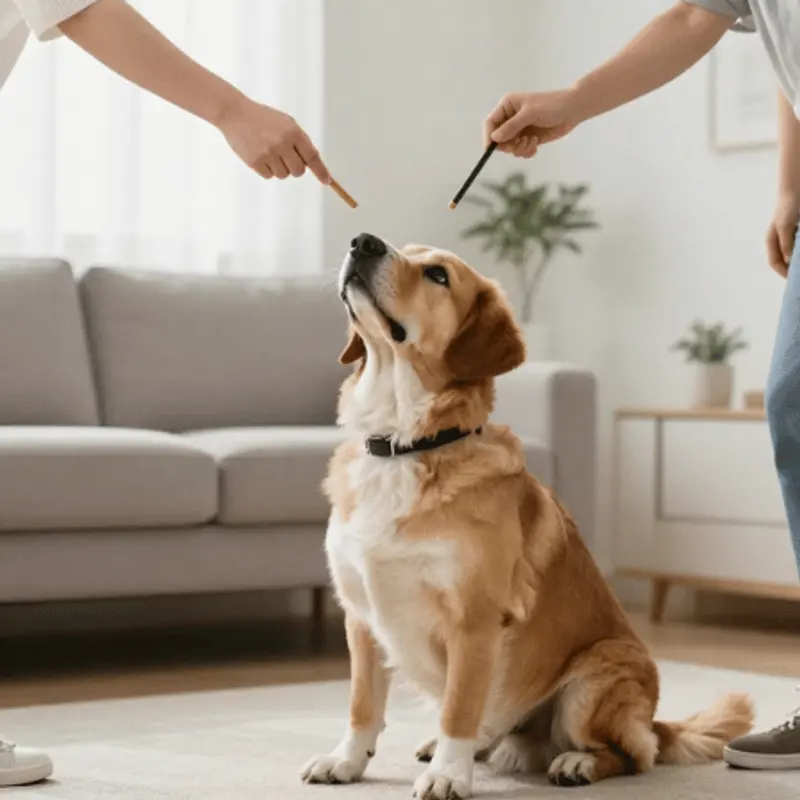
Pet Insurance for Older Dogs
Why premiums rise for senior dogs, what age limits and co-payments to expect, and why switching cover later in life can be risky.

Adopting a Retired Racing Greyhound: What to Expect
What to expect when adopting a retired racing Greyhound in the UK — the kennel-to-home transition, muzzle culture, cats and recall, and how to help one settle.
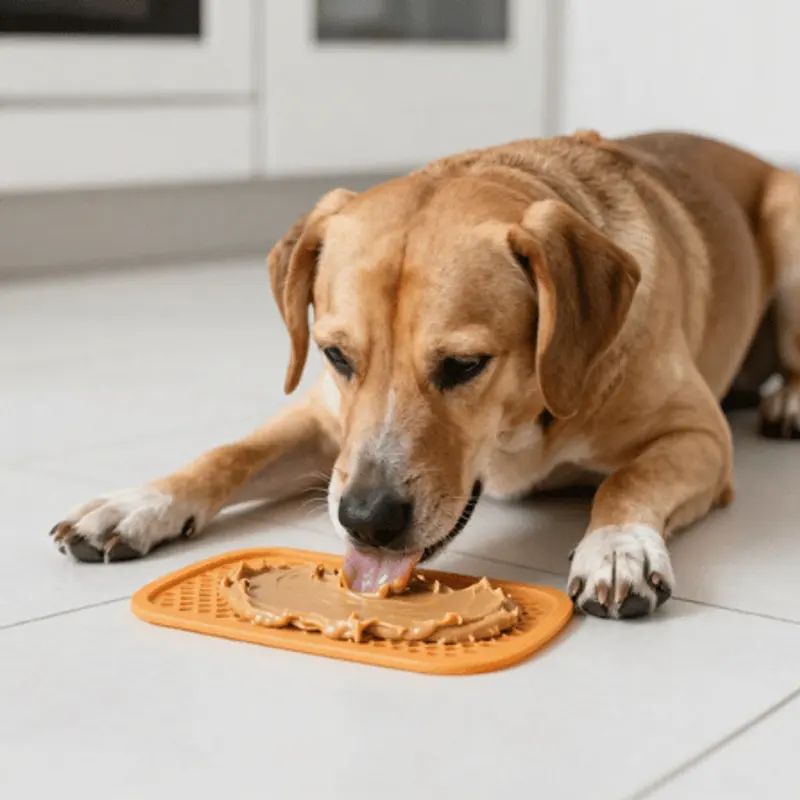
Dog dementia: signs and how to help your senior dog
How to spot the signs of canine cognitive dysfunction in an ageing dog, what causes it, and how to help at home
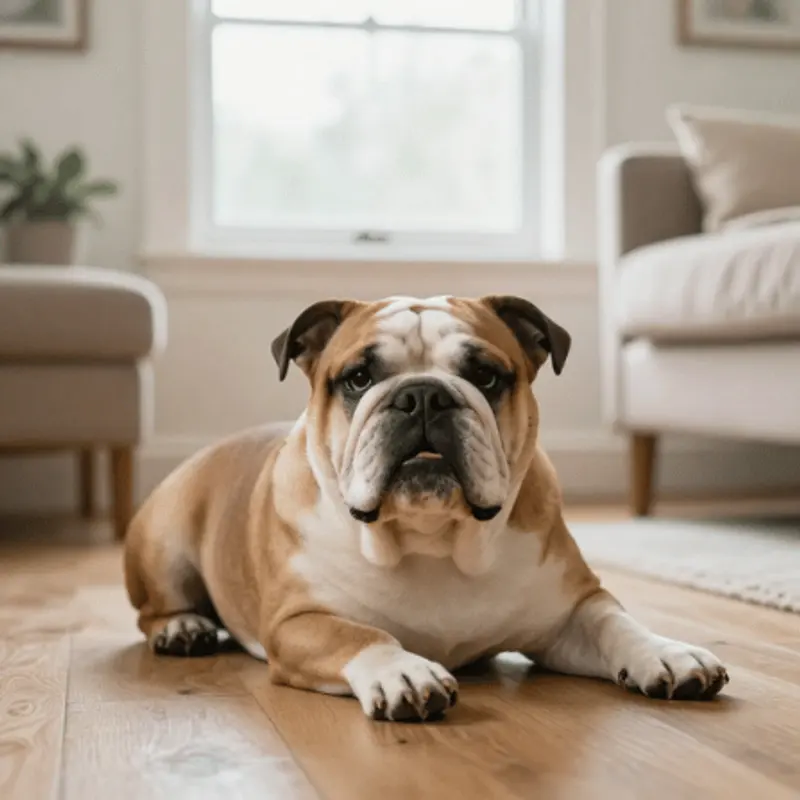
Reasons to adopt a senior dog
Why an older rescue dog can make a calmer, more predictable and deeply rewarding companion than a puppy