


Cat Harnesses
A harness lets an indoor cat safely explore the outside world — but cats are contortionists, so “escape-proof” is the only kind worth buying. The right fit and a patient introduction make all the difference.
Shop by type
Choose a section to narrow the range.
10 products

Plush Bee Cat Harness and Lead Set
A soft plush cat harness with a 3D bee charm and a matching lead, adjustable at neck and chest, made for kittens, cats and very small dogs on gentle outings.
£7.99

Red Dingo Classic Cat Harness & Lead Combo
Red Dingo Classic Cat Harness & Lead Combo in two colours. Hard-wearing, comfortable and finished with solid hardware — and, like all Red Dingo gear, covered by their 5-year guarantee.
£21.49

Angel Wings Cat Harness & Lead Set
An adorable padded vest harness with a gold star and felt angel wings, paired with a matching lead. Wraps softly around the chest for safe, comfortable, supervised cat outings and walks.
£7.99

Escape-Proof Cat Harness and Lead Set
A soft mesh vest harness with a matching lead, designed to wrap closely without choking so cats can explore the outdoors safely. Reflective strips add visibility and the adjustable fit helps prevent escapes.
£9.99

Ancol Reflective Cat Harness
A reflective cat harness and lead set, with an adjustable, durable fit
£12.99

Pink Cat Harness and Lead Set
A pink cat harness and lead set that spreads pressure across the chest rather than the throat, adjustable at the neck and body, for cats learning to walk outdoors.
£7.99

Escape-Proof Step-In Cat Harness and Lead Set
An adjustable padded mesh step-in harness with a matching lead, designed to stop cats slipping free. The breathable vest spreads pressure across the chest for comfortable, secure walks, and also suits small dogs.
£9.99

Hemm & Boo Snagfree Kitten Harness & Lead Set
A snag-free kitten harness and lead set, sized smaller than the adult cat version
£8.99

Hemm & Boo Snagfree Cat Harness & Lead Set
A snag-free cat harness and lead set, tightly woven to resist claws catching on it
£8.99

Cat Walking Harness & Lead Set
An adjustable vest-style harness and matching lead designed for cats, with a soft padded body and a cute plush decoration. The secure fit and even pressure across the chest make outdoor walks and garden adventures safer and more comfortable.
£7.99
Vest vs H-style harnesses
Cats can reverse out of a flimsy strap harness in seconds. A vest-style harness spreads pressure over a wider area and is much harder to wriggle free of, which is why it’s the usual recommendation for cats. H-style and figure-of-eight harnesses are lighter and work for some cats, but only with a precise fit.
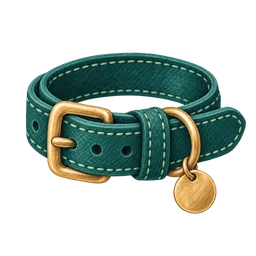
Whatever the style, never attach a lead to a cat’s collar — always the harness. A cat that panics on a collar can hurt its neck or slip straight out.
Introducing a harness the right way
Go slowly. Let your cat sniff the harness, wear it indoors for short, treat-filled sessions, and build up over days or weeks before you ever go outside. Rushing it creates the frozen, flattened “harness flop” that puts many owners off.
Measure the girth snugly behind the front legs — you want two fingers’ room, no more. Start outdoor time in a quiet, enclosed garden, never near roads or dogs, and let your cat set the pace.
Everything here is chosen to be genuinely useful in everyday life with your pet — quality-checked, fairly priced and shipped tracked across the UK. For any health concern, your vet is always the best first port of call.
Common questions
Can you walk a cat on a harness?
Many cats can learn to, with patience — though “walking” a cat is really supervised exploring at their pace. Introduce the harness slowly indoors first, and only venture out once they’re fully comfortable wearing it.
What’s the most escape-proof cat harness?
A snug-fitting vest-style (jacket) harness is hardest to back out of, as it spreads contact over a wider area. Whatever the style, the fit — two fingers’ room, no more — is what stops escapes.
Should I attach the lead to the collar or harness?
Always the harness. A lead on a cat’s collar risks neck injury and is easy to slip out of; the harness distributes any pull safely across the body.
Keep browsing
Free pet welcome kit
Four printable tools, zero cost
The new-pet checklist, a vaccination & worming tracker, a feeding-portion guide and a house-training chart — straight to your inbox, no spam, unsubscribe whenever.