
Yorkshire Terrier Grooming & Care (Coat & Topknot)
How to groom and care for a Yorkshire Terrier — the silky coat, daily brushing, the puppy clip, topknots, eye care, nails, teeth and ears.
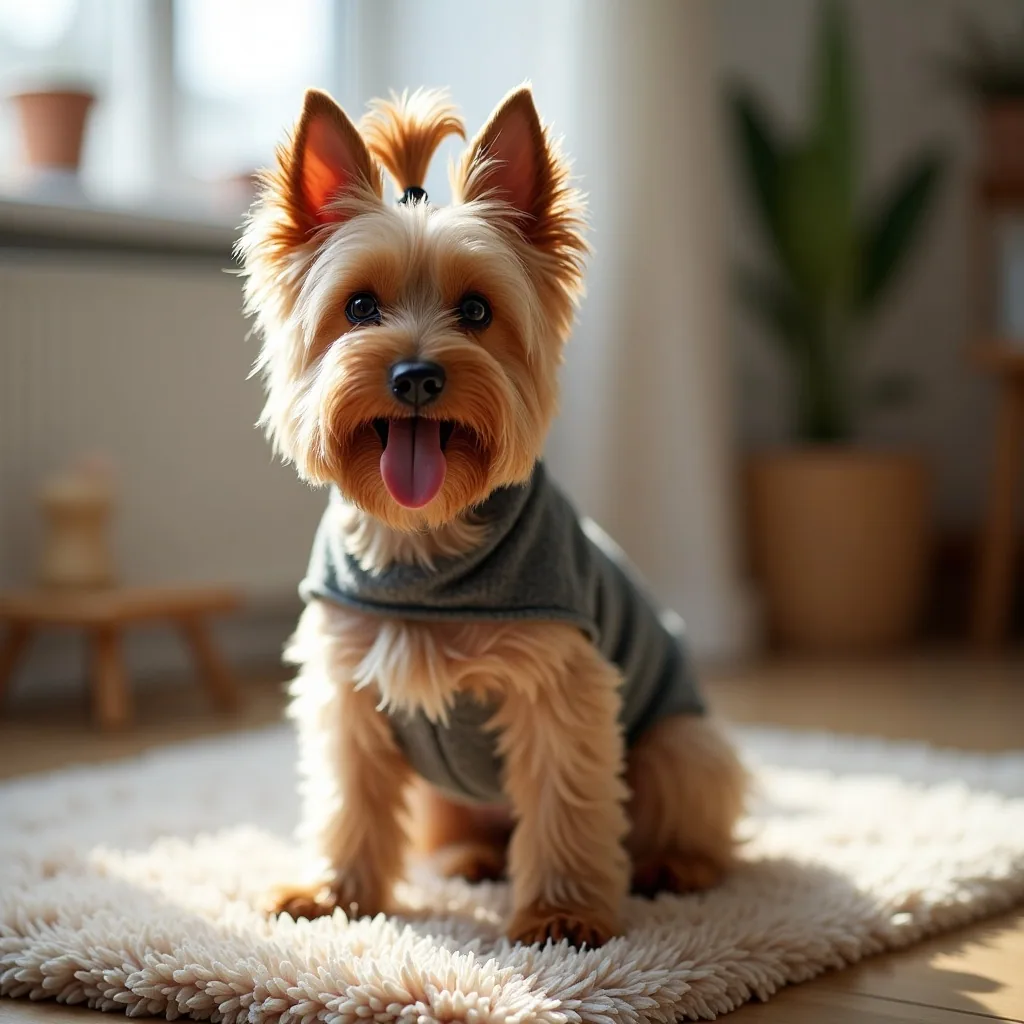
The quick answer
Yes. The Yorkie's long, fine, silky coat is more like human hair than typical dog fur and needs daily attention if kept long, including brushing and combing to prevent tangles and mats. Many pet owners keep their Yorkie in a shorter 'puppy clip', which is far lower-maintenance but still needs regular brushing and professional grooming every few weeks.
The Yorkshire Terrier's coat is its crowning glory: long, fine, glossy and famously silky, more like human hair than typical dog fur. It is also the part of owning a Yorkie that needs the most regular hands-on care. The good news is that, with a sensible routine — and a realistic decision about coat length — a Yorkie is very manageable. Here is how to groom and care for a Yorkshire Terrier properly.
Understanding the Yorkie coat
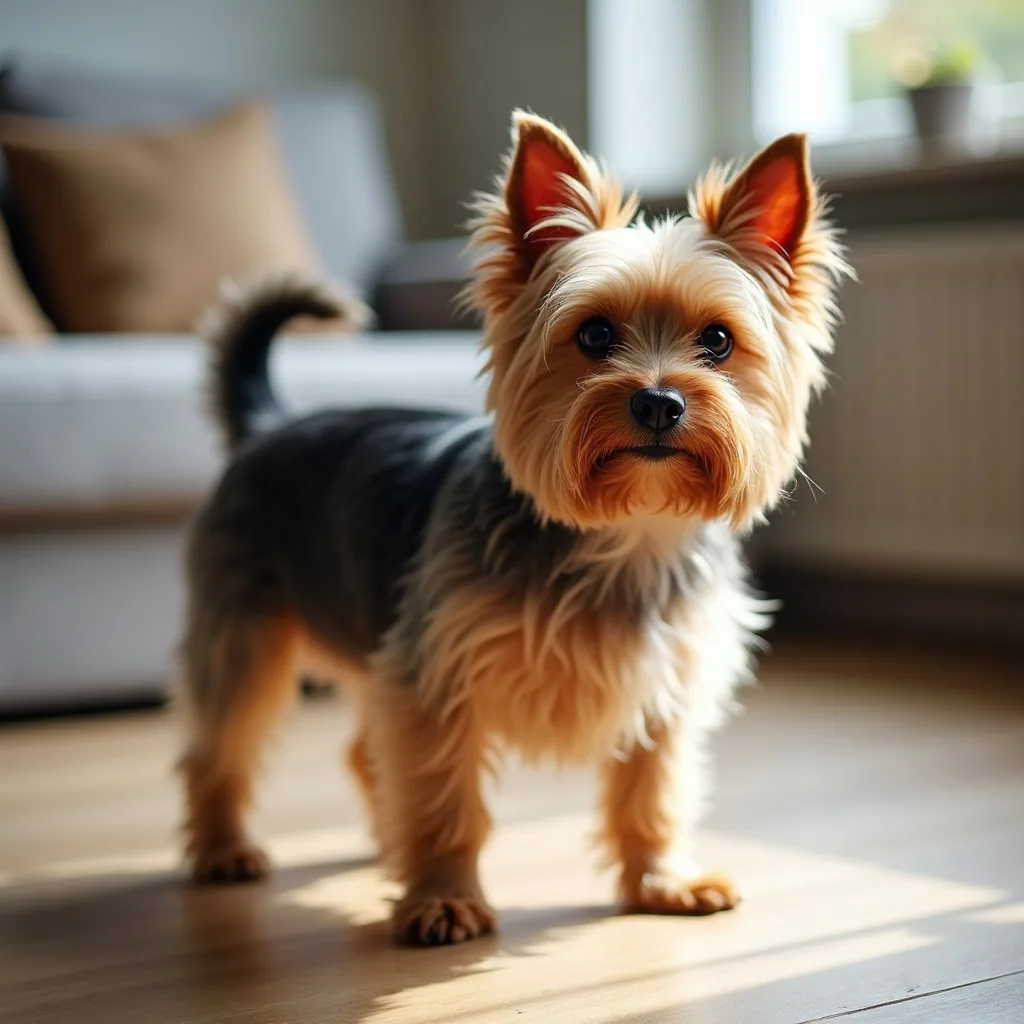
Unlike most dogs, the Yorkshire Terrier has a single coat of long, fine, hair-like fur rather than a fluffy double coat. It grows continuously, much like human hair, which is why a full show coat can reach the floor. Because it is hair rather than dense fur, the Yorkie sheds very little — one reason the breed is often suggested for some allergy sufferers — but that same fine texture tangles and mats easily without regular care. The flip side of low shedding is high maintenance: the coat needs your help to stay healthy and comfortable.
Long coat or puppy clip?
The first decision is how to keep the coat. A full long coat looks spectacular but is a serious daily commitment, needing brushing and combing every day, and often wrapping or tying up to protect it. Most pet owners sensibly opt for a 'puppy clip' or short trim, where the coat is kept a few centimetres long all over. This is far lower-maintenance, more comfortable for an active little dog, and easier to keep clean — though it still needs regular brushing at home and a professional groom every four to six weeks or so. There is no wrong choice; it is about what suits your dog and your time.
Daily brushing
Whether long or clipped, brush your Yorkie regularly — daily for a long coat, and several times a week for a shorter one. Use a soft slicker brush and a comb to work gently through the coat down to the skin, taking care not to drag on tangles. Regular brushing removes loose hair and debris, prevents mats, spreads natural oils and gives you a chance to spot any lumps, parasites or sore spots early. Pay attention to friction areas — behind the ears, the armpits, the belly and the back legs — where mats form most readily. See our grooming brushes for suitable tools.
The topknot
A classic Yorkie feature is the topknot — the long hair on the head tied up out of the eyes. This is not just for show: keeping the hair off the face stops it irritating the eyes and helps your dog see properly. Use a soft, fabric-covered band (never a tight elastic that pulls), gather the hair gently above the eyes, and check it is not too tight. If you prefer not to bother with topknots, simply keep the head hair trimmed short instead. Either way, the goal is to keep hair out of the eyes.
Eye and face care
Yorkies can be prone to tear staining and gunky build-up around the eyes, partly because of all that facial hair. Wipe the area gently each day with a damp cloth or vet-approved wipe, keep the surrounding hair trimmed or tied back, and mention any redness, discharge or squinting to your vet, as eye problems do occur in the breed. Keeping the face clean and the eyes clear is a simple daily habit that pays off.
Bathing
Yorkies benefit from a bath every few weeks to keep that fine coat clean and glossy, more often than many breeds because the hair shows dirt readily. Use a gentle dog shampoo (and conditioner for a long coat), rinse thoroughly, and dry carefully — a long coat in particular needs proper drying and combing afterwards to prevent mats. Introduce bathing gently and keep it calm so your dog learns to tolerate it.
Nails, teeth and ears
Grooming is about more than the coat:
- Nails. Trim every few weeks, taking only the clear tip and avoiding the pink quick. Small indoor dogs often do not wear their nails down naturally.
- Teeth. Dental disease is the breed's most common health problem, so brush the teeth daily with dog toothpaste and keep up regular vet dental checks — see our dental care range.
- Ears. Check the ears for wax, redness or odour, and trim hair around the ear opening if it builds up. Wipe only the visible part with a vet-approved cleaner; never push anything into the ear canal.
Walking kit and comfort
Because Yorkies are prone to a collapsing trachea, walk yours on a well-fitted harness rather than a collar so pressure is taken off the throat — browse our dog harnesses. A small dog also feels the cold, so a dog coat is genuinely useful in a British winter.
Make it a positive routine
Grooming is also bonding time. Start young, keep sessions short, calm and rewarding, and your Yorkie will learn to enjoy — or at least tolerate — brushing, bathing, nail trims and handling. Combined with play, exercise and company, a good grooming routine keeps this glamorous little breed healthy, comfortable and happy. For more on the breed, see our guides on whether Yorkies make good family dogs and lifespan and health.
*This is general guidance. If you find sore skin, stubborn mats, or any eye, dental or ear problem you cannot easily manage, see your vet or a professional groomer.*
Sources
- The Kennel Club — Yorkshire Terrier breed and coat care (thekennelclub.org.uk).
- PDSA — grooming, dental and ear care for dogs (pdsa.org.uk).
- Blue Cross — grooming your dog (bluecross.org.uk).
- RSPCA — dog care and welfare (rspca.org.uk).
Common questions
Do Yorkshire Terriers need a lot of grooming?
Yes. The Yorkie's long, fine, silky coat is more like human hair than typical dog fur and needs daily attention if kept long, including brushing and combing to prevent tangles and mats. Many pet owners keep their Yorkie in a shorter 'puppy clip', which is far lower-maintenance but still needs regular brushing and professional grooming every few weeks. Add eye and topknot care, nail trims, ear checks and dental care, and grooming is a genuine ongoing commitment with this breed.
What is a Yorkie puppy clip?
A 'puppy clip' is a short, even trim that keeps the coat a few centimetres long all over, rather than letting it grow into a full floor-length show coat. It is the most popular choice for pet Yorkshire Terriers because it is far easier to maintain, more comfortable for an active little dog, and simpler to keep clean. It still needs regular brushing at home and a professional groom roughly every four to six weeks, but it is much less demanding than a long coat.
Do Yorkshire Terriers shed?
Yorkshire Terriers shed very little. Because their coat is single and hair-like — growing continuously much like human hair rather than a fluffy double coat — far less ends up around your home than with most breeds. This low shedding is one reason Yorkies are often suggested for some allergy sufferers, though no dog is truly hypoallergenic. The trade-off is that the fine coat tangles and mats easily, so it needs regular brushing to stay healthy and comfortable.
About the author
Matt Garnett — founder, Giddy Pets
Matt started Giddy Pets to make getting pets the good stuff simpler and fairer. Everything in these guides comes from real life with pets and a lot of trial and error — it's practical guidance, not veterinary advice. If a guide gets something wrong, tell him directly.
Free tools & more guides
Read next
Are Yorkshire Terriers Good Family Dogs?
What Yorkshire Terriers are really like to live with — their bold, affectionate terrier temperament, how they cope with children, and the homes they suit best.
How Long Do Yorkshire Terriers Live? Lifespan & Health
How long Yorkshire Terriers live, the dental, joint, windpipe and liver conditions the breed can carry, and the practical things that help yours reach a healthy old age.
Yorkshire Terrier Health Problems: An Honest Guide
An honest, factual guide to Yorkshire Terrier health problems — dental disease, patellar luxation, collapsing trachea, liver shunts and hypoglycaemia in puppies.
How Much Does a Yorkshire Terrier Cost? Buying & Lifetime Costs
What a Yorkshire Terrier really costs — the purchase price of a well-bred puppy, the lifetime running costs, and why insurance and dental care matter for the breed.