


Working Line vs Show Line German Shepherd: What's the Difference?
Working line or show line? They're the same breed bred for different jobs. Here's an honest UK guide to the differences in build, drive and temperament, the welfare debate around the sloped show-line back, and which type suits which home.
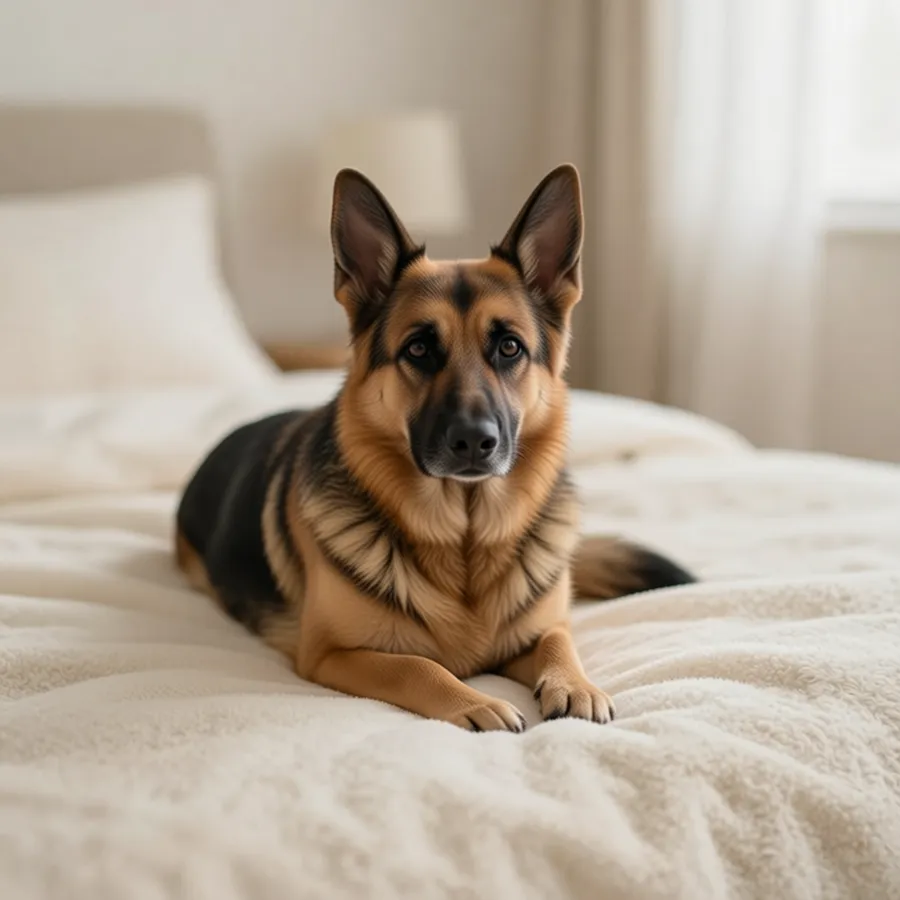
The quick answer
Neither — and both. They're the same breed from the same stud book, simply bred for different priorities: working lines for drive and job-ability, show lines for the conformation standard. One isn't more authentic than the other; they're two branches of one breed.
If you start researching German Shepherds, you'll quickly hit two phrases: "working line" and "show line". It can sound like a turf war, with each camp insisting theirs is the *real* German Shepherd. The honest answer is calmer than that. Both are the same breed, registered the same way, descended from the same dogs. They've simply been bred with different priorities for a few generations, and that shapes the dog you bring home in ways worth understanding before you commit.
Two jobs, one breed
The split comes down to what the breeder was selecting for. Working lines are bred for drive, fitness and the ability to do a job — police and protection work, search and rescue, and dog sports like IGP (formerly Schutzhund). Show lines are bred to the conformation standard: the look, the movement and the structure that win in the show ring, including the high-profile Sieger shows in Germany.
Neither goal is wrong in itself. But because the people doing the selecting want different things, the dogs drift apart over time. After several generations you end up with two recognisable types that still share one stud book.
Build and the sloped-back debate
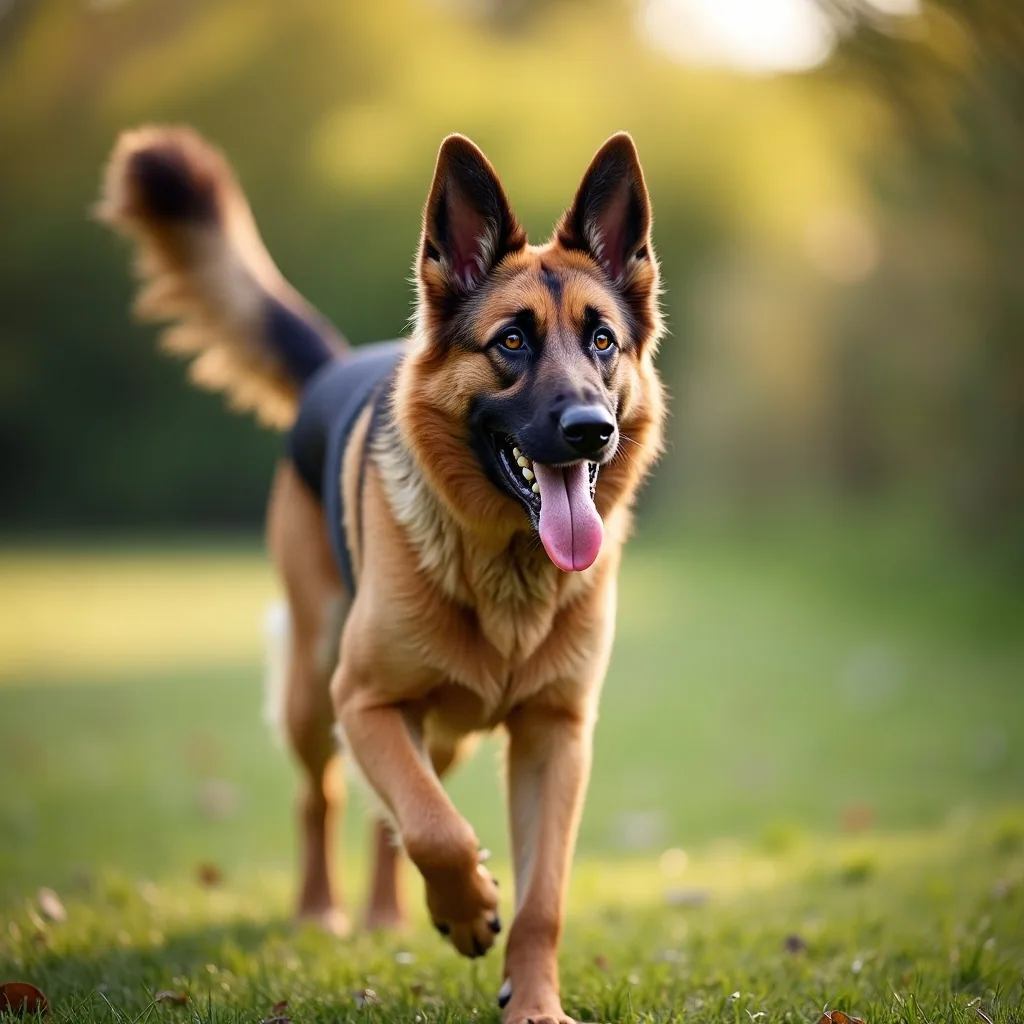
The most visible difference is the topline — the line of the back. Working lines tend to be more level and squarely built, prioritising a body that can run, jump and work all day. Many show lines, particularly the West German and British "type", have been bred with more rear angulation and a back that slopes down towards the hindquarters.
This is where the breed has attracted genuine welfare scrutiny, and it's worth being factual about it. Research published in *Scientific Reports* found that over the last century the GSD's back profile has shifted from a relatively straight, rectangular shape to a more curved and sloped one, and that this affects posture and movement. Matters came to a head at Crufts, where the way some show-line dogs moved — with visibly unsteady hindquarters — drew heavy criticism. In response, the Kennel Club changed the breed standard from 1 August 2016 to stress that a German Shepherd should be "capable of standing comfortably and calmly, freely and unsupported in any way". From 2018, championship-show judges had to attend mandatory education seminars reinforcing that the breed should be exhibited like any other large pastoral breed, and the Kennel Club placed representatives at shows to curb the "double-handling" used to make dogs pose.
It's fair to say this is a real and ongoing debate, not settled folklore. A well-bred dog of either type should move soundly and stand on its own four feet without help.
Coat and colour
Colour follows type to a degree. Show lines are strongly associated with the classic black-and-tan or black-and-red "saddle" pattern that most people picture. Working lines come in a wider spread, with sable (the agouti, wolfish banded coat) and solid black being common. Both types include long-coated and standard-coated dogs. Colour is largely cosmetic — it tells you little about health or temperament on its own.
Energy, drive and trainability
This is the difference that matters most for daily life. Working lines are typically much higher in drive: more intense, more energetic, with a stronger need to *do* something with their brains and bodies. That makes them superb for active or working homes and genuinely demanding for everyone else. Without proper outlets, that drive doesn't disappear — it turns into frustration, restlessness and unwanted behaviour.
Show lines are generally calmer and more easy-going, while still being active, intelligent dogs that need real daily exercise and stimulation. "Calmer" is relative — this is still a large, clever working breed, not a sofa ornament.
Both types are highly trainable and deeply loyal. Working lines often have what handlers call "nerves of steel" and a stronger natural edge, which is an asset in experienced hands and a liability in inexperienced ones.
Health considerations
German Shepherds, of any line, share breed-wide health priorities. Hips and elbows are the big ones: the BVA/Kennel Club Hip Dysplasia scheme (running in its current form since 1983) and the Elbow Dysplasia scheme (since 1998) let breeders screen and choose lower-scoring parents. A DNA test exists for degenerative myelopathy (DM), a progressive spinal-cord condition. Responsible breeders of *both* types should be health-testing — ask to see hip and elbow scores and DM status before you buy. The GSD is covered by the Kennel Club's Breed Health and Conservation Plan, which reflects how seriously the breed's health is taken in the UK.
Which type suits which home
A working line tends to suit an experienced, active or working owner who will give the dog a job — sport, structured training, hours of real exercise and mental work, every day. Go in underprepared and you'll both struggle.
A show line, from a health-focused breeder, is usually the better fit for a calmer family home that still wants a committed, trainable, energetic dog — but not a competition-level workload.
The most important variable isn't the line at all: it's the breeder. A good breeder of either type puts health and temperament first, tests their dogs, and is honest about what their puppies will need. Choose the breeder and the individual dog as carefully as you choose the type.
Sources
- The Kennel Club / Royal Kennel Club — *Kennel Club Statement on the German Shepherd Dog (GSD)*, 2016: https://www.royalkennelclub.com/media-centre/2016/july/kennel-club-statement-on-the-german-shepherd-dog-gsd/
- The Royal Kennel Club — *German Shepherd Dog Breed Standard*: https://www.royalkennelclub.com/breed-standards/pastoral/german-shepherd-dog/
- *Different conformations of the German shepherd dog breed affect its posture and movement*, Scientific Reports (Nature), 2020: https://www.nature.com/articles/s41598-020-73550-x
- Dog Breed Health — *German Shepherd Dog (Alsatian)*, BVA/KC hip & elbow scoring and DM: https://www.dogbreedhealth.com/german-shepherd-dog-alsatian/
Common questions
Is a working line or show line German Shepherd the "real" one?
Neither — and both. They're the same breed from the same stud book, simply bred for different priorities: working lines for drive and job-ability, show lines for the conformation standard. One isn't more authentic than the other; they're two branches of one breed.
Why do some German Shepherds have a sloped, sinking back?
It's mostly a show-line trait produced by breeding for more rear angulation. Research has linked this changed conformation to altered posture and movement, and the Kennel Club tightened the breed standard and judge education from 2016–2018 after concerns about how some show dogs moved. A soundly bred dog of either type should stand and move comfortably without support.
Which German Shepherd line is calmer for a family?
Generally the show line is calmer and more easy-going, while working lines are higher in drive and need far more exercise and mental work. That said, every GSD is a large, intelligent working breed — even a "calm" one needs proper daily exercise, training and stimulation.
Do working and show lines have different health problems?
They share the same breed-wide priorities — chiefly hips, elbows and degenerative myelopathy. Both should come from breeders who health-test using the BVA/Kennel Club hip and elbow schemes and DM DNA testing. The line matters less for health than whether the breeder screens their dogs.
How can I tell which line a puppy is?
Ask the breeder directly and look at the parents and pedigree — working-line kennels usually breed for sport or service and often have sable or solid-black dogs, while show lines are typically the classic black-and-tan saddle and bred for the ring. A responsible breeder of either type will happily explain their breeding goals and show you health test results.
About the author
Matt Garnett — founder, Giddy Pets
Matt started Giddy Pets to make getting pets the good stuff simpler and fairer. Everything in these guides comes from real life with pets and a lot of trial and error — it's practical guidance, not veterinary advice. If a guide gets something wrong, tell him directly.
Advice & planning
Free tools & more guides
Practical calculators and trusted guides relevant to this product.
Read next
How Long Do German Shepherds Live? Lifespan & Health
How long German Shepherds live, the joint, spinal and digestive conditions the breed is prone to, the bloat signs to know, and how to help yours thrive.
Are German Shepherds Good Family Dogs?
German Shepherds can be superb family dogs in the right home — but they're a large working breed that needs training, socialisation and exercise. An honest guide.
How to Train a German Shepherd
German Shepherds are one of the most trainable breeds in the world. Here's how to train one well: start early, socialise hard, build obedience and impulse control, and shape that protective instinct.
How Much Exercise Does a German Shepherd Need?
German Shepherds need around two hours of exercise a day plus mental work — but growing puppies need their joints protected. Here's how much, what kind, and the signs yours isn't getting enough.