
When to Get Pet Insurance (Puppy & Kitten)
Why insuring early matters, the best time to cover a puppy or kitten, how waiting periods work, and why day-one healthy cover protects you most.
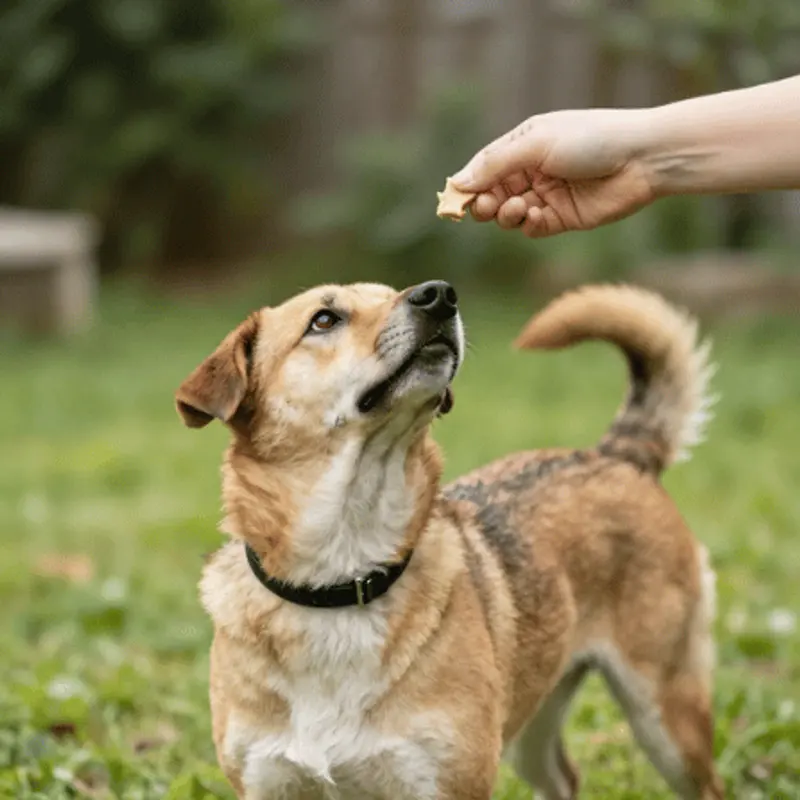
The quick answer
As early as possible, while they are healthy, ideally as soon as they come home and meet the insurer's minimum age. Insuring early keeps the widest range of future conditions eligible, since pre-existing problems are normally excluded.
One of the most common questions new owners ask is *when* they should take out pet insurance. The short answer surprises a lot of people: the best time is usually as early as possible, before any health problem appears. This guide explains why timing matters so much, when to insure a puppy or kitten, and how waiting periods fit in.
Giddy Pets is not an insurer or a financial adviser, and this is general information rather than a recommendation about what you should buy. Always read the full policy wording, and for free, impartial, regulated guidance see MoneyHelper.
Why "early" is the key word
The single most important fact about pet insurance is how it treats pre-existing conditions. Anything your pet has shown signs of, or been treated for, before your cover starts is normally excluded. Insurers will not pay for a condition that already existed when you took out the policy.
That one rule drives almost all the timing advice. If you insure a healthy young pet, almost everything that might go wrong later is, in principle, something that arose *after* cover began — so it stands a good chance of being covered. Wait until a problem appears, and that problem (and often anything related to it) is locked out of cover for good. Insuring early is, in effect, the way you keep the widest possible range of future conditions eligible.
The best time for a puppy or kitten
For a new puppy or kitten, the ideal moment to arrange cover is as soon as they come home, while they are healthy. Young animals are usually free of the conditions that exclusions are built around, so starting cover early captures the broadest protection.
There are usually minimum-age requirements — many insurers will cover puppies and kittens from a few weeks old — so check the insurer's terms. But the principle holds: the earlier you start, the fewer things will already count as pre-existing. It also means cover is in place before the accident-prone, into-everything stage of puppy and kittenhood, when vet visits are common.
If you are bringing home an older or rescue pet, the same logic applies — insure as soon as you can — but be aware that any conditions they already have will normally be excluded. That does not make insurance pointless; it simply means cover protects against *new* problems rather than existing ones.
How waiting periods work
Most policies include waiting periods — a short gap after the start date before you can claim. These are designed to stop people insuring a pet that is already unwell.
- For illness, the waiting period is commonly around 14 days.
- For accidents and injuries, it is often much shorter, sometimes just a day or two, or even immediate.
- Some specific conditions can carry longer waits.
The practical point is that cover is not always instant for illness, and anything that develops during the waiting period is typically treated as pre-existing. This is another reason not to leave insurance until you think you might need it — by then it may be too late for that particular issue.
Why switching mid-condition is risky
Timing does not only matter at the start. If your pet develops a condition while insured and you later switch to a new insurer, the new insurer will normally treat that condition as pre-existing and exclude it. So a pet that develops a chronic or recurring illness is often best kept with the same insurer on a policy that keeps covering it — typically a lifetime policy, which refreshes each condition's limit every year.
This is worth thinking about before you buy. Choosing a suitable cover type early, and staying with it, can matter more than chasing a slightly cheaper premium that you would have to switch away to get later.
What insuring early does not change
Starting cover early does not remove the standard exclusions. Routine and preventive care — vaccinations, neutering, flea and worm treatments — is not covered whenever you take out the policy. Breeding and pregnancy are commonly excluded too. You will usually pay an excess, and sometimes a percentage co-payment, particularly as a pet ages. Insuring early protects against unexpected illness and injury; it does not turn insurance into a fund for routine costs.
A practical checklist for new owners
If you have just got, or are about to get, a puppy or kitten:
1. Arrange cover early, while they are healthy, ideally as soon as they are home and meet the insurer's minimum age. 2. Choose a cover type deliberately. If you want long-term protection for chronic conditions, lifetime cover is the type designed for that. Our pet insurance guide explains the differences. 3. Check the waiting periods so you know when illness and accident cover each begin. 4. Read the exclusions for pre-existing conditions and routine care so there are no surprises. 5. Think long-term, because switching mid-condition can mean losing cover for that condition.
If you want a feel for how premiums vary by pet and cover level, our pet insurance estimator shows typical UK ranges — though a real quote is the only way to know your own price.
The bottom line
The best time to get pet insurance is early, while your pet is healthy and before any condition appears — most ideally for a puppy or kitten as soon as they come home. That timing keeps the widest range of future problems eligible, gets you through waiting periods before you need to claim, and avoids the trap of leaving cover until a condition has already taken hold. For impartial regulated guidance, MoneyHelper is a good independent source.
Sources
Common questions
When should I get pet insurance for a puppy or kitten?
As early as possible, while they are healthy, ideally as soon as they come home and meet the insurer's minimum age. Insuring early keeps the widest range of future conditions eligible, since pre-existing problems are normally excluded.
Is there a waiting period before I can claim?
Usually yes. Illness cover often starts after about 14 days, while accident cover may begin sooner, sometimes within a day or two. Anything that develops during the waiting period is typically treated as pre-existing.
Can I insure an older or rescue pet?
Yes, and you should insure as soon as you can. Just be aware that any conditions they already have will normally be excluded, so cover protects against new problems rather than existing ones.
Why is switching insurer mid-condition risky?
A new insurer normally treats an existing condition as pre-existing and excludes it. A pet with an ongoing condition is often best kept on the same lifetime policy that continues to cover it each year.
About the author
Matt Garnett — founder, Giddy Pets
Matt started Giddy Pets to make getting pets the good stuff simpler and fairer. Everything in these guides comes from real life with pets and a lot of trial and error — it's practical guidance, not veterinary advice. If a guide gets something wrong, tell him directly.
Free tools & more guides
Read next
Pet Insurance and Pre-existing Conditions
What counts as a pre-existing condition, why it's excluded, the limited options that exist, and why switching insurer can lose your cover.

Lifetime Pet Insurance Explained
How lifetime cover works, why its yearly limit refreshes, and when its higher cost is worth it for long-term conditions.

Dog Insurance Explained (UK)
A plain-English guide to dog insurance in the UK — cover types, how breed and size affect premiums, third-party liability, and what to check before you buy.
Cat Insurance Explained (UK)
A plain-English guide to cat insurance in the UK — indoor vs outdoor risk, common feline conditions, cover types, and what to check before you buy.