
What to Do When Your Pet Dies
In the first hours after losing a pet, a few gentle, practical steps can help. A calm UK guide to aftercare, burial and cremation options, and paperwork.

The quick answer
Take your time — there's no rush. When you're ready, handle your pet gently, keep them somewhere cool on a clean towel or blanket if there will be a delay, and contact your vet or a pet crematorium for advice on collection, burial or cremation.
When a pet dies, the world can feel like it's stopped. Whether you were expecting it or it came as a shock, the first hours are often a blur of grief and not quite knowing what to do. Please take this slowly. There's no need to rush any decision, and it's perfectly alright to simply sit with your pet for a while first.
This guide gently walks through the practical steps — at home and at the vet — and the aftercare options available in the UK, so you have one less thing to worry about at a painful time.
First, take your time
There is no clock ticking in the way you might fear. Many people find it comforting to spend some quiet moments with their pet, and that's entirely natural. When you're ready, the practical steps below can wait until you feel able.
If you have children or other pets, you may want to let them say goodbye too, in their own way. Other animals in the home sometimes seem to understand more when they've been able to be present.
If your pet dies at home
If your pet passes away at home, here are gentle, practical things that can help:
- Handle them gently and keep them cool. If there will be a delay before burial or collection, laying them somewhere cool, on a clean towel or blanket, helps. Wearing gloves is sensible.
- Decide on aftercare in your own time. You can contact your vet — even out of hours — for advice, and they can usually arrange collection or cremation for you. Pet crematoriums can also collect directly.
- If a death is sudden or unexplained, your vet can advise whether anything further is worth doing, particularly if other pets share the home.
If your pet dies at the vet
If your pet dies or is put to sleep at the practice, the team will talk you through the options and give you time. You can usually choose to take your pet home for burial, or have the practice arrange cremation. You don't have to decide everything on the spot — it's fine to ask for a little time, or to phone back once you've thought it through.
Aftercare options in the UK
There are three main paths, and none is more "right" than another — it's about what feels appropriate for you and your circumstances.
Home burial. In the UK you can generally bury a pet in your own garden, provided you own the property (not rented or leased without permission) and the animal isn't classed as hazardous waste — for example if it was put to sleep, certain euthanasia drugs mean cremation may be more appropriate, so check with your vet. As a guide, bury deep enough that the grave can't be disturbed by wildlife (commonly recommended is well over half a metre, deeper in light soils), and choose a spot away from water sources, drains and water pipes. Rules can vary locally, so it's worth checking with your local council.
Individual (private) cremation. Your pet is cremated on their own and their ashes returned to you, often in a casket or scatter tube you choose. This is the option for owners who want to keep or scatter the ashes.
Communal cremation. Your pet is cremated alongside others and the ashes are not returned. This is usually the most affordable option and is a respectful, common choice.
Costs vary widely depending on the option, your pet's size and the provider, so ask your vet or local pet crematorium for their current prices. Many vets work with a trusted local crematorium and can arrange everything for you.
The practical paperwork
When you feel up to it, a few admin tasks help tie up loose ends — there's no rush, and most can wait a few days:
- Microchip. Contact the microchip database your pet is registered with to update their record. This helps prevent distressing future contact.
- Insurance. If your pet was insured, let the insurer know and check whether any end-of-life costs (such as euthanasia or cremation) are covered by your policy.
- Vet records and regular orders. Tell your vet so their records are updated, and cancel any repeat prescriptions, food subscriptions or grooming appointments when you're ready.
- Council or licensing. For some animals (such as certain horses or livestock) there are additional disposal rules — your vet can advise.
Be kind to yourself
Doing these practical things while grieving is hard. Tackle them one at a time, ask a friend or family member to help with phone calls if it's too much, and give yourself permission to fall apart in between. There's no medal for getting it all done quickly.
You don't have to cope alone
The days after a pet dies can feel very lonely. These free UK services are there for you:
- Blue Cross Pet Bereavement Support Service (PBSS) — free and confidential, running since 1994. Call 0800 096 6606 (8:30am–8:30pm, every day) or email pbssmail@bluecross.org.uk.
- Cats Protection — Paws to Listen — a free grief support line on 0800 024 94 94 (Monday to Friday, 9am–5pm).
- The Ralph Site — a non-profit pet-loss support website with forums and free online memorials at theralphsite.com.
If your grief feels overwhelming or you have any thoughts of harming yourself, please speak to your GP or the Samaritans on 116 123 — free, any time, day or night.
Related guides
When you're ready, you may find these companion guides helpful:
- Coping with the loss of a pet
- Knowing when it's time to say goodbye
- What to expect from pet euthanasia
- Talking to children about a pet's death
Sources
Common questions
What should I do immediately when my pet dies at home?
Take your time — there's no rush. When you're ready, handle your pet gently, keep them somewhere cool on a clean towel or blanket if there will be a delay, and contact your vet or a pet crematorium for advice on collection, burial or cremation. They can arrange aftercare for you.
Can I bury my pet in my garden in the UK?
Generally yes, if you own the property and the animal isn't classed as hazardous waste. Bury them deep enough that wildlife can't disturb the grave, away from water sources and pipes. Rules can vary locally, so check with your council and your vet, especially if your pet was euthanised.
What's the difference between individual and communal pet cremation?
With individual (private) cremation your pet is cremated alone and the ashes are returned to you to keep or scatter. With communal cremation your pet is cremated alongside others and the ashes are not returned. Communal is usually the more affordable option.
Do I need to update my pet's microchip after they die?
Yes, it helps to contact the microchip database your pet is registered with to update their record, which prevents distressing future contact. You should also notify your insurer, your vet, and cancel any repeat prescriptions or subscriptions when you feel ready.
About the author
Matt Garnett — founder, Giddy Pets
Matt started Giddy Pets to make getting pets the good stuff simpler and fairer. Everything in these guides comes from real life with pets and a lot of trial and error — it's practical guidance, not veterinary advice. If a guide gets something wrong, tell him directly.
Free tools & more guides
Read next
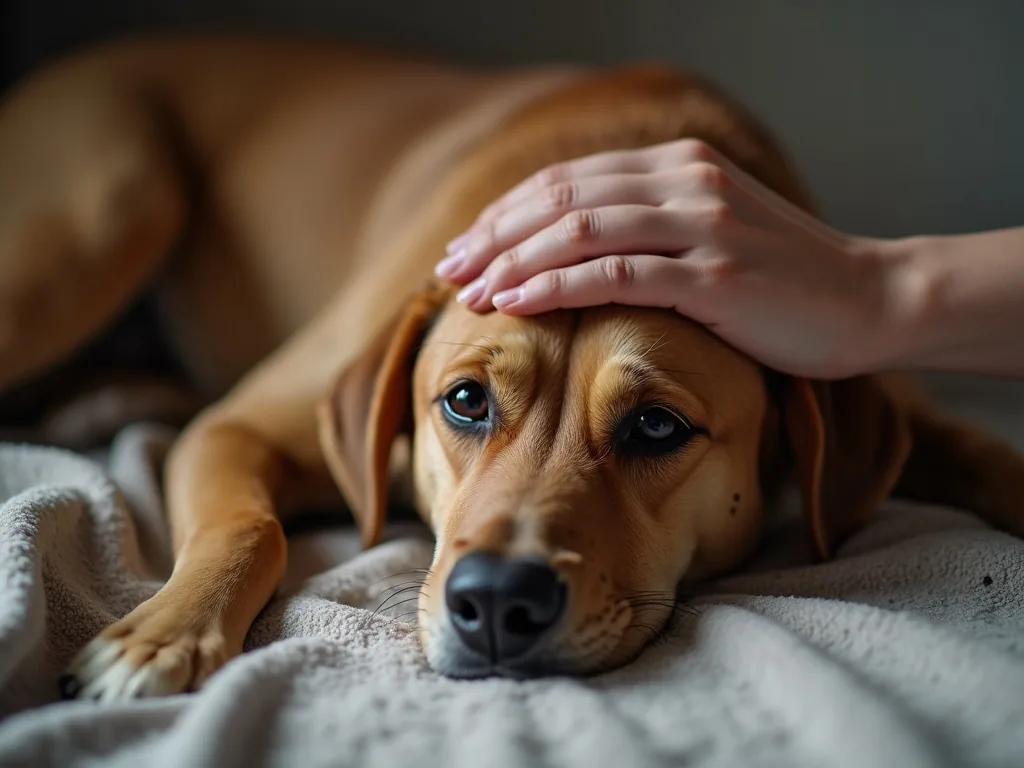
Pet Euthanasia: What to Expect
A gentle, factual guide to what happens during pet euthanasia — sedation, the final injection, being present, home versus clinic, and afterwards.
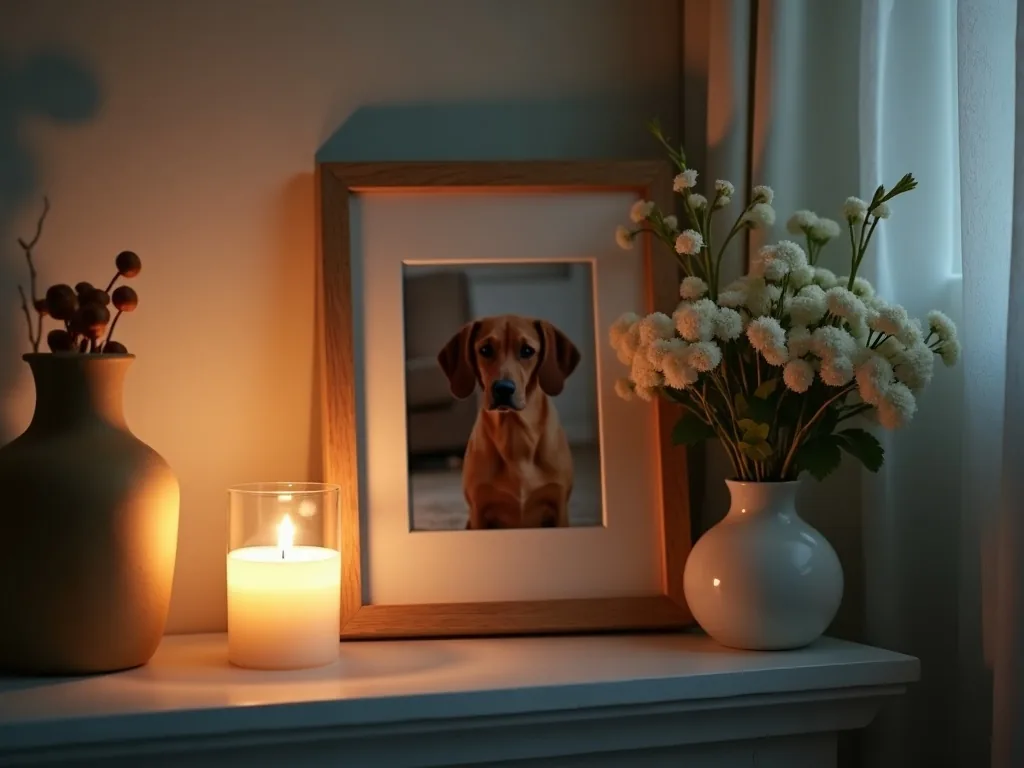
Pet Memorial Ideas: Gentle Ways to Remember Them
Thoughtful, low-pressure ways to honour a pet you've lost — from paw-print casts and keepsakes to trees, memory boxes and online memorials.

Coping with the Loss of a Pet
Grief for a pet is real and valid. A gentle guide to what loss can feel like, what helps, and where to find free support when you need it.

End-of-Life & Hospice Care for Pets
Caring for a terminally ill or very elderly pet is tender, exhausting work — here's how to keep them comfortable and dignified, with your vet alongside you.