
Teacup Poodle: The Honest Facts & Health Risks (UK)
The quick answer
"Teacup poodle" is a marketing label, not a real or recognised size. The Kennel Club recognises only Standard, Miniature and Toy Poodles and won't register a dog as "teacup". These extra-tiny dogs are usually produced by breeding from runts or undersized dogs, which raises the risk of fragile bones, low blood sugar, heart defects, dental crowding and a shorter life. If you want a small poodle, buy a health-tested Toy Poodle from a responsible breeder instead.
Mentioned in this guide

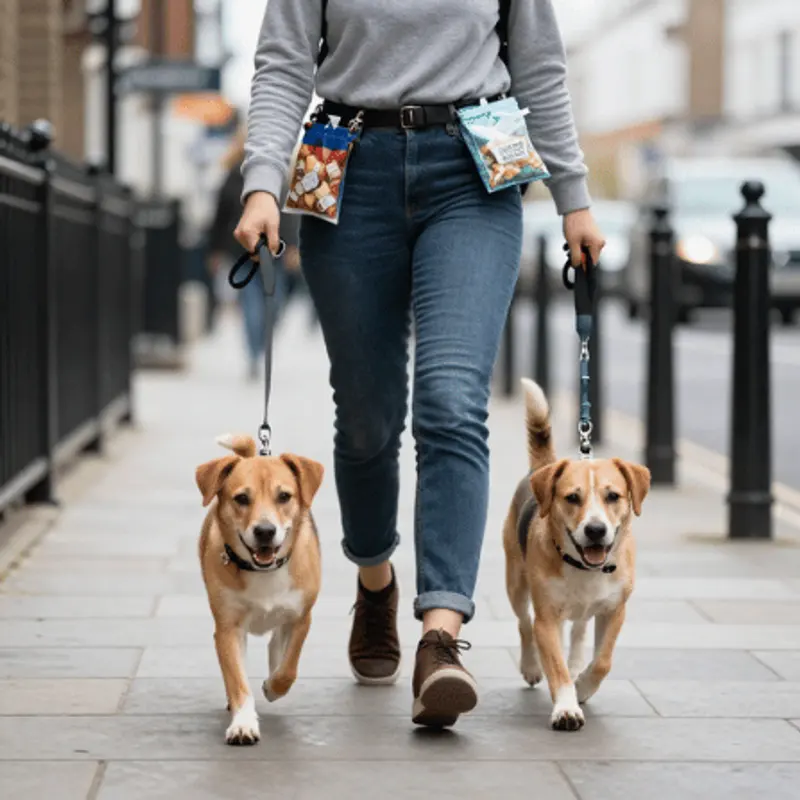
Soft Leather Dog Harness And Lead Set
A studded faux-leather chest harness with a matching clip lead, designed for small dogs and puppies. The padded straps spread pressure across the chest for comfortable, secure everyday walks.
From£14.99
Search "teacup poodle" and you'll find adverts for palm-sized puppies at eye-watering prices, usually photographed in a mug to prove the point. It's a powerful image, and breeders know it. But before anyone spends four figures on a dog small enough to sit in a teacup, it's worth understanding what that word actually means, and what it costs the dog. The honest version isn't the one on the sales page.
"Teacup" is a sales word, not a real size
There is no such thing as a teacup poodle in any official sense. The Kennel Club recognises exactly three poodle varieties, separated only by size: Standard, Miniature and Toy. The Toy is the smallest, and its breed standard puts the height at under 28cm (about 11 inches) at the shoulder. That's already a genuinely small dog.
"Teacup", "micro", "pocket" and "teddy bear" are all marketing terms invented to sell dogs bred to be smaller still, usually below the Toy standard. Crucially, the Kennel Club will not register a dog as a teacup and does not accept the label on its paperwork. So if a breeder is selling a "KC-registered teacup poodle", something doesn't add up — the registration, if it exists at all, is simply for a Toy Poodle, and "teacup" is being bolted on to justify the price.
This matters because the label hides how these dogs are produced. A recognised size comes with a breed standard, health-screening schemes and a community of breeders working to improve the dogs. "Teacup" comes with none of that. It's a size target with no guardrails.
How teacup dogs are actually bred
Here's the part the cute photos leave out. To reliably produce dogs well under the Toy standard, breeders have to select for extreme smallness generation after generation. In practice, that usually means one of three things:
- Breeding from the runts of the litter. The Kennel Club is blunt about this: producing teacup dogs often means breeding only from the smallest dogs, which may not be the healthiest. A runt is frequently small because something didn't develop properly, and breeding from it can pass those problems on.
- Breeding from dogs that are simply too small to be bred from safely, raising the risk to both mother and puppies.
- Outright dishonesty — stunting a puppy's growth, underfeeding, or selling puppies younger than eight weeks (which is illegal to do commercially in the UK without the puppy having been with its mother) so they still look tiny at sale.
None of that is responsible breeding. You're not buying a special miniature version of a healthy breed; in many cases you're buying a dog whose small size is a symptom, deliberately selected for and sold as a feature.
The health risks, honestly
Deliberately shrinking a dog below its natural size doesn't shrink its organs and skeleton neatly to scale. It creates a body under strain. The RSPCA warns specifically against buying teacup puppies because the way they're bred increases the risk of health problems, and the Kennel Club lists a similar set of concerns. The main ones:
| Risk | What it means for the dog |
|---|---|
| Hypoglycaemia | Dangerously low blood sugar. Tiny dogs have almost no energy reserves, so missing a meal or a bout of stress can cause collapse, seizures or death. Owners often have to feed several small meals a day and watch constantly. |
| Fragile bones | Fine, thin bones fracture from ordinary things — jumping off a sofa, being stood on, a small fall. A broken leg on a dog this size is a serious surgery. |
| Luxating patella | The kneecap slips out of place, common in toy breeds and worse the smaller the dog. Causes pain, limping and often needs an operation. |
| Heart defects | Extreme miniaturisation is linked to congenital heart problems and murmurs. |
| Collapsing trachea | A weak windpipe that flattens, causing a honking cough and breathing difficulty — one reason a harness, never a collar, is essential for tiny dogs. |
| Hydrocephalus | Fluid on the brain, more common in dogs with abnormally domed, undersized skulls. |
| Liver shunts | Abnormal blood vessels that bypass the liver, causing toxins to build up. |
| Dental crowding | The same number of teeth crammed into a tiny jaw means overcrowding, retained baby teeth, gum disease and early tooth loss. |
| Fontanelle (soft spot) | Some very small dogs are born with a gap in the skull that never closes, leaving the brain vulnerable. |
On top of the specific conditions, the broader picture is sobering: the Kennel Club states plainly that teacup dogs are more likely to live significantly shorter lives than other dogs. You may be paying a premium for fewer years and more vet visits.
This is the same principle the RSPCA raises about breeding for any exaggerated feature — flat faces, extreme sizes, unusual body shapes. When looks are put ahead of the animal, the dog pays for it in health. A dog bred to fit in a teacup is that principle taken to its extreme.
"But I've seen healthy ones" — the honest nuance
Plenty of very small poodles do live long, happy lives, and it would be wrong to say every tiny poodle is doomed. Some "teacup" dogs are just genuinely small Toy Poodles from good breeding, mislabelled to fetch a higher price. The problem is that you usually can't tell from a photo or an advert which kind you're getting, and the breeding methods used to *guarantee* extreme smallness are exactly the ones that stack the odds against the dog. You're gambling with an animal's welfare, and the house edge is against you.
The responsible position isn't "tiny dogs are evil". It's this: don't create demand for a size that can only be reliably produced by cutting corners on health.
How to avoid being caught out
If you've set your heart on a small poodle, you can get one the right way. Look for a health-focused breeder of Toy Poodles and treat these as red flags:
- The word "teacup", "micro" or "pocket" used as a selling point, especially alongside a premium price.
- No health testing. A responsible poodle breeder screens for eye conditions and does hip scoring — the Toy Poodle should have DNA testing for progressive retinal atrophy (prcd-PRA) and eye testing under the BVA/KC/ISDS scheme.
- You can't see the mother with the puppies, or the "mum" doesn't seem to interact with them.
- Pressure to buy quickly, pay a deposit before meeting the pup, or collect from a car park or motorway services.
- Puppies offered before eight weeks old.
- No questions asked about you. Good breeders vet their buyers.
- A ready supply of very small puppies always available. Responsible breeders have occasional, planned litters, not a rolling stock of tiny dogs.
Ask to see the parents' health-test certificates and check the numbers on the Kennel Club's health test results finder. If a seller can't or won't provide them, walk away.
A quick sense-check I'd give any friend: if a dog's headline selling point is a gimmick about its size rather than its health, temperament or parents, you're being sold the gimmick, not the dog.
Living with a very small poodle
If you already have a tiny poodle, or you go ahead with a small Toy Poodle from a good breeder, a few things make life safer:
- Use a harness, not a collar. Small necks and windpipes are easily damaged. Our guide to choosing a first harness for a puppy covers what to look for.
- Feed little and often. Especially as a young puppy, small frequent meals guard against blood-sugar crashes. Ask your vet about the right routine.
- Puppy-proof for the fragility. Block access to sofas and beds they might leap off, mind doorways and feet, and supervise around children and larger dogs.
- Stay on top of dental care. Crowded little mouths need regular tooth-brushing and vet dental checks.
- Budget for insurance and vet bills. Toy breeds are prone to knee, dental and heart issues, so cover is worth having in place early, before any condition becomes pre-existing.
- Keep them warm. Very small, fine-coated dogs lose heat fast in a British winter.
It's also worth thinking about whether an even smaller dog is really what you want. The health issues that plague tiny toy breeds — knees, teeth, fragile bones, luxating patellas — are shared by several fashionable small breeds. Our rundown of Cavalier King Charles Spaniel health problems is a good example of how breeding for a particular look can lock in health trouble; it's the same lesson in a different breed.
The bottom line
A teacup poodle isn't a breed, a variety, or a recognised size — it's a Toy Poodle (or something smaller and less well bred) sold with a premium label. The methods used to make dogs that tiny tend to compromise their health, and both the RSPCA and the Kennel Club advise against buying them. If you love the idea of a small, clever, low-shedding companion, a well-bred Toy Poodle from a health-testing breeder gives you all of that without stacking the deck against the dog. Choose the healthy dog, not the teacup.
Sources
Common questions
Is a teacup poodle a real breed?
No. "Teacup" is a marketing term, not a breed or a recognised size. The Kennel Club recognises only three poodle varieties by size — Standard, Miniature and Toy — and will not register a dog as "teacup". A so-called teacup poodle is really an undersized Toy Poodle, often bred specifically to be smaller than the breed standard allows.
How small is a teacup poodle?
There's no official size, which is part of the problem. The smallest recognised poodle, the Toy, stands under 28cm (about 11 inches) at the shoulder. Dogs sold as "teacup" are bred to be smaller than that, sometimes only a couple of kilos fully grown. Because the size isn't standardised, adult weight and height can vary a lot and are hard to predict.
Are teacup poodles healthy?
They carry higher health risks than standard-sized dogs. Because they're often bred from runts or undersized dogs, they're more prone to hypoglycaemia, fragile bones, luxating patella, heart defects, collapsing trachea, dental crowding and, in some cases, hydrocephalus or liver shunts. The Kennel Club says teacup dogs tend to live significantly shorter lives. Some individuals are healthy, but the breeding methods stack the odds against them.
How much does a teacup poodle cost in the UK?
They're usually advertised at a premium over standard Toy Poodles, precisely because the "teacup" label is used to justify a higher price. High cost is not a sign of quality or health here — it often reflects scarcity created by risky breeding rather than good practice. A responsibly bred, health-tested Toy Poodle is the better value and the better dog.
Why won't the Kennel Club register a teacup poodle?
Because "teacup" isn't a recognised size and the Kennel Club has welfare concerns about how these dogs are produced. It won't record a dog as "teacup" on its register. Any legitimate registration a tiny poodle has will simply be as a Toy Poodle. If a seller markets a "KC-registered teacup", treat it as a warning sign that they're relabelling a Toy Poodle to raise the price.
What's the difference between a toy and a teacup poodle?
The Toy Poodle is a real, Kennel Club-recognised variety with a breed standard (under 28cm at the shoulder), health-screening schemes and responsible breeders behind it. "Teacup" has none of that — no standard, no registration, no health framework — and describes dogs bred below the Toy size, usually by selecting for extreme smallness. In short: Toy is a proper size; teacup is a sales label.
What should I buy instead of a teacup poodle?
A health-tested Toy Poodle from a responsible breeder gives you the same small size, intelligence and low-shedding coat without the risks of extreme miniaturisation. Insist on seeing the puppy with its mother, ask for the parents' eye and DNA test certificates, and avoid anyone using "teacup", "micro" or "pocket" as a selling point. Rescue is also worth considering — small poodles and poodle crosses do come up.
About the author
Matt Garnett — founder, Giddy Pets
Matt started Giddy Pets to make getting pets the good stuff simpler and fairer. Everything in these guides comes from real life with pets and a lot of trial and error — it's practical guidance, not veterinary advice. If a guide gets something wrong, tell him directly.
Advice & planning
Free tools & more guides
Practical calculators and trusted guides relevant to this product.
Read next

Cavalier King Charles Spaniel Health Problems
Cavaliers are devoted, gentle companions, but the breed carries two serious inherited health problems every owner should understand: mitral valve disease (a heart condition that affects most Cavaliers with age) and syringomyelia. Here's an honest, welfare-focused look at the conditions, the UK healt

Jack Russell Terrier Health Problems
Jack Russells are famously tough little dogs, and they top the UK charts for life expectancy. But a handful of inherited conditions run in the breed, several of which can be screened for with a simple DNA test. Here's what to know, what to ask a breeder, and when to ring the vet.
Staffordshire Bull Terrier Health Problems
Staffies are famously sturdy little dogs, and a big UK study backs that up — but two inherited conditions, hereditary cataracts and L-2-HGA, are worth knowing about. The good news? Both are DNA-testable, so you can rule them out before you ever bring a puppy home. Here's what to look for and what to