
Springer Spaniel Grooming Guide
Springer Spaniels carry a medium double coat with silky feathering that mats, soaks up mud and traps grass seeds — and ears that are prone to infection. Here's a practical, lived-experience UK guide to brushing, ear care, trimming, bathing and post-walk checks, written for owners (not as veterinary
The quick answer
Aim to brush thoroughly two or three times a week, with a quick once-over of the ears, belly and trouser feathering after muddy walks. The Kennel Club lists the Springer as needing grooming more than once a week. Most owners also book a professional tidy or clip every 8–12 weeks, plus weekly ear checks.
If you share your home with a Springer, you already know the deal: a beautiful, busy dog who treats every puddle, ditch and bramble as a personal invitation. That working-dog enthusiasm is exactly why grooming matters. The Springer's coat and ears aren't high-maintenance in a fussy, show-ring way — they're high-maintenance because this is a dog built to get filthy, and a bit of regular upkeep keeps them comfortable, sweet-smelling and free of the lumps and infections that catch a lot of owners out.
The coat you're working with
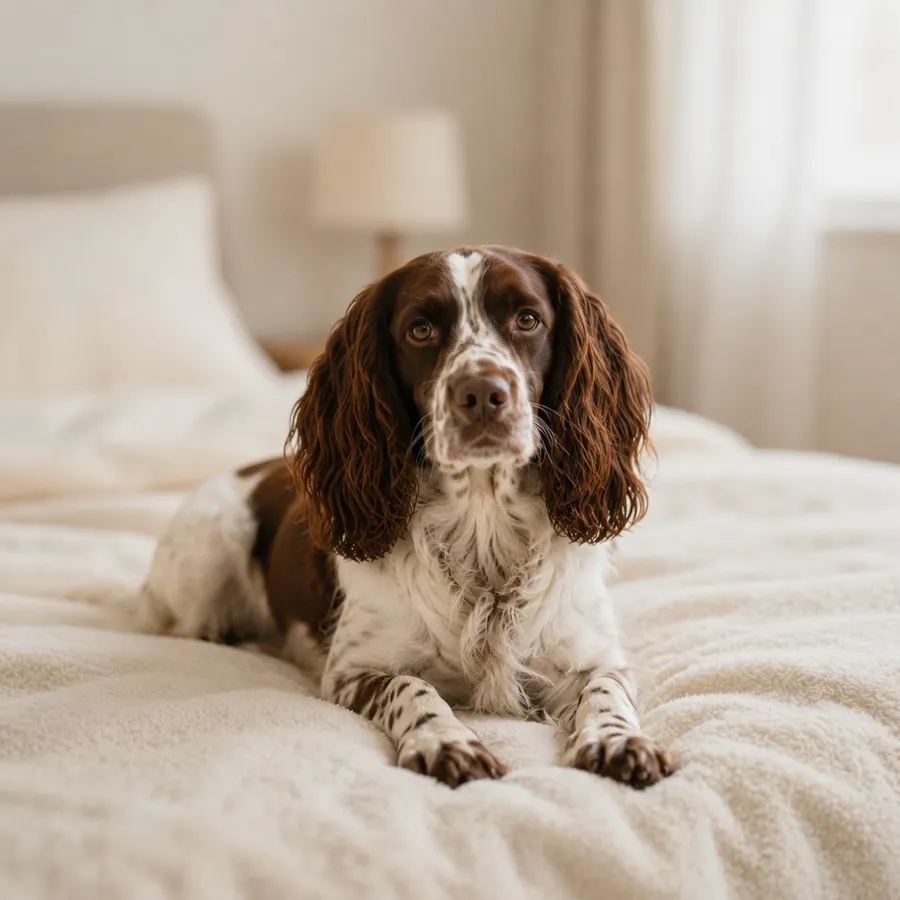
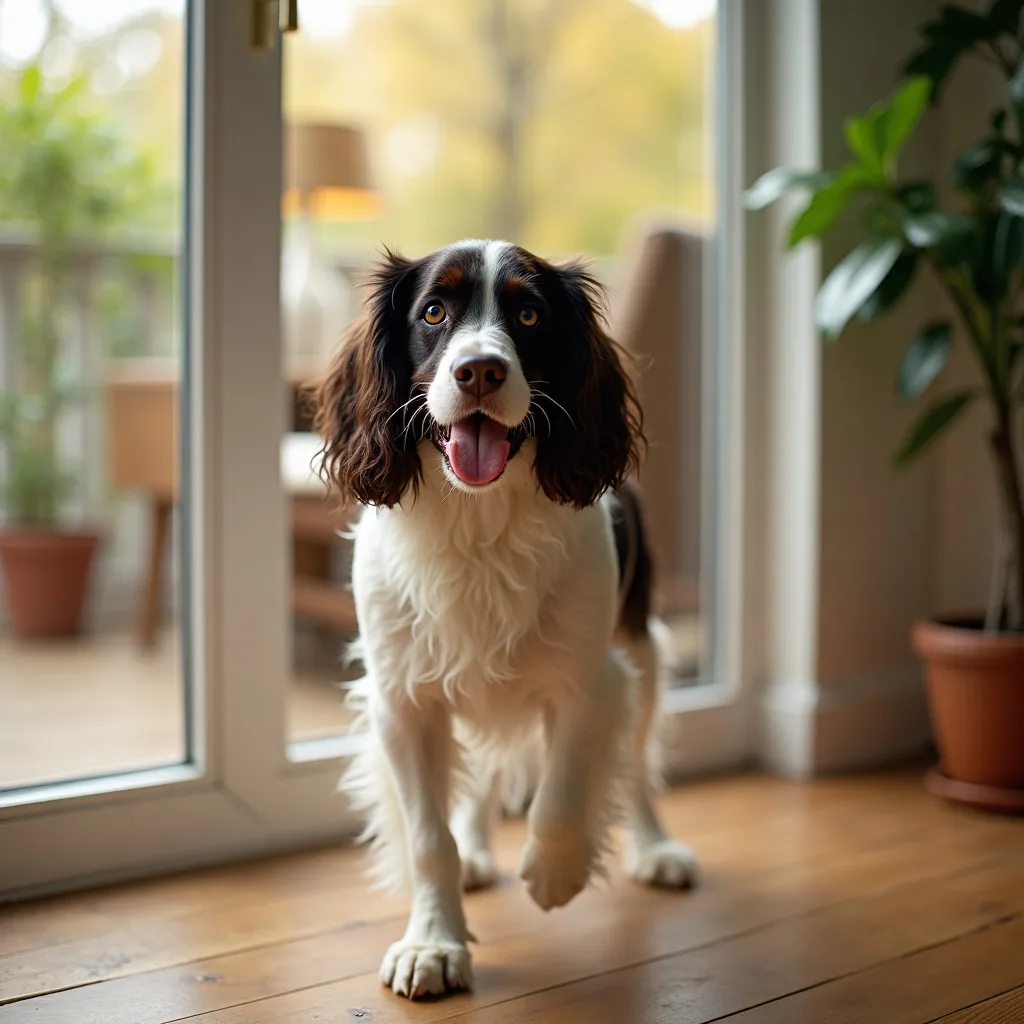
The English Springer Spaniel has a medium-length double coat: a softer undercoat for insulation and a firmer, weather-resistant outer coat. The body hair is fairly short and may be flat or slightly wavy, but the real work is in the *feathering* — the longer, silky hair on the ears, chest, belly, and the backs of the legs (the "trousers"). That feathering is where mud, burrs and tangles collect, and it mats far faster than the body coat. The Kennel Club lists the Springer as needing grooming more than once a week, and in practice most owners settle into brushing several times a week to stay on top of it.
Brushing: little and often
A good rule is a proper brush-through two or three times a week, plus a quick once-over on high-mess areas (ears, trousers, belly) after muddy walks. A slicker brush lifts dead undercoat and surface debris, and a metal comb is your honesty check — run it through the feathering and behind the ears, and if it snags, there's a mat forming. Work mats out gently with your fingers and the comb rather than dragging the slicker through them. Springers tend to "blow" their undercoat heavily a couple of times a year (often spring and autumn), and during those weeks a daily slick over keeps the tumbleweeds of fluff under control.
Those ears: the bit people regret skipping
Springers' long, low-set, hairy ears flop down over the canal, trapping warmth and moisture — exactly the conditions bacteria and yeast love. That makes the breed genuinely prone to ear infections, and the feathering on the ears also collects seeds and dirt on every country walk. Check inside the ears regularly: they should look pink and clean and smell neutral. Redness, a yeasty or sour smell, dark gunk, head-shaking or scratching are all signs to get your vet to look — don't just keep cleaning over a problem.
For routine care, use a proper dog ear cleaner (never cotton buds, which push debris deeper — PDSA recommends cotton wool and a vet-approved cleaner instead). Keeping the hair tidy around the ear opening helps air circulate, which is one of the simplest things you can do to reduce infections. Always check and dry the ears after swimming and bathing.
Trimming, hand-stripping and clipping
How you tidy a Springer depends on the dog. Working-bred Springers are often left more natural, with light tidying of the feathering and the hair around the feet and ears so they pick up less mud and fewer seeds. Show-type coats are traditionally kept by hand-stripping the body (plucking dead outer coat to keep the texture and colour) and tidying the feathering with thinning scissors. Many pet Springers are simply clipped by a groomer every 8–12 weeks for convenience — clipping is gentler on the dog and easier to maintain, though over time it softens the coat's texture. There's no single "right" answer; pick the routine that suits your dog's coat and your lifestyle, and a good groomer can show you what works.
Bathing, feet and nails
Bath only when genuinely needed — over-bathing strips natural oils. Most of the time a rinse and a thorough towel-and-brush dry after a muddy walk is plenty. When you do bath, use a dog shampoo, rinse well (suds left in the feathering cause itching), and dry the ears and trousers properly. Check the hair between the pads, which mats and balls up with mud, and trim it level with the pad. Keep nails short enough that you can't hear them clicking on a hard floor.
After every country walk
This is the habit that saves vet bills. Springers crash through long grass, so run your hands over the ears, armpits, belly, groin and between the toes feeling for grass seeds and ticks. Grass seeds are dangerous because, as PDSA warns, they can burrow under the skin — eyes, ears and toes are common spots. Ticks attach in the same warm, hidden places; check after walks in long grass and remove any you find promptly with a tick-twisting tool, twisting rather than pulling so the head doesn't break off.
Start young, keep it positive
Get a Springer puppy used to being brushed, having ears and feet handled, and standing on a table, with plenty of treats and short sessions. A dog that enjoys grooming makes every check, trim and tick-removal far easier for the rest of their life — and given how much of the world a Springer insists on rolling in, you'll be doing it a lot.
Sources
- The Kennel Club (Royal Kennel Club) — Spaniel (English Springer) breed information: https://www.royalkennelclub.com/search/breeds-a-to-z/breeds/gundog/spaniel-english-springer/
- PDSA — How to clean a dog's ears: https://www.pdsa.org.uk/pet-help-and-advice/pet-health-hub/other-veterinary-advice/how-to-clean-a-dog-s-ears
- PDSA — Grass seeds in dogs: https://www.pdsa.org.uk/pet-help-and-advice/pet-health-hub/conditions/grass-seeds-in-dogs
- PDSA — How to remove a tick from a dog or cat: https://www.pdsa.org.uk/pet-help-and-advice/pet-health-hub/conditions/how-to-remove-a-tick-from-a-dog-or-cat
Common questions
How often should I groom my Springer Spaniel?
Aim to brush thoroughly two or three times a week, with a quick once-over of the ears, belly and trouser feathering after muddy walks. The Kennel Club lists the Springer as needing grooming more than once a week. Most owners also book a professional tidy or clip every 8–12 weeks, plus weekly ear checks.
Why do Springer Spaniels get so many ear infections?
Their long, hairy, low-hanging ears flop over the ear canal and trap warmth and moisture, which is the ideal environment for bacteria and yeast to overgrow. Keeping the hair tidy around the ear opening to let air in, checking and drying ears after swimming, and routine cleaning with a vet-approved cleaner all help reduce infections. See your vet for redness, smell, dark discharge or head-shaking.
Should I hand-strip or clip my Springer Spaniel?
Both are used. Show-type coats are traditionally hand-stripped on the body to keep the texture and colour, with the feathering tidied by thinning scissors. Many pet Springers are simply clipped by a groomer every 8–12 weeks — easier and gentler, though over time it softens the coat's texture. Working Springers are often kept more natural with light tidying. Choose what suits your dog's coat and your routine.
How do I get grass seeds and ticks out of my Springer's coat?
Check after every walk in long grass, running your hands over the ears, armpits, belly, groin and between the toes. Comb grass seeds out of the feathering before they work into the skin — PDSA warns they can burrow in, especially around eyes, ears and toes. Remove ticks promptly with a tick-twisting tool, twisting rather than pulling so the head doesn't break off, and watch for any redness or illness afterwards.
How often should I bath my Springer Spaniel?
Only when genuinely needed — over-bathing strips the coat's natural oils. Most of the time, rinsing off mud and a thorough towel-and-brush dry is enough. When you do bath, use a dog shampoo, rinse all the suds out of the feathering to avoid itching, and dry the ears and trousers properly. Always check and dry the ears after any bath or swim.
About the author
Matt Garnett — founder, Giddy Pets
Matt started Giddy Pets to make getting pets the good stuff simpler and fairer. Everything in these guides comes from real life with pets and a lot of trial and error — it's practical guidance, not veterinary advice. If a guide gets something wrong, tell him directly.
Advice & planning
Free tools & more guides
Practical calculators and trusted guides relevant to this product.
Read next
How Long Do English Springer Spaniels Live? Lifespan & Health
How long Springer Spaniels live, the ear, eye and inherited conditions the breed is prone to, and how to help yours stay healthy.
How Much Exercise Does a Springer Spaniel Need?
Springer Spaniels are tireless working dogs that need a lot of exercise and mental work. Exactly what that looks like, and whether the breed suits you.
Are Springer Spaniels Good Family Dogs?
Springer Spaniels are warm, people-loving family dogs that adore children and bond hard — but they're high-energy gundogs that need real exercise, company and grooming. Here's the honest picture of who they suit.
Working vs Show Springer Spaniel: What's the Difference?
Working and show Springer Spaniels share a name and a Kennel Club registration, but they can look and behave like two different dogs. Here's the honest difference between the lighter, driven field-bred type and the heavier, calmer show-bred type, and how to tell which one suits your home.