Shar Pei Skin, Wrinkle & Ear Care Guide
How to care for a Shar Pei's skin folds, narrow ears and sensitive eyes — preventing fold dermatitis, infections and spotting entropion early, the UK vet way.
The quick answer
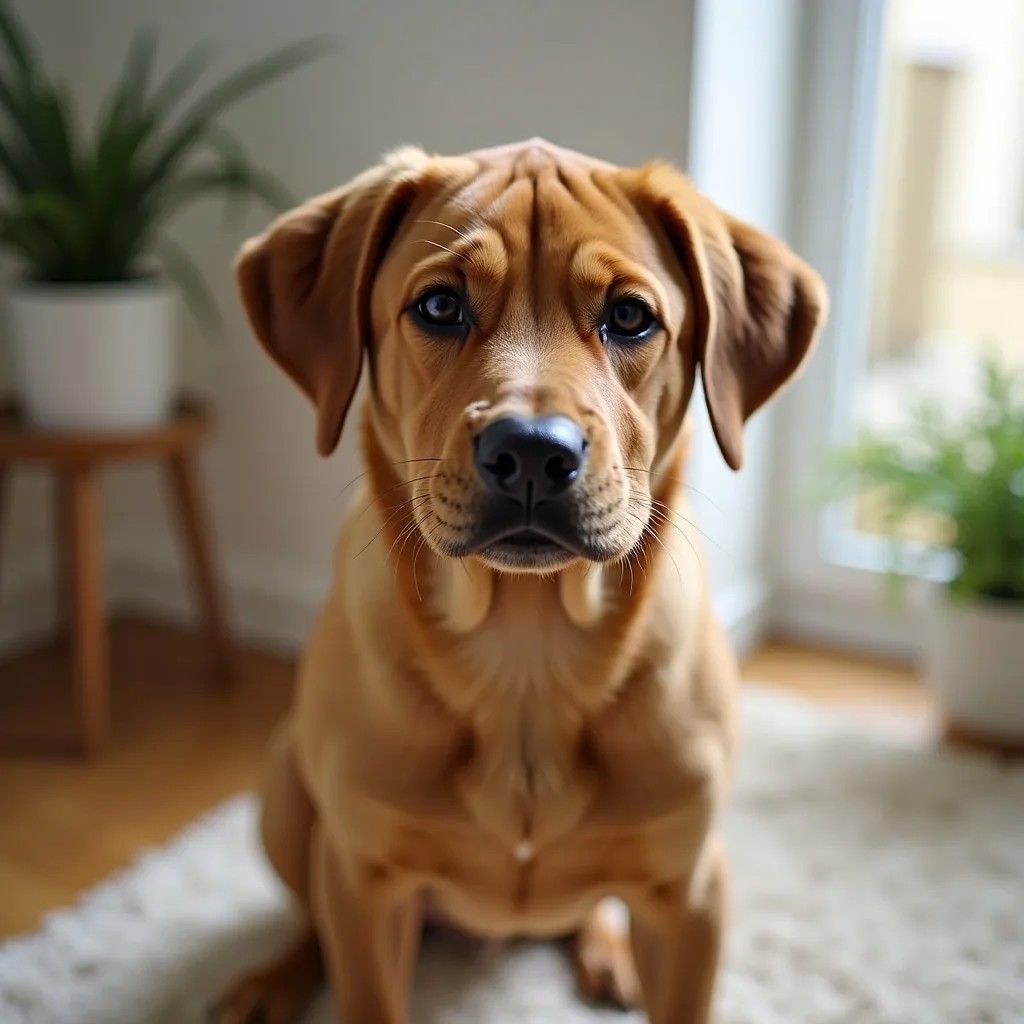
Check the folds daily, clean them gently with a vet-recommended product or a damp soft cloth, easing into the depth of each fold, then dry them thoroughly — the drying step is crucial, as damp folds cause infection. Avoid over-bathing, which irritates sensitive skin.
The Chinese Shar Pei's wrinkles are its trademark — but they're also the source of much of its day-to-day care. Those deep folds, unusually narrow ears and tight skin around the eyes need a consistent routine to keep your dog comfortable and infection-free. Here's a practical UK guide to caring for a Shar Pei's skin, folds, ears and eyes.
Why the wrinkles need so much attention
A Shar Pei's wrinkles aren't just loose skin — the breed carries extra hyaluronic acid that produces those characteristic folds. Inside a fold, the skin surfaces sit warm, dark and pressed together, trapping moisture, sweat and debris. That's the perfect environment for bacteria and yeast, leading to skin-fold dermatitis: red, sore, sometimes smelly skin that's uncomfortable and prone to infection. Heavily wrinkled, 'meatmouth'-type dogs suffer most, which is exactly why choosing a moderately wrinkled, health-focused dog spares so much trouble.
A daily fold-care routine
Make fold care part of everyday life:
- Check the folds daily, especially around the face, muzzle and any deep body wrinkles, looking for redness, moisture, odour or soreness.
- Clean gently with a vet-recommended product or a damp, soft cloth, easing into the depths of each fold.
- Dry thoroughly — this is the crucial step. Damp folds are where problems start, so dry each fold carefully after cleaning, baths or wet walks.
- Avoid over-bathing, which can strip and irritate sensitive skin; follow your vet's advice on frequency and products.
If a fold becomes red, sore, smelly or persistently moist despite a good routine, see your vet — fold infections often need treatment, and recurring problems may need a longer-term plan.
Caring for those narrow ears
Shar Pei have notably narrow ear canals, which trap wax and moisture and make ear infections common. Build in regular ear care:
- Check the ears for redness, smell, discharge, or head-shaking and scratching.
- Clean only as advised by your vet, using a suitable canine ear cleaner — never cotton buds pushed into the canal.
- Dry the ears after swimming or baths, as moisture encourages infection.
Because the canals are so narrow, problems can be hard to spot early and quick to take hold, so any sign of ear discomfort warrants a prompt vet check.
Watching the eyes for entropion
Entropion — where the eyelid rolls inward so the lashes rub the eyeball — is very common in Shar Pei, driven by the same skin that creates the wrinkles. It's painful and, untreated, can cause ulcers and lasting eye damage. It often requires corrective surgery. Watch closely for squinting, excessive tear staining, redness, discharge, pawing at the eyes or sensitivity to light, and see your vet promptly if you notice any of these. Puppies should be checked, as signs can appear early. Never ignore eye discomfort in this breed.
Skin allergies and general coat care
Beyond the folds, Shar Pei are prone to allergies and atopy, which cause itchy, inflamed skin and can worsen fold and ear problems. Persistent scratching, licking or recurrent infections deserve a vet investigation rather than repeated home treatment, as managing an underlying allergy often improves the skin and ears together. The coat itself is short and low-maintenance — a weekly brush with a suitable grooming brush removes loose hair and lets you inspect the skin while you go. Doing this on a calm, regular schedule also helps your dog accept handling, which makes every part of its care easier. Most of a Shar Pei's grooming time, though, goes into folds, ears and eyes rather than the coat.
Heat, comfort and everyday care
Some Shar Pei have reduced heat tolerance, so take care in warm weather, avoid exercise in the heat of the day, and never leave a dog in a warm car. A comfortable, easy-to-clean bed supports rest, and keeping your dog lean reduces strain on the skin and joints alike.
When to see your vet
Book a check for sore, smelly or persistently moist folds, any ear odour, discharge or head-shaking, and especially any eye squinting, redness or discharge given the risk of entropion. Early treatment keeps small problems from becoming chronic in this fold-prone breed.
*This is general guidance, not a substitute for advice from your vet, who can assess your individual dog.*
Sources
- RVC VetCompass — UK dog health and skin/eye disorder research (rvc.ac.uk/vetcompass).
- UK Kennel Club & BVA — breed health and screening schemes (thekennelclub.org.uk).
- PDSA — dog skin, ear and eye care (pdsa.org.uk).
- Blue Cross — dog health and grooming (bluecross.org.uk).
Common questions
How do I clean a Shar Pei's wrinkles?
Check the folds daily, clean them gently with a vet-recommended product or a damp soft cloth, easing into the depth of each fold, then dry them thoroughly — the drying step is crucial, as damp folds cause infection. Avoid over-bathing, which irritates sensitive skin. If a fold becomes red, sore or smelly despite this, see your vet.
Why do Shar Pei get so many ear infections?
Shar Pei have unusually narrow ear canals that trap wax and moisture, making infections common and sometimes hard to spot early. Check the ears regularly for redness, smell, discharge or head-shaking, clean only as your vet advises, and dry the ears after baths or swimming. Any sign of ear discomfort warrants a prompt vet check.
Do Shar Pei need eye surgery?
Many do. Entropion — where the eyelid rolls inward so lashes rub the eye — is very common in Shar Pei and often needs corrective surgery to prevent pain, ulcers and lasting damage. Watch for squinting, tear staining, redness, discharge or pawing at the eyes, and see your vet promptly, as signs can appear even in puppies.
About the author
Matt Garnett — founder, Giddy Pets
Matt started Giddy Pets to make getting pets the good stuff simpler and fairer. Everything in these guides comes from real life with pets and a lot of trial and error — it's practical guidance, not veterinary advice. If a guide gets something wrong, tell him directly.
Free tools & more guides
Read next
How Long Do Shar Pei Live? Lifespan & Health
Shar Pei live around 9–11 years. The fever, skin-fold, entropion and ear issues this wrinkled breed is prone to, and why moderate, health-tested lines matter.
Are Shar Pei Good Family Dogs? Temperament & Fit
Shar Pei are loyal, calm and devoted but aloof with strangers and wary of other dogs. Whether the breed suits family life, and the socialisation it needs.
Cost of Keeping a Shar Pei in the UK
What a Shar Pei really costs to keep in the UK — food, insurance and routine care, plus the breed-specific skin, eye and surgery costs to budget for honestly.