
Samoyed Grooming: Coat, Shedding & Heat Care
Samoyeds have a thick white double coat that sheds heavily and needs frequent brushing. How to groom one, manage moulting, keep them cool and never to shave.
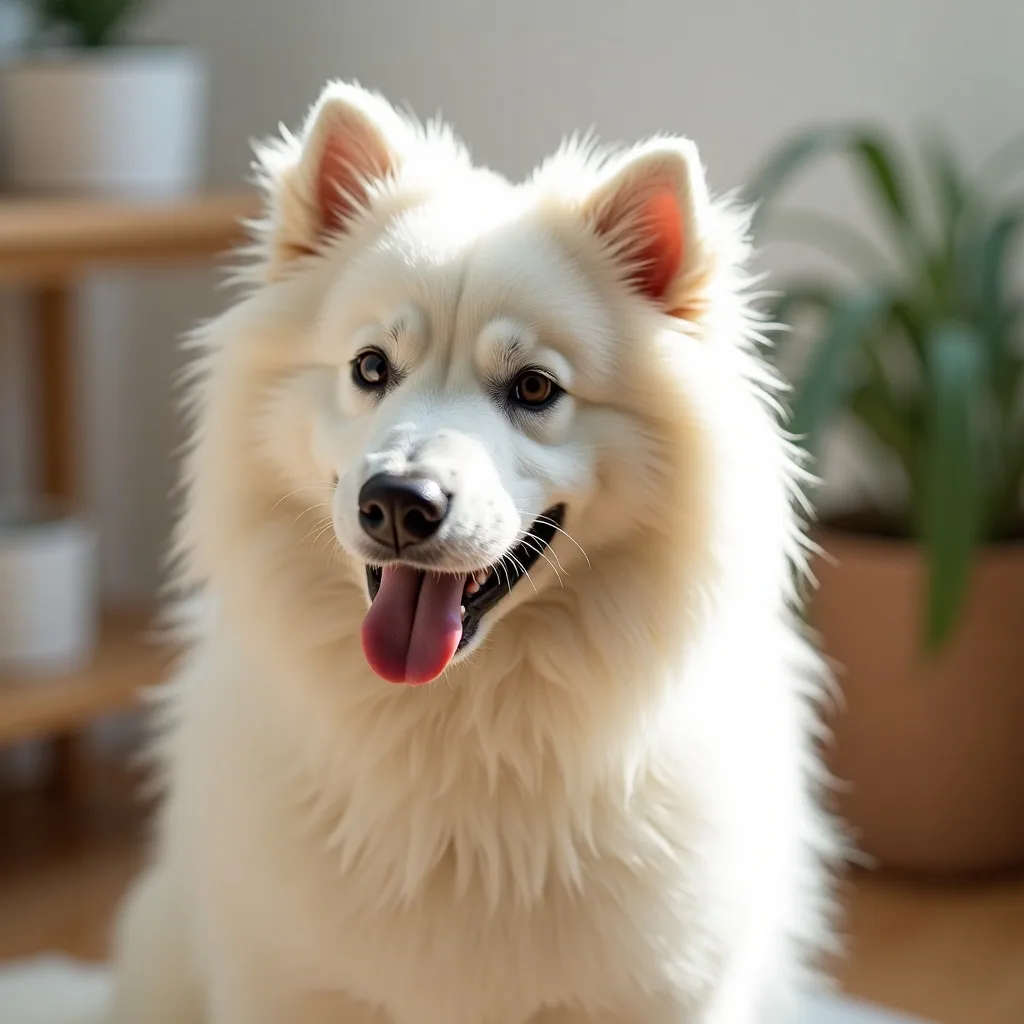
The quick answer
Yes — heavily. Samoyeds have a thick white double coat that sheds year-round and 'blows' dramatically twice a year. Expect to brush several times a week, and daily during a moult, to manage the loose hair and keep the coat and skin healthy.
The Samoyed's glorious white double coat is the breed's most famous feature — and its biggest commitment. That dense, weatherproof coat sheds year-round, 'blows' heavily twice a year, and needs regular care to stay healthy and to keep your home from disappearing under white fluff. Here's how to groom a Samoyed, manage the shedding, and care for the coat in warm weather.
Understanding the Samoyed coat
Samoyeds have a double coat: a soft, dense, woolly undercoat for insulation and a longer, harsher outer coat of 'guard' hairs that sheds dirt and repels weather. This Arctic coat kept the breed warm working in some of the coldest places on Earth, and it insulates against both cold and heat while protecting the skin from sun. Understanding how the coat works is the key to grooming it correctly — and to understanding why you should never shave it.
How often to brush
Samoyeds need brushing several times a week as a minimum, and daily during the heavy seasonal moults. Regular brushing removes loose undercoat, prevents the dense coat from matting (especially behind the ears, under the legs and around the collar area), distributes natural skin oils, and keeps the coat looking and feeling healthy. A grooming brush such as a slicker, plus an undercoat rake or deshedding tool for the woolly layer, makes the job far easier and more effective.
Coping with the big moults
Twice a year — typically spring and autumn — Samoyeds 'blow' their coat, shedding the undercoat in dramatic quantities over a few weeks. During these moults, daily brushing is genuinely needed to keep on top of the loose hair. Brushing outdoors where possible, and right down to the undercoat, helps clear the shedding coat efficiently. It's a big job, but staying on top of it keeps both the coat and your home in much better shape.
Bathing and general care
Samoyeds are fairly clean dogs and their coat has a natural ability to shed dirt, so they don't need frequent bathing — over-bathing can strip natural oils. Bath as needed with a dog-suitable shampoo, and make sure the dense coat is dried thoroughly afterwards, as a damp undercoat can lead to skin problems. Routine care also includes regular nail trims, dental care and checking and cleaning the ears.
Never shave a Samoyed
This is one of the most important rules of Samoyed care: never shave the coat. Because the double coat insulates against heat as well as cold and protects the skin from sun, shaving removes the dog's natural temperature regulation and sun protection, leaving them more, not less, vulnerable in hot weather. Shaving can also damage how the coat regrows, sometimes permanently altering its texture. The right way to manage heat and shedding is regular brushing to remove loose undercoat — not clipping the coat off.
Caring for a Samoyed in hot weather
That thick Arctic coat makes Samoyeds heat-sensitive, so summer needs careful management:
- Walk in the cool of the day — early morning and evening, avoiding the midday heat.
- Provide shade and fresh water — always, especially on warm days.
- Never leave them in warm cars, conservatories or other hot spaces, even briefly.
- Keep the coat well brushed — a clean, loose-undercoat-free coat insulates and breathes better.
- Watch for signs of overheating — heavy panting, drooling, lethargy, distress; cool the dog and contact your vet urgently if you're concerned.
Tools that make the job easier
The right kit transforms Samoyed grooming from a chore into a manageable routine. A slicker brush works through the outer coat and tackles small tangles, while an undercoat rake or deshedding tool reaches the dense woolly layer where most of the loose hair lives. A metal comb is useful for checking for mats in the trickier areas behind the ears, under the legs and around the tail. Working methodically, section by section and right down to the skin, is far more effective than skimming the surface — and it's where most matting problems are quietly prevented.
Caring for the skin underneath
Because the coat is so dense, skin problems can hide beneath it, so grooming is also a chance to check the skin and coat for any redness, dryness, lumps, parasites or sore patches. Part the coat and look at the skin as you brush, and keep an eye out for any unusual scratching or hot spots. Catching a skin issue early, before it's buried under matted fur, makes it far easier to treat — another good reason to keep up with regular, thorough grooming sessions.
Making grooming positive
Because grooming is a lifelong part of owning a Samoyed, it pays to make it a calm, positive experience from puppyhood — short, gentle sessions with praise and rewards, getting your dog used to being handled all over, including the paws, ears and tail. A Samoyed that enjoys being groomed makes the substantial coat care far easier for everyone, and turns what could be a battle into a bit of bonding time.
*This is general guidance, not a substitute for advice from your vet or a professional groomer, who can assess your individual dog.*
Sources
- RVC VetCompass — UK dog health and skin/coat research (rvc.ac.uk/vetcompass).
- UK Kennel Club & BVA — breed coat care and grooming (thekennelclub.org.uk).
- PDSA — dog grooming and breed care (pdsa.org.uk).
- Blue Cross — dog grooming and care (bluecross.org.uk).
Common questions
Do Samoyeds shed a lot?
Yes — heavily. Samoyeds have a thick white double coat that sheds year-round and 'blows' dramatically twice a year. Expect to brush several times a week, and daily during a moult, to manage the loose hair and keep the coat and skin healthy. The shedding is substantial, so they're not a good fit for anyone wanting a low-maintenance, low-hair home.
Should you shave a Samoyed?
No — you should never shave a Samoyed. The double coat insulates against both cold and heat and protects the skin from sun, so shaving removes natural temperature regulation and sun protection and can damage how the coat regrows. Instead, manage heat and shedding with regular brushing to remove loose undercoat, plus shade, water and sensible timing of walks in warm weather.
Do Samoyeds cope with hot weather?
Not especially well. The thick double coat that kept Samoyeds warm in the Arctic makes them sensitive to heat, so they need careful management in summer — walks in the cool of the morning and evening, shade, fresh water and never being left in warm cars or conservatories. Watch closely for signs of overheating, and never shave the coat, which helps regulate temperature.
About the author
Matt Garnett — founder, Giddy Pets
Matt started Giddy Pets to make getting pets the good stuff simpler and fairer. Everything in these guides comes from real life with pets and a lot of trial and error — it's practical guidance, not veterinary advice. If a guide gets something wrong, tell him directly.
Free tools & more guides
Read next
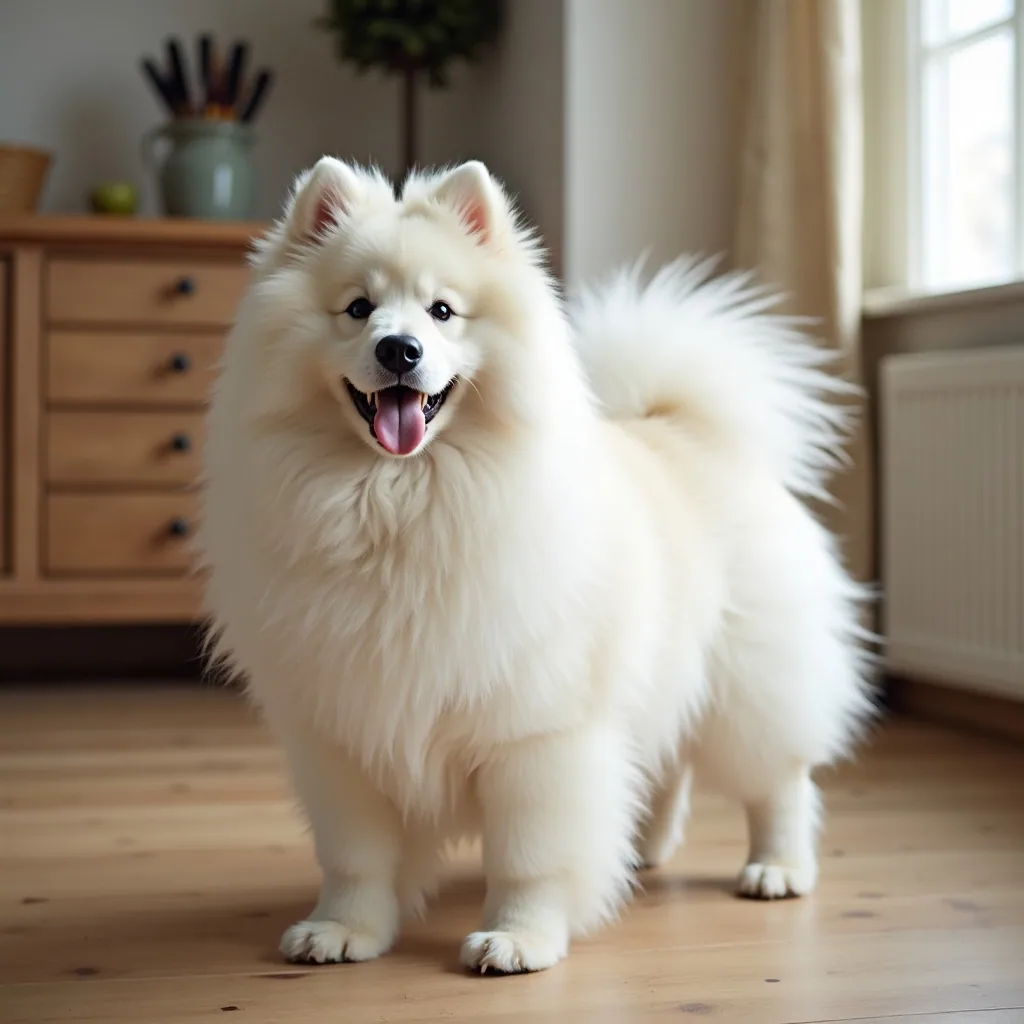
Cost of Owning a Samoyed in the UK
What a Samoyed really costs in the UK — purchase price, monthly food, grooming, insurance and vet care — plus the breed's coat and health costs to budget for.
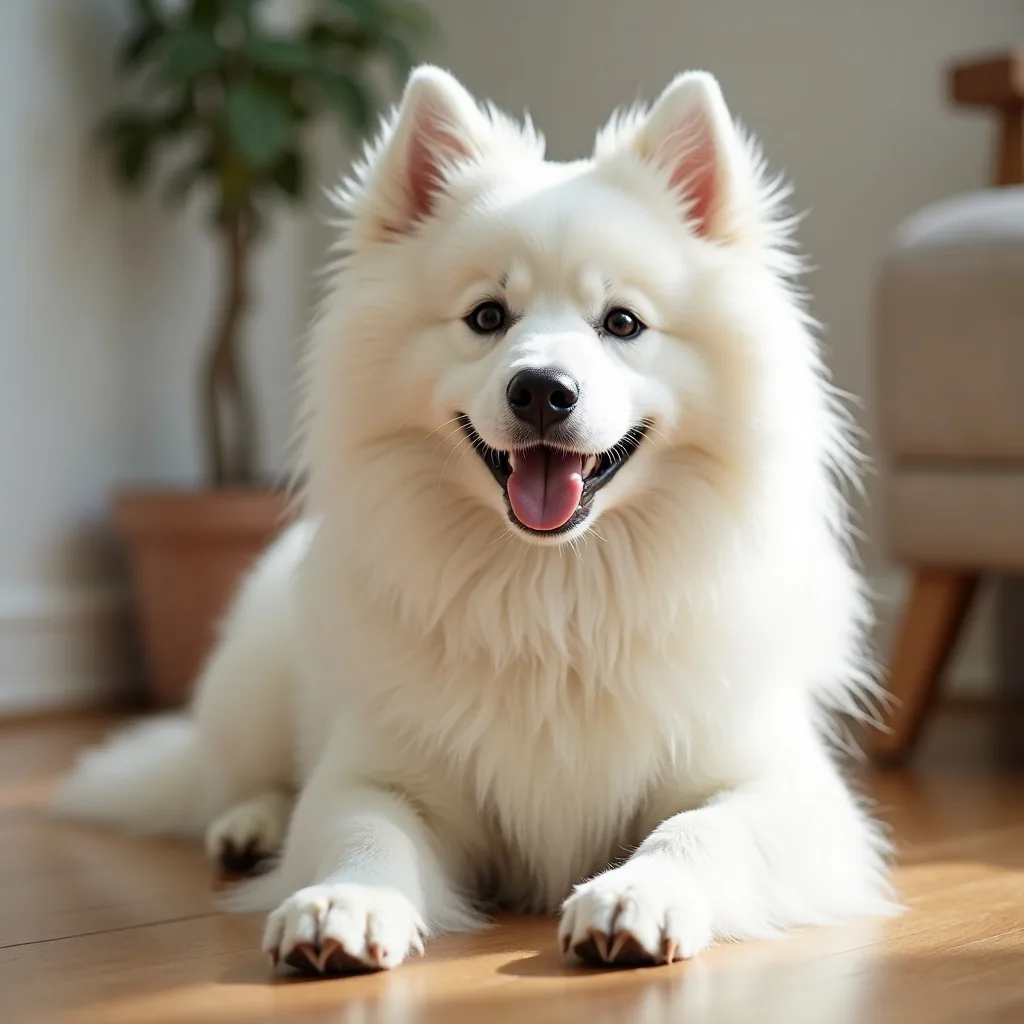
How Long Do Samoyeds Live? Lifespan & Health
Samoyeds live around 12–14 years. The kidney, eye, joint and other conditions this smiling Arctic breed is prone to, and how to help yours stay well.
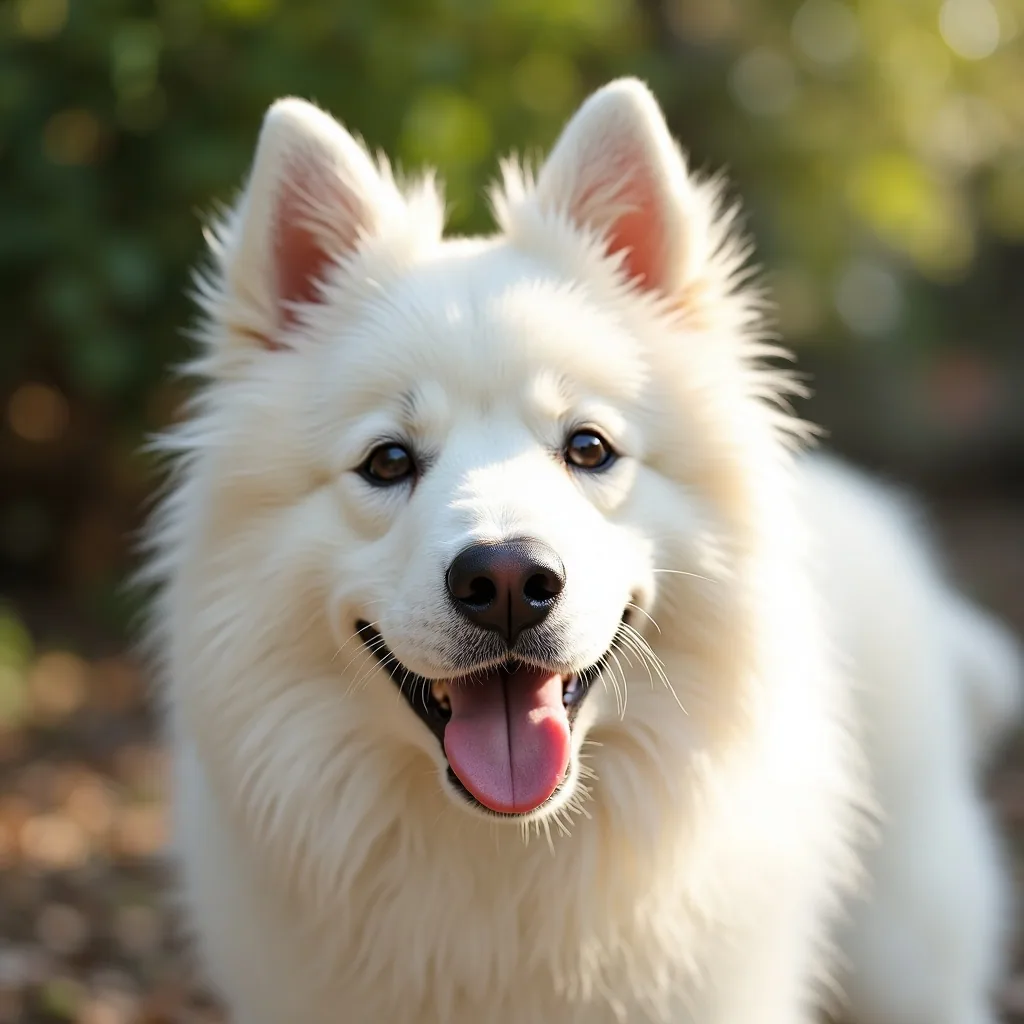
Are Samoyeds Good Family Dogs? Temperament & Fit
Samoyeds are friendly, sociable family dogs with a famous smile — but they're vocal, need company and daily exercise. Whether the breed suits your home.
Newfoundland Grooming: Coat, Shedding & Heat Care
Newfoundlands have a heavy, water-resistant double coat that sheds year-round. A practical guide to brushing, moulting, drool, bathing and summer heat care.