
Pet Transport Rules in the UK: DEFRA Welfare Standards
A plain-English guide to UK pet transport rules — welfare law, the 65 km commercial threshold, and the DEFRA paperwork a professional should hold.

The quick answer
Any journey must be carried out humanely with the animal fit to travel. For commercial transport over 65 km, the operator generally needs DEFRA transporter authorisation, a certificate of competence, and must carry an Animal Transport Certificate.
If you're booking a pet taxi or animal ambulance, or moving an animal a long way, it helps to know what the rules actually say. This is a plain-English overview of UK pet transport rules, based on DEFRA / GOV.UK guidance. It's aimed at owners choosing a service — so you know what a professional should hold — rather than something to worry about for a short trip to the vet.
Welfare law applies on every journey
The foundation is simple: anyone transporting an animal must do so humanely, and the animal must be fit to travel. This welfare duty applies to any journey, however short. In practice it means a pet shouldn't be moved if doing so would cause unnecessary suffering, and the vehicle and handling should keep the animal safe and comfortable.
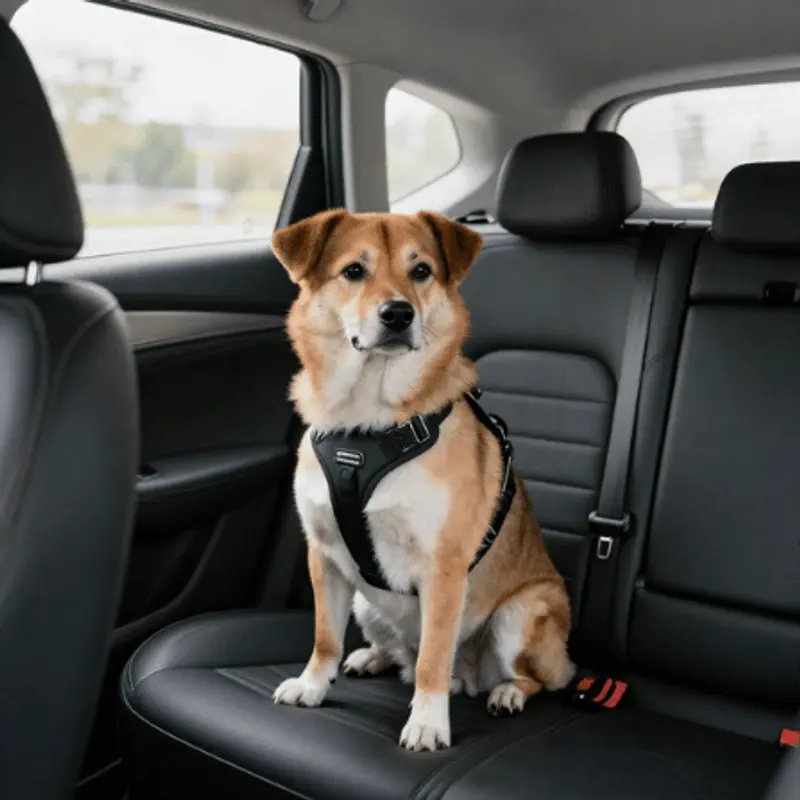
For an everyday owner driving the family dog to the vet, this is mostly common sense — secure the animal, keep the car a comfortable temperature, don't travel a clearly unwell animal without veterinary advice. For a commercial transporter, the same principle is backed by more formal requirements once journeys get longer.
The 65 km commercial threshold
The extra paperwork kicks in for commercial or regular transport of animals on journeys over 65 km (roughly 40 miles). Below that distance, and for private owners moving their own pets, those specific authorisations generally aren't required — though the welfare duty above still applies.
So a local pet taxi doing short hops around town is in a different regulatory position from a firm running long-distance relocations across the country. It's worth keeping that distinction in mind: don't expect (or demand) the full long-distance paperwork from someone doing a five-mile vet run, but do ask about it for a long move.
Transporter authorisation: Type 1 and Type 2
For that over-65 km commercial transport, the operator generally needs transporter authorisation, of which there are two types:
- Type 1 — for journeys over 65 km lasting up to 8 hours.
- Type 2 — for longer journeys over 8 hours.
Authorisation can be valid for up to 5 years. If you're arranging a long-distance move, it's reasonable to ask a professional transporter whether they hold the appropriate type.
Certificate of competence
To transport animals over 65 km by road, the people involved need a certificate of competence — and that includes attendants, not just the driver. This is about demonstrating the handler knows how to move animals safely and look after their welfare en route.
The Animal Transport Certificate
For relevant journeys, the transporter must carry an Animal Transport Certificate — a written record of the animals being moved (their details and the journey). This certificate must be kept for 6 months. It's part of the paper trail that shows a journey was carried out properly.
What this means when you book
You don't need to memorise the regulations, but knowing they exist helps you ask good questions:
- Short local trips: the main thing that matters is that the animal is fit to travel and moved humanely in a safe, comfortable vehicle. The over-65 km paperwork generally isn't required.
- Long-distance journeys or relocations: it's fair to ask whether the transporter holds the right Type 1 or Type 2 authorisation, has a certificate of competence, and will carry an Animal Transport Certificate. A provider describing itself as DEFRA-approved should be able to explain what that covers.
- Either way: confirm the practical welfare basics — secure restraint, climate control, and sensible journey planning with breaks on longer trips.
Think of the rules as a quality signal. A professional handling long journeys properly will be comfortable talking about their authorisations and paperwork. For everyday vet trips, focus on the welfare essentials and a clear quote.
A note on emergencies
None of this changes the emergency rule of thumb: a pet ambulance is specialist transport, not a blue-light emergency service. If your animal is in a genuine emergency, phone your vet or out-of-hours vet first, then arrange the journey.
Sources
Common questions
What are the rules for transporting pets in the UK?
Any journey must be carried out humanely with the animal fit to travel. For commercial transport over 65 km, the operator generally needs DEFRA transporter authorisation, a certificate of competence, and must carry an Animal Transport Certificate.
What is the 65 km rule for animal transport?
Commercial or regular transport of animals on journeys over 65 km (about 40 miles) triggers extra requirements such as transporter authorisation and a certificate of competence. Shorter trips and private owners moving their own pets generally don't need these.
What is the difference between Type 1 and Type 2 transporter authorisation?
Type 1 covers commercial journeys over 65 km lasting up to 8 hours; Type 2 covers longer journeys over 8 hours. Authorisation can be valid for up to 5 years.
Do I need a licence to take my own pet to the vet?
No. Private owners moving their own pets don't need transporter authorisation, but the welfare duty still applies — the animal must be fit to travel and moved humanely in a safe, comfortable vehicle.
About the author
Matt Garnett — founder, Giddy Pets
Matt started Giddy Pets to make getting pets the good stuff simpler and fairer. Everything in these guides comes from real life with pets and a lot of trial and error — it's practical guidance, not veterinary advice. If a guide gets something wrong, tell him directly.
Free tools & more guides
Read next

UK Pet Taxi & Ambulance Providers: A Directory
A directory of established UK pet taxi and animal ambulance services, plus what to check before you book one.
How to Get Your Pet to the Vet Without a Car
Practical, car-free ways to get your dog or cat to the vet, from pet taxis to home-visit vets — and what to do in an emergency.
Pet Taxis & Ambulances
What pet taxis and animal ambulances are, when to use which, and the UK providers who offer them.

What Is a Pet Taxi? How They Work, Costs & Choosing One
A pet taxi is a door-to-door, non-emergency transport service that takes pets to the vet, groomer, kennels or a new home when you can't drive them yourself.