
Newfoundland Grooming: Coat, Shedding & Heat Care
Newfoundlands have a heavy, water-resistant double coat that sheds year-round. A practical guide to brushing, moulting, drool, bathing and summer heat care.

The quick answer
Brush a Newfoundland several times a week, and daily during the twice-yearly seasonal moults when they 'blow' their undercoat. A thorough brush-out to the skin lifts loose undercoat, prevents mats and keeps the skin healthy. Pay extra attention to the high-friction areas behind the ears, under the legs and around the rear, where mats form first.
That magnificent coat is one of the first things people notice about a Newfoundland — and it's a serious grooming commitment. Bred to work in cold water, the Newfoundland carries a thick, water-resistant double coat that sheds heavily, mats if neglected and needs careful management in hot weather. Here's a practical, UK-focused guide to keeping your Newfoundland's coat, skin and comfort in good order.
Understanding the double coat
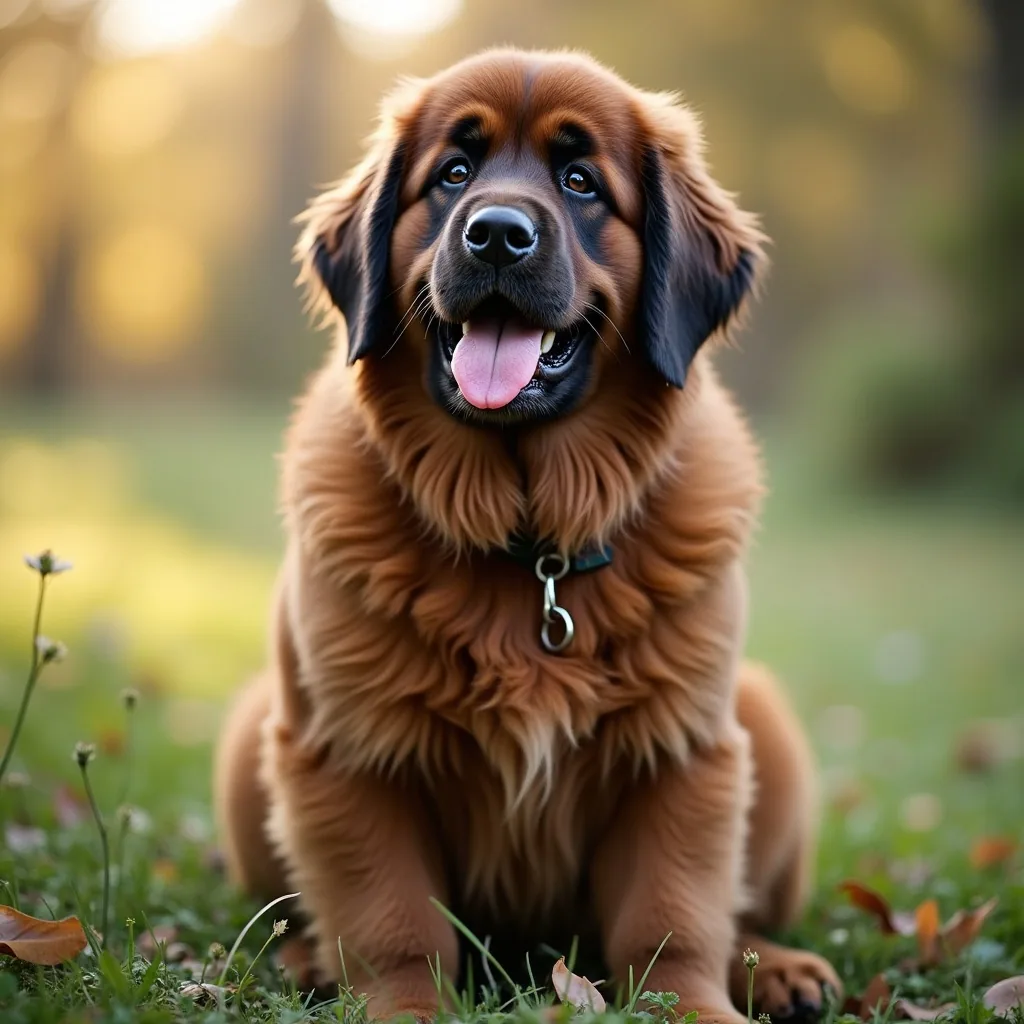
A Newfoundland has a double coat: a coarse, water-resistant outer coat over a soft, dense undercoat that provides insulation. This is what kept the breed working in icy water — and it's why grooming matters so much. The undercoat traps loose hair and moisture, and without regular brushing it tangles and mats, particularly behind the ears, under the legs and around the rear. Never shave a Newfoundland: the coat insulates against heat as well as cold, and shaving can damage how it regrows and how it protects the skin.
How often to brush
Plan to brush several times a week, and daily during the big seasonal moults. A thorough brush-out reaches the skin, lifts loose undercoat, prevents mats and spreads natural oils through the coat. A slicker brush and an undercoat rake or deshedding brush are the workhorses here; a wide-toothed comb helps you find and tease out tangles before they become mats. Work in sections, right down to the skin rather than just over the surface, and check the high-friction areas (armpits, behind the ears, the 'trousers' at the back) where mats form first.
Shedding and the seasonal 'blow'
Newfoundlands shed year-round, and twice a year they 'blow' their coat — shedding the undercoat far more dramatically over a few weeks, typically in spring and autumn. During these periods, daily brushing makes an enormous difference to the amount of hair in your home and the health of the coat. Staying on top of the moult also prevents the shed undercoat from packing down into mats against the skin.
Bathing and drying
Newfoundlands don't need frequent baths — over-bathing can strip the coat's natural oils — but they'll need one periodically, after a muddy adventure or a swim in stagnant water. Use a dog-specific shampoo, rinse thoroughly (residue irritates the skin), and the all-important step: dry the coat properly, right down to the undercoat. That dense undercoat holds water and stays damp for a long time, which can lead to skin problems if left wet. The same applies after swimming — rinse, then dry well.
Drool, ears, eyes and feet
The breed's famous drool means the folds around the mouth need wiping to stay clean and dry. Check and gently clean the ears regularly (damp, hairy ears can be prone to infection, especially in a water-loving dog), keep the area around the eyes clean, and trim nails as needed. Webbed feet that have been in water should be dried, and the hair between the pads kept tidy. A quick once-over of these areas during each grooming session keeps small problems from building up.
Heat care
Grooming and heat go hand in hand for this breed. That insulating coat means Newfoundlands are prone to overheating, so in summer keep the coat well brushed and free of dead undercoat (which traps heat), exercise in the cool of the morning or evening, provide constant shade and fresh water, and never leave your dog in a hot car or conservatory. Learn the signs of heatstroke — heavy panting, drooling, distress, collapse — and treat it as an emergency. Again: never shave the coat to 'cool them down'.
A simple Newfoundland grooming routine
- Several times a week: brush thoroughly to the skin; daily during a moult.
- Each session: check ears, eyes, mouth folds and feet; tease out any starting tangles.
- As needed: bathe, rinse thoroughly and dry the undercoat completely; trim nails.
- Year-round: keep a drool cloth to hand and manage heat carefully in summer.
Grooming a Newfoundland is real work, but it's also good bonding time — and a calm, regular routine keeps that famous coat looking its best and your gentle giant comfortable.
*This is general guidance, not a substitute for advice from your vet, who can assess your individual dog.*
Sources
- RVC VetCompass — UK dog health and skin/coat research (rvc.ac.uk/vetcompass).
- UK Kennel Club & BVA — breed grooming and care information (thekennelclub.org.uk).
- PDSA — dog grooming and skin care (pdsa.org.uk).
- Blue Cross — dog coat and grooming advice (bluecross.org.uk).
Common questions
How often should I groom a Newfoundland?
Brush a Newfoundland several times a week, and daily during the twice-yearly seasonal moults when they 'blow' their undercoat. A thorough brush-out to the skin lifts loose undercoat, prevents mats and keeps the skin healthy. Pay extra attention to the high-friction areas behind the ears, under the legs and around the rear, where mats form first.
Should I shave my Newfoundland in summer?
No — never shave a Newfoundland. The double coat insulates against heat as well as cold, and shaving can damage how it regrows and how it protects the skin. To keep your dog cool, brush out dead undercoat, exercise in the cool of the day, provide shade and water, and never leave them in a hot car or conservatory.
Do Newfoundlands need frequent baths?
Not frequently — over-bathing strips the coat's natural oils. Bathe periodically or after a muddy or stagnant-water adventure, using a dog-specific shampoo, rinsing thoroughly and, crucially, drying the dense undercoat completely. A damp undercoat can lead to skin problems, so always dry well after baths and swimming.
About the author
Matt Garnett — founder, Giddy Pets
Matt started Giddy Pets to make getting pets the good stuff simpler and fairer. Everything in these guides comes from real life with pets and a lot of trial and error — it's practical guidance, not veterinary advice. If a guide gets something wrong, tell him directly.
Free tools & more guides
Read next

The Cost of Owning a Newfoundland in the UK
What a Newfoundland really costs in the UK — giant-breed food bills, higher vet and insurance premiums, grooming kit and the upfront and lifetime budget.

How Long Do Newfoundlands Live? Lifespan & Health
Newfoundlands live around 8–10 years. The heart condition (SAS), bloat, cystinuria and joint issues this gentle giant is prone to, and how to help yours.
Are Newfoundlands Good Family Dogs?
Newfoundlands are famous gentle giants and devoted family dogs. Their temperament with children, plus the size, strength and drool realities to plan for.

Samoyed Grooming: Coat, Shedding & Heat Care
Samoyeds have a thick white double coat that sheds heavily and needs frequent brushing. How to groom one, manage moulting, keep them cool and never to shave.