Lumps on Dogs: When to Worry and When to Watch
Finding a lump on your dog is frightening, but many are harmless. Here's how to check a lump, what to note for your vet, and why every new lump should be examined.
The quick answer
Many lumps are harmless, but because you can't tell what a lump is just by looking or feeling it, every new lump should be checked by your vet. Early checking means early treatment if needed and reassurance if not.
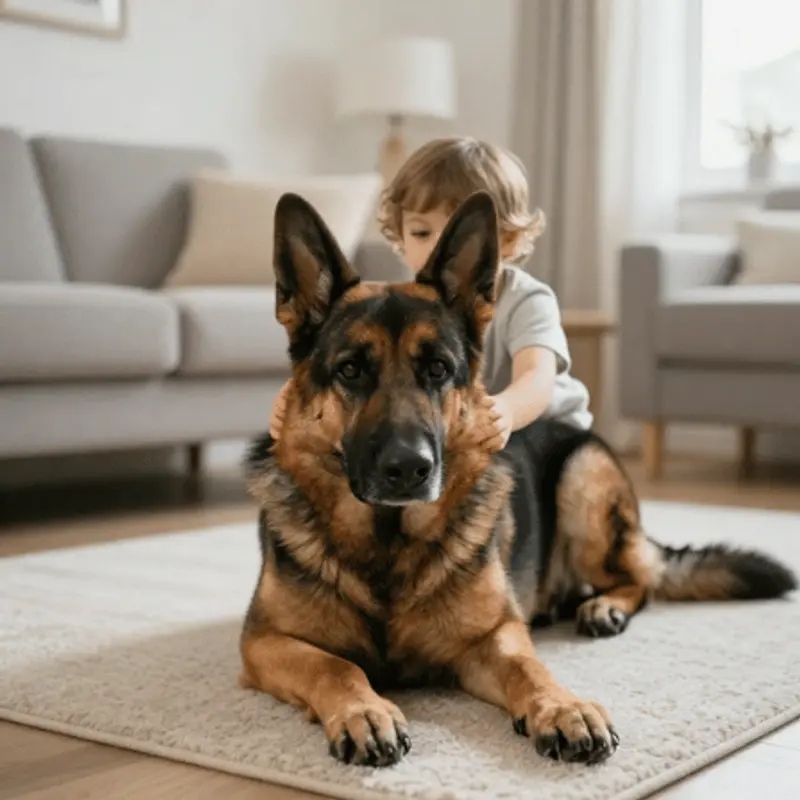
Few things make the heart sink like finding a new lump on your dog while you're stroking them on the sofa. Take a breath: many lumps are completely harmless. But because it's impossible to tell what a lump is just by looking or feeling it, the golden rule is simple — always get a new lump checked by your vet.
This is general guidance, not a substitute for veterinary advice — if you're worried about your dog, contact your vet.
Why lumps need checking
Lumps come in many forms, from harmless fatty deposits and cysts to warts, swellings from infection, and, less commonly, tumours that can be benign or malignant. The crucial point is that you genuinely cannot tell which is which from the outside — even vets usually need a simple test, such as a needle sample, to be sure. The size or feel of a lump doesn't reliably tell you whether it's serious. Early checking means early treatment if it's needed, and peace of mind if it isn't, which is often the case.
Common types of lump
Without trying to diagnose anything at home, it helps to know lumps vary enormously:
- Soft, moveable lumps under the skin (often, but by no means always, harmless fatty lumps, which become more common in older dogs).
- Small skin tags or warts.
- Firm or rapidly growing lumps.
- Swellings that are hot, painful, or have a discharge, which can suggest infection or an abscess.
- Lumps that appear and change quickly.
The descriptions above are only examples to help you describe what you've found — please never use them to decide a lump is safe to ignore.
What to note for your vet
When you find a lump, it's really helpful to jot down:
- Exactly where it is on the body and when you first noticed it.
- Its size — measuring it, even roughly, helps track whether it's changing.
- Whether it's soft or firm, moveable or fixed to the tissue underneath.
- Whether it's growing, changing colour, bleeding, weeping, or bothering your dog.
A quick photo with a coin or ruler next to it for scale is genuinely useful at the appointment, especially for tracking changes over time.
What you can do at home
- Check your dog over regularly by running your hands across the whole body — this is how most owners catch lumps early. Bath and grooming time is perfect for it; our dog grooming routine builds it in naturally.
- Don't squeeze, prod hard, or try to remove or burst a lump yourself.
- If your vet decides to monitor a lump rather than remove it, keep a note of its size and report any changes promptly.
- Plan ahead for any investigations with the pet emergency cost calculator and our pet insurance guide, as testing or removal can carry a cost.
Why early checks make such a difference
The single most useful thing you can do about lumps is simply to find them early, and that comes down to knowing your dog's body. A weekly hands-on check — running your palms over the head, neck, body, legs, tummy and around the tail while your dog enjoys the fuss — means you'll notice a new lump when it's small, rather than months later. For the vast majority of lumps, an early check brings reassurance, because so many turn out to be harmless. And for the minority that do need treating, finding them early genuinely matters: smaller lumps are often simpler to deal with than ones that have been left to grow. Try not to let worry stop you from booking an appointment — vets see lumps every single day, and a quick examination, sometimes with a simple needle sample, usually settles the question fast. Whatever you do, don't fall into the trap of "keeping an eye on it" indefinitely without ever having it looked at, as appearances really can be deceptive.
When to see a vet
Book a vet appointment for any new lump, and sooner rather than later if:
- It's growing quickly, changing shape or colour, or bleeding.
- It's hot, painful, or discharging.
- Your dog is licking, biting or worrying at it, or seems unwell in themselves.
- It appears alongside weight loss, lethargy, or other changes in your dog.
Your vet can examine the lump and, if needed, run a simple test to find out what it is. The vast majority of the worry is resolved with a single visit, and even lumps that do need treating are often very manageable when caught early. Find a practice via our vets directory. Older dogs develop lumps more often — our senior dogs hub has more on caring for them as they age.
The takeaway
Finding a lump is frightening, but the calm, sensible response is the same every time: don't panic, don't ignore it, and get it checked. So many lumps turn out to be harmless, and for the few that aren't, finding them early is the single biggest advantage you can give your dog. Make weekly hands-on checks part of your routine, perhaps with a few comforting grooming tools from our shop, note anything new, and let your vet do the rest. A quick appointment usually replaces a lot of worry with a clear answer.
Sources
Common questions
Should I worry about a lump on my dog?
Many lumps are harmless, but because you can't tell what a lump is just by looking or feeling it, every new lump should be checked by your vet. Early checking means early treatment if needed and reassurance if not.
How can I tell if a lump is cancerous?
You can't tell from the outside — even vets usually need a simple test such as a needle sample to be sure. Note the lump's size, location and any changes, and book a vet appointment rather than trying to judge it yourself.
My dog's lump is small and soft — can I just watch it?
It's still best to have any new lump examined. Soft, moveable lumps are often harmless, but appearances can be misleading, so let your vet confirm it and advise whether monitoring or removal is appropriate.
What should I tell my vet about the lump?
Note when you first found it, its size and location, whether it's soft or firm and moveable or fixed, and any changes such as growth, bleeding or colour. A photo with something for scale helps track it over time.
About the author
Matt Garnett — founder, Giddy Pets
Matt started Giddy Pets to make getting pets the good stuff simpler and fairer. Everything in these guides comes from real life with pets and a lot of trial and error — it's practical guidance, not veterinary advice. If a guide gets something wrong, tell him directly.
Advice & planning
Free tools & more guides
Practical calculators and trusted guides relevant to this product.
Read next

Dog Bad Breath: What It Means and How to Fix It
Bad breath isn't just unpleasant — it's often a sign of dental disease. Learn the common causes, how to improve your dog's oral health, and when to see a vet.
Dog Itchy Skin: Why It Happens and How to Soothe It
Constant scratching is miserable for your dog and you. Learn the common causes of itchy skin, what helps at home, and when scratching means a trip to the vet.
Why Is My Dog Limping? Common Causes and What to Do
A limp can be anything from a thorn in the paw to a serious injury. Here's how to check your dog safely, what to do at home, and when limping needs a vet.