
Lhasa Apso Grooming: Coat, Clips & Eye Care
The Lhasa Apso's long double coat needs daily brushing or a practical puppy clip, plus careful eye hygiene. A full UK grooming guide to keep yours comfortable.
The quick answer
A lot. The long, heavy double coat needs thorough daily brushing right to the skin to prevent painful matting, plus regular bathing and careful eye-area hygiene. Many owners keep their dog in a shorter, easier 'puppy clip', trimmed every few weeks by a groomer.
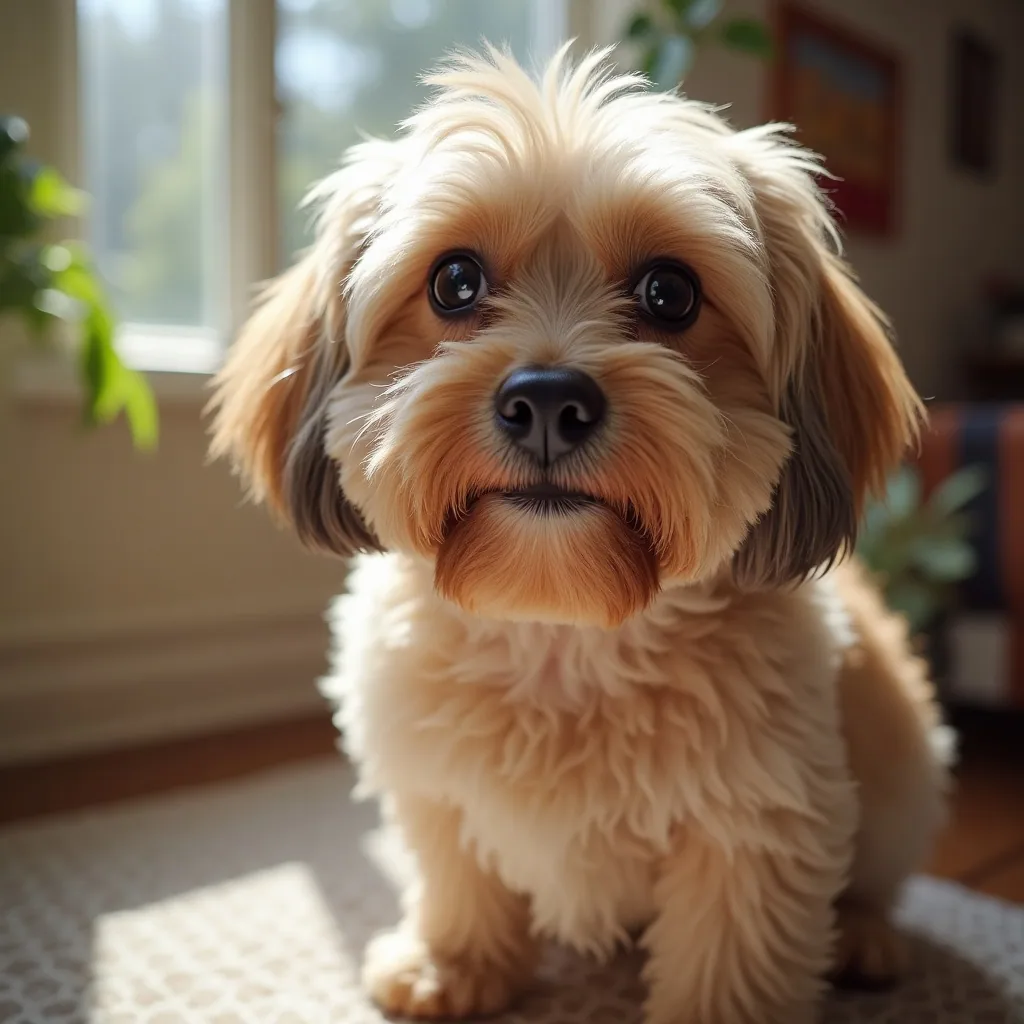
That magnificent floor-length coat is the Lhasa Apso's signature — and its biggest care commitment. Whether you keep your dog in full coat or opt for a practical shorter trim, grooming a Lhasa Apso is a daily, hands-on job that's genuinely part of keeping the dog healthy. Here's how to manage the coat, the clip options, and the all-important eye care this breed needs.
Understanding the coat
The Lhasa Apso has a long, heavy double coat — a dense undercoat beneath a long, straight, hard topcoat that evolved to protect the dog against harsh Himalayan weather. In full coat it can reach the floor. It's a coat that doesn't shed dramatically like many double coats, but the trade-off is that loose hair stays in the coat and mats readily if it isn't brushed right down to the skin. A matted coat isn't just untidy; it pulls painfully on the skin, traps moisture and dirt, and causes sores and skin disease. Grooming, in other words, is a welfare issue in this breed, not just a cosmetic one.
Daily brushing for a full coat
If you keep your Lhasa in full coat, plan on thorough daily brushing. Work in sections, brushing right down to the skin rather than just over the surface, where mats love to form unseen. A good-quality slicker brush and a metal comb are the core tools — the comb is how you check your work, as it should pass cleanly through to the skin. Pay special attention to the friction areas where mats start: behind the ears, under the legs (the armpits), the chest and the bottom. A light grooming spray helps the brush glide and reduces hair breakage. Regular bathing every few weeks keeps the coat and skin clean, and the coat must be dried and brushed through fully afterwards, as a damp coat mats fast.
The puppy clip — a practical alternative
Many owners decide a floor-length coat isn't realistic for daily life, and that's a perfectly good choice. A 'puppy clip' — the whole coat trimmed short to an even, manageable length — is hugely popular for pet Lhasa Apsos. It dramatically cuts daily grooming time, keeps the dog cooler and cleaner, and is far easier to maintain. You'll still brush regularly, but a clipped coat is much more forgiving. Expect a professional groomer to clip and tidy your dog every six to eight weeks or so, which also gives a trained eye a regular look at skin, ears, nails and eyes.
Eye-area hygiene
Eye care deserves its own attention in the Lhasa Apso. The long facial hair can fall into and irritate the eyes, and the breed is already predisposed to eye problems, so keeping the eye area clean and clear is important. Gently wipe away any discharge with damp cotton wool (a fresh piece for each eye), and keep the hair around the eyes trimmed or tied back so it can't rub the surface. Tear staining is common in light-coated dogs; keeping the area clean and dry helps. Crucially, never ignore red, weepy, cloudy or sore eyes or squinting — these need prompt veterinary attention, as eyes are an area where early action protects sight.
Ears, nails, teeth and bottom
Grooming a Lhasa is more than the coat. Check and gently clean the ears, as the heavy coat reduces airflow and hair can grow in the canal; ask your vet or groomer to show you how. Keep nails trimmed so they don't click on the floor or splay the foot. Brush the teeth regularly, ideally daily, as small breeds are prone to dental disease. And keep the hair around the bottom trimmed and clean for hygiene and comfort.
Building a routine your dog accepts
The secret to easy grooming is starting young and keeping it positive. Handle your puppy's feet, ears, face and coat daily, pair grooming with calm praise and treats, and keep early sessions short. A Lhasa that's comfortable being handled is far easier to groom for life — and far less likely to develop painful mats or hidden problems. Done well, grooming is also bonding time and your best early-warning system for the breed's skin and eye issues.
*This is general guidance, not a substitute for advice from your vet, who can assess your individual dog.*
Sources
- RVC VetCompass — UK dog health and skin-condition research (rvc.ac.uk/vetcompass).
- UK Kennel Club & BVA — breed coat care and grooming guidance (thekennelclub.org.uk).
- PDSA — dog grooming and coat care (pdsa.org.uk).
- Blue Cross — dog grooming and skin health (bluecross.org.uk).
Common questions
How much grooming does a Lhasa Apso need?
A lot. The long, heavy double coat needs thorough daily brushing right to the skin to prevent painful matting, plus regular bathing and careful eye-area hygiene. Many owners keep their dog in a shorter, easier 'puppy clip', trimmed every few weeks by a groomer. Either way, the face, eyes and bottom need frequent attention to stay clean and comfortable.
What is a Lhasa Apso puppy clip?
A puppy clip is when the whole coat is trimmed short to an even, manageable length, rather than kept floor-length. It's hugely popular for pet Lhasa Apsos because it cuts daily grooming dramatically, keeps the dog cooler and cleaner, and is far easier to maintain. You'll still brush regularly, and a groomer typically clips and tidies the dog every six to eight weeks.
How do I look after a Lhasa Apso's eyes?
Keep the hair around the eyes trimmed or tied back so it can't rub the surface, and gently wipe away any discharge with damp cotton wool, using a fresh piece for each eye. Keeping the area clean and dry helps with tear staining. Never ignore red, weepy, cloudy or sore eyes or squinting — these need prompt veterinary attention.
About the author
Matt Garnett — founder, Giddy Pets
Matt started Giddy Pets to make getting pets the good stuff simpler and fairer. Everything in these guides comes from real life with pets and a lot of trial and error — it's practical guidance, not veterinary advice. If a guide gets something wrong, tell him directly.
Free tools & more guides
Read next
Cost of Owning a Lhasa Apso in the UK
What does a Lhasa Apso really cost in the UK? Purchase price, monthly food, grooming, insurance and vet care for this long-lived little breed.
How Long Do Lhasa Apsos Live? Lifespan & Health
Lhasa Apsos live around 12–15 years. The eye, kidney, knee and skin conditions this hardy little Tibetan breed is prone to, and how to help yours stay well.
Are Lhasa Apsos Good Family Dogs? Temperament & Fit
Lhasa Apsos are alert, loyal little watchdogs — affectionate yet aloof and a touch stubborn. Whether the breed suits your family, and how to help one settle in.
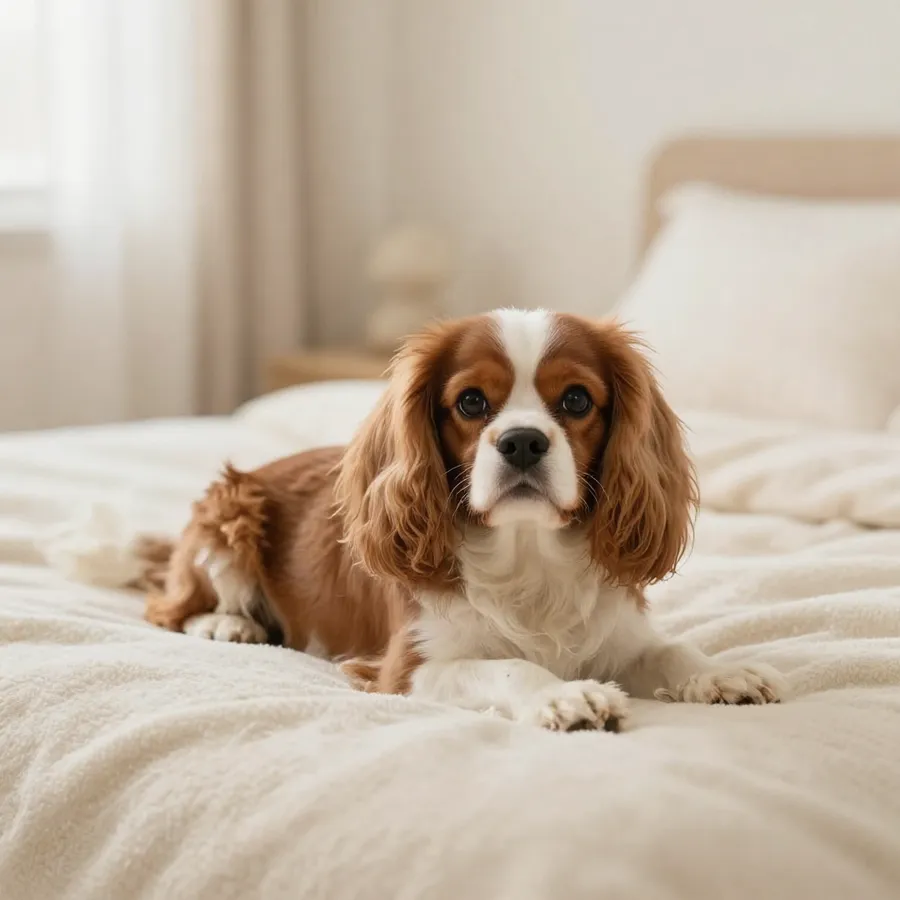
Cavalier King Charles Spaniel Grooming Guide
A practical UK grooming guide to the Cavalier King Charles Spaniel's silky, feathered coat: how often to brush, why their ears need such careful attention, what to trim and what to leave natural, plus nails, teeth and starting young.