

How Much Exercise Does a Golden Retriever Need?
Goldens are working gundogs at heart, so they need a proper amount of daily exercise — but the real skill is knowing how much, and how to protect those growing joints while they're young. Here's a practical, life-stage guide.

The quick answer
The PDSA recommends a minimum of two hours of good exercise per day for a healthy adult Golden Retriever, spread throughout the day rather than done all at once. That usually means a couple of decent walks plus play and a bit of training, since they're an active gundog breed.
Golden Retrievers are gundogs. The Kennel Club lists them in the Gundog group, and that heritage matters: they were bred to spend long days in the field retrieving, so a quick stroll around the block won't cut it. Get their exercise right and you'll have a calm, contented dog at home. Get it wrong — too little or, in puppyhood, too much — and you'll see it in their behaviour and, sometimes, their joints.
How much exercise does an adult Golden Retriever need?
For a healthy adult, the PDSA recommends a minimum of two hours of good exercise per day, spread across the day rather than crammed into one big outing. That's a genuinely active dog, so think two or three decent walks plus some play and training, not a single march and done. Splitting it up also suits their temperament — Goldens love being involved, and little-and-often keeps them engaged without overdoing any single session.
What kind of exercise do Goldens love?
Because they were bred for retrieving, the PDSA notes that nearly all Golden Retrievers love a good game of fetch — and it's a brilliant way to burn energy in a short space. Most are also keen swimmers, which is gentle on the joints and ideal in warmer weather or for dogs carrying a little stiffness. Beyond the basics, they take well to gundog-style retrieve games, scentwork, and dog sports like agility or rally. Mixing it up keeps things interesting for a clever, biddable breed.
Don't forget mental stimulation
Goldens can get bored easily, and a bored Golden tends to invent its own entertainment — chewing, pestering, or general restlessness. Mental work tires them out as effectively as a walk, sometimes more so. Short training sessions, food puzzles, snuffle mats, hiding toys for them to find, and asking them to use that retrieving brain all count. Build a bit of "thinking" into every day.
Puppy exercise: protecting growing joints
This is where many new owners go wrong with kindness. You'll often hear the "five minutes per month of age" rule — roughly five minutes of formal walking per month of age, once or twice a day, so a four-month-old gets about 20 minutes. It's a handy ceiling, but be honest about its limits: the PDSA is clear there's no scientific evidence behind this rule, and that it isn't appropriate for every puppy. Treat it as a rough guide, not gospel.
The reason for caution is real. A puppy's joints and growth plates are still developing, and the PDSA warns they're at risk of damage if a young dog does too much — potentially causing permanent problems such as arthritis and hip dysplasia later in life. Large breeds like Goldens also mature slowly; the Blue Cross suggests holding off on long walks until a big dog is around 12 to 15 months old, and to ask your vet for guidance specific to your pup. In practice, that means plenty of free play and pottering in the garden, gentle exploration, and steering clear of repetitive high-impact stuff — long runs, jumping in and out of cars, stairs, and chasing thrown balls at full pelt — until they're properly grown.
Adolescence: the energy explosion
Somewhere from around six months, you'll likely hit the "teenage" phase — loads of energy, selective hearing, and a knack for finding trouble. Resist the urge to simply exercise it out of them with marathon walks while their joints are still finishing up. Lean on mental stimulation and structured games, keep building good walking manners, and increase physical exercise gradually as they mature towards adulthood.
Senior Goldens: adjusting as they age
Older Goldens still need and enjoy activity, just gentler and adapted to how they're moving. Shorter, more frequent walks, swimming, and easy sniffy ambles keep weight off and joints mobile without overdoing it. If you notice stiffness, slowing down, or reluctance on walks, have a chat with your vet — it can be a sign of arthritis that's very manageable when caught early.
Signs you've got the balance wrong
Too little exercise tends to show up as behaviour: restlessness, weight gain, chewing, barking, and general frustration. Too much — especially in a puppy or an older dog — looks like limping, stiffness, lagging behind, lying down on walks, or being sore the next day. Either way, adjust and, if you're unsure, ask your vet.
Weight management
Goldens are food-motivated and, as the PDSA flags, prone to putting on weight, so keeping them in shape is extra important. Excess weight piles strain onto those joints they're already predisposed to trouble with. Pair their daily exercise with sensible portions, count treats as part of the day's food (handy for training!), and keep an eye on their waistline. A lean Golden is a comfortable, longer-lived Golden.
This guide is general information and lived-experience, not veterinary advice. For anything specific to your own dog, please speak to your vet.
Sources
- PDSA — Golden Retriever care guide: https://www.pdsa.org.uk/pet-help-and-advice/looking-after-your-pet/puppies-dogs/large-dogs/golden-retriever
- PDSA — Exercising your puppy: https://www.pdsa.org.uk/pet-help-and-advice/looking-after-your-pet/puppies-dogs/exercising-your-puppy
- Blue Cross — exercising puppies and large breeds (via Burgess Pet Care): https://www.burgesspetcare.com/blog/dogs/your-puppys-first-walks-and-exercise-guide-essential-things-to-know-and-do/
- The Kennel Club — Retriever (Golden) breed information: https://www.royalkennelclub.com/search/breeds-a-to-z/breeds/gundog/retriever-golden/
Common questions
How much exercise does an adult Golden Retriever need each day?
The PDSA recommends a minimum of two hours of good exercise per day for a healthy adult Golden Retriever, spread throughout the day rather than done all at once. That usually means a couple of decent walks plus play and a bit of training, since they're an active gundog breed.
Is the '5 minutes per month of age' rule reliable for Golden Retriever puppies?
Treat it as a rough ceiling, not a hard fact. The PDSA points out there's no scientific evidence behind the rule and it isn't right for every puppy. It's useful for avoiding over-exercise, but you should judge your individual pup and ask your vet, especially as Goldens are a slow-maturing large breed.
Why is too much exercise bad for a Golden Retriever puppy?
A puppy's joints and growth plates are still developing. The PDSA warns they can be permanently damaged by too much exercise, potentially leading to conditions like arthritis and hip dysplasia. Avoid repetitive high-impact activity — long runs, jumping, stairs, hard ball-chasing — until they're properly grown.
When can my Golden Retriever start going on long walks?
Large breeds mature slowly. The Blue Cross suggests holding off on long walks for big dogs until around 12 to 15 months of age, and to ask your vet for guidance specific to your dog. Until then, favour free play, gentle pottering and mental stimulation over distance.
What kinds of exercise do Golden Retrievers enjoy most?
Being bred to retrieve, nearly all Goldens love a game of fetch, and most are keen swimmers too — swimming is also gentle on the joints. They enjoy scent games, retrieve work and dog sports like agility. Because they can get bored easily, mix in mental stimulation alongside physical exercise.
About the author
Matt Garnett — founder, Giddy Pets
Matt started Giddy Pets to make getting pets the good stuff simpler and fairer. Everything in these guides comes from real life with pets and a lot of trial and error — it's practical guidance, not veterinary advice. If a guide gets something wrong, tell him directly.
Advice & planning
Free tools & more guides
Practical calculators and trusted guides relevant to this product.
Read next
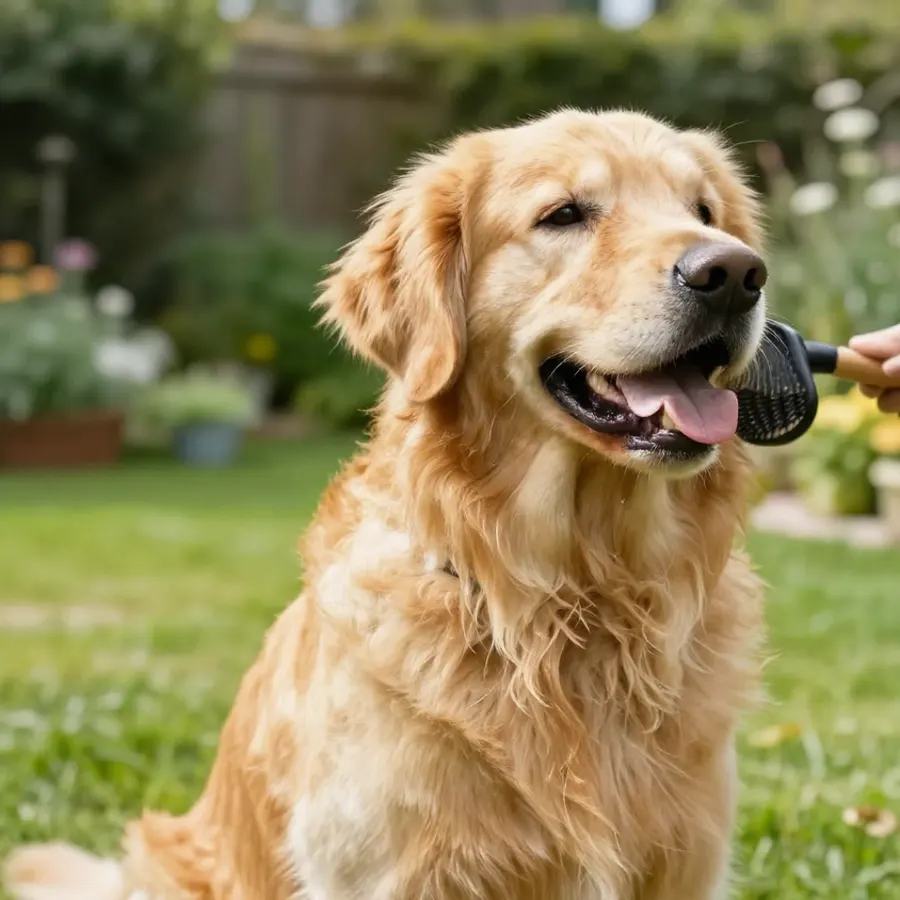
Golden Retriever Shedding & Grooming: Managing the Coat
How much Golden Retrievers shed, how often to brush and bathe, why you should never shave the double coat, and the grooming kit that helps.

How Long Do Golden Retrievers Live? Lifespan & Health
How long Golden Retrievers typically live, the health conditions the breed is prone to, and how to help yours reach a long, comfortable old age.
Are Golden Retrievers Good Family Dogs?
Golden Retrievers earn their reputation as one of Britain's favourite family dogs — gentle, patient and endlessly friendly. But they're big, energetic gundogs that shed, need two hours of exercise a day and hate being left alone. Here's the honest picture of whether one suits your family.
Golden Retriever Health Problems: What to Watch For
Goldens are wonderfully healthy-natured dogs, but the breed does carry a few well-known risks worth understanding before you bring one home. Here's a calm, practical guide to hip and elbow dysplasia, cancer, eye and heart conditions, allergies and weight — plus the UK health tests to look for in a g