
How Much Does a Munchkin Cat Cost? (and the ethics)
What a Munchkin cat costs to buy and keep in the UK — and an honest look at the ethics of buying a breed defined by a dwarfism gene that the GCCF does not recognise.
The quick answer
Prices vary widely, from a few hundred pounds up to well over a thousand for kittens marketed as having particular looks or 'rare' colours. Because the breed is not recognised by the GCCF there is no standard pedigree pricing, and advertised prices can reflect hype as much as quality.
Munchkin cats are heavily marketed on social media, and demand has pushed prices up. But before you focus on the figure, this guide tackles the harder question alongside it: not just how much a Munchkin costs, but whether buying one is the right thing to do, given the genuine welfare debate around the breed. Here is an honest look at both.
How much does a Munchkin cat cost in the UK?
Prices vary a great deal. In the UK you'll see Munchkin kittens advertised anywhere from a few hundred pounds up to well over a thousand pounds, with kittens marketed as having particular looks, patterns or 'rare' colours pushed to the higher end. Because the breed is not recognised by the GCCF, there is no standard pedigree pricing the way there is for established breeds, and advertised prices can reflect hype as much as quality.
A very low price can signal no health screening or poor early care, while a very high price is no guarantee of a healthy, responsibly bred cat. The figure on the advert tells you far less than the evidence of how the kitten was bred and reared.
The ethics — read this before you buy
This is where we have to be straight with you. The Munchkin's short legs come from a dominant chondrodysplasia (dwarfism) gene. The UK's GCCF does not recognise the breed, and several registries worldwide have declined to, on the grounds that deliberately breeding a skeletal deformity raises welfare concerns. The gene is also homozygous-lethal: kittens that inherit two copies do not survive to birth, so the breeding of short-legged cats inherently involves that loss.
Giddy Pets does not endorse breeding the Munchkin. We'd encourage anyone considering buying one to:
- Read our honest health problems guide so you understand lordosis, pectus excavatum and the joint questions involved.
- Recognise that buying creates demand — every purchase is a small vote for continuing to breed the trait.
- Consider adoption first. Rescues and rehoming centres are full of friendly, playful cats, sometimes including Munchkins and Munchkin-crosses, that need homes. A healthy moggy may give you everything you love about the breed's temperament without the skeletal questions.
None of this is a judgement on the cats, who are blameless and deserving of good homes. It is about making the buying decision with full information.
If you do buy: what a responsible breeder looks like
If, having weighed all that, you still choose to buy a Munchkin, insist on responsible breeding:
- The breeder never mates two short-legged Munchkins together (because of the lethal gene) — a short-legged cat is always paired with a normal-legged cat.
- Kittens are reared in the home, well socialised, and you can meet the mother.
- The breeder provides vaccination, microchipping and worming records and is happy to discuss health and answer questions.
- They screen for and are open about health issues, and don't breed from cats showing signs of lordosis, pectus excavatum or joint problems.
Avoid sellers who won't let you visit, pressure you for quick deposits, or advertise suspiciously cheap or hype-priced 'rare' kittens. Be especially cautious of anyone shipping kittens long distances sight-unseen, refusing to show the kitten with its mother, or unable to explain how they avoid the lethal double-gene pairing — these are common signs of an irresponsible or scam seller cashing in on the breed's social-media popularity.
The bigger cost: keeping a Munchkin
The purchase price is only the start. Across a 12–15 year life, running costs dwarf it:
- Food — a complete, good-quality diet, fed in measured portions (our cat portion control guide helps).
- Insurance — especially worthwhile for a breed with skeletal questions; estimate cover with our pet insurance estimator and read the pet insurance guide.
- Veterinary care — vaccinations, parasite control, dental care, neutering, microchipping (a legal requirement for cats in England) and any treatment.
- Kit — accessible litter trays, beds, floor-level cat toys and low scratchers.
- Boarding or cat-sitting when you're away.
Budget a realistic monthly figure for food, insurance and sundries, with a buffer for vet costs.
The honest bottom line
A Munchkin can cost anywhere from a few hundred to well over a thousand pounds to buy, plus substantial lifetime costs. But the more important question is the ethical one: this is a breed defined by a dwarfism gene that the GCCF won't recognise and that is lethal in its homozygous form. Weigh that honestly, consider adoption, and if you do buy, insist on responsible breeding. For the full health picture, see our Munchkin cat health problems guide.
*This is general guidance. Costs vary by region and seller, and insurance terms differ between providers.*
Sources
- Governing Council of the Cat Fancy (GCCF) — breed recognition, breeding policy and finding kittens (gccfcats.org).
- International Cat Care — responsible breeding and inherited disorders (icatcare.org).
- Blue Cross — buying a kitten and avoiding scams (bluecross.org.uk).
- PDSA — cost of owning a cat and microchipping law (pdsa.org.uk).
Common questions
How much does a Munchkin cat cost in the UK?
Prices vary widely, from a few hundred pounds up to well over a thousand for kittens marketed as having particular looks or 'rare' colours. Because the breed is not recognised by the GCCF there is no standard pedigree pricing, and advertised prices can reflect hype as much as quality. The bigger cost is the 12–15 year commitment to food, insurance, vet care and kit.
Is it ethical to buy a Munchkin cat?
This is genuinely debated. The breed is defined by a dominant chondrodysplasia (dwarfism) gene, the UK's GCCF does not recognise it on welfare grounds, and the gene is lethal when inherited in two copies. Buying creates demand for continuing to breed the trait. We'd encourage anyone considering one to understand the health issues, consider adoption first, and if buying, insist on responsible breeding.
How do I find a responsible Munchkin breeder?
A responsible breeder never mates two short-legged Munchkins together because of the lethal gene, always pairing a short-legged cat with a normal-legged one. They rear kittens in the home, let you meet the mother, provide vaccination, microchipping and worming records, are open about health, and don't breed from cats showing lordosis, pectus excavatum or joint problems. Avoid sellers who won't let you visit or push quick deposits.
About the author
Matt Garnett — founder, Giddy Pets
Matt started Giddy Pets to make getting pets the good stuff simpler and fairer. Everything in these guides comes from real life with pets and a lot of trial and error — it's practical guidance, not veterinary advice. If a guide gets something wrong, tell him directly.
Free tools & more guides
Read next
Are Munchkin Cats Good Pets? The Honest Picture
Munchkin cats are friendly and playful, but the breed is genuinely controversial. The honest picture: temperament, the welfare and recognition debate, and the homes they suit.
Munchkin Cat Health Problems: An Honest Guide
An honest, factual guide to Munchkin cat health: chondrodysplasia, lordosis, pectus excavatum, the homozygous-lethal gene, GCCF non-recognition, and where the evidence is still debated.
How Long Do Munchkin Cats Live? Lifespan & Health
How long Munchkin cats live, the inherited conditions tied to their chondrodysplasia, and the practical things that help yours stay well — with an honest note on limited data.
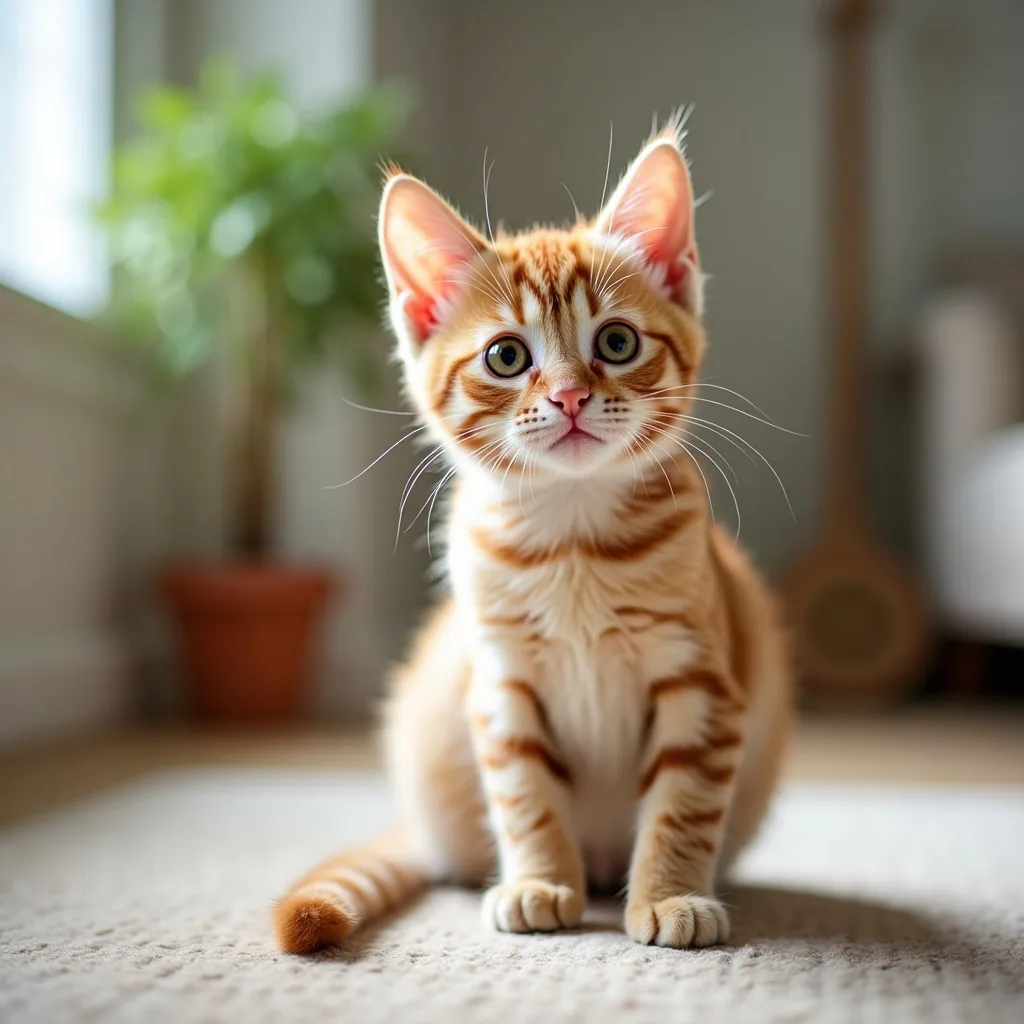
Munchkin Cat Personality & Behaviour
What Munchkin cats are really like day to day — their friendly, playful, confident temperament, how they move and play, and what they need to be content.