
How Long Do Shar Pei Live? Lifespan & Health
Shar Pei live around 9–11 years. The fever, skin-fold, entropion and ear issues this wrinkled breed is prone to, and why moderate, health-tested lines matter.
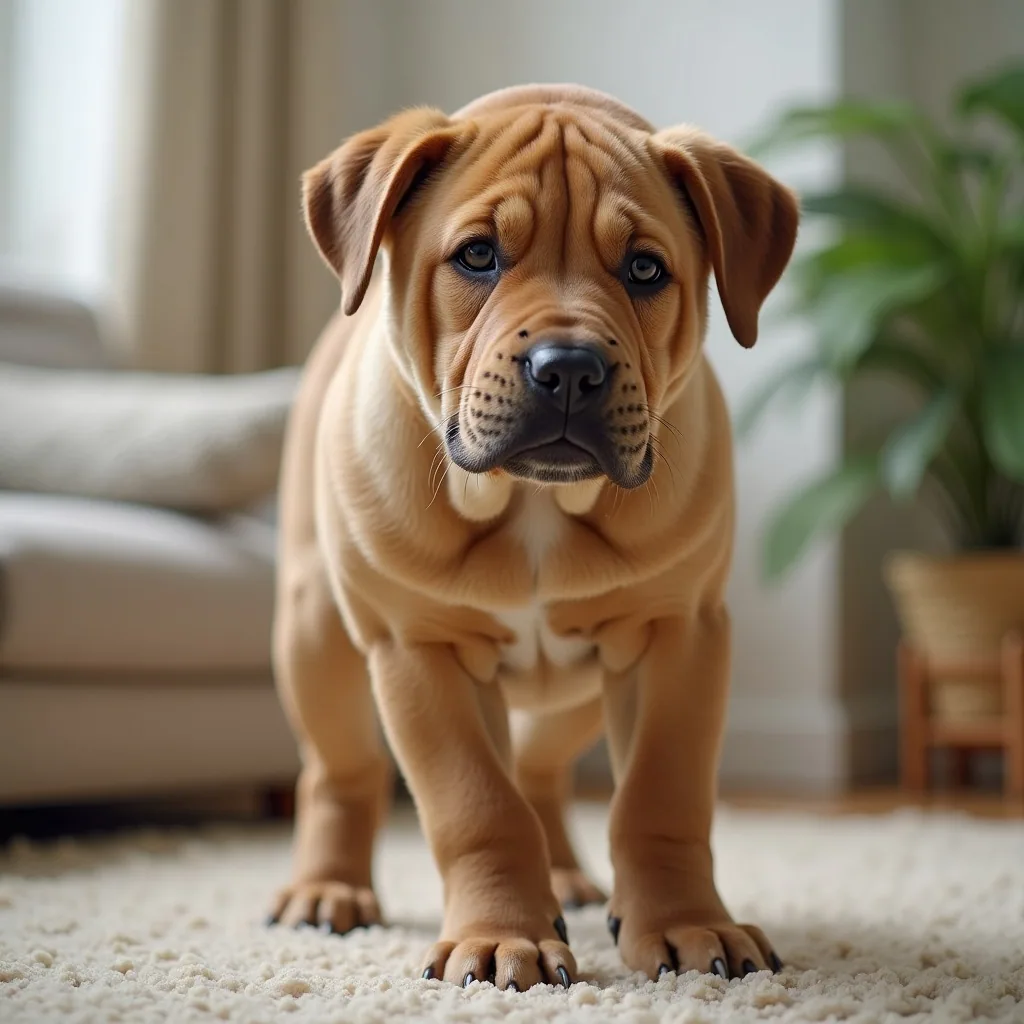
The quick answer
Shar Pei typically live to around 9–11 years. It's a medium-sized breed with some significant health predispositions, so buying from health-focused, moderate-type parents, keeping your dog lean, managing the skin, eyes and ears carefully, and seeking prompt vet attention for the breed's known issues all help yours reach the upper end of that range.
The Chinese Shar Pei is an instantly recognisable breed — calm, loyal and dignified, with its deep wrinkles and distinctive 'hippopotamus' muzzle. Behind that famous appearance are some serious, breed-specific health predispositions that every prospective owner should understand before falling for the wrinkles. Here's how long Shar Pei live, what to watch for, and how to give yours the best chance of a long, comfortable life.
How long do Shar Pei live?
Shar Pei typically live to around 9–11 years. It's a medium-sized breed, but its lifespan is influenced heavily by the breed's known health issues — particularly its autoinflammatory disease and the kidney damage that can follow. Careful breeding, a moderate body type, weight management and prompt attention to skin, eye and ear problems all make a genuine difference to both length and quality of life. This is very much a breed where the choices you make before and after bringing a dog home shape how long and how comfortably it lives.
Shar Pei fever and amyloidosis
The most important condition to understand is Shar Pei autoinflammatory disease, which includes familial Shar Pei fever. Affected dogs have recurrent episodes of high temperature and swelling — often of the hock joints — caused by the same genetic trait that produces the breed's wrinkles. The serious concern is that repeated inflammation can lead to amyloidosis, where abnormal protein deposits build up and damage the kidneys, sometimes shortening life. There's no cure, but veterinary diagnosis and ongoing management help. Any unexplained fever, swelling or signs of kidney trouble (increased drinking, weight loss, vomiting) should be checked promptly.
Skin folds and entropion
The Shar Pei's wrinkles are not just cosmetic — they're a health issue. Deep folds trap moisture and debris, leading to skin-fold dermatitis (sore, infected skin) that needs regular cleaning and drying to prevent. The skin around the eyes also tends to roll the eyelids inward, a painful condition called entropion that's very common in this breed and often needs corrective surgery. Untreated, it causes the lashes to rub the eye, risking ulcers and vision damage. Both problems are far more severe in heavily wrinkled, 'meatmouth'-type dogs.
Ears, allergies and breathing
Shar Pei have unusually narrow ear canals, which trap wax and moisture and make ear infections common — careful, regular ear care matters throughout life. The breed is also prone to allergies and atopy (itchy, inflamed skin), and some individuals have breathing difficulties and reduced heat tolerance, so care is needed in warm weather and during exercise.
Choosing a healthier Shar Pei
This is the single most important decision you'll make. The extreme wrinkling and heavy 'meatmouth' appearance fashionable in some lines are directly linked to chronic eye, skin and breathing problems. A welfare-conscious choice is a moderately wrinkled dog from a health-focused breeder who screens for and openly discusses the breed's issues. Less wrinkling means fewer folds to infect, less skin pulling on the eyes, and a better-built, more comfortable dog. Avoid breeders selling exaggerated wrinkles as a desirable feature.
What Shar Pei are like to live with
Shar Pei are calm, independent and devoted to their family, but typically reserved and aloof with strangers, with a strong guarding instinct. They can be intolerant of other dogs, so early, thorough socialisation is essential. They suit committed owners who'll take the breed's health needs seriously and provide consistent, patient handling.
Helping your Shar Pei live well
- Choose moderate — a less wrinkled, health-focused dog avoids much suffering.
- Daily fold and ear care — clean and dry folds and ears to prevent infection.
- Watch the eyes — any squinting, discharge or rubbing needs a vet, as entropion is common.
- Take fever and swelling seriously — these can signal Shar Pei fever.
- Keep them lean and book regular check-ups, moving to twice-yearly as they age.
When to see your vet
Book a check for any unexplained fever or joint swelling, eye discomfort or discharge, smelly or sore ears, persistent itching or skin infection, or signs of kidney trouble such as increased drinking. Shar Pei are stoical dogs, so taking subtle changes seriously is especially worthwhile in a breed with these predispositions.
*This is general guidance, not a substitute for advice from your vet, who can assess your individual dog.*
Sources
- RVC VetCompass — UK dog health and longevity research (rvc.ac.uk/vetcompass).
- UK Kennel Club & BVA — breed health and screening schemes (thekennelclub.org.uk).
- PDSA — dog health and breed care (pdsa.org.uk).
- Blue Cross — dog health (bluecross.org.uk).
Common questions
How long do Shar Pei live?
Shar Pei typically live to around 9–11 years. It's a medium-sized breed with some significant health predispositions, so buying from health-focused, moderate-type parents, keeping your dog lean, managing the skin, eyes and ears carefully, and seeking prompt vet attention for the breed's known issues all help yours reach the upper end of that range.
What is Shar Pei fever?
Familial Shar Pei fever (part of Shar Pei autoinflammatory disease) causes recurrent episodes of high temperature and swelling, often of the hocks. Over time the inflammation can lead to amyloidosis — protein deposits that damage the kidneys and can shorten life. It needs veterinary diagnosis and ongoing management, so any unexplained fever or swelling in a Shar Pei should be checked promptly.
Why do Shar Pei have so many wrinkles?
The wrinkles come from extra hyaluronic acid in the skin, a trait that also underlies familial Shar Pei fever. Sadly, extreme wrinkling is linked to chronic problems — folds trap moisture and cause infection, and skin around the eyes can roll the lids inward (entropion). The healthiest dogs come from moderate, less heavily wrinkled, health-tested lines.
About the author
Matt Garnett — founder, Giddy Pets
Matt started Giddy Pets to make getting pets the good stuff simpler and fairer. Everything in these guides comes from real life with pets and a lot of trial and error — it's practical guidance, not veterinary advice. If a guide gets something wrong, tell him directly.
Free tools & more guides
Read next
Are Shar Pei Good Family Dogs? Temperament & Fit
Shar Pei are loyal, calm and devoted but aloof with strangers and wary of other dogs. Whether the breed suits family life, and the socialisation it needs.
Shar Pei Skin, Wrinkle & Ear Care Guide
How to care for a Shar Pei's skin folds, narrow ears and sensitive eyes — preventing fold dermatitis, infections and spotting entropion early, the UK vet way.
Cost of Keeping a Shar Pei in the UK
What a Shar Pei really costs to keep in the UK — food, insurance and routine care, plus the breed-specific skin, eye and surgery costs to budget for honestly.

How Long Do Lhasa Apsos Live? Lifespan & Health
Lhasa Apsos live around 12–15 years. The eye, kidney, knee and skin conditions this hardy little Tibetan breed is prone to, and how to help yours stay well.