
How Long Do Burmese Cats Live? Lifespan & Health
How long Burmese cats live, the inherited conditions the breed can carry, and the practical things that help yours reach a healthy old age.

The quick answer
Burmese are a relatively long-lived breed, commonly reaching around 16–18 years and sometimes their late teens or beyond with good care. Genetics set the range, but keeping your cat lean, feeding well, staying on top of dental and routine vet care, and choosing a kitten from a breeder who health-tests all help yours land at the longer end.
The Burmese is one of the most affectionate and long-lived of the pedigree cats — a sleek, muscular, intensely sociable breed that often shares its owners' lives well into the late teens. If you are thinking of welcoming one, or already share your home with a Burmese, one of the first questions is usually how long they live and what to watch for along the way. Here is an honest look at Burmese lifespan, the conditions the breed can be prone to, and the practical things that help yours stay well.
How long do Burmese cats live?
Burmese are generally considered a long-lived breed, commonly reaching around 16–18 years, and a good number live into their late teens or beyond with attentive care. That is towards the longer end for a pedigree cat. As always, genetics set the outer limits while everyday care — weight, diet, dental health and routine veterinary attention — strongly influences where an individual cat lands. A well-bred, well-cared-for Burmese is very much a long-term member of the family, so it pays to plan for a long commitment.
Hypokalaemia: a key inherited condition
One condition particularly associated with the breed is hypokalaemia — low blood potassium — also known as familial episodic hypokalaemic polymyopathy. It causes episodes of muscle weakness, which can show as a wobbly gait, a lowered head and neck, or reluctance to move. Reassuringly, a DNA test is available, and responsible breeders use it to avoid producing affected kittens. If you are buying a Burmese kitten, ask the breeder whether the parents have been tested. Affected cats can often be managed with veterinary care and potassium supplementation, but prevention through testing is far better.
Diabetes mellitus
The Burmese has a recognised predisposition to diabetes mellitus, especially compared with the general cat population, and the risk rises sharply if a cat is overweight. Watch for increased thirst, increased urination, weight loss despite a good appetite, or lethargy, and have these checked promptly. The single most powerful thing you can do to reduce the risk is to keep your cat at a healthy weight through measured feeding and plenty of activity. Our cat portion control and obesity guide and the pet calorie calculator help you feed the right amount.
Conditions seen in breeding lines
Some inherited problems are tied to breeding rather than something most pet owners will encounter, but they are worth knowing about when choosing a kitten. The Burmese head defect is a serious craniofacial malformation seen in some lines, which is why ethical breeding and avoiding affected lines matter. Flat-chested kitten syndrome, in which the ribcage is abnormally flattened, is also reported in the breed; mild cases can improve as the kitten grows, while severe cases are more serious. A reputable breeder rearing kittens carefully and breeding responsibly is your best protection against these.
Dental disease
As in all cats, dental disease is common and can affect quality of life and overall health. Brushing the teeth with cat toothpaste if your cat will tolerate it, providing appropriate dental care, and keeping up regular veterinary dental checks all help. Browse our dental care range for suitable products.
It is worth keeping these conditions in perspective. The fact that a breed *can* carry a condition does not mean every cat will be affected — responsible testing and breeding exist precisely so the risks can be reduced rather than left to chance. A kitten from tested parents, kept lean and well cared for, has every chance of a long and healthy life. Our dedicated health problems guide covers these conditions in more depth.
Weight: the everyday risk
Beyond the inherited conditions, the most common day-to-day health issue is simply carrying too much weight — which for the Burmese is doubly important given the diabetes link. Excess weight strains the joints and heart and raises the risk of diabetes and other problems. Use body-condition scoring and your vet's advice rather than the scales alone, since this is a muscular, dense breed.
Helping your Burmese live a long, healthy life
- Keep them lean — measure meals and avoid grazing on a full bowl all day.
- Choose a tested kitten — buy from a breeder who DNA-tests for hypokalaemia and breeds away from the head defect (see our cost and buying guide).
- Stay on top of dental care, vaccinations and parasite control.
- See your vet regularly, moving towards twice-yearly checks as your cat ages.
- Insure early — a breed with inherited risks makes lifelong cover genuinely valuable.
- Provide company and enrichment — climbing, scratching and play keep body and mind healthy, which suits this active, sociable breed.
You can get a rough sense of lifespan with our pet life expectancy tool, and find local and emergency clinics through our vet finder.
*This is general guidance, not a substitute for advice from your vet, who can assess your individual cat.*
Sources
Common questions
How long do Burmese cats live?
Burmese are a relatively long-lived breed, commonly reaching around 16–18 years and sometimes their late teens or beyond with good care. Genetics set the range, but keeping your cat lean, feeding well, staying on top of dental and routine vet care, and choosing a kitten from a breeder who health-tests all help yours land at the longer end. The breed does carry a few specific inherited conditions, so prevention, early checks and a tested kitten matter.
What health problems are Burmese cats prone to?
The breed can carry hypokalaemia (low blood potassium causing muscle weakness, also called familial episodic hypokalaemic polymyopathy), which has a DNA test that responsible breeders use. Burmese also have a recognised predisposition to diabetes mellitus, particularly if overweight. Some breeding lines carry the Burmese head defect, a serious craniofacial malformation, and flat-chested kitten syndrome is also seen. Dental disease is common, as in all cats. Buying from a breeder who tests and keeping your cat lean reduce the risks considerably.
Are Burmese cats prone to diabetes?
Yes — the Burmese has a recognised predisposition to diabetes mellitus compared with the general cat population, and the risk rises significantly if a cat becomes overweight. Watch for increased thirst, increased urination, weight loss despite a good appetite, and lethargy, and have any of these checked by your vet promptly. The most effective way to reduce the risk is to keep your cat at a healthy weight through measured feeding and regular activity, with routine vet checks as your cat ages.
About the author
Matt Garnett — founder, Giddy Pets
Matt started Giddy Pets to make getting pets the good stuff simpler and fairer. Everything in these guides comes from real life with pets and a lot of trial and error — it's practical guidance, not veterinary advice. If a guide gets something wrong, tell him directly.
Free tools & more guides
Read next
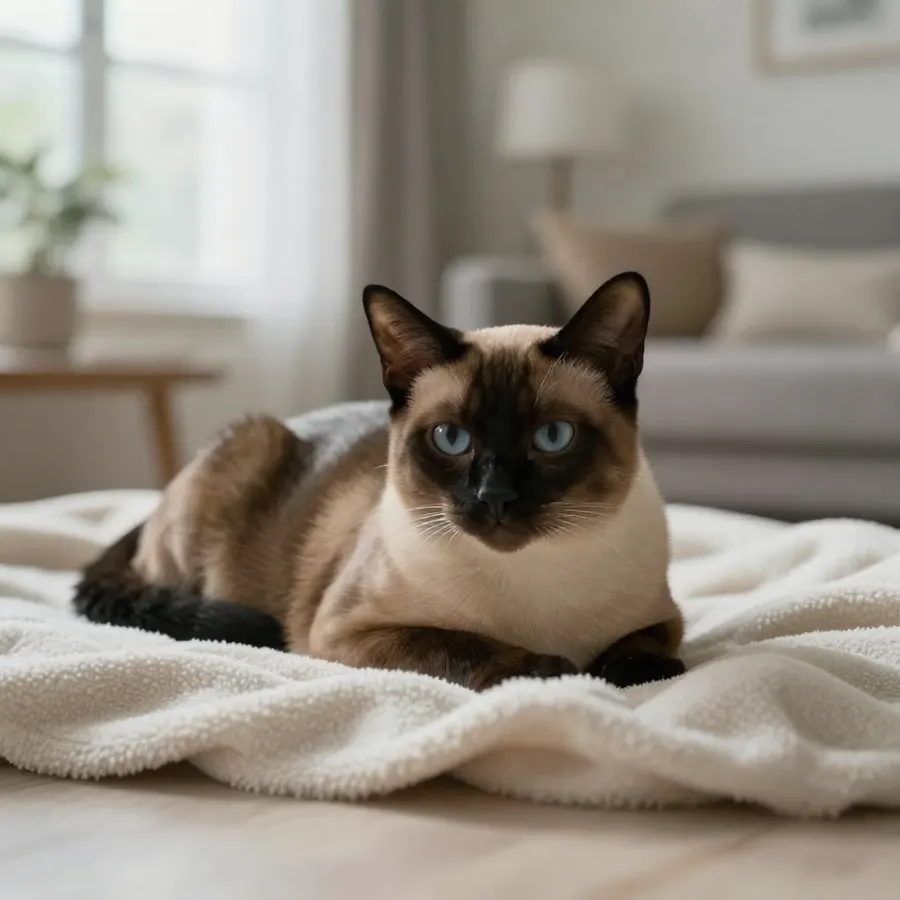
Burmese Cat Health Problems: An Honest Guide
An honest, factual guide to Burmese cat health problems — hypokalaemia, diabetes, the Burmese head defect, flat-chested kitten syndrome and dental disease.
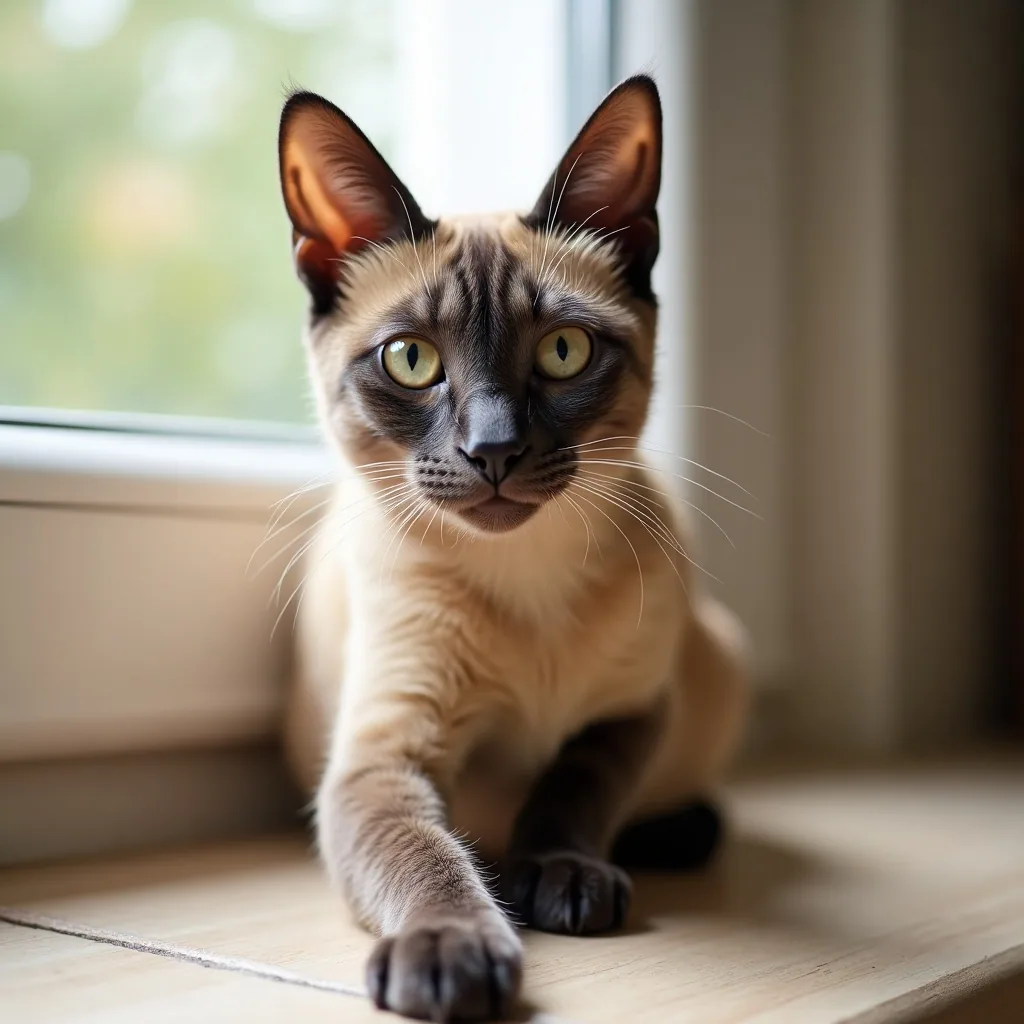
How Much Does a Burmese Cat Cost? Buying & Lifetime Costs
What a Burmese cat really costs — the purchase price of a health-tested kitten, the lifetime running costs, and why insurance matters for this breed.
Are Burmese Cats Good Pets? Temperament & Home Fit
What Burmese cats are really like to live with — their affectionate, people-oriented, dog-like temperament, their need for company, and the homes they suit best.
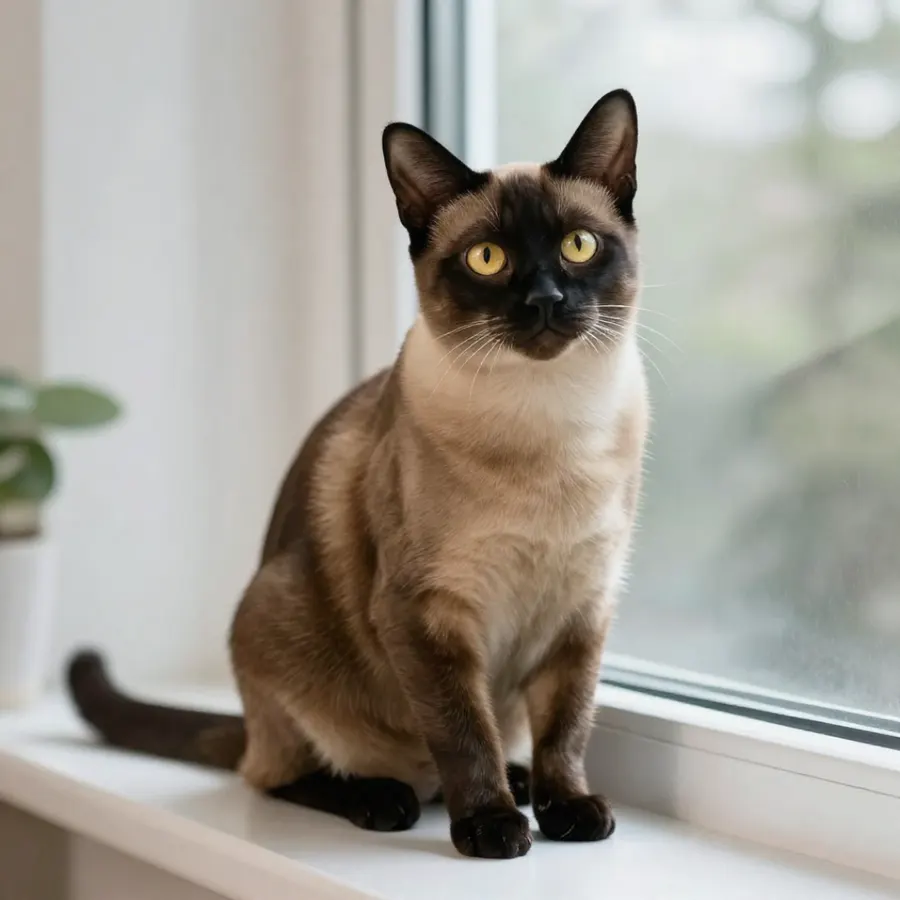
Burmese Cat Personality & Behaviour
A close look at the Burmese cat personality — affectionate, playful, intelligent and intensely social — plus the behaviour quirks and needs that come with it.