
How Long Do Belgian Malinois Live? Lifespan & Health
Belgian Malinois live around 12–14 years. A generally healthy working breed — the joint, eye and other conditions to know, and how to keep yours sound.
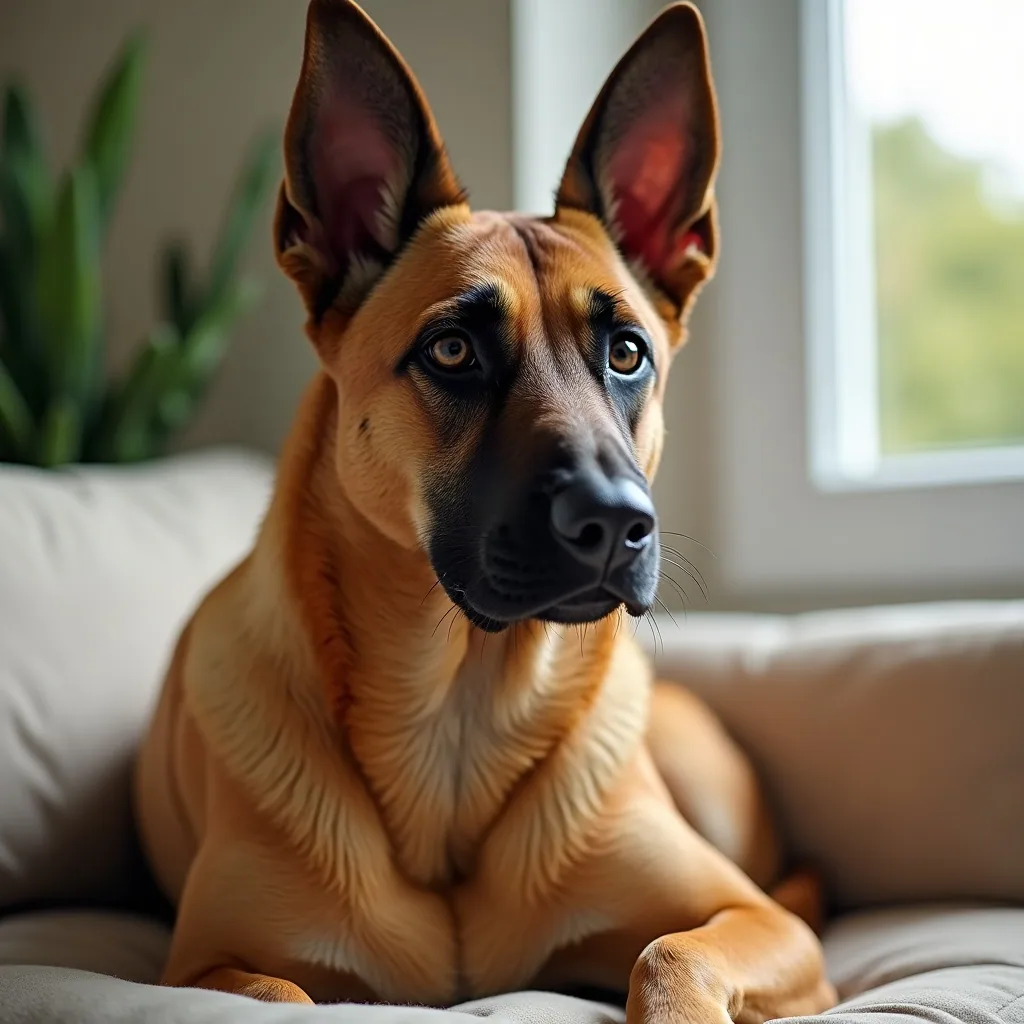
The quick answer
Belgian Malinois typically live to around 12–14 years, good going for an athletic medium-to-large breed and a sign of a fundamentally healthy working dog. Genetics set the range, but keeping your dog lean, protecting the joints, meeting its considerable exercise and mental needs, and staying on top of vet care all help yours reach the upper end.
The Belgian Malinois is a lean, athletic herding breed turned world-class working dog, used by police and military forces everywhere. It's also, helpfully, one of the healthier and longer-lived of the larger working breeds — provided its formidable exercise and mental needs are met. Here's how long Malinois live, the conditions to know about, and how to keep yours sound.
How long do Belgian Malinois live?
Belgian Malinois typically live to around 12–14 years, which is good for an athletic, medium-to-large breed and reflects a fundamentally sound, working-bred dog. Genetics set the broad range, but body weight, joint care, sensible exercise and routine vet attention all influence where an individual dog lands. A well-bred, well-managed Malinois is a long-term commitment in every sense.
A working dog's health starts with its needs
Before the specific conditions, the single biggest factor in a Malinois's wellbeing is whether its needs are met. This is an extremely high-drive breed that requires hours of physical exercise plus serious mental work every day. A Malinois that doesn't get this becomes stressed, frustrated and prone to obsessive and destructive behaviour — genuine welfare problems, not just nuisance ones. Meeting those needs isn't optional enrichment; it's the foundation of a healthy dog.
Inherited conditions worth knowing about
The Malinois is a relatively healthy breed, but responsible breeders screen for a few conditions:
- Hip and elbow dysplasia — joint malformations that can lead to arthritis; breeders score their dogs through the BVA/Kennel Club schemes.
- Eye conditions, including progressive retinal atrophy (PRA), cataracts and pannus (an immune-related condition of the cornea) — there are eye-screening and DNA tests.
- Epilepsy — idiopathic epilepsy is seen in some lines and is usually well managed with medication.
- Occasional anaesthetic sensitivity in lean, low-body-fat dogs — worth flagging to your vet.
When buying a puppy, ask to see the parents' hip, elbow and eye results and choose a breeder who prioritises health and stable temperament alongside working ability.
What Belgian Malinois are like to live with
The Malinois is intense, focused and intelligent — a dog that lives to work and needs a purpose. With their handler they're affectionate and intensely loyal, but that drive never switches off, which is exactly why they're so demanding as pets. They thrive on training, sport and problem-solving and struggle badly with boredom or being left alone. They suit experienced, very active owners who'll commit to daily structured exercise and mental work for the dog's whole life — not households wanting a relaxed companion.
Helping your Belgian Malinois live well
- Meet the exercise and mental needs — this is the breed's number-one health requirement; a fulfilled Malinois is a healthier, calmer one.
- Keep them lean and protect the joints — sensible, varied activity rather than only repetitive high-impact work, and age-appropriate exercise for growing puppies.
- Keep the mind working into old age — training, scent work and problem-solving matter lifelong.
- Stay on top of dental and preventive care, moving to twice-yearly vet checks as your dog ages.
- Watch for eye changes, stiffness or seizures and get them checked promptly.
When to see your vet
Book a check if you notice changes in the eyes or vision, new stiffness or reluctance to work, any seizure, or sudden changes in appetite, weight or behaviour. Malinois are stoical, driven dogs that work through discomfort, so a dog that's suddenly less keen to train or exercise is worth taking seriously rather than putting down to an off day.
*This is general guidance, not a substitute for advice from your vet, who can assess your individual dog.*
Sources
- RVC VetCompass — UK dog health and longevity research (rvc.ac.uk/vetcompass).
- UK Kennel Club & BVA — breed health and hip/elbow/eye screening schemes (thekennelclub.org.uk).
- PDSA — dog health and breed care (pdsa.org.uk).
- Blue Cross — dog health (bluecross.org.uk).
Common questions
How long do Belgian Malinois live?
Belgian Malinois typically live to around 12–14 years, good going for an athletic medium-to-large breed and a sign of a fundamentally healthy working dog. Genetics set the range, but keeping your dog lean, protecting the joints, meeting its considerable exercise and mental needs, and staying on top of vet care all help yours reach the upper end.
What health problems are Belgian Malinois prone to?
The Malinois is a relatively healthy breed, but inherited conditions to be aware of include hip and elbow dysplasia, eye conditions such as progressive retinal atrophy, cataracts and pannus, and idiopathic epilepsy in some lines. Their lean build can also mean some anaesthetic sensitivity. Buying from a breeder who hip-, elbow- and eye-tests the parents reduces the risk.
Are Belgian Malinois good family dogs?
Only in very specific homes. Malinois are loyal and can be affectionate with their family, but they're an extremely high-drive working breed that needs hours of exercise and mental work daily and an experienced, very active handler. They're generally not suited to ordinary family life or first-time owners — an under-stimulated Malinois becomes stressed and difficult, which is a common reason they end up in rescue.
About the author
Matt Garnett — founder, Giddy Pets
Matt started Giddy Pets to make getting pets the good stuff simpler and fairer. Everything in these guides comes from real life with pets and a lot of trial and error — it's practical guidance, not veterinary advice. If a guide gets something wrong, tell him directly.
Free tools & more guides
Read next

How Long Do Lhasa Apsos Live? Lifespan & Health
Lhasa Apsos live around 12–15 years. The eye, kidney, knee and skin conditions this hardy little Tibetan breed is prone to, and how to help yours stay well.

How Long Do Cairn Terriers Live? Lifespan & Health
Cairn Terriers live around 13–15 years. The eye, joint, hip and liver conditions this hardy little working terrier is prone to, and how to help yours stay well.

How Long Do Alaskan Malamutes Live? Lifespan & Health
Alaskan Malamutes live around 10–14 years. The joint, eye, thyroid and inherited conditions this Arctic sled breed is prone to, and how to keep yours well.

How Long Do Scottish Terriers Live? Lifespan & Health
Scottish Terriers live around 11–13 years. The bleeding, movement, joint and cancer conditions this bold breed is prone to, and how to help yours stay well.