
How Long Do Alaskan Malamutes Live? Lifespan & Health
Alaskan Malamutes live around 10–14 years. The joint, eye, thyroid and inherited conditions this Arctic sled breed is prone to, and how to keep yours well.
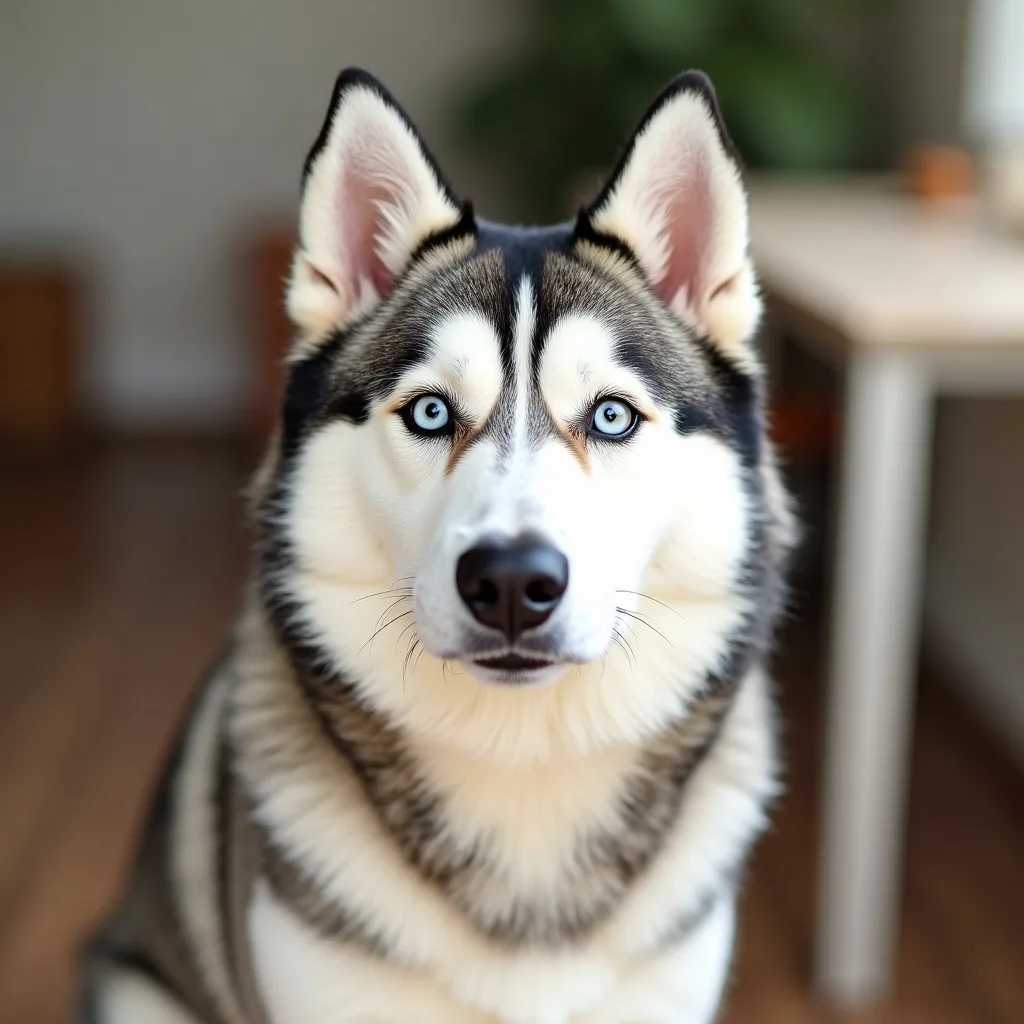
The quick answer
Alaskan Malamutes typically live to around 10–14 years. As a large breed their lifespan is naturally shorter than smaller dogs, but buying from health-tested parents, keeping your dog lean, managing the breed's known issues promptly, and staying on top of preventive vet care all help yours reach the upper end of that range.
The Alaskan Malamute is a large, powerful Arctic sled dog — one of the oldest sledge breeds, built to haul heavy loads over long distances in harsh conditions, with the strength, endurance and thick double coat to match. Behind that handsome, almost wolfish appearance are some specific health predispositions every Malamute owner should understand before taking one on. Here's how long Alaskan Malamutes live, what to watch for, and how to help yours stay healthy throughout a long life.
How long do Alaskan Malamutes live?
Alaskan Malamutes typically live to around 10–14 years. As a large breed their lifespan is naturally shorter than smaller dogs, but careful breeding, weight management, joint care and prompt attention to the breed's known issues all influence both length and quality of life. A well-bred, well-cared-for Malamute is a long-term commitment and a much-loved family member, so it's worth doing everything you can to give yours the best chance of a long, healthy innings.
Joints and bloat
Like most large breeds, Malamutes are prone to hip dysplasia, so buying from hip-scored parents matters, as does keeping your dog lean and providing a supportive bed and sensible exercise. As a deep-chested breed, the Malamute is also at risk of bloat (GDV) — a sudden, life-threatening emergency where the stomach fills with gas and can twist. Learn the signs (a swollen hard belly, unproductive retching, restlessness, distress) and treat it as a 999-for-dogs emergency. Measured meals, calm around mealtimes and avoiding hard exercise straight after eating all help reduce the risk.
Eye conditions
Malamutes are predisposed to several hereditary eye conditions. These include cataracts, progressive retinal atrophy (PRA) and — distinctively for this breed — inherited day blindness (cone degeneration), where affected dogs see poorly in bright light. Responsible breeders eye-test their dogs and use available DNA tests, and any cloudiness, redness or change in vision should be checked by your vet promptly.
Inherited and hormonal conditions
Two further conditions are well recognised in the breed and, helpfully, DNA-testable: inherited polyneuropathy (a nerve disorder that can cause weakness, wobbliness, an altered gait and exercise intolerance) and chondrodysplasia (a form of dwarfism affecting bone growth, producing abnormally short, bowed limbs). Good breeders screen for both, so always ask to see the relevant DNA test results for a puppy's parents. Hypothyroidism (an underactive thyroid) is also seen in Malamutes and can cause weight gain, lethargy, hair loss and coat changes — it's straightforward to diagnose with a blood test and manage with daily medication once identified.
Weight, diet and neutering
Keeping your Malamute at a healthy weight is one of the most powerful things you can do for their long-term health. Excess weight loads the joints, worsens any arthritis and shortens life. Feed a good-quality complete diet in measured portions, account for treats, and adjust amounts to your dog's body condition rather than the bag's generic guidance. Talk to your vet about the best time to neuter, as timing can affect a large breed's joint development, and weigh up the pros and cons for your individual dog.
What Alaskan Malamutes are like to live with
Malamutes are affectionate, people-loving and friendly, but they're also independent, strong-willed and famously hard work. They have a high prey drive, a love of digging, and a well-earned reputation as escape artists — secure, high fencing is essential. They're vocal too, prone to howling and 'talking' rather than barking. Combined with real strength and a stubborn streak, this makes them a poor choice for first-time owners. They suit active, experienced homes that can offer plenty of exercise, training and company.
Helping your Malamute live well
- Keep them lean — easier on the joints and better for overall health.
- Feed to avoid bloat — measured meals, calm at mealtimes, no hard exercise straight after eating.
- Stay alert to eye, coat, energy and movement changes — given the breed's eye, thyroid and neurological predispositions, early veterinary attention matters.
- Groom regularly — the thick double coat sheds heavily and needs frequent brushing, especially during the big seasonal moults.
- Protect from heat — this Arctic breed overheats easily in UK summers.
- See your vet regularly, moving to twice-yearly checks as your dog ages.
When to see your vet
Book a check if you notice a swollen belly or retching (an emergency), cloudiness or vision changes, unexplained weight gain or lethargy, weakness or wobbliness, coat or skin changes, or stiffness. Malamutes are tough, stoical dogs that can mask discomfort, so taking subtle changes seriously is especially worthwhile in a breed with several inherited predispositions.
*This is general guidance, not a substitute for advice from your vet, who can assess your individual dog.*
Sources
- RVC VetCompass — UK dog health and longevity research (rvc.ac.uk/vetcompass).
- UK Kennel Club & BVA — breed health and hip/eye screening schemes (thekennelclub.org.uk).
- PDSA — dog health and breed care (pdsa.org.uk).
- Blue Cross — dog health (bluecross.org.uk).
Common questions
How long do Alaskan Malamutes live?
Alaskan Malamutes typically live to around 10–14 years. As a large breed their lifespan is naturally shorter than smaller dogs, but buying from health-tested parents, keeping your dog lean, managing the breed's known issues promptly, and staying on top of preventive vet care all help yours reach the upper end of that range.
What health problems are Alaskan Malamutes prone to?
Malamutes are prone to hip dysplasia, hereditary eye conditions (cataracts, progressive retinal atrophy and inherited day blindness/cone degeneration), hypothyroidism, inherited polyneuropathy and chondrodysplasia (dwarfism — both DNA-testable). As a deep-chested breed they're also at risk of bloat (GDV). Buying from a health-testing breeder and seeking prompt vet advice for unexplained changes reduces the impact.
Can Alaskan Malamutes cope with hot weather?
Not well — Malamutes were bred for the Arctic and their thick double coat makes them prone to overheating in UK summers. Walk early morning or late evening on hot days, always provide shade and fresh water, never leave them in cars, and never shave the coat (it protects against heat as well as cold). Watch closely for signs of heatstroke.
About the author
Matt Garnett — founder, Giddy Pets
Matt started Giddy Pets to make getting pets the good stuff simpler and fairer. Everything in these guides comes from real life with pets and a lot of trial and error — it's practical guidance, not veterinary advice. If a guide gets something wrong, tell him directly.
Free tools & more guides
Read next

Are Alaskan Malamutes Good Family Dogs? Temperament & Training
Alaskan Malamutes are loyal but independent, strong-willed and high-prey-drive. Their temperament, training needs and why they're not for first-timers.
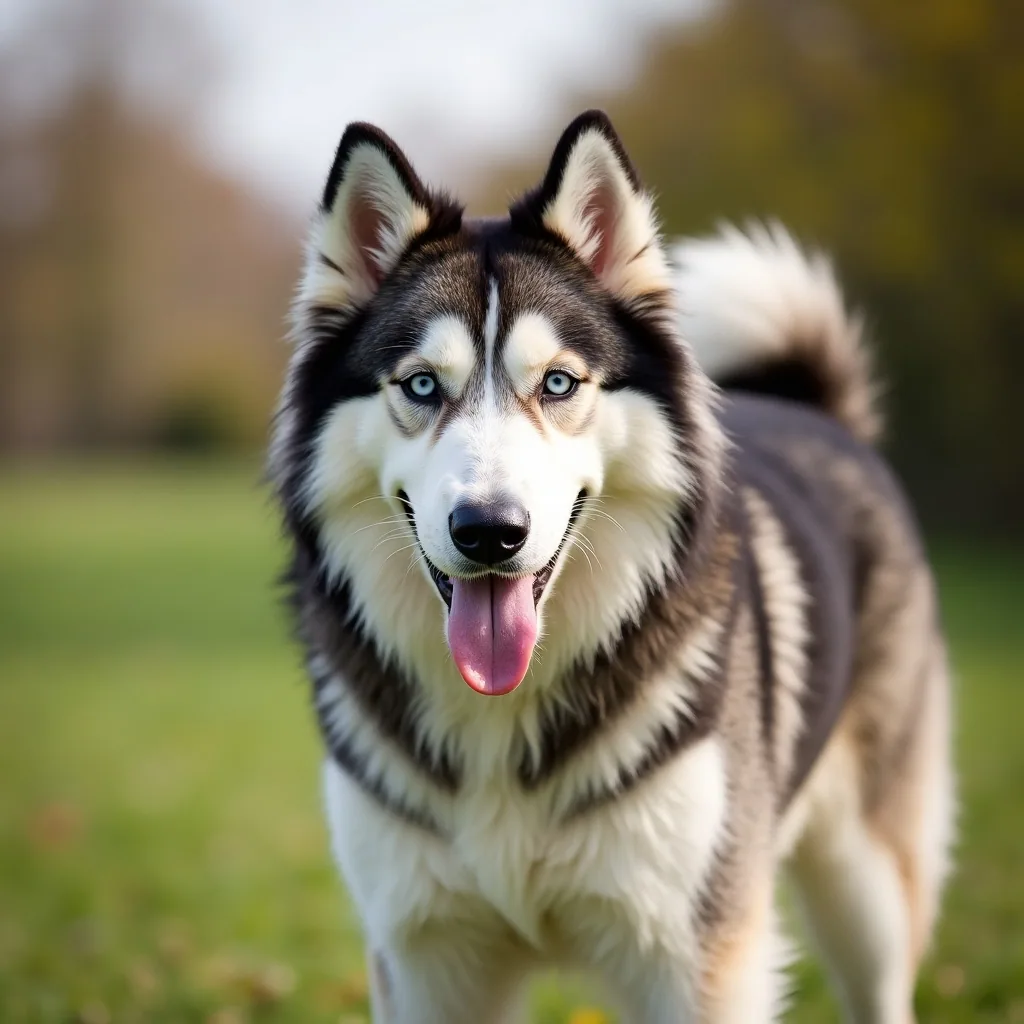
Alaskan Malamute Exercise & Grooming Needs
Alaskan Malamutes need lots of exercise and serious grooming for their thick double coat, plus careful heat care. A full guide to this Arctic breed.
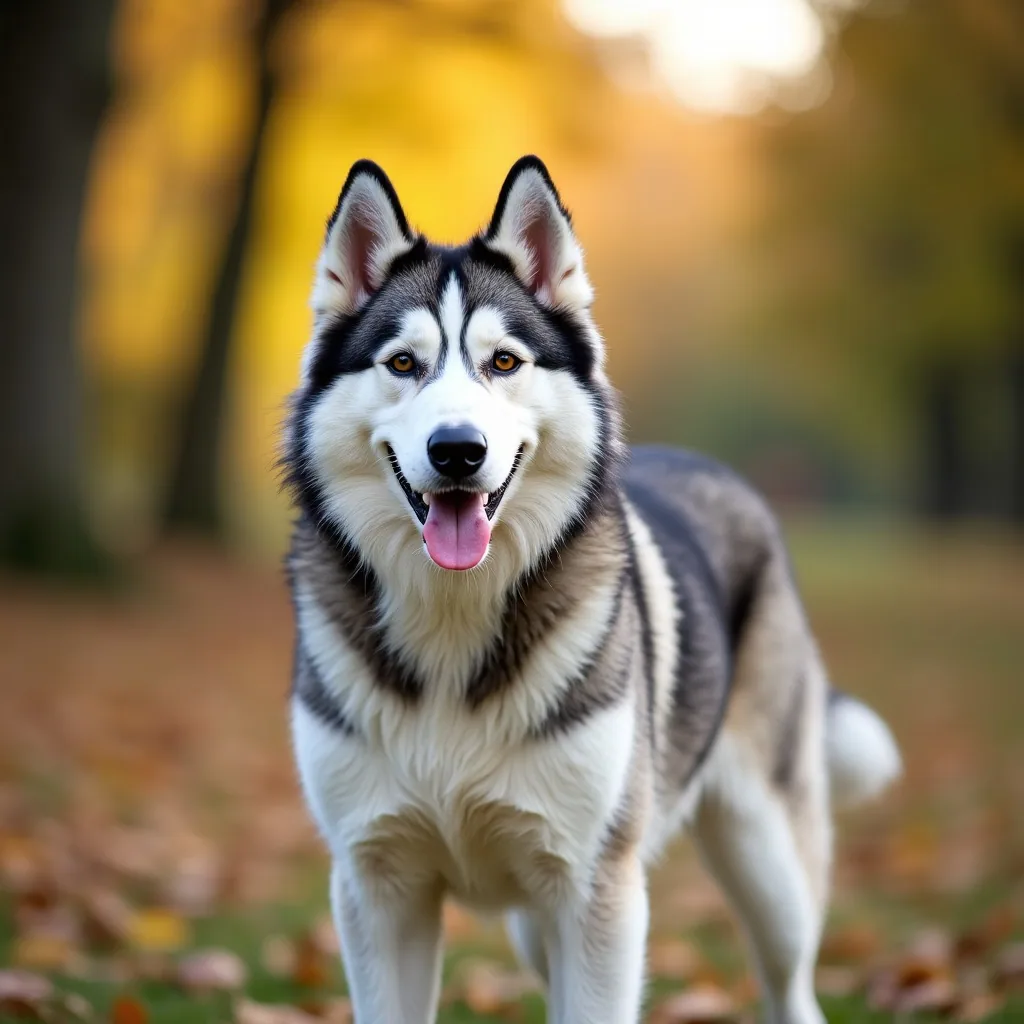
Cost of Owning an Alaskan Malamute in the UK
What does an Alaskan Malamute cost in the UK? Purchase price, food, insurance, grooming and vet bills for this large breed, plus the lifetime total.

How Long Do Lhasa Apsos Live? Lifespan & Health
Lhasa Apsos live around 12–15 years. The eye, kidney, knee and skin conditions this hardy little Tibetan breed is prone to, and how to help yours stay well.