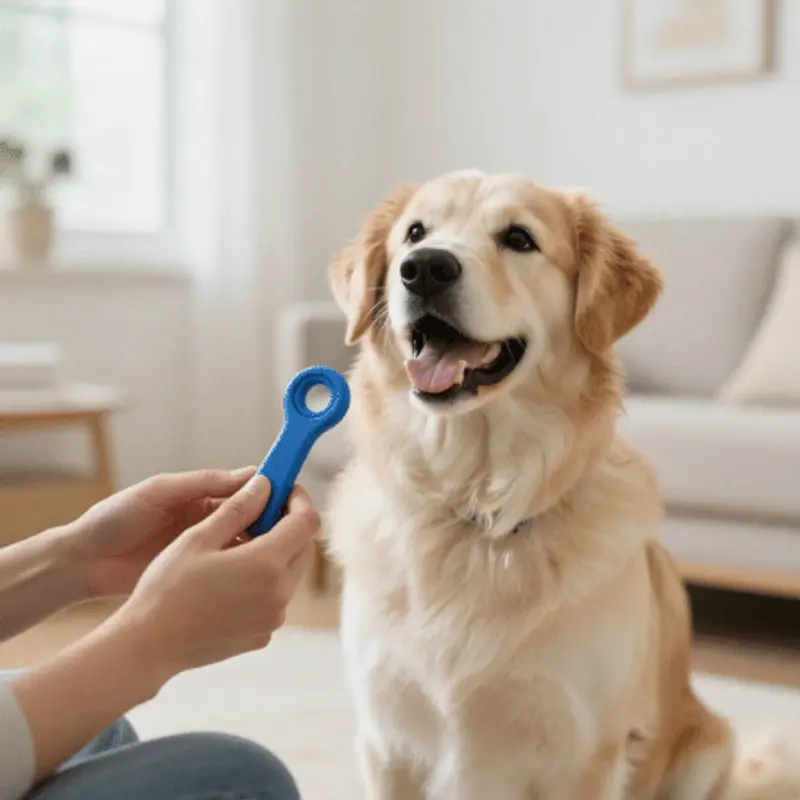
Gingivitis in Dogs: Spotting and Reversing Early Gum Disease
Gingivitis is the early, reversible stage of gum disease. Learn to spot red, bleeding gums in your dog, what to do at home, and when to see a vet.

The quick answer
Yes, in its early stage. Because the structures supporting the teeth aren't yet damaged, regular brushing and, where needed, a professional clean can reverse gingivitis. Once it progresses to periodontal disease, the damage becomes permanent.
Hi, I'm Matt, founder of Giddy Pets. Gingivitis is the earliest, most treatable stage of gum disease — and the stage where you can still turn things around completely. If you catch it now, you can often reverse it with good home care. Left alone, it progresses to periodontal disease, which causes lasting damage. Here's how to recognise it and what to do.
This is general guidance, not a substitute for veterinary advice — if you're worried about your dog's teeth or gums, contact your vet.
What gingivitis is
Gingivitis is inflammation of the gums caused by plaque — the sticky film of bacteria that forms on teeth every day. Where plaque sits against the gumline, the gums become irritated, red and prone to bleeding. At this stage the supporting structures of the teeth aren't yet damaged, which is why it's reversible with proper cleaning. If plaque is left to harden into tartar and creep below the gumline, the inflammation deepens into periodontal disease, where bone and tissue around the teeth break down. That stage isn't reversible — hence the value of acting early.
Why it matters
Beyond sore gums and bad breath, ongoing gum disease is painful, can lead to tooth loss, and allows bacteria to enter the bloodstream. It's one of the most common reasons dogs end up needing teeth removed. The encouraging part is that the early stage is so manageable: most cases of gingivitis improve markedly with regular brushing and, where needed, a professional clean.
It's worth understanding the progression, because it explains why timing matters so much. Gingivitis (sore, inflamed gums) is stage one and reversible. If plaque keeps building and hardens into tartar, especially below the gumline, the body's response starts to damage the bone and ligaments anchoring the teeth — that's periodontal disease, and it can't be undone. The window to act is while you still only have gingivitis, which is exactly why a quick weekly look in the mouth is such a valuable habit.
What makes it worse
Some dogs are more prone than others. Small breeds and flat-faced breeds often have crowded teeth that trap plaque, and older dogs have had more years for tartar to accumulate. A diet, a lack of brushing, and not chewing much can all play a part. None of this changes the fix — regular plaque removal — but it does mean some dogs need a more diligent routine than others.
Signs of trouble to watch for
The hallmark signs are:
- Red, swollen gums, especially along the gumline (healthy gums are usually pink)
- Gums that bleed easily, for example when brushing or chewing
- Bad breath
- A yellow-brown crust of tartar on the teeth
- Mild discomfort — some dogs chew more cautiously
Because dogs rarely complain, lifting the lip for a quick weekly look is the best way to catch it. A red line where tooth meets gum is the classic early clue.
What you can do at home
The cornerstone is brushing — it removes plaque before it hardens, and is the most effective way to reverse early gingivitis. Our how to clean a dog's teeth guide walks you through it. Use a pet toothpaste and brush, both available in our shop, and never human toothpaste, which is toxic to dogs. Focus on the gumline, where plaque does the damage, and aim for daily if you can.
Vet-recommended dental chews and a sensible diet help too, though they don't replace brushing — think of them as useful extras rather than a substitute. If tartar has already formed and hardened onto the teeth, brushing alone won't shift it; that needs a professional scale and polish to clean it off and below the gumline. After that, a good home routine keeps it from coming straight back. Consistency is everything here: gingivitis returns quickly if plaque is allowed to build up again, so the goal is a habit, not a one-off effort.
When to see a vet
Book an appointment if the gums are clearly red, swollen or bleeding, if there's visible tartar, or if you spot bad breath or any reluctance to eat or chew. Your vet will assess how far things have progressed and may recommend a scale and polish under anaesthetic to clean below the gumline — something that can't be done at home. They'll also show you how to keep it from coming back. If teeth are already loose or badly affected, some may need removing; our dog tooth extraction cost guide explains what that involves. For ongoing care, see the wider pet dental hub.
Not registered with a practice? Our vets directory can help. Worried about cost? The pet emergency cost calculator and pet insurance guide help you plan ahead.
Sources
Sources
Common questions
Is gingivitis in dogs reversible?
Yes, in its early stage. Because the structures supporting the teeth aren't yet damaged, regular brushing and, where needed, a professional clean can reverse gingivitis. Once it progresses to periodontal disease, the damage becomes permanent.
What do healthy dog gums look like?
Usually pink and firm, with no swelling or bleeding. A red, inflamed line where the tooth meets the gum is a classic early sign of gingivitis.
Can brushing alone cure gingivitis?
Brushing can reverse early gingivitis, but if tartar has already hardened onto the teeth or crept below the gumline, a professional scale and polish under anaesthetic is needed first.
How quickly does gingivitis progress?
It varies by dog, but plaque hardens into tartar within days, so untreated inflammation can advance steadily. Catching it early and keeping up a brushing routine is the best way to stop it progressing.
About the author
Matt Garnett — founder, Giddy Pets
Matt started Giddy Pets to make getting pets the good stuff simpler and fairer. Everything in these guides comes from real life with pets and a lot of trial and error — it's practical guidance, not veterinary advice. If a guide gets something wrong, tell him directly.
Advice & planning
Free tools & more guides
Practical calculators and trusted guides relevant to this product.
Read next

How to Clean a Dog's Teeth: A Step-by-Step Guide
Brushing is the best way to prevent dental disease. Here's how to clean your dog's teeth step by step, even if they're not keen at first.

Dog Tooth Extraction: What's Involved and What It Costs
Why dogs need teeth removed, what the procedure involves under anaesthetic, and why the cost varies by vet — plus how to plan for it.
Signs of Dental Disease in Cats: What to Watch For
Cats hide mouth pain brilliantly. Learn the subtle signs of dental disease in cats, what you can check at home, and when to see a vet.