
Getting Another Pet After Loss: Is It Too Soon?
There's no right timeline for welcoming a new pet after loss. Here's how to tell whether you're ready — and why it's okay to wait, or not to.
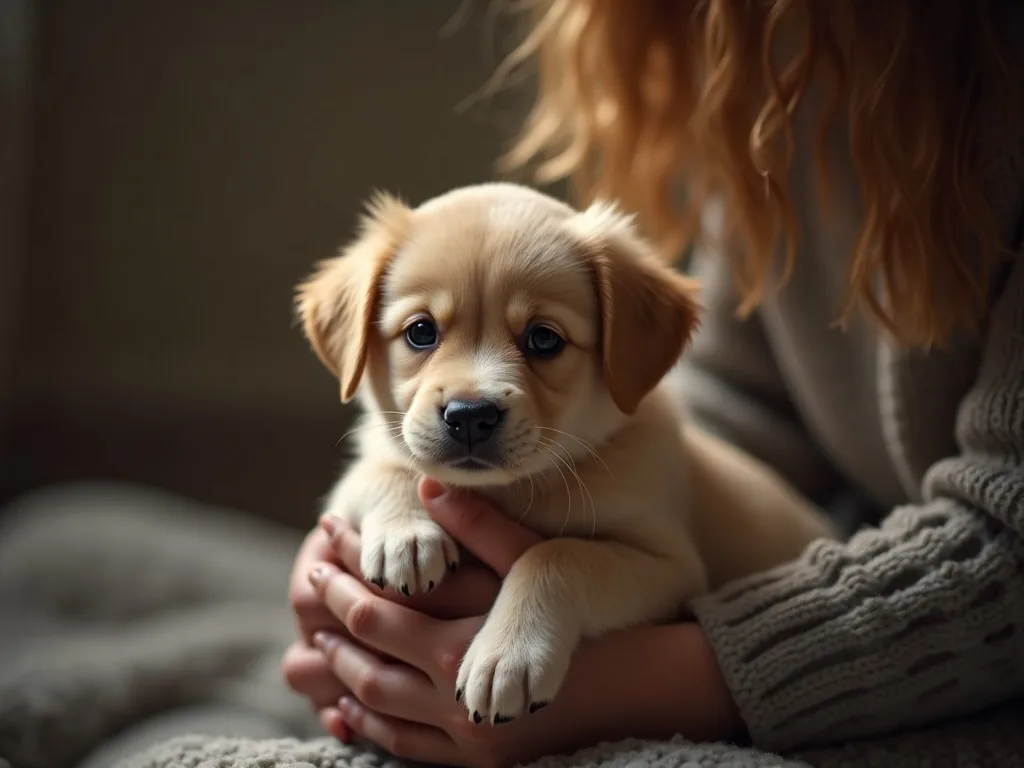
The quick answer
There's no fixed answer. Readiness is personal and depends on your grief, household and circumstances, not a calendar. Some people feel ready within weeks; others need years, or decide not to. All of these are valid.
After losing a pet, people often ask the same quiet question: when is it okay to get another? Some feel ready surprisingly soon; others can't imagine it for a long time, or ever. Both are completely normal. This guide isn't here to tell you what to do — it's here to help you think it through gently, at your own pace.
Whatever you decide, a new pet doesn't replace the one you lost, and choosing to wait isn't a betrayal. There is no deadline on grief.
There is no "right" time
You may have heard rules — wait a year, or get a new pet straight away so the house isn't empty. The truth is that readiness is personal. It depends on your grief, your circumstances, your household and your energy, not on a calendar.
Some people find that caring for a new animal helps them heal. Others need time and space first. Neither is more correct, and you don't owe anyone an explanation for taking as long as you need.
Signs you may be ready
You might be approaching readiness if:
- You can think about your previous pet with warmth and sadness, rather than only raw pain.
- You feel genuine excitement, not just emptiness, at the idea of a new animal.
- You want a new pet for who they'll be, not as a stand-in for the one you lost.
- You have the time, energy, money and headspace to settle a new animal properly.
- The whole household feels broadly ready, not just one person.
None of these has to be perfect. Grief and joy often sit side by side, and it's normal to feel both.
Signs it might be too soon
It may be worth waiting a little longer if:
- You're hoping a new pet will make the grief stop, or fill a hole rather than begin something new.
- You catch yourself expecting the new animal to look, behave or bond exactly like your last pet.
- You feel pressured — by family, by an empty house, or by a sense that you "should".
- You're not sure you have the patience right now for the work a new pet (especially a young one) needs.
If any of this rings true, there's no harm in giving yourself more time. The right animal will still be there when you're ready.
Don't ask a new pet to be the old one
This is perhaps the most important point. A new pet is a different individual, with their own personality, quirks and pace of bonding. They won't greet you the same way, learn the same tricks, or curl up in quite the same spot.
Comparing a newcomer to the pet you lost is understandable, but it can be unfair to both of them — and it can sour those early weeks. Try to meet the new animal as themselves. The bond will grow in its own way, and in time it can be every bit as deep, without erasing what came before.
Keeping a memory or keepsake of your previous pet can actually make this easier: it gives that love its own honoured place, so the new pet doesn't have to carry it.
Involve the whole household
If you share your home, bring everyone into the conversation — including children, gently and honestly. People grieve at different speeds, and one person may be ready while another isn't.
If you have a surviving pet, factor in their temperament too. A grieving or older pet may not welcome a lively newcomer straight away, so consider whether the timing and the match suit them as well as you.
Think practically too: the new pet's needs, your routine, the cost, and whether a particular age, breed or species genuinely fits your life now — rather than choosing on grief alone.
It's okay to wait, and okay not to
There's no medal for getting another pet quickly, and none for holding off. Some people rehome again within weeks and flourish; others wait years, or decide one beloved animal was enough for this chapter of life. All of these are valid.
Trust yourself. You knew your last pet better than anyone, and you'll know — in your own time — what's right for you now.
You don't have to cope alone
If you're weighing this up while still grieving, free and confidential support is available.
- Blue Cross Pet Bereavement Support Service (PBSS) — call 0800 096 6606 (8:30am–8:30pm, every day) or email pbssmail@bluecross.org.uk.
- Cats Protection — Paws to Listen — free grief support line on 0800 024 94 94 (Mon–Fri, 9am–5pm).
- The Ralph Site — pet-loss support and forums at theralphsite.com.
If your grief feels overwhelming, please talk to your GP or call the Samaritans on 116 123 (free, 24/7).
Sources
Common questions
How long should I wait before getting another pet?
There's no fixed answer. Readiness is personal and depends on your grief, household and circumstances, not a calendar. Some people feel ready within weeks; others need years, or decide not to. All of these are valid.
How do I know if I'm ready for a new pet?
Signs include being able to remember your previous pet with warmth as well as sadness, feeling genuine excitement rather than only emptiness, wanting a new pet for who they'll be rather than as a replacement, and having the time and energy to settle one properly.
Is it wrong to get a new pet soon after one dies?
No. For some people, caring for a new animal helps them heal, and getting another pet soon doesn't mean you loved the last one less. The key is wanting the new pet for themselves, not expecting them to erase the grief or replace your previous companion.
Should I get a pet that looks like the one I lost?
It's understandable, but try not to expect a new pet to look, behave or bond exactly like your previous one. They're a different individual. Meeting them as themselves usually makes those early weeks happier for both of you.
About the author
Matt Garnett — founder, Giddy Pets
Matt started Giddy Pets to make getting pets the good stuff simpler and fairer. Everything in these guides comes from real life with pets and a lot of trial and error — it's practical guidance, not veterinary advice. If a guide gets something wrong, tell him directly.
Free tools & more guides
Read next

Do Pets Grieve the Loss of Another Pet?
Many surviving pets show real changes after a companion dies. Here's what grief can look like and how to gently help your dog or cat through it.

Coping with the Loss of a Pet
Grief for a pet is real and valid. A gentle guide to what loss can feel like, what helps, and where to find free support when you need it.
Pet Memorial Ideas: Gentle Ways to Remember Them
Thoughtful, low-pressure ways to honour a pet you've lost — from paw-print casts and keepsakes to trees, memory boxes and online memorials.

What Is the Rainbow Bridge?
The Rainbow Bridge is a gentle prose poem that has comforted grieving pet owners for decades — here's what it means and why it brings solace.