


Dog Resource Guarding: How to Help a Dog Who Guards Food or Toys
Guarding food, chews or beds is a dog saying 'I'm scared you'll take this'. Here's how to change that feeling with safe, force-free trading — and when to get help.
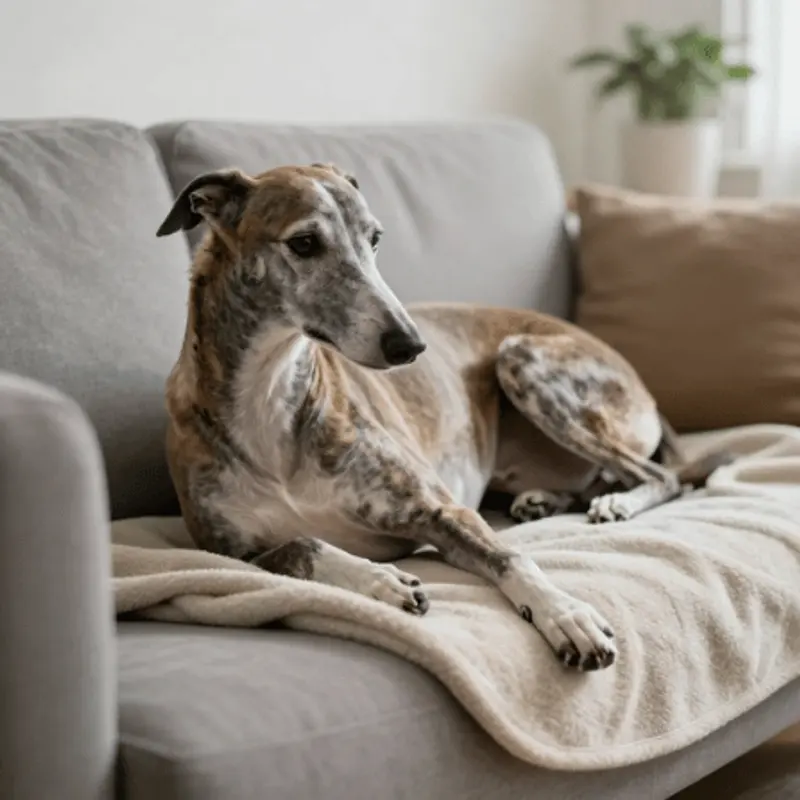
The quick answer
No. Taking food by force or 'testing' the bowl confirms your dog's fear that you're a threat and makes guarding worse. Instead, approach and add a tastier treat so your presence predicts good things, and trade up rather than snatch.
Hi, I'm Matt, founder of Giddy Pets. If your dog stiffens, freezes or growls when you approach their food bowl, a chew or their favourite spot on the sofa, that's resource guarding — and it's more common than people admit. It can be unnerving, but it's a normal, instinctive behaviour rooted in worry about losing something valuable. With a calm, force-free approach you can teach your dog that people coming near means good things, not loss.
This is general guidance, not a substitute for advice from your vet or a qualified, accredited behaviourist — please rule out medical causes first. Any growling, snapping or biting warrants professional support.
Why dogs guard resources
Guarding is your dog saying, "this is precious and I'm scared you'll take it." Dogs may guard food, chews, toys, beds, a person, or a doorway. Triggers and causes include:
- A genuine fear of losing something good — often made worse if people have previously snatched things away.
- Learned wariness — if approaching hands have meant the bowl gets taken, your dog learns to warn you off.
- Pain or illness — a dog who hurts may guard more, or become irritable; this is why a vet check matters.
- Stress, scarcity or competition, particularly in multi-dog homes or rescue dogs with an unsettled past.
A growl is a warning, not "bad" behaviour — it's your dog communicating before they feel they have to escalate. Punishing the growl can teach a dog to skip the warning and go straight to a snap, so we never tell them off for it.
What to try
The goal is to change how your dog feels: people approaching valued things should predict more good stuff arriving.
1. Manage first for safety. While you train, prevent rehearsal: feed in a quiet room, pick up high-value chews when you can't supervise, and give children clear rules to leave the dog alone while eating or resting. 2. Trade up, don't take. Walk past and toss a tastier treat near the bowl or item, then walk away. Your dog learns your approach adds value rather than removing it. 3. Teach a happy "swap" and "drop". Offer something better in exchange for what they have, then often give the original back too, so swapping never feels like a loss. 4. Build positive associations at the bowl. Approach, drop a treat in from a distance they're comfortable with, and leave. Gradually — only as they stay relaxed — close the distance over many sessions. 5. Give each dog space. In multi-dog homes, feed separately and provide plenty of beds, toys and chews so no one feels they must compete. 6. Keep sessions short and calm, end on a good note, and go at your dog's pace. Enrichment toys and chews from our shop can help meet needs and reduce tension when used thoughtfully.
A worked example helps. Say your dog guards their food bowl. On day one, you might stand at the far side of the room, drop a small piece of cooked chicken in their direction, and leave — no reaching for the bowl. Over many meals, only as your dog stays loose and relaxed, you gradually move a step closer, always adding something better than what's already there. The lesson your dog learns is "a person near my food means chicken appears," which is the opposite of the worry that started the guarding. The same trade-up logic works for chews, toys and beds. Progress should never feel rushed: if your dog stiffens, you've moved too fast — simply give more distance and slow down.
For wider skills, our dog training hub helps build trust, and if anxiety underlies the guarding, dog anxiety is worth a read.
What NOT to do
- Never punish the growl or take things by force — it removes your dog's early warning and can make guarding far worse, even leading to a bite.
- Don't "test" your dog by repeatedly putting your hand in the bowl or staring them down — this confirms their fear that you're a threat to their food.
- Don't use confrontational "dominance" or "alpha" methods. They're discredited and increase fear-based aggression.
- Don't let children approach a guarding dog — supervise and separate to keep everyone safe.
When to get professional help
Resource guarding that involves growling, snapping, lunging or biting — or any guarding that's getting worse — needs professional support, and quickly if there are children or vulnerable people in the home. Start with your vet to rule out pain or illness, then ask for referral to an accredited, force-free behaviourist; check credentials via the Animal Behaviour and Training Council. Our vets directory can help you find a local practice. See also how to stop a dog jumping up at people and how to stop a dog barking for related training.
Sources
Common questions
Should I take food away to show my dog who's boss?
No. Taking food by force or 'testing' the bowl confirms your dog's fear that you're a threat and makes guarding worse. Instead, approach and add a tastier treat so your presence predicts good things, and trade up rather than snatch.
My dog growls when I go near his chew — is that aggression?
A growl is a warning, not bad behaviour. It means your dog is worried and is communicating before escalating. Never punish the growl — it can teach a dog to skip the warning. Manage for safety and get professional help if it involves snapping or biting.
Can resource guarding be fixed?
Many dogs improve a lot with consistent, force-free work that changes how they feel about people approaching. The pace varies, and cases with growling or biting — especially around children — need an accredited behaviourist and a vet check first.
About the author
Matt Garnett — founder, Giddy Pets
Matt started Giddy Pets to make getting pets the good stuff simpler and fairer. Everything in these guides comes from real life with pets and a lot of trial and error — it's practical guidance, not veterinary advice. If a guide gets something wrong, tell him directly.
Advice & planning
Free tools & more guides
Practical calculators and trusted guides relevant to this product.
Read next
How to Stop a Dog Digging Up the Garden
Digging is natural, not naughty — dogs dig from boredom, instinct, heat or stress. The kind fix is to redirect the urge to a legal dig spot, not punish it.
Dog Training & Behaviour Hub
Kind, reward-based training — house training, recall, barking, biting, clicker work and obedience, plus the tools that help.
Dog Anxiety & Calming Hub
Fireworks, separation, thunder and travel — practical ways to help a worried dog feel safe.
Pet Behaviour Problems: Practical, Kind Fixes
A warm, plain-English hub for common cat and dog behaviour problems — spraying, litter trouble, resource guarding and digging — fixed with kind, force-free methods.